

Wenn die Tage kürzer werden, die Luft feuchter und kälter wird und die ersten bunten Blätter fallen, beginnt für viele Menschen die gefürchtete Erkältungszeit. Der Übergang vom Sommer in den Herbst stellt das Immunsystem vor besondere Herausforderungen – veränderte Lichtverhältnisse, Temperaturschwankungen und der damit verbundene Rückzug ins Innere belasten die natürlichen Abwehrkräfte des Körpers. Doch die Natur bietet uns genau in dieser Jahreszeit eine Fülle an Schätzen, die der Mensch seit Jahrhunderten nutzt, um sich auf die dunkle Jahreszeit vorzubereiten. In der Tradition der Heilkräuterkunde – und besonders im Geist der großen Klostermedizinerin Hildegard von Bingen – liegt ein reicher Wissensschatz verborgen, der uns dabei begleiten kann, achtsam und gestärkt durch den Herbst zu gehen.
Warum der Herbst eine besondere Zeit für unsere Abwehrkräfte ist
Der Herbst ist in der Naturheilkunde seit jeher als eine Zeit des Übergangs und der Reinigung bekannt. Die alten Kräuterkundigen und Klostermediziner erkannten, dass der menschliche Körper in dieser Jahreszeit besonders empfänglich für Störungen des inneren Gleichgewichts ist. Hildegard von Bingen schrieb in ihrem bedeutenden Werk Physica über die Bedeutung der Jahreszeiten für die menschliche Gesundheit und betonte, dass der Herbst eine Zeit sei, in der man den Körper mit besonderer Sorgfalt pflegen müsse. Diese Weisheit aus dem 12. Jahrhundert hat nichts an ihrer Aktualität verloren.
Das Licht spielt dabei eine zentrale Rolle: Mit dem Rückgang der Sonnenstunden verändert sich der Tagesrhythmus, der Schlaf-Wach-Zyklus verschiebt sich, und viele Menschen erleben einen spürbaren Stimmungsabfall. Gleichzeitig verbringen wir mehr Zeit in geschlossenen Räumen, wo Viren und andere Erreger leichteres Spiel haben. Diese äußeren Einflüsse machen deutlich, warum gerade im Herbst eine bewusste Zuwendung zu sich selbst und zur Kraft der Kräuter so wertvoll sein kann – nicht als Behandlung, sondern als liebevolle Pflege des eigenen Wohlbefindens.
Aus der Perspektive der Klostermedizin war der Herbst außerdem die Zeit der Ernte – und damit auch die Zeit, den Vorrat an getrockneten Kräutern und Tinkturen für den Winter anzulegen. Viele der Kräuter, die im Frühsommer geerntet wurden, entfalteten nach dem Trocknungsprozess ihre volle Kraft und konnten als Tees, Aufgüsse und Elixiere durch die dunklen Monate begleiten. Diese jahrtausendealte Praxis des Sammelns, Einlegens und Bewahrens ist ein zutiefst verbindendes Ritual zwischen Mensch und Natur – und ein schöner Anlass, die eigene Kräuterküche bewusst zu pflegen. Hildegard von Bingen Produkte
Hildegard von Bingen schrieb in ihrem Werk „Causae et Curae" (entstanden ca. 1150–1160 n. Chr.): „Der Mensch ist ein Spiegel der Natur. Was in ihr aus dem Gleichgewicht gerät, spiegelt sich auch im Menschen." Diese Beobachtung zur Jahreszeiten-Medizin gilt in der Traditionellen Europäischen Medizin (TEM) bis heute als grundlegendes Prinzip der ganzheitlichen Gesundheitspflege.
Die 10 kraftvollsten Heilkräuter und Naturmittel für die Herbstzeit
Die Heilkräuterkunde bietet uns ein breites Spektrum an Pflanzen, die traditionell für ihre stärkenden Eigenschaften in der Herbst- und Winterzeit geschätzt wurden. Viele dieser Kräuter finden sich bereits in den Klostergärten des Mittelalters und wurden in handschriftlichen Kräuterbüchern dokumentiert. Sie sind keine Modeerscheinung, sondern das Ergebnis von Jahrhunderten gelebter Erfahrung und Beobachtung. Die folgende Auswahl vereint klassische europäische Heilpflanzen mit bewährten Schätzen aus anderen Naturheiltraditionen.
Besonders wertvoll ist dabei die Vielfalt der Anwendungsformen: Ob als Tee, Tinktur, Pulver oder Kapsel – die Heilpflanzen fügen sich auf unterschiedlichste Weise in den Alltag ein. Wer sich Zeit nimmt, morgens einen warmen Kräutertee zuzubereiten und dabei bewusst inne zu halten, praktiziert nicht nur Naturheilkunde, sondern auch eine Form der täglichen Achtsamkeit, die in unserer schnellen Zeit besonders wertvoll ist. Im Sinne des Hildegard'schen Prinzips der Viriditas – der grünen Lebenskraft der Natur – geht es darum, sich diese Kraft bewusst zuzuführen und sie als Ergänzung zu einem achtsamen Lebensstil zu verstehen.
Die traditionelle Heilkräuterkunde betrachtet das Immunsystem nicht als isoliertes System, sondern als Teil eines ganzheitlichen Gleichgewichts – und bietet mit über 10.000 Jahren überliefertem Pflanzenwissen einen einzigartigen Erfahrungsschatz, der bis heute in der Naturheilkunde lebendig ist.
Diese Heilkräuter werden traditionell für die herbstliche Abwehrkraft geschätzt:
- Echinacea (Sonnenhut): Eines der bekanntesten Heilkräuter der Naturheilkunde, das von den Ureinwohnern Nordamerikas seit Jahrhunderten traditionell verwendet wird. In Europa etablierte sich Echinacea im 19. Jahrhundert als geschätztes Volksmedizinmittel und wird bis heute als saisonale Begleitung im Herbst und Winter eingesetzt. Immunsystem-Produkte
- Holunder (Sambucus nigra): Der schwarze Holunder ist in der europäischen Volksmedizin seit der Antike bekannt und wurde bereits in mittelalterlichen Klostergärten kultiviert. Hildegard von Bingen widmete ihm eigene Kapitel in ihren Schriften und schätzte ihn als vielseitiges Heilkraut der herbstlichen Jahreszeit.
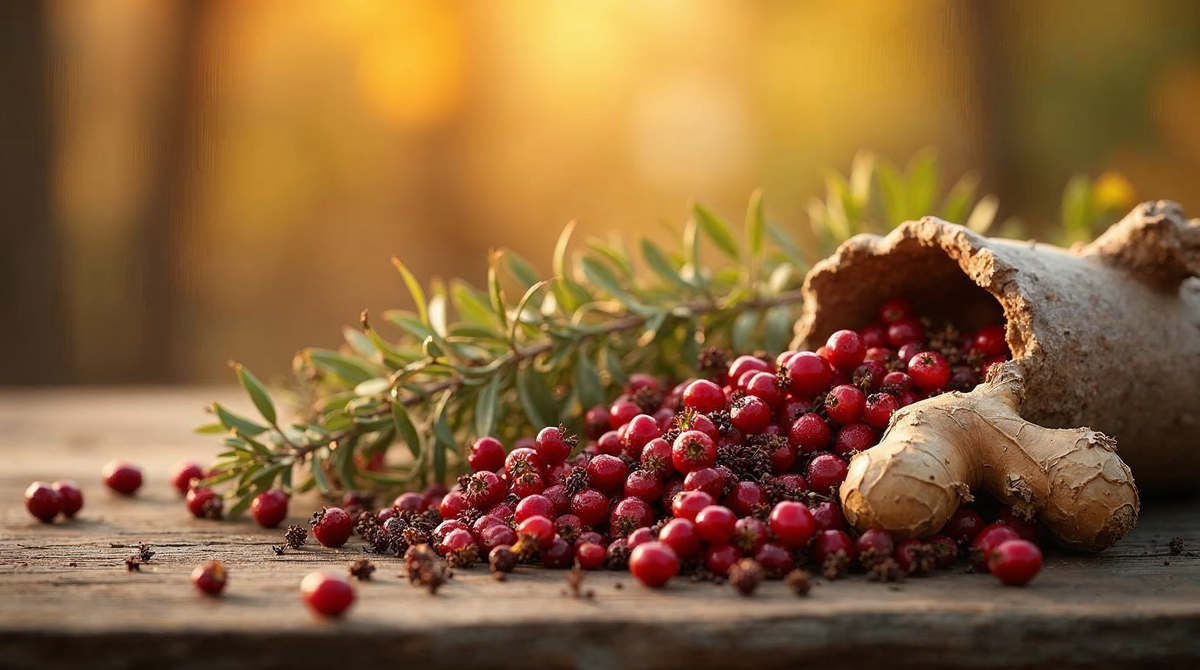
- Ingwer (Zingiber officinale): Die würzige Wurzel hat ihren Weg aus der ayurvedischen Tradition auch in die europäische Naturheilkunde gefunden und wird seit dem Mittelalter in den Klosterapotheken geschätzt. In der Hildegard-Medizin gilt Ingwer als wärmendes Kraut, das traditionell im Herbst und Winter Verwendung findet.
- Thymian (Thymus vulgaris): Bereits die alten Griechen und Römer schätzten den Thymian, und in den Kräutergärten europäischer Klöster war er ein unverzichtbarer Bestandteil. Als eines der ältesten bekannten Heilkräuter des Abendlandes wird er seit Jahrhunderten traditionell als aromatische Pflanze für Herbst- und Winterzeiten verwendet.
- Kurkuma (Curcuma longa): Das goldgelbe Gewürz aus der ayurvedischen Tradition wird seit über 4.000 Jahren in der indischen Naturheilkunde verwendet und erlebt in der modernen Naturheilkunde eine verdiente Renaissance. Als traditionelles Stärkungsmittel findet Kurkuma heute auch in der westlichen Kräuterkunde seinen Platz.
- Propolis: Das natürliche Bienenharz wurde bereits von Hippokrates und später von Hildegard von Bingen als wertvolles Naturprodukt beschrieben. In der Volksmedizin vieler Kulturen gehört Propolis seit Jahrhunderten zu den geschätzten Naturmitteln der herbstlichen Vorsorgezeit.
- Sanddorn (Hippophae rhamnoides): Die leuchtend orangefarbenen Beeren des Sanddorns wurden in Sibirien und im Himalaya schon vor Jahrhunderten als Stärkungsmittel traditionell verwendet. In der deutschen Naturheilkunde ist Sanddorn als besonders vitaminreiche Herbstfrucht bekannt.
- Oregano (Origanum vulgare): Schon die alten Griechen kannten die Kraft des wilden Oreganos, und in der mittelalterlichen Klostermedizin war er ein fester Bestandteil der Kräutersammlung. Hildegard von Bingen schätzte ihn als aromatisches und wärmendes Kraut der mediterranen Tradition.
- Bitterkräuter (Bitterstoffe): Die Bedeutung von Bitterkräutern für das allgemeine Wohlbefinden war bereits den alten Ägyptern bekannt und zieht sich wie ein roter Faden durch alle großen Heiltraditionen der Welt. BitterKraft Original In der Hildegard-Medizin gelten Bitterkräuter als besonders wertvoll für das innere Gleichgewicht.
- Hagebutte (Rosa canina): Die leuchtend roten Früchte der Heckenrose sind seit Jahrhunderten ein beliebtes Herbst- und Wintermittel in der europäischen Volksmedizin und fanden auch in Hildegards Kräuterempfehlungen Erwähnung. Als klassische heimische Heilpflanze wird die Hagebutte traditionell als saisonales Naturmittel geschätzt.
Was steckt hinter den Bitterkräutern?
Bitterkräuter sind Heilpflanzen, die besonders viele sekundäre Pflanzenstoffe – sogenannte Bitterstoffe oder Gentiopikroside – enthalten. Diese Verbindungen entstehen in der Pflanze als natürlicher Schutzmechanismus und wurden in der Hildegard-Medizin als „Lebenskraft in konzentrierter Form" verstanden. Traditionell werden Bitterkräuter wie Enzian, Wermut und Tausendgüldenkraut seit Jahrhunderten als besonders wertvolle Heilkräuter des europäischen Kulturraums angesehen. Im Bitterkraft-Sortiment finden sich hochwertige Bitterstoff-Produkte, die auf dieser jahrhundertealten Tradition aufbauen. BitterKraft Original
Hildegards Weisheit: Rituale und Gewohnheiten für die dunkle Jahreszeit
Hildegard von Bingen verstand Gesundheit nicht als bloße Abwesenheit von Krankheit, sondern als einen Zustand tiefer Harmonie zwischen Körper, Geist und Seele. In ihrer Lehre spielten die Tageszeiten und Jahreszeiten eine entscheidende Rolle – der Herbst war für sie eine Zeit der Einkehr, der Sammlung und der bewussten Vorbereitung auf den Winter. Diese ganzheitliche Betrachtungsweise lädt uns ein, unsere Herbstroutinen nicht nur auf den Körper, sondern auch auf Geist und Seele auszurichten. Ein ruhiger Abend mit einem wärmenden Kräutertee, bewusstes Atemübungen in der frischen Herbstluft oder das Anzünden einer Kerze beim Lesen eines alten Kräuterbuches – all das sind kleine Rituale, die im Sinne Hildegards das innere Gleichgewicht nähren können.
Besonders hervorgehoben wurde in der Hildegard-Medizin die Bedeutung des Fastens und der bewussten Ernährungsumstellung im Jahresverlauf. Fasten-Produkte Der Herbst galt als ideale Zeit für eine milde Reinigung des Organismus, bevor die schwere Winterkost beginnt. In den Klöstern des Mittelalters war es üblich, in dieser Zeit vermehrt auf leichte, wärmende Speisen umzustellen und Kräutertees als tägliche Begleitung zu nutzen. Diese Tradition des bewussten Essens und Fastens nach den Jahreszeiten findet heute in der modernen Naturheilkunde wieder große Beachtung und fügt sich nahtlos in das Konzept des saisonalen Wohlbefindens ein.
Ein weiterer zentraler Aspekt im Denken Hildegards war die Kraft der Wärme. Warme Speisen, wärmende Gewürze wie Zimt, Nelken und Ingwer sowie das Vermeiden von Auskühlung galten ihr als grundlegende Maßnahmen der herbstlichen Gesundheitspflege. Besonders ihr berühmter Gewürzwein – ein Kräuterelixier aus Wein, Honig und verschiedenen Würzkräutern – war eine beliebte Zubereitungsform, die Wärme und Kräuterkraft vereinte. Heute lässt sich dieses Prinzip wunderbar mit einem selbst zubereiteten Gewürztee oder einem warmen Kräuteraufguss am Abend neu interpretieren.
„Wenn der Mensch warme Speisen zu sich nimmt und sich mit wärmenden Kräutern stärkt, so bleibt das Feuer in ihm lebendig." – Hildegard von Bingen, Causae et Curae, ca. 1150 n. Chr. Diese Empfehlung gilt in der Traditionellen Europäischen Medizin als eines der Grundprinzipien der herbstlichen Gesundheitspflege und wird von Naturheilkundlern bis heute als wertvolle Orientierung zitiert.
Ganzheitliche Strategien: So integrieren Sie Kräuterwissen in Ihren Herbstalltag
Naturheilkunde ist keine Sammlung von Einzelmaßnahmen, sondern ein ganzheitlicher Ansatz, der verschiedene Lebensbereiche miteinander verbindet. Neben der gezielten Nutzung von Heilkräutern spielen Schlaf, Bewegung, Ernährung und seelisches Gleichgewicht eine mindestens ebenso wichtige Rolle. Schlaf- und Entspannungsprodukte Im Herbst bedeutet dies konkret: früher zu Bett gehen, um dem natürlichen Rückzug in die Dunkelheit zu folgen; die Ernährung auf saisonale, wärmende Zutaten wie Kürbis, Wurzelgemüse und Hülsenfrüchte umstellen; und bewusst Pausen im Alltag einzuplanen, in denen man sich mit einer Tasse Kräutertee einen Moment der Ruhe gönnt.
Die innere Balance spielt auch für den Darm eine wichtige Rolle – ein Organ, dem die Naturheilkunde seit jeher große Bedeutung beimisst. Darm- und Verdauungsprodukte In der Hildegard-Medizin wurde der Darm als Sitz der Vitalität betrachtet, und die regelmäßige Einnahme von Bitterkräutern und fermentierten Lebensmitteln war Teil der herbstlichen Pflegeroutine. Heute empfehlen naturkundige Therapeuten, die herbstliche Kräuterkur durch fermentierte Lebensmittel wie Sauerkraut, Kefir und Kimchi zu ergänzen – allesamt Nahrungsmittel, die in der Volksmedizin vieler Kulturen traditionell als wertvolle Begleitung durch die kalte Jahreszeit gelten.
Der Schlüssel zur herbstlichen Wohlbefindenspflege liegt nicht in einer einzigen Wunderpflanze, sondern in der bewussten Kombination von Kräuterwissen, saisonaler Ernährung, ausreichend Schlaf und innerer Einkehr – ganz im Sinne der Hildegard'schen Ganzheitslehre.
Für den praktischen Einstieg empfiehlt sich eine einfache Morgenroutine: Beginnen Sie den Tag mit einem Glas warmem Wasser, dem Sie eine Scheibe frischen Ingwer und etwas Zitronensaft hinzufügen. Bereiten Sie anschließend Ihren Lieblingskräutertee zu – ob Thymian, Holunder oder eine traditionelle Klostermischung – und nehmen Sie sich fünf Minuten Zeit, um ihn in Ruhe zu trinken, bevor der Alltag beginnt. Diese kleine Geste der Selbstfürsorge, die kaum zehn Minuten kostet, kann das tägliche Wohlbefinden auf schöne Weise bereichern und ist der erste Schritt zu einer bewussteren Herbstroutine.
Herbst-Starter-Routine nach Kräuterkunde-Tradition:
Morgens: Warmes Ingwer-Zitronen-Wasser + Kräutertee (z. B. Thymian oder Holunderblüte)
Mittags: Bitterstoff-Tropfen oder -Kapsel als traditionelle Ergänzung zum Mittagessen BitterKraft Original
Abends: Beruhigender Kräutertee (z. B. Baldrian, Melisse) + 10 Minuten Lesen oder stilles Sitzen
Wöchentlich: Eine bewusste Kräuterküche-Session: Tinktur ansetzen, Kräutermischung zusammenstellen oder einen Wildkräuterspaziergang unternehmen
Diese Routine kombiniert traditionelles Kräuterwissen mit modernen Erkenntnissen der Rhythmusmedizin und lässt sich leicht in jeden Alltag integrieren.
Naturheilkunde bewusst erleben: Wie Sie Ihre persönliche Herbstkur gestalten
Eine persönliche Herbstkur nach dem Vorbild der Klostermedizin muss weder aufwändig noch teuer sein. Im Gegenteil: Der Reiz liegt in der Einfachheit und der bewussten Rückbesinnung auf das Wesentliche. Beginnen Sie damit, Ihre Kräuterküche zu ordnen und zu erweitern: Welche Kräuter haben Sie zu Hause? Welche würden Sie gerne kennenlernen? Ein kleines Herbstprojekt könnte sein, im Oktober eine eigene Immunstärkungsmischung aus getrockneten Kräutern zusammenzustellen – etwa aus Holunderbeeren, Thymian, Ingwerpulver und Hagebutten – und diese als losen Tee oder Aufguss durch den Winter zu begleiten.
Für jene, die tiefer in das Hildegard'sche Kräuterwissen eintauchen möchten, bieten sich zahlreiche traditionelle Rezepturen an: von der klassischen Hildegard-Gewürzmischung aus Galangal, Bertram und Muskatnuss bis hin zu modernen Interpretationen als Kräuteröl oder Elixier. Hildegard von Bingen Produkte Wichtig ist dabei immer das Bewusstsein, dass diese Kräuter als Ergänzung zu einem gesunden Lebensstil gedacht sind – nicht als Ersatz für ärztlichen Rat bei ernsthaften Beschwerden. Im Sinne des alten Apotheker-Mottos „Natura sanat, medicus curat" (Die Natur heilt, der Arzt pflegt) arbeiten Natur und Medizin am besten Hand in Hand.
Abschließend sei noch ein besonders schöner Aspekt der herbstlichen Kräuterpraxis erwähnt: die Gemeinschaft. In vielen traditionellen Kulturen war das Sammeln und Verarbeiten von Heilkräutern eine gemeinsame Tätigkeit – man half sich gegenseitig, teilte Wissen und Rezepte und pflegte so nicht nur den Körper, sondern auch die sozialen Verbindungen. Vielleicht laden Sie Freunde oder Familie ein, gemeinsam eine Kräutermischung zusammenzustellen, einen Wildkräuterspaziergang zu unternehmen oder einfach bei einer Tasse selbst gekochtem Kräutertee zusammenzusitzen. Denn am Ende ist das größte Heilmittel des Herbstes vielleicht das einfachste: sich Zeit nehmen, zur Ruhe kommen, und die stille Kraft der Natur bewusst in den Alltag einladen.
Naturheilkunde im Herbst bedeutet nicht Verzicht, sondern Bereicherung: Wer sich die alten Kräuterweisheiten zu eigen macht, fügt seinem Alltag nicht nur wertvolle Pflanzenpower hinzu, sondern auch Rituale, Stille und eine tiefe Verbindung zur Natur – das schönste Geschenk, das der Herbst zu bieten hat.

Hinterlasse einen Kommentar
Diese Website ist durch hCaptcha geschützt und es gelten die allgemeinen Geschäftsbedingungen und Datenschutzbestimmungen von hCaptcha.