

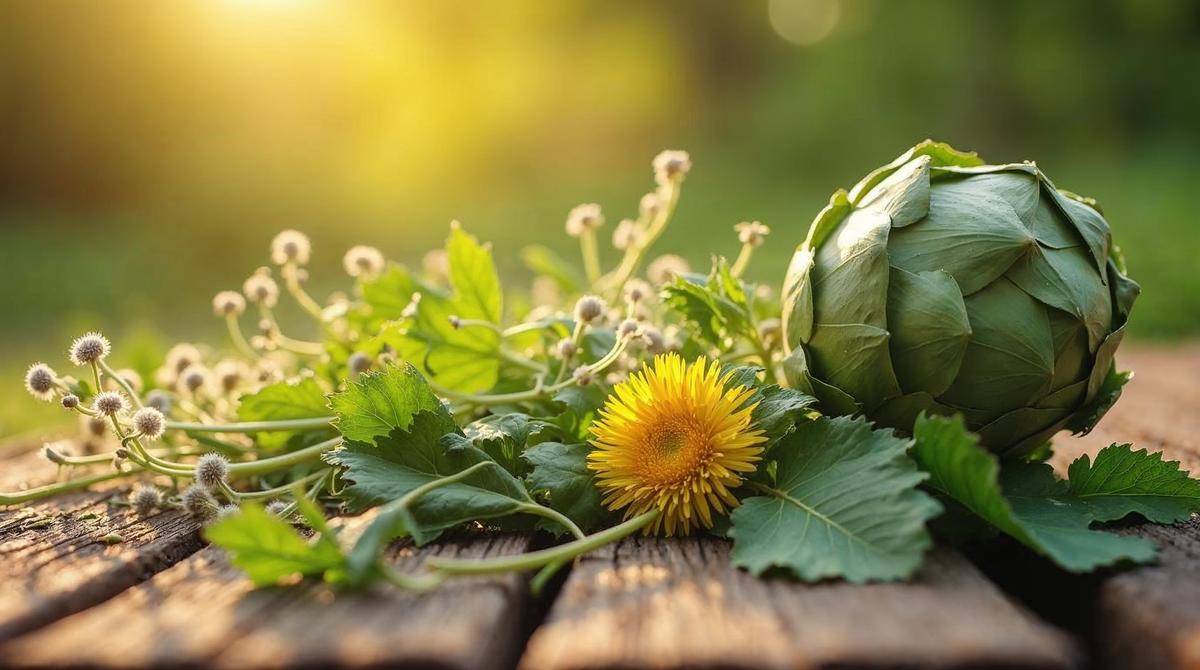
Die Leber gilt in der Naturheilkunde als eines der fleißigsten Organe des menschlichen Körpers – und gleichzeitig als eines der am häufigsten vernachlässigten. Wer sich mit traditionellem Pflanzenwissen beschäftigt, stößt dabei unweigerlich auf eine Gruppe von Kräutern, die seit Jahrhunderten besonders geschätzt wird: die Bitterpflanzen. Ihr charakteristischer Geschmack, der auf der Zunge zunächst unangenehm wirken mag, hat in der Klostermedizin und der volksheilkundlichen Überlieferung einen festen Platz. Hildegard von Bingen, die berühmte Kräuterkundige des Mittelalters, widmete diesen Pflanzen ausführliche Aufzeichnungen – und auch heute erleben Bitterkräuter im Rahmen eines naturnahen Lebensstils eine bemerkenswerte Renaissance. Dieser Artikel gibt einen Überblick über traditionell bedeutsame Bitterpflanzen, ihre kulturhistorische Verwurzelung und die Frage, wie sie im Rahmen eines bewussten Alltags eine Rolle spielen können.
Die Kraft der Bitterstoffe: Was steckt hinter dem bitteren Geschmack?
Wenn wir von Bitterpflanzen sprechen, meinen wir in erster Linie Pflanzen, die sogenannte Bitterstoffe – auch Amara genannt – in ihren Blättern, Wurzeln, Blüten oder Rinden enthalten. Diese sekundären Pflanzenstoffe sind keine Zufälligkeit der Natur: Sie dienen den Pflanzen ursprünglich als Schutz vor Fraßfeinden. Für den Menschen jedoch hat die Überlieferung gezeigt, dass genau diese Verbindungen im Körper vielfältige Reaktionen auslösen können, die seit der Antike mit dem Wohlbefinden in Verbindung gebracht werden. Amara sind keine einheitliche Stoffgruppe – sie umfassen Iridoide, Sesquiterpenlactone, Alkaloide und viele weitere Verbindungen, die je nach Pflanze unterschiedlich zusammengesetzt sind.
In der westlichen Kräutermedizin wurden Bitterpflanzen traditionell dem sogenannten „Galleprinzip" zugeordnet: Man verband sie mit dem Lebersystem, mit Reinigung und mit dem Fluss der Körpersäfte. Hildegard von Bingen, deren Werke „Physica" und „Causae et Curae" zu den bedeutendsten Quellen mittelalterlicher Kräuterkunde zählen, beschrieb Bitterkeit als eine Qualität, die das innere Gleichgewicht wiederherstellen könne. Hildegard von Bingen Produkte Sie sah in bestimmten Bitterkräutern Mittel, um die „Hitze" und Schwere des Körpers zu regulieren – eine Sichtweise, die zwar nicht mit moderner Physiologie gleichzusetzen ist, aber die kulturelle Tiefe dieser Pflanzen eindrücklich verdeutlicht.
Bitterpflanzen zählen zu den ältesten Heilmitteln der Menschheitsgeschichte – in Klöstern, Apothekergärten und Volksheilkunde gleichermaßen geschätzt, sind sie heute wieder im Mittelpunkt des naturheilkundlichen Interesses.
Was Bitterpflanzen für die Leber-Produkte von Bitterkraft so interessant macht, ist ihre überlieferte Beziehung zur Gallenblase und zum Verdauungssystem insgesamt. Die Galle ist eine von der Leber produzierte Flüssigkeit, die für die Verarbeitung von Fetten eine zentrale Rolle spielt. In der Naturheilkunde wird ein harmonischer Gallenfluss traditionell als Zeichen einer gut funktionierenden Lebertätigkeit betrachtet. Bitterpflanzen wurden historisch genutzt, um dieses System in seiner natürlichen Dynamik zu begleiten – nicht als Heilmittel im medizinischen Sinne, sondern als Teil einer bewussten, kräutergestützten Lebensweise.
Was sind Amara?
Amara ist der Sammelbegriff für pflanzliche Bitterstoffe, die in zahlreichen Heil- und Küchenkräutern vorkommen. Sie lassen sich grob in drei Gruppen einteilen: Amara pura (reine Bitterstoffe, z. B. in Enzian), Amara aromatica (bitter und aromatisch, z. B. in Wermut) und Amara acria (bitter und scharf, z. B. in Ingwer). In der Naturheilkunde werden sie traditionell dem Lebersystem und der Verdauungsförderung zugeordnet.
Hildegards Kräuterwissen und die Leber: Eine jahrtausendealte Verbindung
Hildegard von Bingen (1098–1179) war nicht nur Mystikerin und Komponistin, sondern auch eine der einflussreichsten Kräuterkundigen des Mittelalters. In ihrer Naturkunde „Physica" beschrieb sie Hunderte von Pflanzen und deren Bedeutung für den menschlichen Körper. Besonders die Leber – in der mittelalterlichen Säftelehre eng mit dem Blut und der Lebenskraft verbunden – stand im Mittelpunkt vieler ihrer Empfehlungen. Sie sah die Leber als Sitz der Vitalität und widmete ihr zahlreiche Kräuterformeln, die häufig bittere Komponenten enthielten. BitterKraft Original
Einige der Pflanzen, die Hildegard besonders schätzte, tauchen auch heute noch in der modernen Kräutermedizin auf: Wermut, Enzian, Schafgarbe und Löwenzahn sind nur einige Beispiele. Sie empfahl diese Kräuter häufig in Form von Kräuterweinen, Tinkturen oder als Bestandteil von Speisen – eine Praxis, die sich in vielen klösterlichen Traditionen bis heute erhalten hat. Hildegard betonte dabei stets das Prinzip der Mäßigung: Nicht die maximale Dosierung, sondern der harmonische Einsatz im Alltag sei entscheidend für das Wohlbefinden.
„Die Schafgarbe ist warm und trocken [...] und ist gut für die Leber und die Galle" – so sinngemäß überliefert in Hildegards „Physica", Buch I. Diese historischen Einträge zeigen, wie präzise die mittelalterliche Kräuterkunde bereits spezifische Pflanzen mit einzelnen Organen und Körperfunktionen in Verbindung brachte.
Was Hildegards Herangehensweise so zeitlos macht, ist ihr ganzheitliches Denken: Sie unterschied nicht zwischen körperlichem und seelischem Wohlbefinden. Wer die Leber pflege, pflege auch den Geist – so lautete eine der zentralen Botschaften ihrer Medizin. Diese Sichtweise findet sich auch in der traditionellen chinesischen Medizin und im Ayurveda wieder, wo die Leber als „Sitz der Emotionen" gilt. Die kulturelle und spirituelle Dimension des Bitterstoffkonsums ist daher nicht zu unterschätzen: Bitterkräuter zu trinken ist in vielen Traditionen ein bewusstes Ritual, ein Moment der Innenschau und der Selbstfürsorge. Fasten-Produkte
Hildegard von Bingen beschrieb die Leber als Sitz der Lebenskraft – und empfahl Bitterkräuter wie Wermut und Schafgarbe als Teil eines harmonischen Alltags. Diese Weisheit der Klostermedizin erlebt heute eine bemerkenswerte Wiedergeburt.
Diese Bitterpflanzen sind traditionell für die Leber bekannt
Die Vielfalt der Bitterpflanzen, die historisch mit der Leber und der Gallenproduktion in Verbindung gebracht wurden, ist beeindruckend. Von der wilden Wiese bis zum Klostergarten – viele dieser Kräuter sind überraschend nah und dennoch in Vergessenheit geraten. Im Folgenden stellen wir einige der bekanntesten vor, die seit Jahrhunderten in der europäischen Kräutermedizin geschätzt werden. Dabei ist es wichtig zu betonen: All diese Angaben beziehen sich auf die traditionelle Verwendung und kulturhistorische Überlieferung, nicht auf medizinische Heilversprechen. alle Bitterkraft Produkte
Traditionell geschätzte Bitterpflanzen für Leber und Galle:
- Mariendistel (Silybum marianum): Die Mariendistel ist wohl das bekannteste „Leberkraut" der westlichen Kräutermedizin. Ihre Samen enthalten Silymarin, einen Bitterstoffkomplex, der seit der Antike mit Leberpflege in Verbindung gebracht wird. In der Volksmedizin wurde Mariendistel-Tee traditionell nach Übermaß beim Essen oder Trinken als wohltuend beschrieben.
- Artischocke (Cynara scolymus): Lange bevor die Artischocke auf europäischen Speisekarten erschien, wurde sie in der arabischen und mediterranen Heilkunde geschätzt. Der Bitterstoff Cynarin, der in ihren Blättern vorkommt, ist historisch mit der Leber- und Gallenpflege assoziiert. Traditionell wurde Artischockenblätter-Tee als Teil einer frühlingsfrischen „Reinigungskur" verwendet.
- Löwenzahn (Taraxacum officinale): Kaum eine Wildpflanze ist so unterschätzt wie der Löwenzahn. Wurzel und Blätter sind reich an Bitterstoffen und wurden in der europäischen Volksmedizin seit dem Mittelalter als Frühjahrskur für Leber und Galle eingesetzt. Hildegard von Bingen schätzte seine reinigende Qualität, besonders in der Zeit nach dem Winter. BitterKraft Original
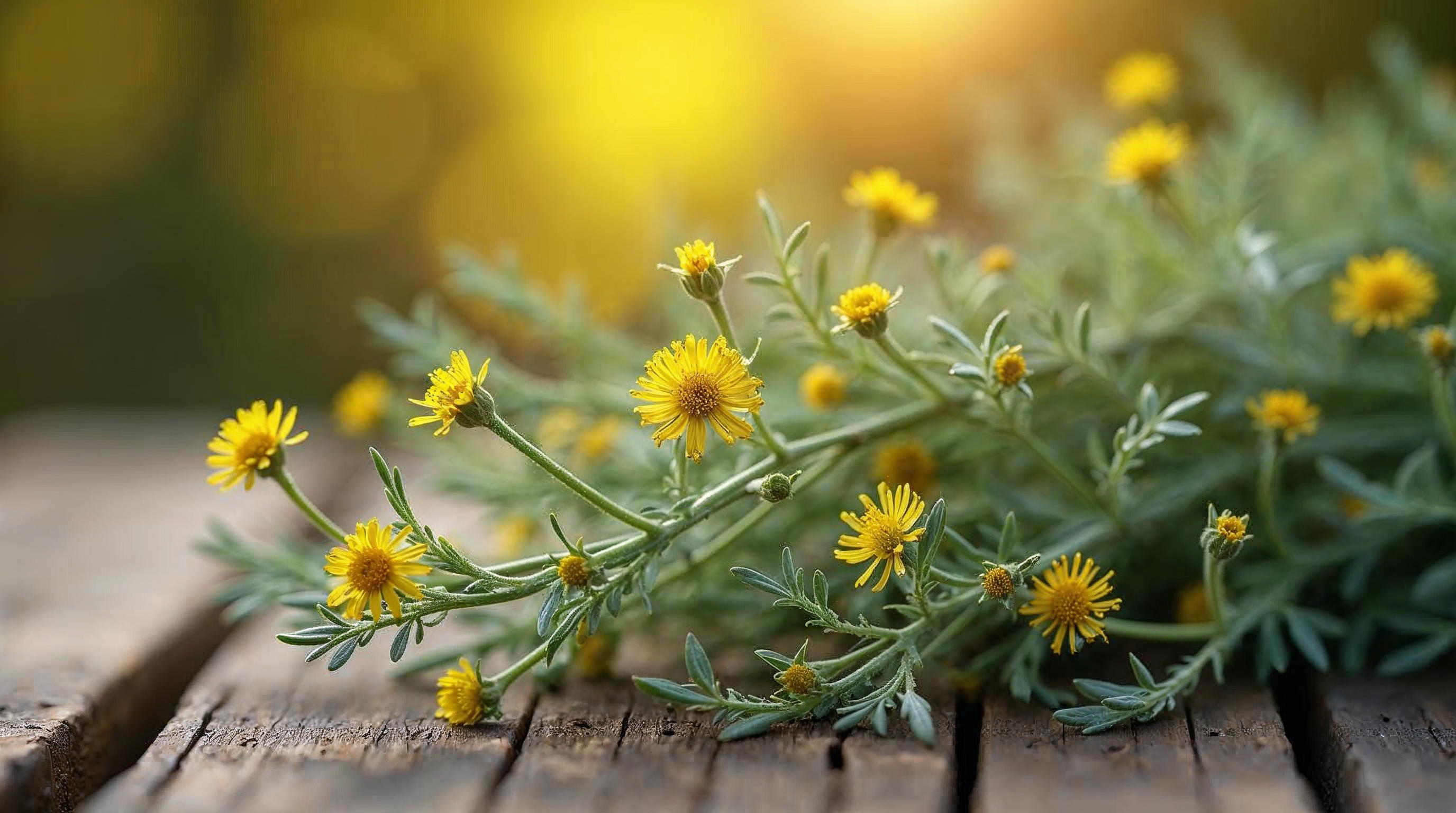
- Wermut (Artemisia absinthium): Wermut zählt zu den intensivsten Bitterpflanzen überhaupt und war Hildegards bevorzugtes Leberkraut. Sie beschrieb ihn als „warm und trocken" und empfahl ihn in kleinen Mengen – ein Hinweis, der auch heute noch gilt, denn Wermut ist in größeren Mengen nicht unbedenklich. Als Bestandteil traditioneller Kräuterbitter wird er bis heute in der Klostermedizin verwendet.
- Enzian (Gentiana lutea): Die Wurzel des Gelben Enzians ist eine der bittersten Pflanzen Europas und wird bereits seit der griechischen Antike medizinisch erwähnt. In der Klostermedizin galt er als „König der Bitterpflanzen" und fand Verwendung in Kräuterlikören und Tinkturen. Sein intensiver Bittergeschmack macht ihn zu einem klassischen Bestandteil von Digestifs und Magenbitter. Leber-Produkte von Bitterkraft
- Schafgarbe (Achillea millefolium): Hildegard von Bingen nannte die Schafgarbe explizit als wohltuend für Leber und Galle. Das zarte Kraut, das auf fast jeder Wiese wächst, enthält ätherische Öle und Bitterstoffe, die in der Volksheilkunde traditionell zur Unterstützung der Verdauung nach fettreichen Mahlzeiten geschätzt wurden.
- Kurkuma (Curcuma longa): Obwohl ursprünglich aus Südostasien stammend, ist Kurkuma seit dem Mittelalter durch den Gewürzhandel in Europa bekannt. Der Wirkstoff Curcumin verleiht ihr ihre goldgelbe Farbe und gehört in den Bereich der aromatischen Bitterstoffe. In der ayurvedischen Tradition wird Kurkuma seit Jahrtausenden mit der Leberpflege in Verbindung gebracht – eine Überlieferung, die heute weltweit auf Interesse stößt.
All diese Pflanzen eint ihre lange Geschichte in der menschlichen Kräutermedizin und ihre charakteristische Bitterkeit, die sie zu klassischen Begleitern des Leber-Produkte von Bitterkraft macht. Es ist dabei wichtig, die richtige Pflanze zur richtigen Zeit und in der richtigen Form zu wählen – ob als Tee, Tinktur, Bitterlikör oder als frische Pflanzenzutat in Speisen.
Tipp: Bitterpflanzen in der täglichen Ernährung
Viele Bitterpflanzen lassen sich wunderbar in den Alltag integrieren: Ein Schuss Artischockenextrakt im Wasser vor dem Essen, frische Löwenzahnblätter im Frühlingssalat oder ein kleines Glas klassischer Kräuterbitter nach einem üppigen Mahl – so hat die Klostermedizin diese Schätze seit Generationen genutzt. Das Ziel ist nicht die Behandlung, sondern die bewusste Ergänzung eines gesunden Lebensstils.
Bitterpflanzen in der modernen Naturheilkunde: Tradition trifft Zeitgeist
Das Interesse an Bitterpflanzen erlebt in den letzten Jahren eine bemerkenswerte Wiederkehr. Während die westliche Ernährung im Laufe des 20. Jahrhunderts immer süßer und bitterstoffarmer wurde – durch Züchtung, Verarbeitung und industrielle Lebensmittelproduktion –, besinnen sich immer mehr Menschen auf die Weisheit ihrer Vorfahren. Naturheilkunde-Shops wie Bitterkraft.com verzeichnen wachsendes Interesse an Bittertropfen, Kräuterextrakten und traditionellen Rezepturen, die an klösterliche Überlieferungen anknüpfen. BitterKraft Original
Besonders im Kontext von Frühjahrs- und Herbstkuren, beim bewussten Fasten-Produkte oder einfach als tägliches Wohlbefindens-Ritual erleben Bitterpflanzen eine Renaissance. Die Idee dahinter ist simpel und zeitlos: Statt einfach auf etwas zu verzichten, ergänzt man seinen Alltag um etwas Wertvolles – um alte Pflanzenkraft, die die Generationen vor uns begleitet hat. Dieses „Hinzufügen statt Weglassen"-Prinzip ist ein zentrales Konzept moderner Naturheilkunde und passt gut zur Philosophie, die auch Hildegard von Bingen vertreten hätte.
Der bittere Geschmack ist nicht Feind, sondern Freund: Wer Bitterpflanzen regelmäßig und bewusst in seinen Alltag integriert, knüpft an eine der ältesten Gesundheitstraditionen Europas an – und tut damit sich und seiner Leber etwas Gutes.
Gleichzeitig ist es wichtig, Bitterpflanzen im richtigen Kontext zu betrachten. Sie sind kein Ersatz für ärztliche Beratung und sollten bei bestehenden Beschwerden niemals eigenständig als Behandlung eingesetzt werden. Wer bestimmte Erkrankungen der Leber, der Gallenblase oder der Verdauung hat, sollte sich vor der Einnahme von Kräuterpräparaten unbedingt mit einem Arzt oder Heilpraktiker besprechen. Bitterpflanzen entfalten ihre Qualitäten am besten im Rahmen eines gesunden, ausgewogenen Lebensstils – eingebettet in gute Ernährung, ausreichend Bewegung und bewusste Selbstfürsorge. Immunsystem-Produkte
Die European Medicines Agency (EMA) hat für mehrere klassische Bitterpflanzen wie Mariendistel, Artischocke und Löwenzahn sogenannte „Traditional Use"-Monografien erstellt. Diese Monografien dokumentieren die jahrzehntelange traditionelle Verwendung dieser Pflanzen in Europa und bilden die wissenschaftliche Grundlage für pflanzliche Präparate auf Basis historischer Überlieferung – ohne medizinische Wirkungsversprechen zu beinhalten.
Praktische Tipps: So integrierst du Bitterpflanzen in deinen Alltag
Die schönste Überlieferung nützt wenig, wenn Bitterpflanzen nur als abstrakte Theorie in Büchern verbleiben. Das Kluge an der Kräutertradition Hildegards war immer ihre Bodenhaftung: Kräuter gehörten in die Küche, in den Garten, in das tägliche Leben. Und genau das ist der Ansatz, der heute wieder Resonanz findet. Ob als morgendlicher Bittertee, als Kräutertinktur vor dem Mittagessen oder als Zutat in saisonalen Speisen – Bitterpflanzen lassen sich auf viele Weisen in den Alltag integrieren. Hildegard von Bingen Produkte
Besonders empfehlenswert ist der saisonale Rhythmus: Im Frühling, wenn die ersten frischen Triebe aus der Erde kommen, ist die traditionelle Zeit der Kräuterkuren. Löwenzahn, Schafgarbe und Brennnessel stehen dann zur Verfügung – frisch gepflückt aus dem Garten oder der Wiese (sofern man sicher ist, dass diese unbelastet sind). Im Herbst wiederum bieten sich wärmende Kräuterbitter und Tinkturen an, um die Verdauung auf die schweren Wintergerichte vorzubereiten. Diese Rhythmen spiegeln sich in den Empfehlungen Hildegards wider, die stets die Jahreszeiten als Leitfaden für die Kräuteranwendung betrachtete. Fasten-Produkte
Wer nicht selbst sammeln möchte, findet heute eine wachsende Auswahl an hochwertigen Bitterkräuter-Produkten: von Trockenextrakten und standardisierten Tinkturen bis hin zu traditionellen Kräuterbitter-Tropfen nach klösterlichen Rezepturen. Beim Kauf sollte man auf Qualität achten: Zertifizierte Bio-Herkunft, transparente Inhaltsstoffe und traditionelle Rezepturen sind wichtige Qualitätsmerkmale. Auch Kombipräparate, die mehrere Bitterpflanzen synergistisch kombinieren, entsprechen der klösterlichen Tradition, wo selten eine einzige Pflanze allein, sondern meist eine abgestimmte Kräutermischung Verwendung fand.
Einfache Alltagsrituale mit Bitterpflanzen:
– Morgens: Ein kleiner Schluck Bittertrunk oder Artischocken-Tee vor dem Frühstück – ein Ritual, das in vielen europäischen Kurkulturen verankert ist.
– Mittags: Frische Rucola- oder Löwenzahnblätter im Salat, Chicorée als Beilage oder Radicchio im Risotto – Bitterpflanzen in der Küche.
– Abends: Ein kleines Glas traditionellen Kräuterbitters nach dem Abendessen – die klassische Digestif-Kultur aus dem Kloster.
Am Ende ist die Integration von Bitterpflanzen in den Alltag auch eine Frage der Haltung: Sie lädt ein, den eigenen Körper mit mehr Bewusstsein wahrzunehmen, alte Weisheiten neu zu entdecken und Genuss und Gesundheit miteinander zu verbinden. Wer einmal verstanden hat, warum Hildegard von Bingen den Wermut schätzte und warum Mönche jahrhundertelang ihre Kräutergärten mit Mariendistel und Enzian bepflanzten, sieht die bittere Seite des Lebens mit ganz anderen Augen. alle Bitterkraft Produkte

Hinterlasse einen Kommentar
Diese Website ist durch hCaptcha geschützt und es gelten die allgemeinen Geschäftsbedingungen und Datenschutzbestimmungen von hCaptcha.