

Bereits im 12. Jahrhundert erkannte die heilige Hildegard von Bingen einen Zusammenhang, den die moderne Medizin heute als Psychosomatik bezeichnet: Negative Emotionen wie Ärger, Zorn und Frustration können sich direkt auf unsere körperliche Gesundheit auswirken. Besonders die Galle, so lehrte die große Äbtissin, reagiert empfindlich auf seelische Belastungen. Ihre ganzheitliche Betrachtung von Körper und Geist bietet auch heute noch wertvolle Erkenntnisse für unser Wohlbefinden.
Die Galle in Hildegards Verständnis: Mehr als nur ein Verdauungsorgan
In Hildegards medizinischem System nahm die Galle eine zentrale Stellung ein. Sie betrachtete sie nicht nur als Organ der Verdauung, sondern als Spiegel unserer emotionalen Verfassung. Nach ihrer Lehre konnte sich die Galle durch negative Gefühle "erhitzen" und dadurch ihre natürliche Funktion beeinträchtigen. Diese Sichtweise war ihrer Zeit weit voraus und findet heute in der Psychosomatik wissenschaftliche Betrachtung.
Die mittelalterliche Gelehrte unterschied zwischen verschiedenen Zuständen der Galle. Eine "kalte" Galle führte ihrer Ansicht nach zu Melancholie und Schwermut, während eine "heiße" Galle Zorn, Ungeduld und cholerisches Verhalten hervorrief. Diese Temperamentenlehre bildete die Grundlage für ihre therapeutischen Ansätze, die immer Körper und Seele gemeinsam betrachteten.
Besonders bemerkenswert ist Hildegards Erkenntnis, dass die Galle als "Sitz der Emotionen" fungiert. Wenn wir heute von jemandem sagen, ihm sei "eine Laus über die Leber gelaufen" oder er sei "gallig", verwenden wir unbewusst noch immer diese alte Weisheit. Die Leber-Produkte von Bitterkraft und Galle stehen nach traditioneller Auffassung in engem Zusammenhang mit unserem emotionalen Wohlbefinden.
Wie Ärger und Stress die Gallenproduktion beeinflussen
Moderne Forschungen betrachten Hildegards Beobachtungen: Stress und negative Emotionen werden heute im Zusammenhang mit Verdauungsprozessen erforscht. Bei anhaltender Anspannung produziert der Körper vermehrt Stresshormone wie Cortisol und Adrenalin, deren Auswirkungen auf verschiedene Körperfunktionen wissenschaftlich untersucht werden.
Hildegard lehrte, dass chronischer Ärger und Frustration sich auf die Gallenwege auswirken könnten. Nach ihrer Auffassung könnte die Galle dann nicht mehr optimal fließen. In der traditionellen Medizin wurden Empfindungen wie Völlegefühl, Blähungen oder Druckgefühle im rechten Oberbauch mit emotionalen Zuständen in Verbindung gebracht. Hildegard beschrieb diese Zusammenhänge bereits vor fast 900 Jahren mit erstaunlicher Detailkenntnis.
Besonders interessant ist Hildegards Beobachtung, dass sich emotionale Blockaden in körperlichen Blockaden widerspiegeln könnten. Wer seinen Ärger "herunterschluckt" und nicht verarbeitet, könnte nach ihrer Lehre eine Beeinträchtigung der Gallenaktivität riskieren. Diese Erkenntnis zeigt, wie wichtig es nach traditioneller Auffassung ist, emotionale Hygiene zu betreiben und negative Gefühle konstruktiv zu verarbeiten.
Hildegards Kräuterapotheke für die Galle
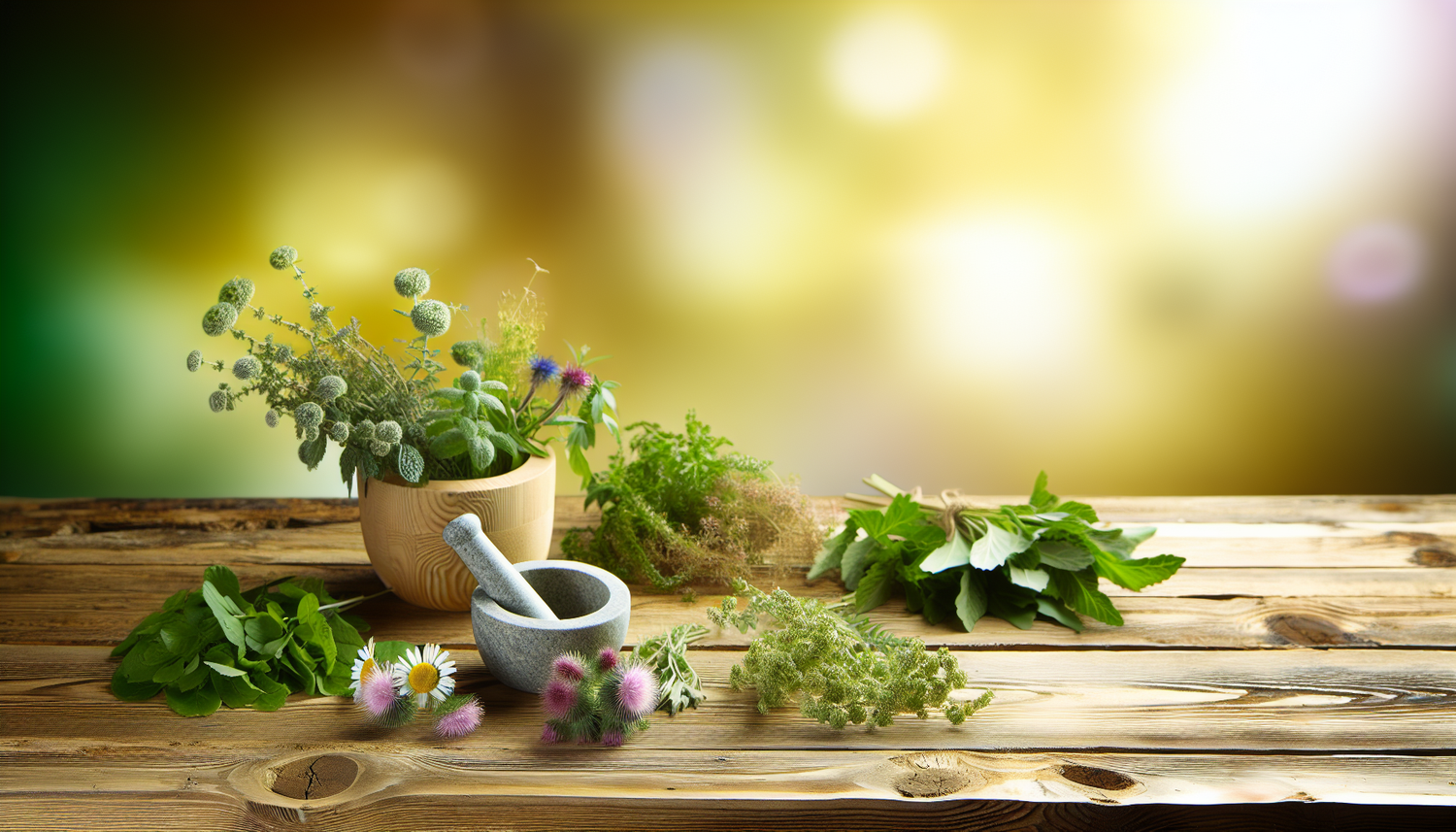
Zur traditionellen Begleitung der Gallengesundheit empfahl Hildegard verschiedene Heilpflanzen, die in ihrer Lehre sowohl körperlich als auch emotional ausgleichend wirken sollten. Der Wermut nahm dabei eine Sonderstellung ein. Sie bezeichnete ihn als "wichtigstes Kraut" und schrieb ihm eine besondere Kraft zu, die Galle zu beruhigen und gleichzeitig die Verdauung zu begleiten. Wermut wird seit Jahrhunderten traditionell geschätzt und war in der mittelalterlichen Heilkunde bekannt.
Die Schafgarbe war ein weiteres wichtiges Kraut in Hildegards Repertoire. Sie wird seit Jahrhunderten geschätzt für ihre ausgleichenden Eigenschaften und war in der traditionellen Anwendung bei emotionalen Belastungen bekannt. Hildegard empfahl sie besonders Menschen, die zu cholerischem Temperament neigten und schnell "aufbrausten". Die BitterKraft Original schmeckenden Substanzen in der Schafgarbe waren traditionell für ihre bittere Eigenschaft geschätzt.
Auch die Mariendistel spielte in Hildegards Heilkunde eine wichtige Rolle. Sie wird seit Jahrhunderten traditionell verwendet und war bereits in der Antike bekannt. Besonders nach emotionalen Belastungen oder "schwer verdaulichen" Situationen wurde diese Pflanze traditionell geschätzt. Die Hildegard von Bingen Produkte Medizin nutzte oft Pflanzenkombinationen, um sowohl die körperlichen als auch die seelischen Aspekte nach ihrer Lehre zu adressieren.
Praktische Anwendung: Emotionale Balance nach Hildegards Lehre
Um Hildegards Weisheit im Alltag zu verstehen, ist es wichtig, sowohl die emotionale als auch die körperliche Ebene zu betrachten. Regelmäßige Entspannungsübungen, Meditation oder auch einfache Atemtechniken gehörten zu den traditionellen Methoden des Stressabbaus. Hildegard selbst lehrte das bewusste Loslassen negativer Gedanken als wichtigen Baustein ihrer Gesundheitslehre.
Die Ernährung spielte in Hildegards System ebenfalls eine wichtige Rolle. Bittere Kräuter und Gemüse waren in der traditionellen Ernährungslehre geschätzt und bildeten einen wichtigen Bestandteil der mittelalterlichen Küche. Tees aus Wermut oder Schafgarbe werden seit Jahrhunderten traditionell verwendet und waren bereits zu Hildegards Zeiten für ihren charakteristischen Geschmack bekannt. Wichtig war dabei nach ihrer Lehre immer eine individuelle Abstimmung auf die persönlichen Bedürfnisse.
Besonders wertvoll ist Hildegards ganzheitlicher Ansatz: Sie betrachtete nie nur das Symptom, sondern immer den ganzen Menschen mit seinen Emotionen, Gewohnheiten und Lebensumständen. Diese Sichtweise kann auch heute noch inspirieren, achtsamer mit sich selbst umzugehen und die Signale des Körpers ernst zu nehmen. Die Verbindung von traditioneller Naturheilkunde und emotionaler Gesundheit zeigt, wie zeitlos ihre Erkenntnisse sind.


Hinterlasse einen Kommentar
Diese Website ist durch hCaptcha geschützt und es gelten die allgemeinen Geschäftsbedingungen und Datenschutzbestimmungen von hCaptcha.