

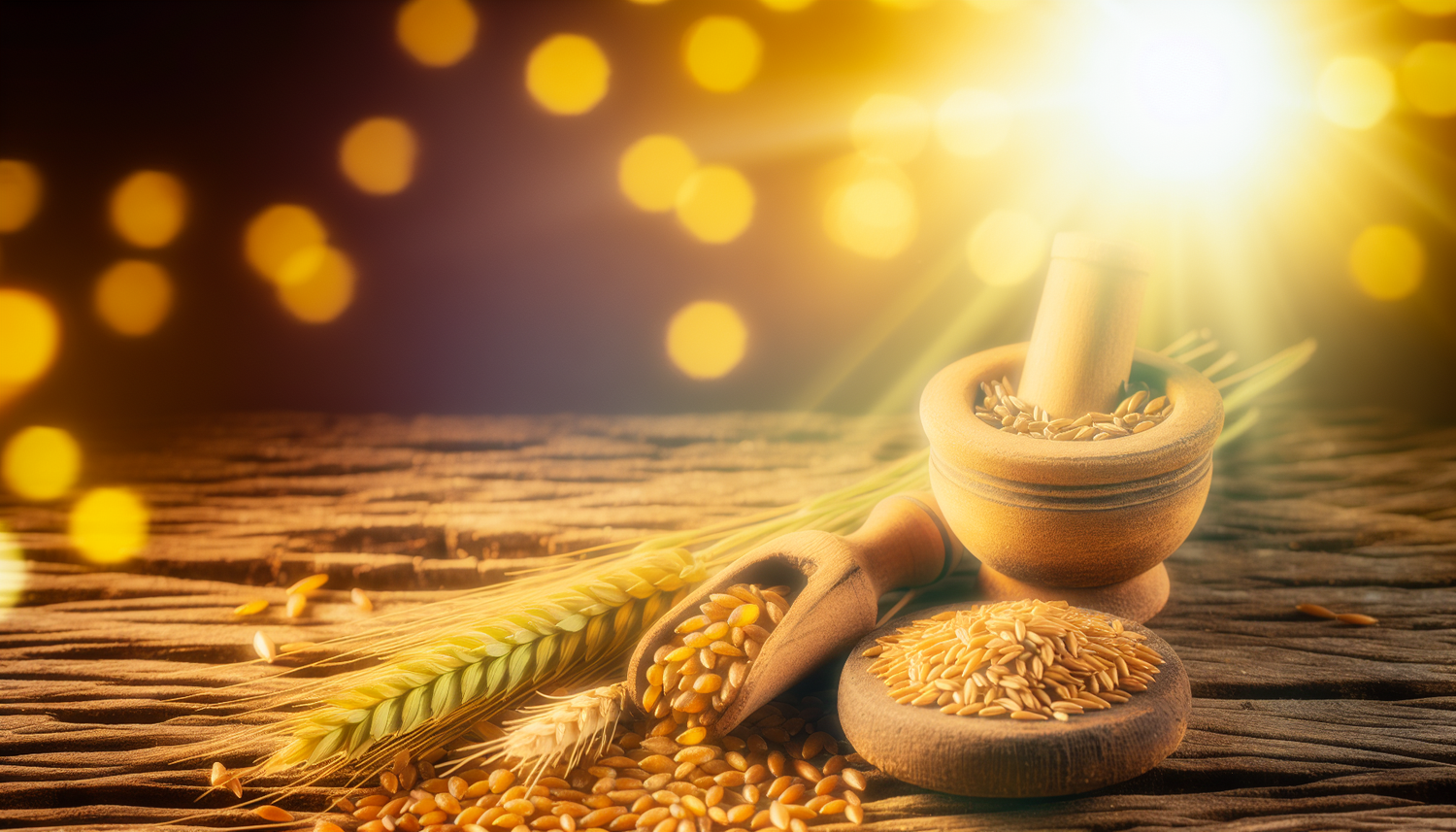
Dinkel gilt seit Jahrhunderten als eines der wertvollsten Getreide der Welt. Bereits die große Äbtissin Hildegard von Bingen pries im 12. Jahrhundert die außergewöhnlichen Eigenschaften dieses ursprünglichen Korns und bezeichnete es als "das beste Getreide". In ihren Schriften beschreibt sie Dinkel als Grundlage für körperliches Wohlbefinden und geistige Klarheit. Doch was macht dieses alte Getreide so besonders, und warum erlebt es heute eine Renaissance in der modernen Naturheilkunde?
Hildegards Weisheit: Dinkel als Königin der Getreide
In der Hildegard von Bingen Produkte Tradition nimmt Dinkel eine herausragende Stellung ein. Die heilige Hildegard schrieb: "Dinkel ist das beste Getreide, es wirkt wärmend und fettend, ist hochwertig und gelinder als alle anderen Getreidekörner." Diese Einschätzung basierte auf ihren jahrhundertelangen Beobachtungen und ihrer intuitiven Verbindung zur Natur.
Nach Hildegards Lehre wird Dinkel traditionell als wertvoll für das allgemeine Wohlbefinden betrachtet und seit Jahrhunderten zur Stärkung von Körper und Geist verwendet. Sie betrachtete es als so wertvoll, dass sie empfahl, es täglich zu verzehren. Besonders geschätzt wurde die ausgleichende Wirkung des Dinkels, die sowohl bei körperlicher Schwäche als auch bei geistiger Erschöpfung traditionell angewendet wurde.
Die mittelalterliche Äbtissin erkannte bereits damals, dass Dinkel traditionell als besonders wertvoll betrachtet wurde. Ihre Beobachtungen decken sich erstaunlich mit modernen ernährungswissenschaftlichen Erkenntnissen, die die hohe Bioverfügbarkeit der Nährstoffe im Dinkel bestätigen.
Die besonderen Inhaltsstoffe des Dinkels
Dinkel zeichnet sich durch ein außergewöhnlich ausgewogenes Nährstoffprofil aus. Mit einem Proteingehalt von etwa 15 Prozent übertrifft er deutlich den gewöhnlichen Weizen. Diese Proteine enthalten alle acht essentiellen Aminosäuren in einem optimalen Verhältnis, was den Dinkel zu einer hochwertigen Eiweißquelle macht.
Besonders bemerkenswert ist der hohe Gehalt an B-Vitaminen, insbesondere Vitamin B1, B2 und B6, die traditionell für das Nervensystem verwendet wurden. Magnesium, Phosphor, Eisen und Zink sind weitere wertvolle Mineralstoffe, die den Dinkel zu einem wahren Kraftpaket machen. Diese Kombination wird seit Jahrhunderten für ihre stärkenden Eigenschaften geschätzt.
Ein weiterer Vorzug liegt in den komplexen Kohlenhydraten des Dinkels, die für eine gleichmäßige Energieversorgung sorgen können. Im Gegensatz zu modernen Weizensorten wurde Dinkel kaum züchterisch verändert und bewahrt daher seine ursprünglichen, wertvollen Eigenschaften.
Dinkel für die Verdauung: Sanft und bekömmlich
Die Darm- und Verdauungsprodukte Gesundheit profitiert besonders von den einzigartigen Eigenschaften des Dinkels. Hildegard von Bingen beschrieb ihn als "gelinde" - eine Eigenschaft, die sich in seiner außergewöhnlichen Bekömmlichkeit widerspiegelt. Viele Menschen, die herkömmlichen Weizen schlecht vertragen, können Dinkel oft problemlos genießen.
Die im Dinkel enthaltenen Ballaststoffe werden traditionell zur Förderung einer regelmäßigen Verdauung verwendet. Diese löslichen und unlöslichen Ballaststoffe sind für ihre sanfte Wirkung im Verdauungstrakt bekannt und werden seit Jahrhunderten geschätzt.
Besonders interessant ist, dass Dinkel weniger Gluten enthält als moderner Weizen, und dieses Gluten hat eine andere Struktur. Dies macht ihn für viele Menschen bekömmlicher, auch wenn er nicht glutenfrei ist. Die traditionelle Zubereitung als Dinkelbrei oder -suppe, wie sie Hildegard empfahl, kann die Verdaulichkeit zusätzlich verbessern.
Moderne Anwendung der alten Dinkel-Weisheit
In der heutigen Zeit gewinnt Dinkel als Alternative zu modernen Getreidesorten immer mehr an Bedeutung. Ernährungsbewusste Menschen schätzen seine natürliche Ursprünglichkeit und die Tatsache, dass er weniger industriell bearbeitet wurde als andere Getreidearten. Dies macht ihn zu einem wertvollen Baustein einer naturnahen Ernährung.
Dinkel lässt sich vielseitig in der Küche verwenden - von Brot und Nudeln bis hin zu Suppen und Breien, wie sie bereits Hildegard empfahl. Besonders der traditionelle Dinkelkaffee erfreut sich wachsender Beliebtheit als koffeinfreie Alternative zum herkömmlichen Kaffee. Auch beim Fasten-Produkte wird Dinkel häufig als erste feste Nahrung nach der Fastenzeit verwendet, da er den Organismus sanft wieder an die Nahrungsaufnahme gewöhnen kann.
Die Kombination aus traditionellem Wissen und modernen Erkenntnissen macht Dinkel zu einem wertvollen Begleiter für alle, die ihre Ernährung natürlicher gestalten möchten. Wer nach Hildegards Vorbild lebt und sich für die alle Bitterkraft Produkte Schätze der Naturheilkunde interessiert, findet im Dinkel einen treuen Verbündeten für das tägliche Wohlbefinden.
So bleibt Hildegards Weisheit auch heute aktuell: Dinkel ist mehr als nur ein Getreide - er ist ein Geschenk der Natur, das traditionell zur Stärkung von Körper und Geist geschätzt wird.


Hinterlasse einen Kommentar
Diese Website ist durch hCaptcha geschützt und es gelten die allgemeinen Geschäftsbedingungen und Datenschutzbestimmungen von hCaptcha.