

In einer Zeit, in der Erschöpfung beinahe als Statussymbol gilt und Ruhe oft mit Faulheit verwechselt wird, klingt Hildegard von Bingens Lehre wie eine sanfte, aber bestimmte Mahnung aus einer anderen Welt. Die mittelalterliche Äbtissin, Naturforscherin und Mystikerin, die im 12. Jahrhundert im Rheinland lebte und wirkte, kannte keine Smartphones, keinen Schichtdienst und keinen digitalen Dauerstress – und dennoch beschrieb sie Zustände, die uns heute vertraut klingen: innere Unruhe, körperliche Erschöpfung, ein Geist, der nicht zur Ruhe kommt. Ihre ganzheitliche Weltsicht, die Körper, Seele und Geist als untrennbare Einheit betrachtete, bietet auch im 21. Jahrhundert erstaunlich zeitgemäße Perspektiven – gerade für all jene, die nach natürlichen Wegen suchen, um wieder in ihre Mitte zu finden. Hildegard von Bingen Produkte
Was Hildegard unter Stress verstand – eine mittelalterliche Diagnose
Hildegard von Bingen kannte den Begriff „Stress" selbstverständlich nicht – dieser stammt aus der modernen Physiologie des 20. Jahrhunderts. Was sie jedoch beschrieb, trifft den Kern dessen, was wir heute darunter verstehen: eine Störung der inneren Balance, die sie in ihrer Lehre als Verlust der „Viriditas" bezeichnete. Viriditas – die „Grünkraft" oder Lebenskraft – war für Hildegard das zentrale Prinzip, das alles Lebendige durchdringt und erhält. Wenn diese Kraft durch äußere Belastungen, innere Aufruhr oder mangelnde Erholung schwindet, beginnt der Mensch zu welken, ähnlich wie eine Pflanze ohne Wasser.
In ihrem Hauptwerk „Causae et Curae" beschreibt Hildegard Zustände, die wir heute als stressbedingte Beschwerden kennen würden: Schlaflosigkeit, Antriebslosigkeit, ein von Sorgen geplagter Geist, körperliche Schwere und ein allgemeines Gefühl der Leere. Sie sah diese Zustände nicht als isolierte körperliche Symptome, sondern als Ausdruck eines tieferen Ungleichgewichts – eines Lebens, das sich zu weit von der natürlichen Ordnung entfernt hatte. Dabei spielten für sie drei Faktoren eine zentrale Rolle: die Qualität der Nahrung, die Pflege des inneren Lebens und vor allem: die bewusste Praxis der Ruhe.
Besonders aufschlussreich ist Hildegards Konzept der „Melancholie", das sie nicht rein psychologisch, sondern als körperlich-seelisches Phänomen betrachtete. Chronische Überbelastung, übermäßige Grübelei und der Verlust von Freude gehörten für sie zusammen – sie beschrieb, wie ein von innerer Unruhe geprägtes Leben die natürlichen Säfte des Körpers aus dem Gleichgewicht bringt und das allgemeine Wohlbefinden beeinträchtigt. Diese Verknüpfung von psychischer und körperlicher Ebene gilt heute als Grundprinzip der modernen Psychosomatik – und Hildegard formulierte sie vor fast 900 Jahren.
„Ein Mensch, der seine Seele nicht pflegt, ist wie ein Baum ohne Wurzeln – er mag eine Zeit lang stehen, doch der erste Sturm wirft ihn um." – sinngemäß nach Hildegard von Bingen, Causae et Curae (12. Jh.)
Hildegard von Bingen betrachtete innere Unruhe und chronische Erschöpfung als Ausdruck eines verlorenen Gleichgewichts – nicht als Zeichen von Schwäche, sondern als Botschaft des Körpers, die gehört werden will.
Die Kunst der Ruhe: Wie Hildegard Erholung als Heilmittel verstand
Für Hildegard war Ruhe kein passiver Zustand, kein bloßes Nichtstun. Ruhe war eine aktive, bewusste Handlung – eine Form der Selbstpflege, die sie als ebenso wichtig erachtete wie Nahrung und Bewegung. In ihrem klösterlichen Alltag war die Abwechslung von Arbeit, Gebet, Stille und gemeinschaftlichem Leben fest verankert. Dieses Wechselspiel entsprach ihrer Überzeugung, dass der Mensch Rhythmus braucht: Anspannung und Entspannung, Aktivität und Ruhe, soziale Einbindung und Rückzug. Wer diesen Rhythmus dauerhaft stört, riskiert das Versiegen der Viriditas.
Besonders betonte Hildegard die Bedeutung des Schlafes. Für sie war nächtlicher Schlaf keine verlorene Zeit, sondern eine Phase tiefer Regeneration – sowohl für Körper als auch für Geist und Seele. Sie empfahl, vor Mitternacht zu schlafen und mit dem natürlichen Licht aufzuwachen, und sie warnte vor einem Leben, das die nächtliche Ruhe zugunsten von Arbeit oder Zerstreuung opfert. Schlaf- und Entspannungsprodukte Wer die Nacht nicht ehrt, so könnte man ihre Lehre zusammenfassen, beraubt sich seiner tiefsten Heilungsressource.
Darüber hinaus schätzte Hildegard die bewusste Stille als Raum für innere Einkehr. Meditation, wie wir sie heute kennen, war nicht Teil ihrer Terminologie – aber das, was sie als kontemplativen Rückzug beschrieb, kommt dem sehr nahe. Regelmäßige Momente der Stille, in denen der Geist weder planen noch urteilen noch beschäftigt sein muss, galten ihr als Voraussetzung für das Erhalten der seelischen Gesundheit. In der modernen Stressforschung würde man diesen Zustand als „Aktivierung des parasympathischen Nervensystems" bezeichnen – Hildegard nannte es schlicht: die Rückkehr zu sich selbst.
Ruhe war für Hildegard von Bingen kein Luxus, sondern eine Notwendigkeit – sie betrachtete ausreichenden Schlaf und bewusste Stille als fundamentale Säulen eines gesunden Lebens.
Hildegards Kräuter gegen innere Unruhe – traditionelles Pflanzenwissen der Klostermedizin
Hildegard von Bingen war nicht nur Mystikerin und Theologin – sie war auch eine außergewöhnlich kenntnisreiche Kräuterkundige. Ihr Werk „Physica" enthält detaillierte Beschreibungen von Heilpflanzen, Steinen, Tieren und Metallen, die sie aus eigener Beobachtung, aus klösterlicher Überlieferung und aus einer für ihre Zeit außergewöhnlichen Synthese von Wissen und Intuition zusammenstellte. Viele der Pflanzen, die sie empfahl, werden in der Naturheilkunde bis heute traditionell genutzt und sind seit Jahrhunderten Teil des europäischen Kräuterwissens. Hildegard von Bingen Produkte
Für Zustände innerer Unruhe, Überarbeitung und allgemeiner Erschöpfung nannte Hildegard eine Reihe von Pflanzen, die sie als besonders wertvoll erachtete. Ihr Ansatz war dabei stets ganzheitlich: Sie empfahl Kräuter nicht isoliert, sondern als Teil einer Lebensweise, die Ernährung, Schlaf, Bewegung und seelische Pflege gleichermaßen berücksichtigt. Die Pflanze war für sie ein Geschenk der Natur, das dem Menschen dient – aber nur dann wirklich entfalten kann, was in ihr steckt, wenn der Mensch auch seinen Teil tut.
Besonders interessant ist Hildegards Affinität zu bitteren Pflanzen. In ihrer Lehre spielten Bittermittel eine wichtige Rolle: Sie galten als Pflanzen, die den Menschen „reinigen" und das innere Feuer wieder entfachen – Konzepte, die sich mit der traditionellen Verwendung von Bitterstoffen in der europäischen Klostermedizin decken. Bitterkräuter wurden in Klöstern seit dem frühen Mittelalter als allgemeines Stärkungsmittel geschätzt und finden sich in zahllosen historischen Rezepturen. BitterKraft Original
Was steckt hinter Hildegards Kräuterwissen?
Hildegards Pflanzenempfehlungen entstanden nicht im Vakuum – sie fußten auf einer jahrhundertealten Klostermedizin-Tradition, die antikes Wissen (u.a. von Dioskurides und Galen) mit heimischem Kräuterwissen verknüpfte. Viele ihrer Empfehlungen wurden über Generationen weitergegeben und sind bis heute in der europäischen Volksmedizin und Naturheilkunde lebendig. Die traditionelle Verwendung dieser Pflanzen ist kulturhistorisch gut belegt – sie gehören zum Erbe europäischer Heilkunde.
Diese Heilkräuter wurden in der Klostermedizin bei innerer Unruhe und Erschöpfung traditionell geschätzt:
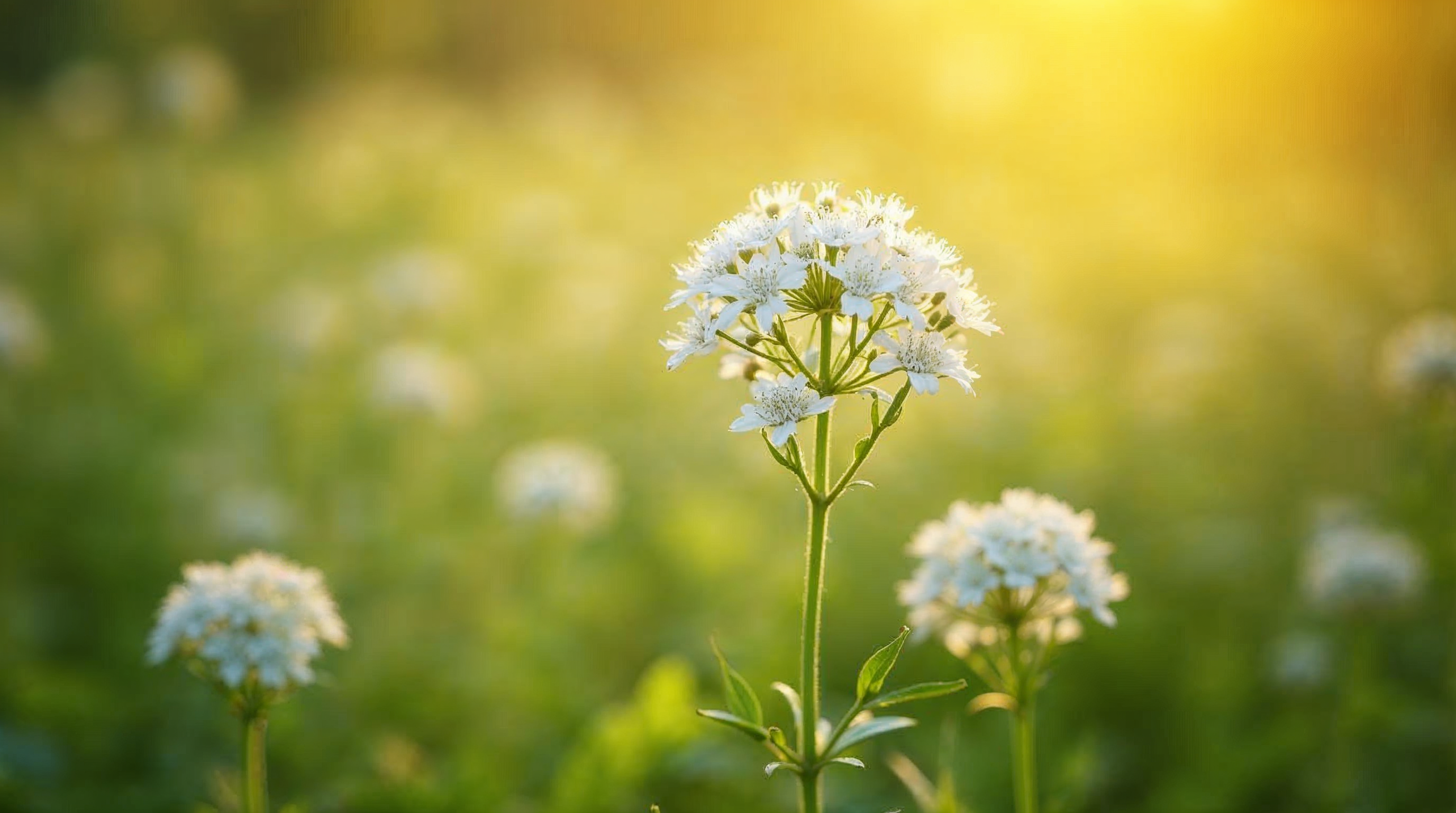
- Baldrian (Valeriana officinalis): Seit Jahrhunderten traditionell bekannt und in der europäischen Klostermedizin geschätzt – Hildegard beschrieb die Pflanze als nützlich bei Unruhezuständen. Wird bis heute traditionell verwendet und gilt als Teil des europäischen Kräutererbes.
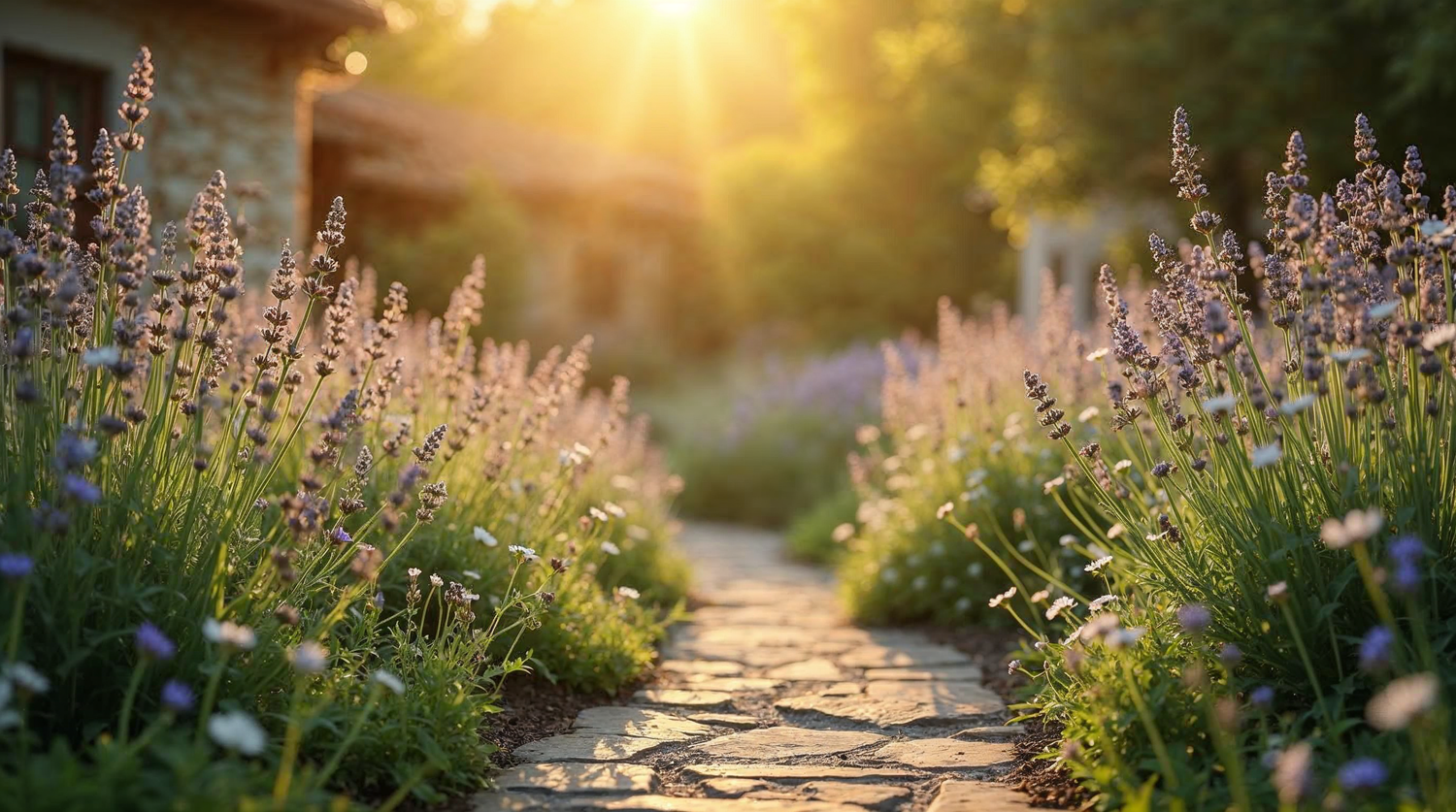
- Lavendel (Lavandula angustifolia): In mittelalterlichen Klostergärten weit verbreitet und historisch mit dem Wohlbefinden der Mönche und Nonnen verbunden. Hildegard schätzte seinen aromatischen Charakter und empfahl ihn zur allgemeinen Pflege von Geist und Sinnen.
- Hopfen (Humulus lupulus): Seit dem Mittelalter in Klöstern kultiviert – zunächst für die Bierherstellung, aber auch als Heilpflanze bekannt. Traditionell in der Klostermedizin bei Schlaflosigkeit und innerer Unruhe geschätzt.
- Melisse (Melissa officinalis): Eine der beliebtesten Klosterpflanzen überhaupt – Hildegard beschrieb sie als besonders wertvoll für das Gemüt. Seit Jahrhunderten traditionell bei Nervosität und Unruhezuständen in der europäischen Kräutermedizin verwendet.
- Kamille (Matricaria chamomilla): In Hildegards „Physica" erwähnt und seit der Antike als Heilpflanze geschätzt. Traditionell ein fester Bestandteil der europäischen Klostermedizin, der bis heute als Symbol naturnaher Heilkunde gilt.
- Galgantwurzel (Alpinia officinarum): Hildegards persönliches Lieblingskraut – sie empfahl es für eine Vielzahl von Beschwerden und schätzte es als allgemeines Stärkungsmittel. Traditionell als wärmendes und belebendes Kraut in der mittelalterlichen Klostermedizin verwendet. Hildegard von Bingen Produkte
Alltagspraktiken nach Hildegard – Ruhe und Rhythmus bewusst leben
Hildegards Lehre ist keine Theorie, die man liest und dann vergisst – sie ist eine Einladung zur gelebten Praxis. Und das Schöne daran: Viele ihrer Empfehlungen lassen sich ohne großen Aufwand in den modernen Alltag integrieren. Es geht nicht darum, das Leben komplett umzukrempeln, sondern darum, dem Tagesrhythmus wieder Struktur und Bewusstsein zu geben – und der Ruhe den Platz einzuräumen, den sie verdient.
Ein zentraler Aspekt in Hildegards Alltagslehre ist die Bedeutung fester Tageszeiten. Sie empfahl, Mahlzeiten, Arbeit, Erholung und Schlaf an natürliche Rhythmen zu knüpfen – an den Wechsel von Licht und Dunkel, von Jahreszeiten und körperlichen Bedürfnissen. Wer heute über Chronobiologie spricht, beschreibt im Kern dasselbe: dass unser Körper innere Uhren hat, die nach äußeren Rhythmen verlangen. Wer gegen diese Uhren lebt, zahlt einen Preis – in Form von Erschöpfung, Stimmungsschwankungen und vermindertem allgemeinen Wohlbefinden. Schlaf- und Entspannungsprodukte
Hildegard empfahl außerdem Bewegung in der Natur als wesentlichen Ausgleich zur geistigen Arbeit. Spaziergänge – am besten in Gärten oder im Wald – galten ihr als Mittel, die Lebensgeister wieder zu wecken und den Geist zu klären. Auch hier deckt sich ihre Intuition mit modernen Erkenntnissen: Naturaufenthalte werden seit Jahren in der internationalen Gesundheitsforschung im Kontext des allgemeinen Wohlbefindens untersucht. Für Hildegard war die Natur schlicht der Ort, an dem der Mensch sich selbst wiederfindet – weil er selbst Teil davon ist.
Historische Quellen belegen, dass Klostergärten im Mittelalter nicht nur der Nahrungsproduktion dienten, sondern bewusst als Orte der Erholung und inneren Einkehr gestaltet wurden. Hildegard von Bingen beschrieb den Klostergarten als einen Raum, in dem Leib und Seele gleichermaßen genährt werden – ein frühes Konzept der therapeutischen Naturerfahrung. (Vgl. Strehlow/Hertzka: „Große Hildegard-Apotheke", 1998)
Schließlich spielte in Hildegards Alltag auch die Gemeinschaft eine wesentliche Rolle. Isolation und soziale Vereinsamung galten ihr als Nährboden für Melancholie und innere Erschöpfung. Das gemeinsame Mahl, das Gespräch, das gemeinsame Singen – all das waren für sie nicht nur angenehme Gewohnheiten, sondern notwendige Nahrungsquellen für die Seele. Auch das ist eine Botschaft, die in einer Zeit, in der Einsamkeit zu einem der zentralen Gesundheitsthemen geworden ist, nichts von ihrer Aktualität verloren hat.
Hildegards Alltagsphilosophie lässt sich auf einen einfachen Nenner bringen: Wer Rhythmus, Natur, Gemeinschaft und bewusste Ruhe in seinen Alltag integriert, legt die Grundlage für ein dauerhaft ausgeglichenes Wohlbefinden.
Hildegards Erbe heute – warum ihre Weisheit aktueller ist denn je
Es ist kein Zufall, dass Hildegard von Bingen in den letzten Jahrzehnten eine Renaissance erlebt hat. In einer Welt, die schneller, lauter und vernetzter geworden ist als jemals zuvor, suchen immer mehr Menschen nach Ankern – nach Weisheit, die nicht aus einer App kommt, sondern aus gelebter Erfahrung und tiefer Naturverbundenheit. Hildegards Werk bietet genau das: eine ganzheitliche, erdgebundene Lebensphilosophie, die den Menschen nicht als Maschine betrachtet, die optimiert werden muss, sondern als lebendiges Wesen, das Pflege, Rhythmus und Liebe braucht. Hildegard von Bingen Produkte
Besonders ihr Verständnis von Stress und Ruhe trifft einen Nerv: die Erkenntnis, dass Erschöpfung kein persönliches Versagen ist, sondern ein Signal – ein Ruf der Natur, zurückzukehren. Diese Perspektive ist nicht nur ermutigend, sie ist auch befreiend. Statt sich für Müdigkeit zu schämen, kann man sie als Information lesen: als Hinweis, dass etwas aus dem Gleichgewicht geraten ist und wieder in Ordnung gebracht werden will. Nicht durch noch mehr Disziplin, sondern durch bewusstes Innehalten. Durch Kräuter, Stille, Schlaf und Natur. Fasten-Produkte
Wer sich von Hildegards Gedankenwelt inspirieren lassen möchte, muss kein Klosterleben führen. Es beginnt im Kleinen: eine Tasse Kräutertee am Morgen, ein Spaziergang ohne Smartphone, ein bewusstes Abendessen ohne Bildschirm, eine feste Schlafenszeit, die wirklich eingehalten wird. Diese kleinen Rituale – das ist Hildegards eigentliche Botschaft – sind keine Opfer. Sie sind Geschenke, die wir uns selbst machen. Und vielleicht ist das der tiefste Gedanke, den diese Frau aus dem 12. Jahrhundert uns hinterlassen hat: dass Selbstfürsorge keine Schwäche ist, sondern die Voraussetzung für alles andere.
Hildegards Ansatz als tägliches Ritual:
In der modernen Naturheilkunde wird Hildegards ganzheitlicher Ansatz oft als Orientierungsrahmen genutzt – nicht als starre Vorschrift, sondern als Einladung. Wer traditionelle Kräuter in seinen Alltag integriert, bewusste Ruhepausen einplant und den natürlichen Rhythmen von Licht und Jahreszeit folgt, folgt im Grunde einer Weisheit, die seit Jahrhunderten in europäischen Klöstern gelebt wurde. Das Ziel ist keine Perfektion, sondern ein Leben, das sich wieder stimmig anfühlt.
Die Klostermedizin, zu deren bedeutendsten Vertreterinnen Hildegard von Bingen zählt, ist kein Museum. Sie ist ein lebendiges Erbe, das weitergetragen, angepasst und neu interpretiert werden will – von Menschen, die erkannt haben, dass die Antworten auf viele moderne Fragen manchmal sehr alt sein können. Wer Hildegards Schriften heute liest, begegnet keiner weltfremden Mystikerin, sondern einer Frau von außergewöhnlicher Beobachtungsgabe, Klugheit und Menschlichkeit. Einer Frau, die uns erinnert: Ruhe ist keine Pause vom Leben. Ruhe ist ein Teil des Lebens. Vielleicht sogar der wichtigste.

Hinterlasse einen Kommentar
Diese Website ist durch hCaptcha geschützt und es gelten die allgemeinen Geschäftsbedingungen und Datenschutzbestimmungen von hCaptcha.