
Hildegard von Bingen – Äbtissin, Mystikerin und eine der bedeutendsten Heilerinnen des Mittelalters – hinterließ uns ein Wissen, das bis heute fasziniert und inspiriert. Ihr Fastenverständnis war weit mehr als bloßer Nahrungsverzicht: Es war ein rhythmisches, ganzheitliches Konzept, das sich an den Jahreszeiten, dem Kirchenkalender und dem natürlichen Gleichgewicht des menschlichen Körpers orientierte. Wer sich heute für Naturheilkunde und traditionelles Heilwissen interessiert, stößt unweigerlich auf ihre Schriften – und entdeckt darin einen Fastenkalender, der überraschend modern wirkt.
Was Hildegard von Bingen unter Fasten verstand
Für Hildegard von Bingen war Fasten kein Selbstzweck und keine Strafe für den Körper. In ihrem Hauptwerk „Physica" sowie in der „Causae et Curae" beschrieb sie das Fasten als eine Form der inneren Ordnung – eine bewusste Hinwendung zu Mäßigung und Klarheit. Sie verstand den Menschen als Einheit aus Körper, Geist und Seele, und das Fasten sollte alle drei Ebenen ansprechen. Wer fastete, sollte nicht erschöpft, sondern erneuert aus dieser Zeit hervorgehen.
Besonders bemerkenswert ist Hildegards Differenzierung zwischen verschiedenen Fastenformen. Sie unterschied zwischen dem kirchlichen Pflichtfasten – etwa in der Fastenzeit vor Ostern oder an Quatembertagen – und dem freiwilligen, maßvollen Fasten, das sie als persönliche Reinigung empfahl. Dabei betonte sie stets: Wer krank, geschwächt oder sehr jung ist, sollte nicht fasten oder zumindest sehr behutsam vorgehen. Das Fasten war für sie ein Mittel der Stärkung, nicht der Schwächung.
In der klösterlichen Tradition, aus der Hildegard stammte, war das Fasten tief im Alltag verwurzelt. Benediktinische Regeln bestimmten Fasttage und Essenszeiten mit großer Präzision. Hildegard übernahm diesen Rahmen, ergänzte ihn jedoch durch ihr profundes Wissen über Kräuter, Gewürze und Nahrungsmittel. So entstanden Fastenempfehlungen, die nicht nur spirituelle, sondern auch sehr praktische und naturheilkundliche Dimensionen hatten – und die bis heute in der Hildegard von Bingen Produkte-Heilkunde als Vorbild gelten.
„Wer fastet, soll dies mit Vernunft tun, denn ein schwacher Mensch, der sich durch zu hartes Fasten erschöpft, schadet seiner Seele mehr, als er ihr nützt." – Hildegard von Bingen, Causae et Curae (sinngemäß übersetzt)
Der Hildegard-Fastenkalender: Die wichtigsten Fastenzeiten im Jahr
Hildegard von Bingen orientierte ihren Fastenkalender eng am liturgischen Jahr der mittelalterlichen Kirche. Dabei identifizierte sie vier besondere Fastenperioden, die mit den sogenannten Quatembertagen zusammenfielen: je eine Fastenwoche im Frühling, Sommer, Herbst und Winter. Diese vierteilige Rhythmisierung entsprach in ihrer Vorstellung dem natürlichen Wechsel der Jahreszeiten und dem Gleichgewicht der vier Säfte im Körper – ein Konzept, das sie aus der antiken Humoralpathologie übernahm und eigenständig weiterentwickelte.
Hildegard empfahl vier Fastenperioden im Jahr – jeweils abgestimmt auf die Jahreszeiten und den kirchlichen Kalender. Diese Rhythmisierung gilt als eines der ältesten dokumentierten Konzepte saisonalen Fastens in der europäischen Heilkunde.
Das Frühjahrsfasten fiel traditionell in die Fastenzeit vor Ostern und galt Hildegard als besonders wichtig. Der Winter hatte den Körper belastet, schwere Speisen und Wärme hatten ihren Tribut gefordert – das Frühjahrsfasten sollte dieses Gleichgewicht wiederherstellen. Das Sommerfasten, weniger streng in der Regel, fiel rund um das Fest der Apostel Petrus und Paulus. Das Herbstfasten orientierte sich an den Kreuzerhöhungstagen im September, und das Winterfasten fand in der Adventszeit seinen Platz.
Neben diesen vier Hauptperioden gab es bei Hildegard auch den Verweis auf Wochenfasttage – Mittwoch und Freitag waren in der klösterlichen Praxis traditionell Fasttage. Sie empfahl, diese Tage nicht durch totalen Nahrungsverzicht zu begehen, sondern durch bewusste Einschränkung: weniger Fleisch, weniger Üppigkeit, dafür mehr Stille und einfache, nährende Kräuterspeisen. Das Fasten-Produkte im Sinne Hildegards war damit ein ganzjähriger, lebendiger Rhythmus – kein isoliertes Ereignis.
Die vier Hildegard-Fastenzeiten im Überblick:
🌱 Frühjahrsfasten: Aschermittwoch bis Ostern – die bekannteste und intensivste Fastenzeit, traditionell 40 Tage.
☀️ Sommerfasten: Rund um den 29. Juni (Petrus und Paulus) – leichteres, reinigendes Fasten zur Jahresmitte.
🍂 Herbstfasten: Rund um den 14. September (Kreuzerhöhung) – Vorbereitung auf die dunkle Jahreszeit.
❄️ Winterfasten: Adventszeit – besinnliches Fasten zur inneren Einkehr vor Weihnachten.
Hildegards Kräuter und Speisen beim Fasten: Was erlaubt war und was nicht
Hildegard von Bingen war eine leidenschaftliche Kräuterkundige. Ihre Schriften enthalten detaillierte Beschreibungen von über 230 Pflanzen und deren traditionellen Anwendungen. Beim Fasten spielte das Kräuterwissen eine besondere Rolle: Bestimmte Pflanzen galten als besonders geeignet, um den fastenden Körper zu stärken und die Zeit der Enthaltsamkeit angenehmer und erträglicher zu gestalten. Dabei waren ihre Empfehlungen stets von einer tiefen Kenntnis der pflanzlichen Eigenschaften geprägt.
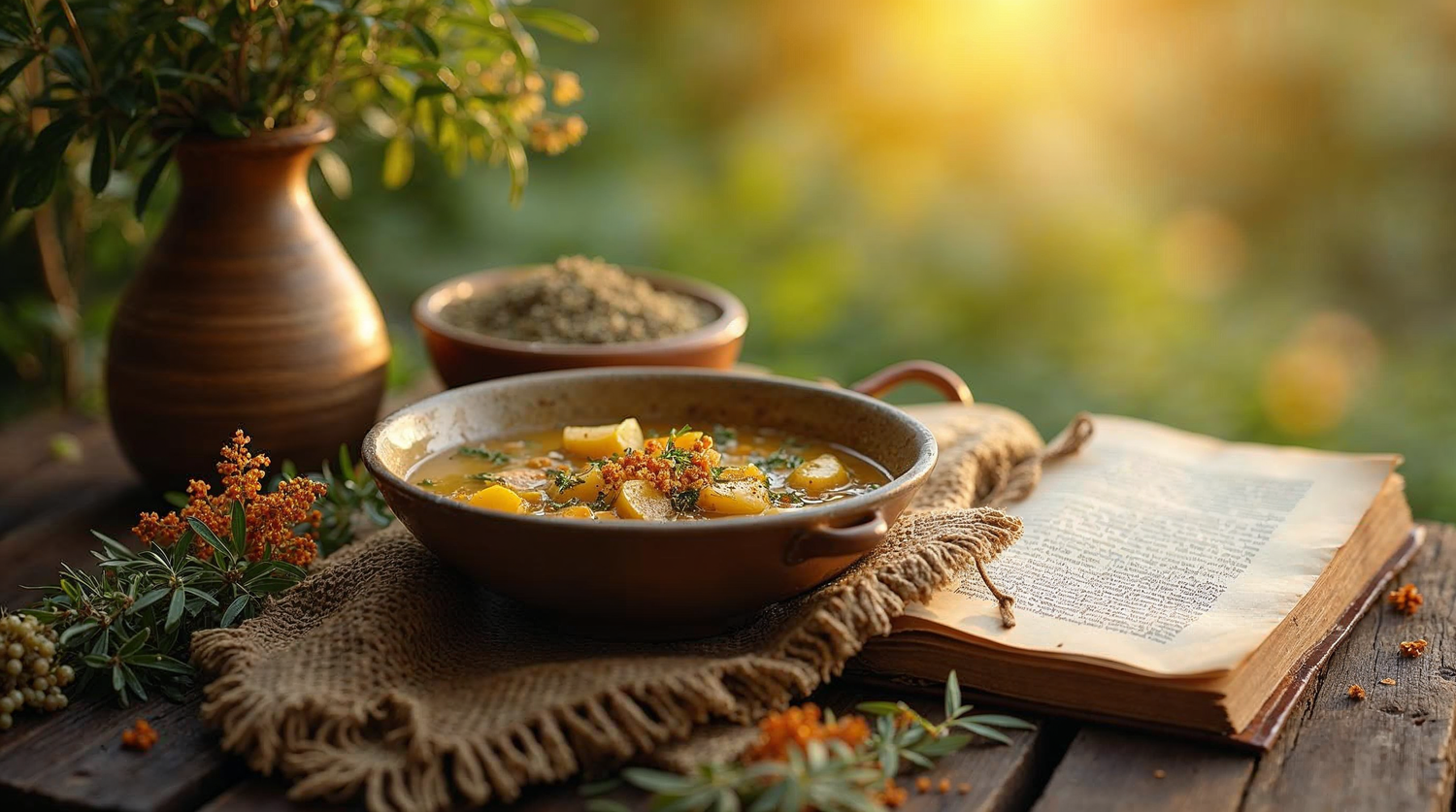
Dinkel war das Getreide, das Hildegard über alle anderen stellte – und das galt besonders in der Fastenzeit. Dinkelsuppen, Dinkelcracker (in der Hildegard-Tradition bekannt als „Dinkelfladen") und leichte Dinkelbrei-Gerichte bildeten die Basis des Fastenkostplans. Dazu kamen frische Kräuter: Fenchel, den Hildegard als besonders wärmend und wohltuend beschrieb, sowie Bertram (Anacyclus pyrethrum), eine im Mittelalter weitverbreitete Gewürzpflanze, die als eine der liebsten Pflanzen Hildegards gilt. Auch BitterKraft Originalstoffe-reiche Kräuter wurden in Form von Kräutertees und einfachen Würzsuden verwendet.
Verboten oder zumindest streng eingeschränkt waren in der Fastenzeit nach Hildegard-Tradition: Fleisch (besonders schweres rotes Fleisch), Fett in großen Mengen, Rohkost (Hildegard schätzte rohes Gemüse generell skeptisch ein), und was sie als „schlechte Speisen" bezeichnete – darunter fielen Erdbeeren, Pfirsiche und bestimmte Fische. Diese Einschränkungen klingen für heutige Ohren ungewöhnlich, hatten aber ihren Hintergrund in der mittelalterlichen Säftelehre und Hildegards eigener Beobachtungsgabe.
Diese Hildegard-Kräuter wurden traditionell beim Fasten geschätzt:
- Fenchel (Foeniculum vulgare): Hildegard bezeichnete Fenchel als eine ihrer wichtigsten Pflanzen. Er wird seit Jahrhunderten traditionell als wohltuendes Küchen- und Heilkraut verwendet und war in der Klosterküche bei Fastenmahlzeiten sehr geschätzt.
- Bertram (Anacyclus pyrethrum): Diese im Mittelalter weitverbreitete Gewürzpflanze galt Hildegard als besonders wertvoll. Historisch wurde Bertram als wärmendes Würzkraut in Fastensuppen und -breien verwendet.
- Lavendel (Lavandula angustifolia): In der Klostermedizin wurde Lavendel traditionell nicht nur äußerlich, sondern auch als milder Tee in Fastenzeiten genutzt – zur inneren Ruhe und Besinnung.
- Wermut (Artemisia absinthium): Wermut ist eines der bekanntesten BitterKraft Originalkräuter der europäischen Naturheilkunde und wurde historisch in der Klostermedizin als Teil von Fastenkuren geschätzt.
- Herzgespann (Leonurus cardiaca): In Hildegards Schriften und der mittelalterlichen Klosterheilkunde war Herzgespann als traditionelles Heilkraut bekannt, das in ruhigen Fastenzeiten als Tee Verwendung fand.
- Galgantwurzel (Alpinia officinarum): Galgant war eine von Hildegards Lieblingspflanzen. Als würzige Wurzel wurde sie historisch zum Würzen von Fastenbrühen und -suppen verwendet und ist eng mit der Hildegard-Tradition verbunden.
Besonders hervorgehoben sei der Galgantwurzel ein eigener Hinweis gewidmet: In der Hildegard-Küche gehörte Galgant zur unverzichtbaren Würzgrundlage. Hildegard soll ihn als „Gewürz des Herzens" bezeichnet haben – ein Ausdruck, der sowohl seine kulinarische als auch seine symbolische Bedeutung in der klösterlichen Tradition unterstreicht. Wer heute die Hildegard von Bingen Produkte-Küche ausprobiert, begegnet diesem ungewöhnlichen Gewürz immer wieder.
Das Hildegard-Fasten heute: Wie sich die Tradition modern leben lässt
Das Wissen Hildegard von Bingens erlebt seit den 1970er Jahren eine Renaissance – ausgelöst unter anderem durch den deutschen Arzt Gottfried Hertzka, der Hildegards Schriften für eine breitere Öffentlichkeit zugänglich machte. Seitdem hat sich eine lebendige Gemeinschaft von Praktizierenden entwickelt, die das Hildegard-Fasten als festen Bestandteil ihres Jahresrhythmus leben. Die gute Nachricht: Die grundlegenden Prinzipien lassen sich auch ohne tiefes Fachwissen in den modernen Alltag integrieren.
Das Hildegard-Fasten ist kein starres Regelwerk, sondern ein lebendiger Rhythmus – wer es modern interpretiert, kann mit einfachen Mitteln beginnen: einem Fastentag pro Woche, einer Dinkelsuppen-Woche im Herbst oder einem bewussten Kräutertee-Ritual morgens.
Ein erster Einstieg könnte der Freitagsfastentag sein – ein Konzept, das in der Hildegard-Tradition tief verwurzelt ist. An diesem Tag werden schwere Mahlzeiten durch leichte Dinkelspeisen, Gemüsebrühen und Kräutertees ersetzt. Wer diesen Rhythmus über mehrere Wochen beibehält, berichtet häufig von einer wachsenden Bewusstheit für Ernährung und Körpergefühl. Auch das vierteilige Jahresfasten lässt sich adaptieren: Ein Wochenende im März, im Juni, im September und im Dezember bewusst leichter zu essen, ohne auf Vollständigkeit zu verzichten, entspricht dem Geist der Hildegard-Tradition.
Wichtig ist dabei die Haltung: Hildegard-Fasten ist kein Diät-Programm. Es geht nicht um Kalorienzählen oder schnelle Gewichtsveränderungen. Es geht um Bewusstheit, Rhythmus und die Verbindung mit dem natürlichen Jahreskreis. Dazu gehören auch kleine Rituale: morgens ein Tee aus BitterKraft Originalkräutern, mittags eine warme Dinkelsuppe mit Galgant und Fenchel, abends eine stille Stunde ohne Bildschirm. Das Fasten im Sinne Hildegards ist damit auch eine Einladung zur Entschleunigung – etwas, das in der heutigen Zeit vielleicht wichtiger ist denn je.
Gottfried Hertzka und Wighard Strehlow, die bekanntesten modernen Vermittler der Hildegard-Medizin, beschreiben das Hildegard-Fasten in ihren Werken als „biologisches Fasten" – eine Form der Ernährungsumstellung, die den Körper traditionell nährt, statt ihn zu belasten. Ihre Rezeptsammlungen und Fastenprogramme orientieren sich eng an Hildegards Originalschriften und sind bis heute als Einführungswerke in die Hildegard-Küche populär.
Begleitende Rituale und Kräuteranwendungen für die Fastenzeit
Fasten war für Hildegard von Bingen niemals nur eine Angelegenheit des Magens. Sie beschrieb es als einen Zustand der gesamten Person – Körper, Seele und Geist sollten gemeinsam in eine Art Stille eintreten. Deshalb gehörten zu ihren Fastenempfehlungen auch Praktiken, die wir heute als begleitende Rituale bezeichnen würden: Gebet und Meditation, bewusste Stille, Spaziergänge in der Natur und das Schreiben – Hildegard selbst war eine prolische Schreiberin und sah das Aufzeichnen von Gedanken und Visionen als spirituelle Praxis.
Kräuteranwendungen spielten eine wichtige ergänzende Rolle. Hildegard empfahl beispielsweise Kräuterbäder als begleitende Maßnahme in der Fastenzeit – warme Bäder mit Lavendel oder Melisse galten als wohltuend für den Geist. Auch Kräutersäckchen, die unter das Kopfkissen gelegt wurden, fanden Erwähnung. Diese äußerlichen Anwendungen ergänzten das innere Fasten und schufen eine Atmosphäre der Fürsorge und Achtsamkeit. Wer heute Schlaf- und Entspannungsprodukte und Regeneration als Teil seiner Fastenzeit begreift, ist ganz im Sinne Hildegards unterwegs.
Hildegard sah Schlaf und Ruhe als untrennbaren Teil des Fastens – wer fastet, sollte auch mehr schlafen, weniger arbeiten und die Stille bewusst suchen. Diese ganzheitliche Sichtweise unterscheidet das Hildegard-Fasten grundlegend von modernen Diätkonzepten.
Für Frauen hat das Hildegard-Fasten noch eine besondere Dimension: Hildegard selbst war eine Frau in einer von Männern dominierten Welt und schrieb mit bemerkenswerter Sensibilität über weibliche Gesundheit und Körperrhythmen. Sie empfahl Frauen, die Fastenzeiten am individuellen Zyklus auszurichten und in schwächeren Phasen eher zu mildem Fasten überzugehen als zu strengen Regeln. Dieser Ansatz findet sich in modernen Produkte für Frauengesundheit-Gesundheitskonzepten wieder, die ebenfalls zyklische Ernährungsrhythmen betonen.
Begleitende Kräuter und Naturmittel für die Hildegard-Fastenzeit:
- Melisse (Melissa officinalis): Historisch in Klostergärten kultiviert und als beruhigender Tee in Fastenzeiten traditionell verwendet. In der Hildegard-Tradition wird Melisse mit innerer Ruhe und Besinnung verbunden.
- Schafgarbe (Achillea millefolium): Seit Jahrhunderten in der europäischen Klostermedizin bekannt. Als Tee in Fastenzeiten war Schafgarbe traditionell eine häufige Begleitpflanze in der Hildegard-Praxis.
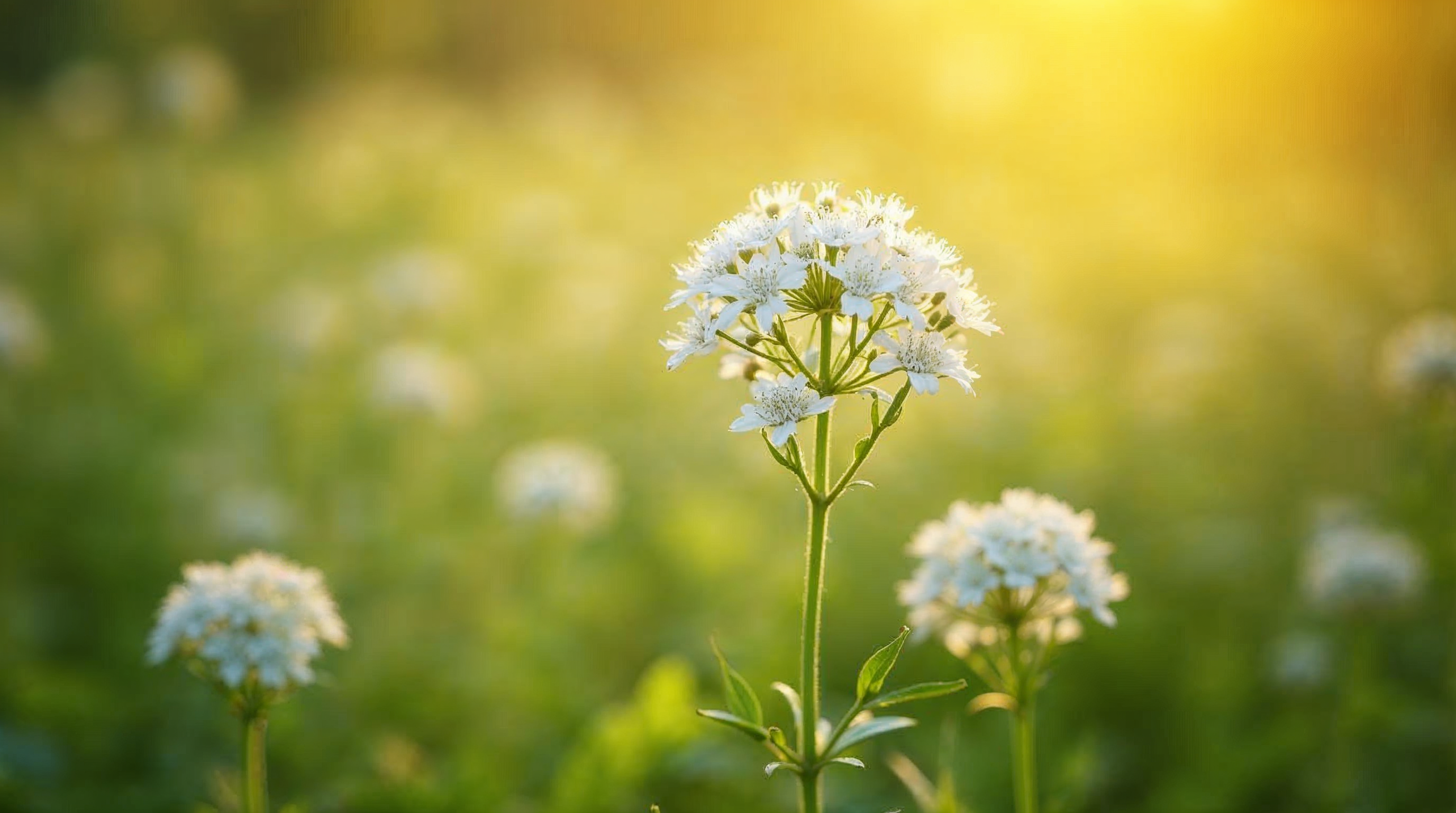
- Eisenkraut (Verbena officinalis): In mittelalterlichen Kräuterbüchern vielfach erwähnt. Wurde historisch als Tee und in Kräuterbädern während Fastenperioden genutzt.
- Galgant (Alpinia officinarum): Hildegards Universalgewürz – als Würze in Fastenbrühen und -suppen gehört Galgant zur Hildegard-Küche wie kaum eine andere Zutat. Heute im Fachhandel als Pulver erhältlich.
- Petersilie (Petroselinum crispum): Hildegard schätzte Petersilie als Küchen- und Heilkraut. In der Fastenküche wurde sie traditionell zum Würzen von Suppen und Brühen verwendet.
Wer das Hildegard-Fasten als ganzheitliche Praxis erleben möchte, ist gut beraten, sich zunächst mit den Originalquellen zu beschäftigen – oder mit den modernen Aufbereitungen durch erfahrene Hildegard-Praktiker. Die Verbindung aus Ernährungsbewusstheit, Kräuterwissen, Stille und Rhythmus ergibt ein Konzept, das in seiner Tiefe und Differenziertheit bis heute beeindruckt. Auf Hildegard von Bingen Produkte finden sich weitere Informationen zu Produkten und Wissen rund um die Hildegard-Tradition.
Abschließend lässt sich sagen: Hildegard von Bingen hat uns kein starres Fastenprogramm hinterlassen, sondern eine Haltung. Eine Haltung der Achtsamkeit gegenüber dem eigenen Körper, dem Jahresrhythmus und der Natur als Heilerin. Ihr Fastenkalender ist dabei weniger ein Regelwerk als eine Einladung – die Einladung, innezuhalten, zu lauschen und dem natürlichen Rhythmus des Lebens ein wenig mehr zu vertrauen. In einer Zeit, in der Hektik und Überfluss allgegenwärtig sind, ist diese Einladung vielleicht wertvoller denn je.

Hinterlasse einen Kommentar
Diese Website ist durch hCaptcha geschützt und es gelten die allgemeinen Geschäftsbedingungen und Datenschutzbestimmungen von hCaptcha.