

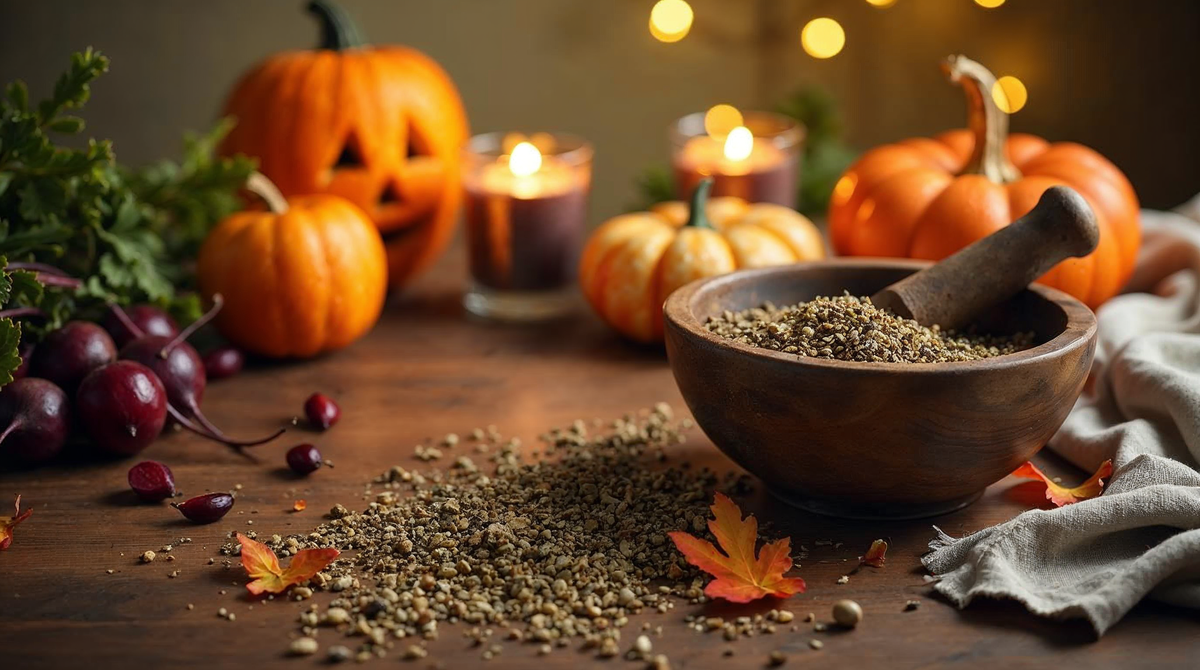
Wenn die Tage kürzer werden, das Laub sich golden färbt und die Luft nach Erde und Regen riecht, schickt uns die Natur eine stille Einladung: Inne halten, loslassen, neu beginnen. Der Herbst ist seit jeher eine Zeit des Übergangs – und genau deshalb galt er in der mittelalterlichen Klostermedizin als idealer Zeitpunkt, um Körper und Geist behutsam zu reinigen. Hildegard von Bingen, die visionäre Äbtissin und Naturheilerin des 12. Jahrhunderts, beschrieb den Herbst als jene Jahreszeit, in der der Mensch besonders von den Kräften der Erde zehren und sich auf den Winter vorbereiten solle. Ihr Wissen – überliefert in Werken wie Physica und Causae et Curae – bildet bis heute eine faszinierende Brücke zwischen überliefertem Pflanzenwissen und modernem Wohlbefinden. Der folgende 7-Tage-Plan lädt dich ein, dieses Erbe auf deine eigene Art zu erleben. Hildegard von Bingen Produkte
Warum der Herbst der ideale Zeitpunkt für eine Stoffwechselkur ist
In der Naturheilkunde wird das Jahr oft in Rhythmen gedacht – ähnlich wie die Jahresringe eines Baumes. Frühling und Herbst gelten als die klassischen Übergangszeiten, in denen der Organismus ohnehin in einer Art natürlicher Umbauphase steckt. Der Körper stellt sich auf veränderte Licht- und Temperaturverhältnisse ein, das Immunsystem bereitet sich auf die kalte Jahreszeit vor, und viele Menschen berichten intuitiv von einem Bedürfnis nach Wärme, Ruhe und einfacherer Kost. Genau in diese Dynamik fügt sich eine traditionelle Detox-Woche harmonisch ein – nicht als radikaler Eingriff, sondern als sanfte Begleitung eines Prozesses, der ohnehin stattfindet.
Hildegard von Bingen verstand den menschlichen Körper als Teil eines größeren Naturkreislaufs. In ihrer Weltsicht waren die vier Elemente – Erde, Wasser, Feuer und Luft – auch im Menschen wirksam, verkörpert durch die vier Säfte (Humores). Der Herbst, als Jahreszeit der Erde und der Trockenheit, sei eine Zeit, in der sich „schlechte Säfte" besonders leicht ansammeln könnten, wenn man nicht gegensteuere. Ihr Rat: Bitterkräuter, wärmende Gewürze und einfache, vollwertige Kost helfen dem Körper dabei, diese Übergangsphase gut zu meistern. Diese Sichtweise mag archaisch klingen, doch sie deckt sich erstaunlich gut mit dem, was traditionelle Heilsysteme weltweit – von der Ayurvedischen Medizin bis zur Traditionellen Chinesischen Medizin – für denselben Zeitraum empfehlen.
Der Herbst ist nach Hildegards Überlieferung die wichtigste Jahreszeit für eine behutsame innere Reinigung – weil Körper und Natur ohnehin im Umbruch sind und sich dieser Rhythmus gezielt nutzen lässt.
Ein weiterer Aspekt, der den Herbst besonders geeignet macht, ist die jahreszeitliche Kost: Kürbis, Rote Beete, Äpfel, Birnen, Walnüsse, Pastinaken und dunkles Blattgemüse sind jetzt in bester Qualität verfügbar. Diese Lebensmittel bringen von Natur aus jene Bitterstoffe, Mineralstoffe und sekundären Pflanzenstoffe mit, die in der Hildegard-Medizin traditionell hochgeschätzt wurden. Eine Detox-Woche im Herbst bedeutet also nicht Mangel, sondern Fülle – die Fülle der Saison. BitterKraft Original
Die wichtigsten Hildegard-Kräuter für deine Detox-Woche
Hildegard von Bingen beschrieb in ihrer Physica Hunderte von Heilpflanzen und Nahrungsmitteln, denen sie jeweils besondere Eigenschaften zuschrieb. Für die Übergangszeit Herbst empfahl sie vor allem wärmende, bitterstoffenthaltende und aromatische Pflanzen – Gewächse, die seit Jahrhunderten in der europäischen Klostermedizin zur Unterstützung von Wohlbefinden und innerer Reinigung verwendet werden. Die gute Nachricht: Viele dieser Pflanzen sind heute noch erhältlich, als Tee, Tinktur, Pulver oder in Form hochwertiger Nahrungsergänzungsmittel.
„Wermut ist warm und trocken und hat eine starke Kraft in sich. Er reinigt den Menschen inwendig von schlechten Säften." – Hildegard von Bingen, Physica (12. Jahrhundert), übersetzt nach Prischl-Maier
Besonders interessant ist, dass Hildegard Bitterkräuter nicht nur als Hausmittel beschrieb, sondern als fundamentalen Teil einer gesunden Lebensführung. Bitterkeit galt ihr als eine der fünf Grundqualitäten der Nahrung und wurde weder gefürchtet noch vermieden – im Gegenteil: Wer regelmäßig Bitteres zu sich nehme, so ihre Überzeugung, halte die natürliche Balance im Inneren aufrecht. Heute weiß man aus der ethnobotanischen Forschung, dass Bitterpflanzen in nahezu allen traditionellen Heilsystemen eine zentrale Rolle spielen – ein kulturhistorisches Muster, das kaum zufällig ist. BitterKraft Original
Diese Hildegard-Kräuter werden traditionell für Herbst-Kuren verwendet:
- Wermut (Artemisia absinthium): Eines der bekanntesten Hildegard-Kräuter überhaupt – wird seit Jahrhunderten traditionell in der Klostermedizin verwendet und gilt als klassisches Bitterkraut des europäischen Kulturraums.
- Engelwurz (Angelica archangelica): Die „Wurzel der Engel" war in mittelalterlichen Klostergärten omnipräsent und wird historisch als wärmendes, stärkendes Herbstkraut beschrieben.
- Fenchel (Foeniculum vulgare): Hildegard lobte Fenchel in höchsten Tönen als „fröhlich machendes" Gewürz und empfahl ihn besonders für die kühlere Jahreszeit – als Tee, Gewürz oder in Suppen.
- Galgantwurzel (Alpinia officinarum): Ein echtes Hildegard-Lieblingskraut: Die aromatische, wärmende Galgantwurzel taucht in ihren Schriften häufiger auf als fast jede andere Pflanze und wird traditionell zur inneren Erwärmung in der kalten Jahreszeit verwendet.
- Mariendistel (Silybum marianum): Zwar vor allem in der Renaissance-Kräutermedizin verbreitet, passt Mariendistel perfekt in eine Hildegard-inspirierte Herbstkur – sie wird seit Jahrhunderten traditionell im Zusammenhang mit dem Wohlbefinden des Stoffwechsels verwendet. Leber-Produkte von Bitterkraft
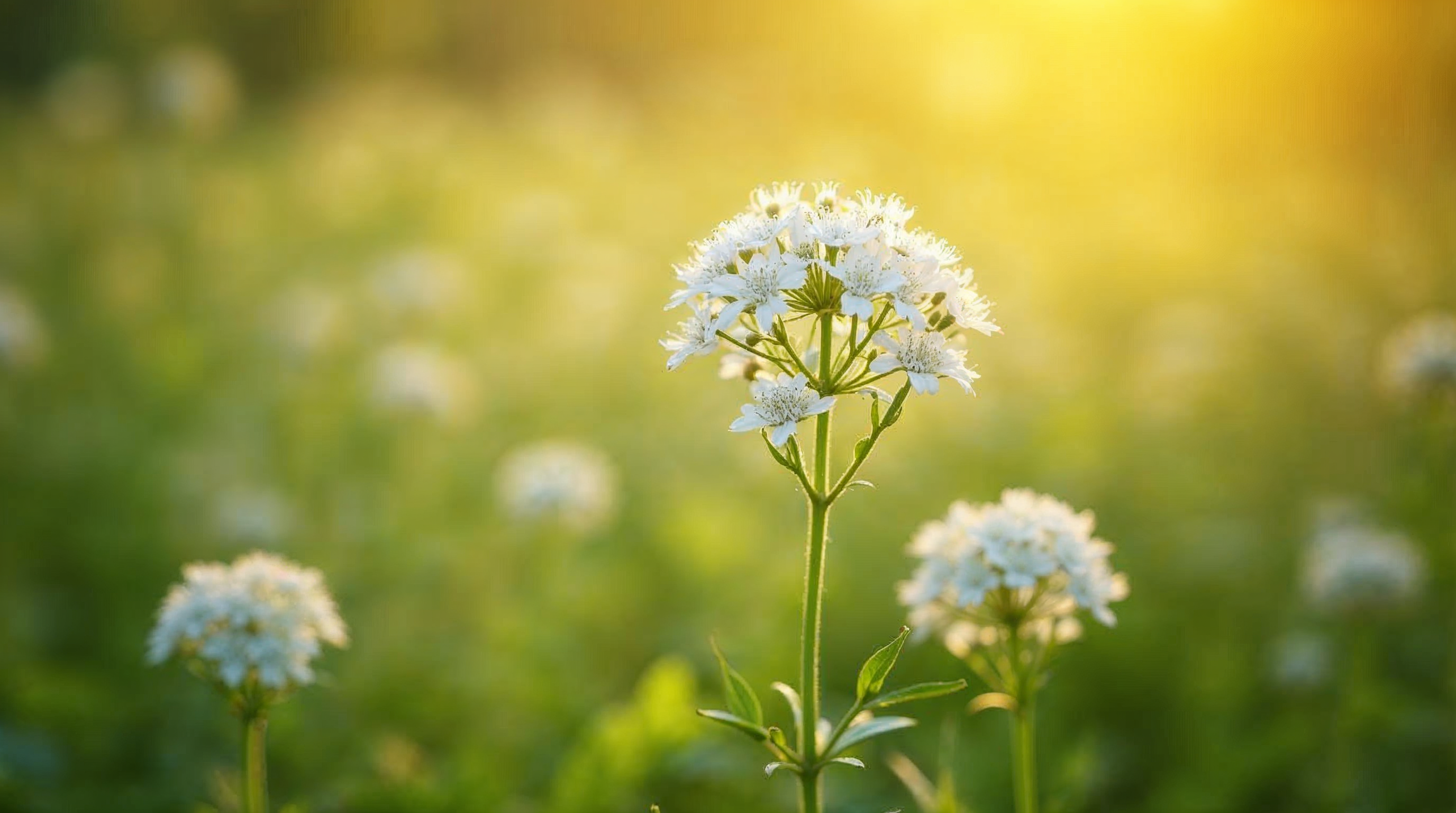
- Schafgarbe (Achillea millefolium): Hildegard schätzte die Schafgarbe als bitteres Klosterkraut, das traditionell im Herbst zur allgemeinen Kräftigung eingesetzt wurde.
- Bertram (Anacyclus pyrethrum): Eine heute weniger bekannte, aber in Hildegards Werk prominent vertretene Heilpflanze, die sie besonders bei Schwäche und Antriebslosigkeit im Herbst empfahl.
Was steckt hinter Hildegards Bitterkräuter-Wissen?
Bitterpflanzen enthalten sogenannte Bitterstoffe (Amarogentin, Absinthin, Lactucopikrin u.a.) – sekundäre Pflanzenstoffe, die der Pflanze selbst als Schutz dienen. In der traditionellen Klostermedizin wurden diese Verbindungen intuitiv genutzt, lange bevor die moderne Phytochemie sie beschrieb. Hildegard kombinierte Bitterkräuter stets mit wärmenden Gewürzen wie Ingwer, Galgant oder Zimt – eine Praxis, die in der modernen Kräuterkunde als „Potenzierung" bezeichnet wird: Die Kombination verschiedener Pflanzeninhaltsstoffe kann das Gesamterlebnis bereichern und das Wohlbefinden ganzheitlich unterstützen. Auf Bitterkraft.com findest du ausgewählte Präparate, die nach diesen Prinzipien zusammengestellt wurden. BitterKraft Original
Der 7-Tage-Hildegard-Detox-Plan: Tag für Tag
Das Schöne an einer traditionellen Kräuterkur nach Hildegard ist ihre Einfachheit. Es braucht keine teuren Apparate, keine exotischen Zutaten und keine radikalen Verbote – nur Achtsamkeit, Rhythmus und die Bereitschaft, sich ein wenig auf die Weisheit der Natur einzulassen. Der folgende Plan ist als Orientierung gedacht und kann individuell angepasst werden. Wer gesundheitliche Beschwerden hat oder Medikamente nimmt, sollte vorab Rücksprache mit einer Fachperson halten. Fasten-Produkte
Die Kur basiert auf drei Säulen, die Hildegard durchgängig in ihren Schriften betonte: Einfache, saisonale Kost (leicht, warm, gut gewürzt), tägliche Kräuterrituale (Tee, Tinktur oder Bittermittel vor den Mahlzeiten) und bewusste Ruhe (früheres Zubettgehen, Spaziergänge in der Natur, Stille). Diese drei Säulen zusammen ergeben mehr als die Summe ihrer Teile – sie schaffen einen Rahmen, in dem sich Wohlbefinden auf ganz natürliche Weise entfalten kann.
Tag 1 – Ankommen & Vorbereiten: Beginne den Plan sanft. Frühstück: warmer Hirsebrei mit Zimt und Birne (Hildegard schätzte Hirse als „das edelste Getreide"). Mittags: Kürbissuppe mit Ingwer und Galgant. Abends: gedünstetes Gemüse mit Dinkel. Kräuterritual: morgens ein Glas warmes Wasser mit einem Spritzer Zitrone und 10 Tropfen eines Bitterkräuter-Extrakts. Ziel des ersten Tages ist es, den Körper sanft in einen ruhigeren Rhythmus zu führen.
Tag 2–3 – Die Bitterstoff-Aktivierung: Nun wird das Kräuterritual intensiviert: ein Bittertee aus Wermut, Schafgarbe und Fenchel, dreimal täglich vor den Mahlzeiten als wärmender Ritualtee. Die Kost bleibt einfach und warm – Suppen, gedünstetes Gemüse, Dinkel, Hirse, Rote Bete. Hildegard empfahl, in dieser Phase auf rohes Gemüse, Alkohol, Kaffee und stark verarbeitete Speisen zu verzichten. Stattdessen: viel stilles Wasser, Kräutertees und wärmende Gewürze.
Tag 4 – Die Mitte der Kur: Der vierte Tag ist traditionell der „Wendepunkt". Viele Menschen berichten, dass sie ab der Mitte einer Fastenkur oder Reinigungswoche eine leichte innere Ruhe und Klarheit wahrnehmen. Heute ist ein guter Tag für einen längeren Spaziergang in der Herbstnatur – Hildegard war überzeugt, dass die „Viriditas", die grüne Lebenskraft der Natur, sich auf den Menschen überträgt, wenn er in bewussten Kontakt mit ihr tritt. Abends: ein wärmendes Bad mit Fichtennadelextrakt oder einem Hildegard-Kräuterbad.
Tag 5–6 – Vertiefen & Loslassen: In den letzten Tagen vor dem Abschluss darf die Kräuterkur etwas intensiver werden. Ergänze deinen Plan um ein Hildegard-typisches Gewürzpräparat – klassischerweise eine Galgantwurzel-Tinktur oder ein Kräuterpulver nach Hildegard-Rezeptur. Die Mahlzeiten bleiben leicht, aber du kannst nun bewusst Nüsse, gutes kaltgepresstes Öl und fermentierte Lebensmittel wie Sauerkraut ergänzen – alles traditionelle Herbstkost, die in der klösterlichen Ernährungslehre ihren festen Platz hatte. Darm- und Verdauungsprodukte
Tag 7 – Abschluss & Integration: Der letzte Tag ist dem bewussten Abschließen gewidmet. Beginne mit einem Morgenritual: Stille, Dankbarkeit, ein Glas warmes Wasser mit Bitterkräutern. Genieße die einfache Kost ein letztes Mal in voller Bewusstheit. Überlege dir, welche Elemente du über die Kur hinaus beibehalten möchtest – vielleicht das tägliche Bitterstoffglas, den Fencheltee am Abend oder die wöchentliche Hirse-Mahlzeit. Hildegard verstand Gesundheit nicht als einmaligen Akt, sondern als tägliche Praxis.
Der Schlüssel zu Hildegards Detox-Philosophie ist nicht Verzicht, sondern bewusste Ergänzung: Bitterkräuter, wärmende Gewürze und saisonale Vollwertkost werden dem Alltag hinzugefügt – nicht als Strafe, sondern als Geschenk an den eigenen Körper.
Ernährung und Alltagsrituale nach Hildegard: Was du die ganze Woche beachten solltest
Jenseits des täglichen Plans gibt es einige übergreifende Prinzipien, die Hildegard von Bingen in ihren Schriften immer wieder betonte und die die Wirkung der Kräuterkur entscheidend unterstützen. Das erste und vielleicht wichtigste ist die Wärme. Hildegard warnte ausdrücklich vor kalten Speisen und Getränken in der Übergangszeit. Eiskaltes Wasser, rohes Obst direkt aus dem Kühlschrank oder schwere, fettige Mahlzeiten – all das störe die natürliche Wärme im Körper, die sie als „lebendiges Feuer" bezeichnete. Warme Suppen, gekochtes Gemüse, heiße Kräutertees und gut gewürzte Speisen hingegen seien der Inbegriff einer herbstlichen Wohlbefindens-Küche.
Das zweite Prinzip ist der Rhythmus. In einer Zeit, in der viele Menschen unregelmäßig essen, spät ins Bett gehen und früh aufstehen, war Hildegards Empfehlung erstaunlich modern: feste Mahlzeiten zu geregelten Zeiten, ein frühes Abendessen (möglichst vor 18 Uhr), ausreichend Schlaf und tägliche Bewegung in frischer Luft. Diese Empfehlungen klingen selbstverständlich – aber wie viele von uns setzen sie tatsächlich um? Eine Detox-Woche ist eine hervorragende Gelegenheit, solche Grundrhythmen neu zu verankern. Schlaf- und Entspannungsprodukte
Das dritte Prinzip ist die Stille. Hildegard lebte in einer klösterlichen Gemeinschaft, in der Schweige-Zeiten, Gebet und Kontemplation zum Tagesrhythmus gehörten. Man muss keine Nonne sein, um dieses Prinzip für sich zu nutzen. Auch kurze tägliche Auszeiten – zehn Minuten stilles Sitzen am Morgen, ein Abendspaziergang ohne Smartphone, bewusstes Essen ohne Bildschirm – können das Wohlbefinden während einer Detox-Woche merklich bereichern. Die innere Stille ist, so Hildegard, der Boden, auf dem jede äußere Kur erst wirklich Früchte tragen kann.
Empfohlene Lebensmittel für die Hildegard-Herbstkur:
Getreide: Dinkel (Hildegards Lieblingsgetreide!), Hirse, Hafer – am besten als warme Porridges oder Suppen.
Gemüse: Kürbis, Pastinake, Rote Bete, Kohlrabi, Grünkohl, Lauch – gedünstet, gegart oder als Suppe.
Früchte: Äpfel und Birnen (leicht gegart, mit Zimt), Quitten, dunkle Trauben (in Maßen).
Gewürze: Galgant, Zimt, Ingwer, Fenchel, Kümmel, Bertram – wärmend und belebend.
Nüsse & Öle: Walnüsse, Haselnüsse, kaltgepresstes Leinöl oder Olivenöl.
Vermeiden: Koffein (oder stark reduzieren), Alkohol, Rohkost (in der Kur-Woche), stark verarbeitete Lebensmittel, zuckerreiche Snacks.
Ein oft übersehener Aspekt von Hildegards Lehre ist ihre Betonung der Freude. Eine gute Kur sollte nicht zur Tortur werden. Wenn der Fencheltee nicht schmeckt, wähle Ingwer. Wenn die Hirse langweilt, probiere eine würzige Kürbissuppe mit Dinkelbrötchen. Die Grundprinzipien dürfen kreativ umgesetzt werden – Hildegard selbst war keine dogmatische Theoretikerin, sondern eine pragmatische Heilerin, die beobachtete, was den Menschen in ihrer Umgebung guttat. Diese Offenheit und Freude am Experimentieren ist ein ebenso wichtiger Teil ihres Erbes wie die Kräuterlisten und Ernährungsregeln. Hildegard von Bingen Produkte
Hildegard von Bingen betonte: Gesundheit ist kein Zustand, der einmal erreicht und dann bewahrt wird – sie ist eine lebendige Praxis, die täglich neu gestaltet werden will. Eine Herbst-Detox-Woche ist der ideale Anlass, diese Praxis (neu) zu beginnen.
Nach der Kur: Wie du den Hildegard-Geist in den Alltag integrierst
Die eigentliche Herausforderung beginnt oft erst nach einer Detox-Woche: Wie lässt sich das, was man erlebt hat, langfristig in einen modernen Alltag integrieren? Hildegard selbst hätte diese Frage vielleicht erstaunt – für sie war die Pflege des eigenen Wohlbefindens keine Frage des Aufwands, sondern des täglichen Bewusstseins. Kleinste Rituale können hier großes bewirken: ein Glas Bitterkräutertee oder ein Schluck Bitterlikör nach dem Mittagessen, eine kleine Flasche Kräutertinktur in der Handtasche, der bewusste Griff zur Gewürzmühle mit Galgant und Zimt statt zur Fertigsauce.
Für alle, die tiefer in Hildegards Kräuterwelt eintauchen möchten, lohnt sich der Blick auf hochwertige Produkte, die nach klösterlicher Überlieferung formuliert wurden. Auf Bitterkraft.com findest du eine kuratierte Auswahl an Bitterkräuter-Präparaten, Hildegard-Kräutern und Stoffwechsel-Unterstützern, die traditionelle Rezepturen mit moderner Qualitätsstandards verbinden. Wichtig dabei: Nahrungsergänzungsmittel sind kein Ersatz für eine ausgewogene Ernährung – sie sind, ganz im Sinne Hildegards, eine Ergänzung, ein „Hinzufügen" auf dem Weg zu mehr Wohlbefinden. alle Bitterkraft Produkte
Abschließend sei noch einmal der vielleicht schönste Gedanke aus Hildegards Werk genannt: Sie nannte die Lebenskraft, die durch alle Dinge strömt – Pflanzen, Tiere, Menschen –, „Viriditas", das Grüne, das Blühende. Diese Kraft ist nicht abstrakt; sie leuchtet in jedem frisch gebrühten Kräutertee, in jedem Bissen goldgelber Kürbissuppe, in jedem Herbstspaziergang im Blätterrauschen. Eine Detox-Woche nach Hildegard ist letztlich eine Einladung, sich diese Kraft wieder bewusst zu machen – und sie als ständige Begleiterin im Alltag willkommen zu heißen. Immunsystem-Produkte
„Der Mensch ist ein Gast auf Erden – und die Erde selbst hält die Heilmittel für ihn bereit." – Sinngemäß nach Hildegard von Bingen, Causae et Curae (12. Jahrhundert)

Hinterlasse einen Kommentar
Diese Website ist durch hCaptcha geschützt und es gelten die allgemeinen Geschäftsbedingungen und Datenschutzbestimmungen von hCaptcha.