





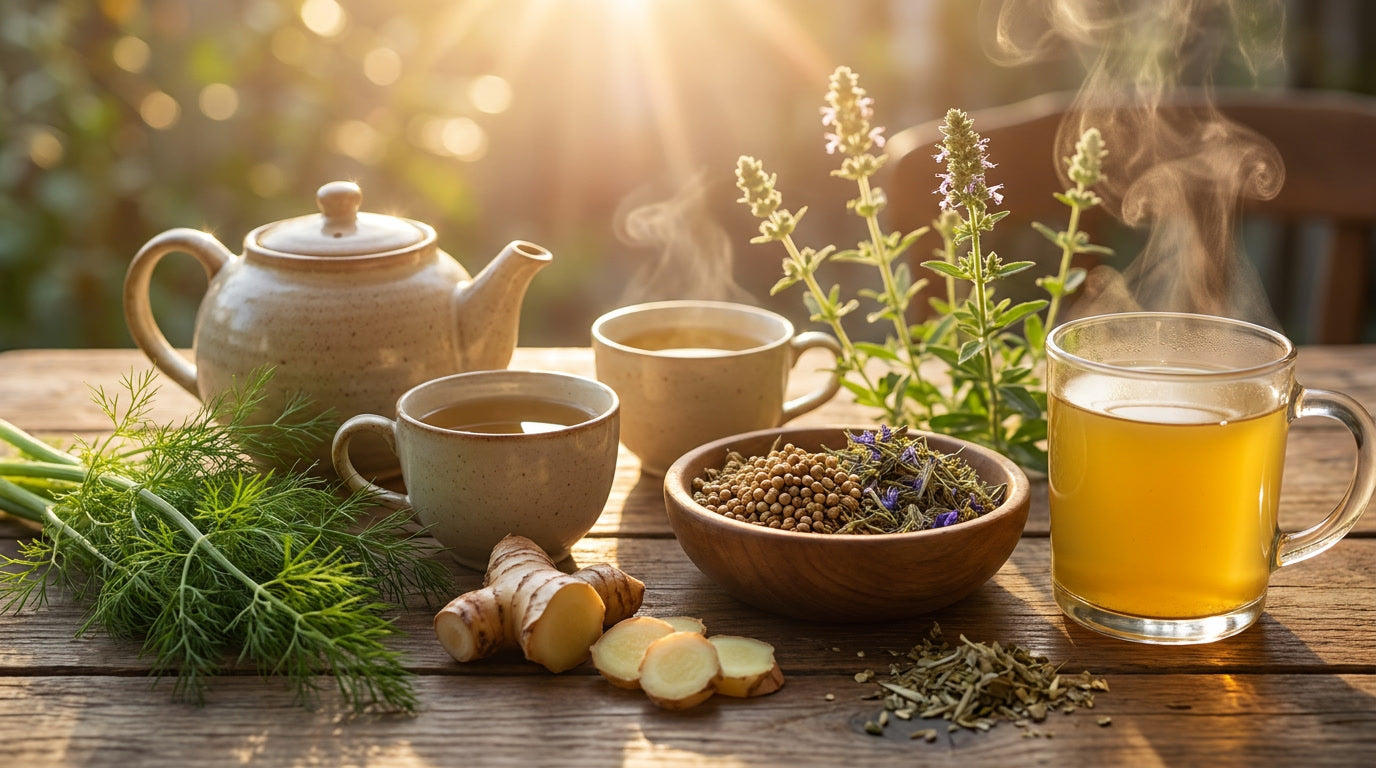
Fasting is one of humanity's oldest practices—and today it is experiencing a remarkable renaissance. Those seeking the right fasting method will sooner or later encounter two very special approaches: the scientifically structured therapeutic fasting according to Otto Buchinger and the Hildegard fasting deeply rooted in medieval monastic medicine. Both methods have loyal followers but differ fundamentally in their philosophy, execution, and spiritual background. This article explores both paths in detail—so you can decide which suits you better.
What is Therapeutic Fasting According to Buchinger—and How Did It Originate?
Otto Buchinger (1878–1966) was a German physician who developed therapeutic fasting from his own painful experience. After suffering from a serious illness and finding no improvement with conventional methods, he began to experiment intensively with fasting. What he experienced convinced him to dedicate his entire medical career to this method. Today, the Buchinger clinics at Lake Constance and in Marbella are world-renowned, and Buchinger fasting is considered one of the best-known medically supervised fasting methods in the German-speaking world—as well as a UNESCO cultural heritage since 2021.
At its core, Buchinger therapeutic fasting is a modified juice fast: during the fasting period—typically seven to forty days—only liquid foods are consumed. These include vegetable broths, freshly pressed fruit and vegetable juices, herbal teas, and small amounts of honey. Caloric intake is about 200 to 500 kilocalories daily. This clear structure is intended to allow the body to draw on its own reserves while simultaneously providing vital nutrients and minerals. Accompanying measures include bowel cleansing through enemas or Glauber's salt, light exercise such as walking, and rest periods.
A key feature of Buchinger fasting is its holistic approach, encompassing physical, emotional, and spiritual dimensions. Buchinger himself described fasting as "an operation without a knife." He understood the fasting process not only as a physiological event but as an opportunity to find inner silence and focus on what truly matters. Meditation, nature experiences, conversations, and creative activities are integral parts of the classic Buchinger program in the clinics.
Otto Buchinger wrote in his work "Das Heilfasten" (1935): "Fasting is nature’s greatest medicine, the oldest and most effective healing method ever discovered by the human mind." – This statement reflects his deep conviction, formulated based on his clinical experiences.
Today, Buchinger fasting is offered in various forms—from outpatient group retreats to inpatient clinic programs. The modern Buchinger-Wilhelmi Clinic also conducts research projects on the metabolic effects of fasting, which receive international attention. For people seeking a clearly structured, medically grounded framework, Buchinger fasting remains the gold standard among fasting methods. Fasting Products
Hildegard Fasting: Monastic Medicine Meets Spiritual Healing Art
Hildegard of Bingen (1098–1179) was a Benedictine nun, mystic, composer—and one of the most important healers of the Middle Ages. She documented her extensive knowledge of natural medicine in works such as "Physica" and "Causae et Curae." These writings still form the basis of Hildegard medicine, which in recent decades has been made accessible to a broad public by Dr. Gottfried Hertzka and later by Wighard Strehlow. Hildegard fasting is not a modern concept—it stems from a millennia-old monastic tradition. Hildegard von Bingen Products
Hildegard fasting places the spiritual dimension at the center from the very beginning. Hildegard saw the human being as a unity of body, soul, and spirit—and fasting as a means to address all three levels simultaneously. The fasting protocol is significantly richer in herbs and more diverse than the Buchinger model. Typical elements include spelt soups and porridges (spelt was considered by Hildegard the noblest of all grains), herbal teas made from fennel, anacyclus (bertram), and galangal, special spice blends, as well as certain wines infused with medicinal herbs. These so-called herbal wines—such as heart wine made from parsley or lavender wine—were traditionally valued in small amounts as accompanying home remedies.
Hildegard’s herbal knowledge is particularly profound. She meticulously distinguished between warming and cooling herbs, between those she called "viriditas"—green life force—and those with more calming effects. In the fasting context, warming, stimulating herbs play a key role: anacyclus (Bertram) has been valued for centuries in the Hildegard tradition as a companion for body and mind. Galangal (Alpinia officinarum), praised by Hildegard as the "spice of spices," and fennel as a soothing everyday herb are fixed components of the Hildegard fasting program.
The Most Important Hildegard Herbs in Fasting at a Glance:
Bertram: Traditionally used in Hildegard medicine for centuries—valued as an "inner warmer," historically used in soups and herbal blends.
Galangal: Called the "spice against all ailments" by Hildegard—aromatic, warming, known since the Middle Ages in monastic kitchens and healing arts.
Fennel: "Fennel makes people cheerful," wrote Hildegard—it is one of the most frequently mentioned herbs in her writings and is appreciated as a gentle everyday companion.
Wormwood: A classic bitter herb of monastic medicine, historically known as part of herbal blends used during fasting periods.
Hildegard fasting is closely linked to the Christian liturgical calendar. Classic fasting periods are the forty-day fast before Easter as well as shorter fasting times before other major church festivals. This embedding in a religious rhythm fundamentally distinguishes Hildegard fasting from the purely health-oriented Buchinger approach. For many practitioners, this spiritual framework is the real added value—the feeling of being part of a living tradition that goes far beyond merely abstaining from food. BitterKraft Original
The Key Differences: Methodology, Nutrition, and Philosophy Compared Directly
The fundamental difference between the two methods lies in their origins: Buchinger is a medically developed, supervised concept of the 20th century—while Hildegard fasting is a spiritual-monastic practice from the Middle Ages based on the transmitted herbal knowledge of a Benedictine nun.
Comparing the specific foods reveals striking differences. Buchinger fasting strictly limits intake to liquids—juices, broths, teas. Solid food is excluded. Hildegard fasting, on the other hand, allows certain solid foods: primarily spelt in the form of porridges, soups, and simple bread. This makes it somewhat more generous in calories and easier for many people to integrate into daily life. On the other hand, Buchinger fasting in its pure form demands stricter discipline, which some describe as a deeper experience.
Another essential difference concerns the integration of herbs. While herbal teas in Buchinger fasting mainly serve as pleasant accompaniments, herbs in Hildegard fasting are an active, meaningful part of the entire concept. Each herb has its own quality, its own "soul" according to Hildegard—and the selection of herbs depends on the individual type of faster, their constitutional disposition, and the season. This deep, symbolically charged herbal knowledge makes Hildegard fasting a unique healing art that goes far beyond mere nutritional science.
Both methods emphasize the connection of body, soul, and spirit—but in different ways: Buchinger anchors this wholeness in a medical program with exercise, rest, and psychological support. Hildegard anchors it in prayer, liturgy, and the spiritual experience of nature as God’s creation.
Regarding supervision: Buchinger fasting is ideally conducted in a clinic or under the supervision of a naturopath or physician. For longer fasting periods of ten days or more, medical supervision is recommended anyway. Hildegard fasting, however—in shorter forms—can often be done independently at home, especially since numerous books and courses by certified Hildegard therapists are available. For both methods, anyone with a pre-existing condition or taking medication should consult a doctor beforehand.
Who Is Each Method Suitable For? An Honest Guide to Choosing
The question "Buchinger or Hildegard?" cannot be answered universally—it depends crucially on personal goals, lifestyle rhythm, and the inner attitude of the faster. It is worth honestly reflecting on what you expect from fasting: Is it primarily a profound physical break? Spiritual retreat? Strengthening a traditional practice? Or a combination of all?
Buchinger fasting is especially recommended for people who appreciate a clearly structured, scientifically grounded framework. Those fasting for the first time and preferring medical supervision will find a Buchinger program well suited. It also offers optimal conditions for people seeking an intensive, profound experience and willing to step away from everyday life for a week or longer. The combination of juice cure, exercise, rest, and psychological support is professionally developed and proven. Gut and Digestion Products
Hildegard fasting, on the other hand, appeals especially to those for whom fasting is not only a physical but a deeply spiritual act. Those who feel connected to Christian mysticism, monastic medicine, or medieval herbal knowledge will find a home in Hildegard fasting. It is also well suited for people who prefer to integrate fasting into everyday life—such as regular, shorter fasting periods aligned with the church calendar. The allowance of spelt porridges and herbal soups makes it more accessible for those who find pure juice fasting too challenging.
Traditional Accompanying Herbs—for Fasting Periods and Beyond:
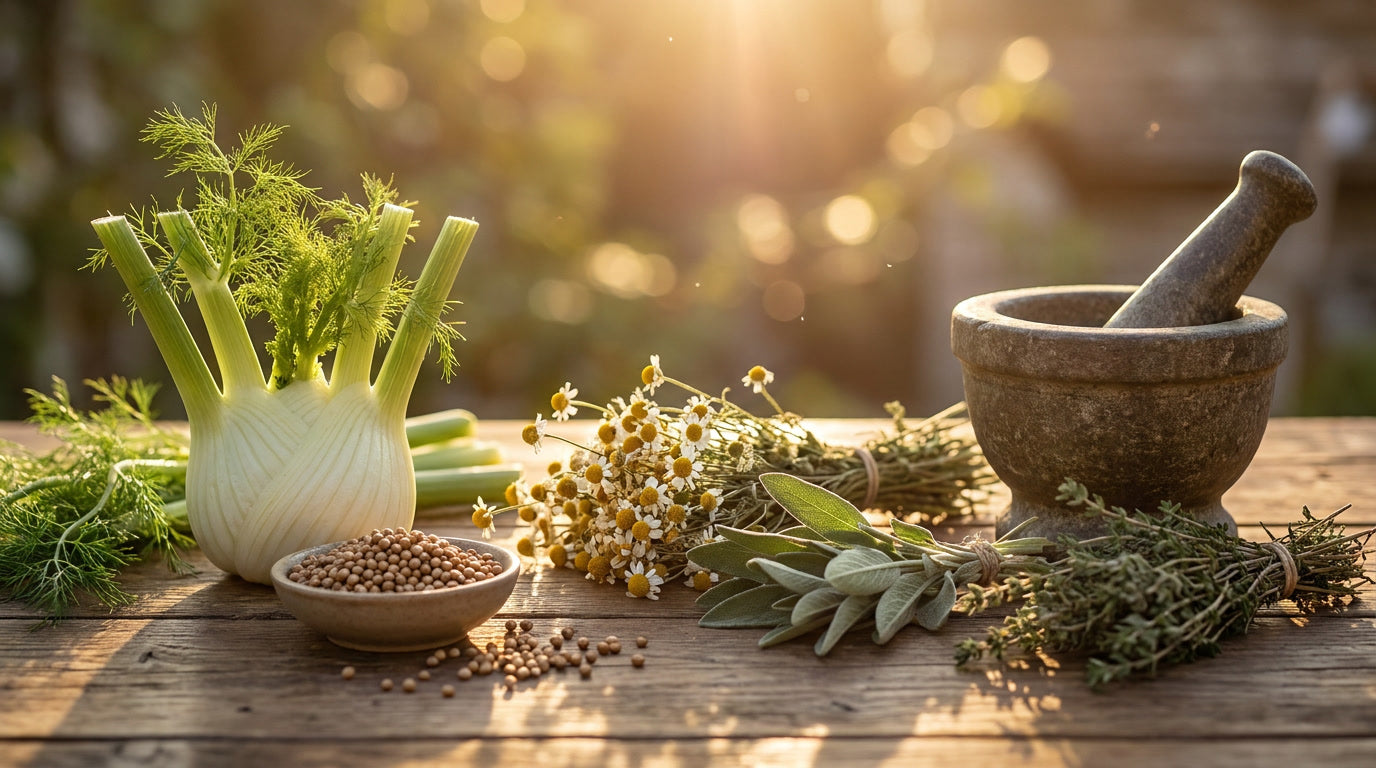
- Fennel: Traditionally valued in monastic medicine for centuries as a gentle everyday herb—used as tea or in soups, historically especially during fasting periods.
- Galangal: Known in the Hildegard tradition since the Middle Ages—warming and aromatic, historically used in spice blends and herbal wines.
- Bertram: Traditionally used in Hildegard medicine as an "inner warmer"—historically documented as part of fasting soups and healing mixtures.
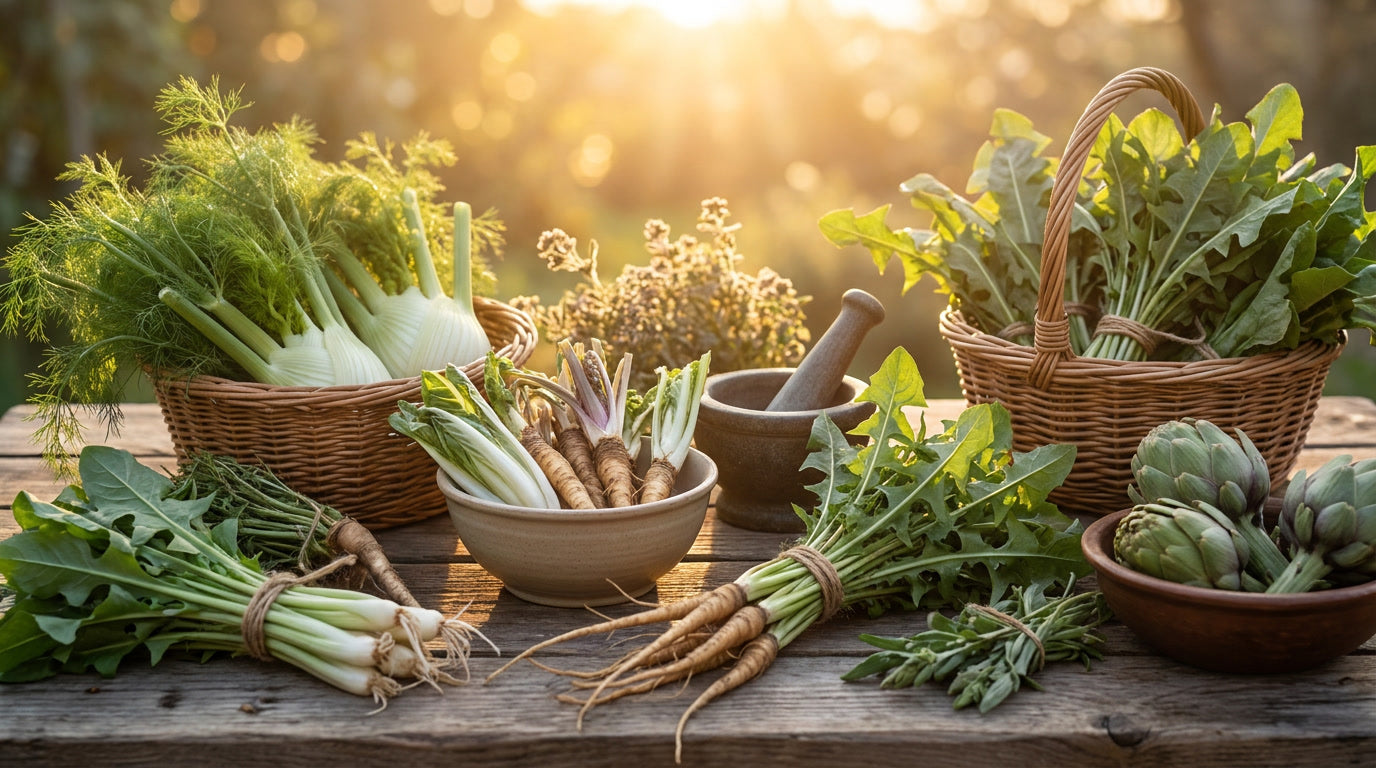
- Nettle: Historically known as a nutrient-rich spring herb—cultivated in monastery gardens and traditionally used during fasting as tea or soup.
- Yarrow: Valued for centuries in folk and monastic medicine—as tea traditionally used during fasting times and as a companion in herbal cuisine.
- Wormwood: A classic bitter herb with a long tradition in monastic medicine—historically used as part of herbal blends for inner reflection and cleansing. BitterKraft Original
If you can’t decide, maybe you don’t have to: a consciously designed fasting period can combine elements of both methods—the clear structure of Buchinger fasting with the herbal depth and spirituality of the Hildegard approach. Many experienced fasting guides recommend exactly that.
In the end, the same applies to both methods: fasting is not a diet, not a short-term measure, but an attitude—a conscious decision to pause, listen to your own body, and create space for what truly matters. Whether with juice in hand or herbal tea according to Hildegard’s recipe: the first step is always inner readiness. And that can be found by anyone—regardless of the chosen method. Fasting Products
Hildegard of Bingen wrote in "Causae et Curae": "Man should discipline his flesh so that the soul may be free and ascend to God." – This spiritual fundamental attitude, which understands fasting as a path to inner freedom, permeates all of Hildegard medicine and fundamentally distinguishes it from purely physical fasting approaches.
Whichever method you choose: good preparation is important in any case. This includes a gradual reduction of coffee, alcohol, and heavily processed foods in the days before fasting, sufficient sleep, and—especially for the first fast—the guidance of an experienced fasting instructor or naturopath. The breaking of the fast, i.e., the gradual reintroduction of solid food, should also be consciously designed: gentle, grateful, and without immediately falling back into old eating habits. Liver Products from Bitterkraft


Leave a comment
This site is protected by hCaptcha and the hCaptcha Privacy Policy and Terms of Service apply.