

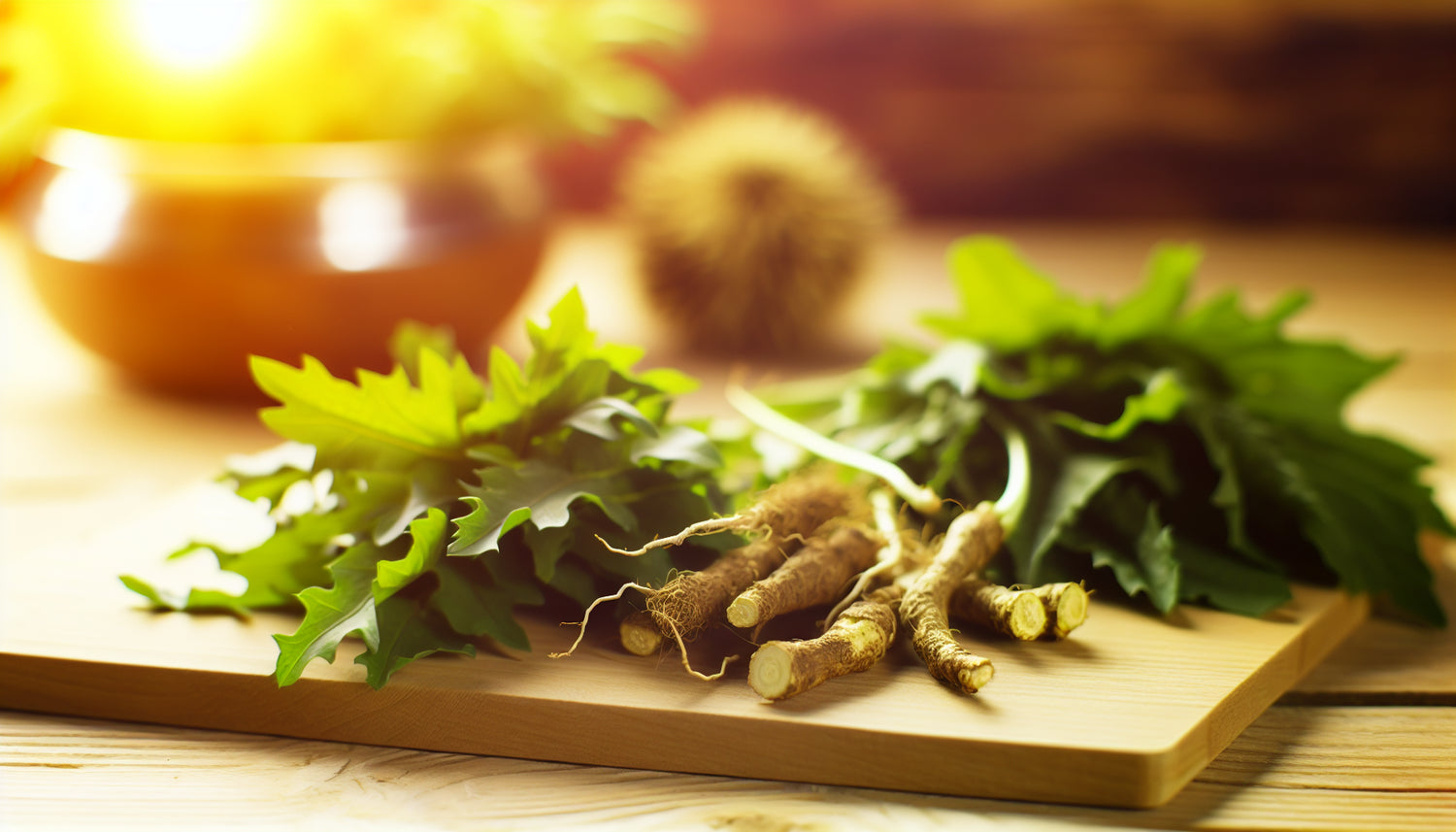
In der traditionellen Naturheilkunde spielen Bitterstoffe seit jeher eine bedeutende Rolle für das Wohlbefinden. Diese wertvollen Pflanzenextrakte werden seit Jahrhunderten zur Unterstützung der Verdauung geschätzt. Hildegard von Bingen erkannte bereits im 12. Jahrhundert die besondere Bedeutung von Bitterstoffen für die Verdauung und das allgemeine Wohlbefinden. Was die traditionelle Heilkunde seit Generationen nutzt, rückt heute wieder verstärkt in den Fokus - die natürliche Kraft der bitteren Pflanzenextrakte für eine harmonische Verdauung.
📋 Inhaltsverzeichnis
Traditionelle Bedeutung der Bitterstoffe für das Wohlbefinden
In der traditionellen Heilkunde werden Bitterstoffe seit Jahrhunderten für ihre wertvollen Eigenschaften geschätzt. Diese natürlichen Pflanzenverbindungen sind bekannt dafür, dass sie das Wohlbefinden nach dem Essen unterstützen können. Besonders in der europäischen Kräutertradition haben bittere Pflanzenextrakte einen festen Platz als bewährte Begleiter für eine harmonische Verdauung.
Der charakteristische bittere Geschmack dieser Pflanzenextrakte wird traditionell als Signal für ihre besonderen Eigenschaften verstanden. Wenn wir Bitterstoffe über die Nahrung oder als Extrakte aufnehmen, nehmen wir diesen intensiven Geschmack bewusst wahr - ein Vorgang, der seit jeher als wichtiger Teil der traditionellen Anwendung gilt. Diese Geschmackserfahrung wird in der Naturheilkunde als wertvoller Aspekt der ganzheitlichen Wirkung betrachtet.
In der traditionellen Naturheilkunde wurde dieser Zusammenhang zwischen bestimmten Pflanzenextrakten und der Verdauungsharmonie bereits seit Jahrhunderten genutzt. Hildegard von Bingen schrieb in ihren Werken über die Bedeutung von BitterKraft Original für die "Stärkung der Verdauungskraft" und das "rechte Maß beim Essen". Diese traditionellen Erkenntnisse bilden noch heute die Grundlage für die geschätzte Anwendung von Bitterstoffen.
Die Rolle der Bitterstoffe in der traditionellen Anwendung
Bitterstoffe sind sekundäre Pflanzenstoffe, die von Natur aus einen intensiv bitteren Geschmack haben. Diese Verbindungen dienen den Pflanzen ursprünglich als Schutz vor Fressfeinden, haben aber für die traditionelle Anwendung beim Menschen wertvolle Eigenschaften. Wenn wir Bitterstoffe über die Nahrung oder als Extrakte aufnehmen, erleben wir ihren charakteristischen Geschmack, der seit jeher als Zeichen für ihre besonderen Qualitäten gilt.
Der bewusste Geschmack von Bitterstoffen wird traditionell als wichtiger Bestandteil ihrer Anwendung betrachtet. Bereits der intensive bittere Geschmack im Mund wird in der Naturheilkunde als wertvoller Impuls für das Wohlbefinden geschätzt. Dieser Vorgang bereitet den Körper auf sanfte Weise auf die bevorstehende Mahlzeit vor und wird als natürlicher Teil einer harmonischen Esskultur verstanden.
Traditionelle Bitterpflanzen wie Wermut, Enzian, Löwenzahn oder Artischocke werden seit Jahrhunderten zur Unterstützung des Wohlbefindens verwendet. Hildegard von Bingen Produkte kannte bereits die besondere Wirkung dieser Pflanzen und empfahl sie zur "Stärkung des Magens" und zur "Förderung der rechten Verdauung". Diese Pflanzen enthalten komplexe Bitterstoffverbindungen, die traditionell für ihre harmonisierenden Eigenschaften geschätzt werden.
Praktische Anwendung: Bitterstoffe richtig einsetzen
Die traditionelle Anwendung von Bitterstoffen folgt bewährten Regeln, die seit Generationen weitergegeben werden. Klassischerweise werden Bitterstoffe etwa 15-30 Minuten vor den Mahlzeiten eingenommen, um den Körper sanft auf die bevorstehende Nahrungsaufnahme vorzubereiten. Diese Praxis, die bereits Hildegard von Bingen empfahl, ist ein wichtiger Bestandteil der traditionellen Esskultur. Der bittere Geschmack sollte dabei bewusst wahrgenommen werden, da die Geschmackserfahrung als wesentlicher Teil der Anwendung gilt.
Besonders wertvoll sind standardisierte Bitterstoff-Extrakte aus bewährten Heilpflanzen. Enzianwurzel, bekannt für ihre intensiven Bitterstoffe, wird traditionell zur Unterstützung des Wohlbefindens geschätzt. Artischockenextrakt wird seit langem für seine harmonisierenden Eigenschaften bekannt. Wermut, eine der klassischen Bitterpflanzen der europäischen Tradition, wird schon seit der Antike geschätzt. Die Kombination verschiedener Bitterpflanzen kann dabei besonders wertvoll sein.
Die regelmäßige Anwendung ist entscheidend für die traditionelle Nutzung. Natürliche BitterKraft Original zeichnen sich durch ihre gute Verträglichkeit aus. Wichtig ist jedoch, dass Menschen mit bestimmten Grunderkrankungen oder bei Einnahme von Medikamenten vor der Anwendung Rücksprache mit einem erfahrenen Therapeuten halten sollten. Die Dosierung sollte individuell angepasst und schrittweise gesteigert werden, um den Körper sanft an die Bitterstoffe zu gewöhnen.
Ganzheitlicher Ansatz: Bitterstoffe als Teil einer ausgewogenen Lebensweise
Die traditionelle Anwendung von Bitterstoffen entfaltet ihre wertvollen Eigenschaften im Rahmen einer ganzheitlichen Lebensweise. Hildegard von Bingen betonte stets die Bedeutung des Gleichgewichts zwischen Ernährung, Bewegung und seelischem Wohlbefinden. Dieser bewährte Ansatz zeigt: Eine ballaststoffreiche Ernährung, regelmäßige körperliche Aktivität und ausreichender Schlaf können das allgemeine Wohlbefinden unterstützen und die traditionelle Anwendung von Bitterstoffen ergänzen.
Besonders die Darmgesundheit spielt eine zentrale Rolle für das Wohlbefinden. Eine gesunde Darm- und Verdauungsprodukte mit einer ausgewogenen Mikrobiota schafft optimale Voraussetzungen für harmonische Verdauung. Fermentierte Lebensmittel, präbiotische Ballaststoffe und der Verzicht auf stark verarbeitete Nahrungsmittel werden traditionell zur Förderung des Wohlbefindens empfohlen. Auch bewusste Essenspausen werden in vielen traditionellen Kulturen zur Gesundheitsförderung praktiziert.
Stress und unregelmäßige Essgewohnheiten können das natürliche Wohlbefinden beeinträchtigen. Hier bieten sich bewährte Entspannungstechniken und die Rückbesinnung auf achtsame Esskultur an. Das langsame, bewusste Essen, wie es in der traditionellen Heilkunde empfohlen wird, unterstützt eine harmonische Beziehung zur Nahrung. Die Integration von Bitterstoffen in diesen ganzheitlichen Ansatz kann dazu beitragen, das natürliche Wohlbefinden zu unterstützen. So wird die Weisheit traditioneller Heilkunde zu einem kraftvollen Konzept für nachhaltige Gesundheit und Wohlbefinden.
🤖 Das Beitragsbild dieses Artikels wurde mit DALL·E 3 (OpenAI) mithilfe von Künstlicher Intelligenz generiert (gemäß EU AI Act Art. 50 gekennzeichnet).


Hinterlasse einen Kommentar
Diese Website ist durch hCaptcha geschützt und es gelten die allgemeinen Geschäftsbedingungen und Datenschutzbestimmungen von hCaptcha.