

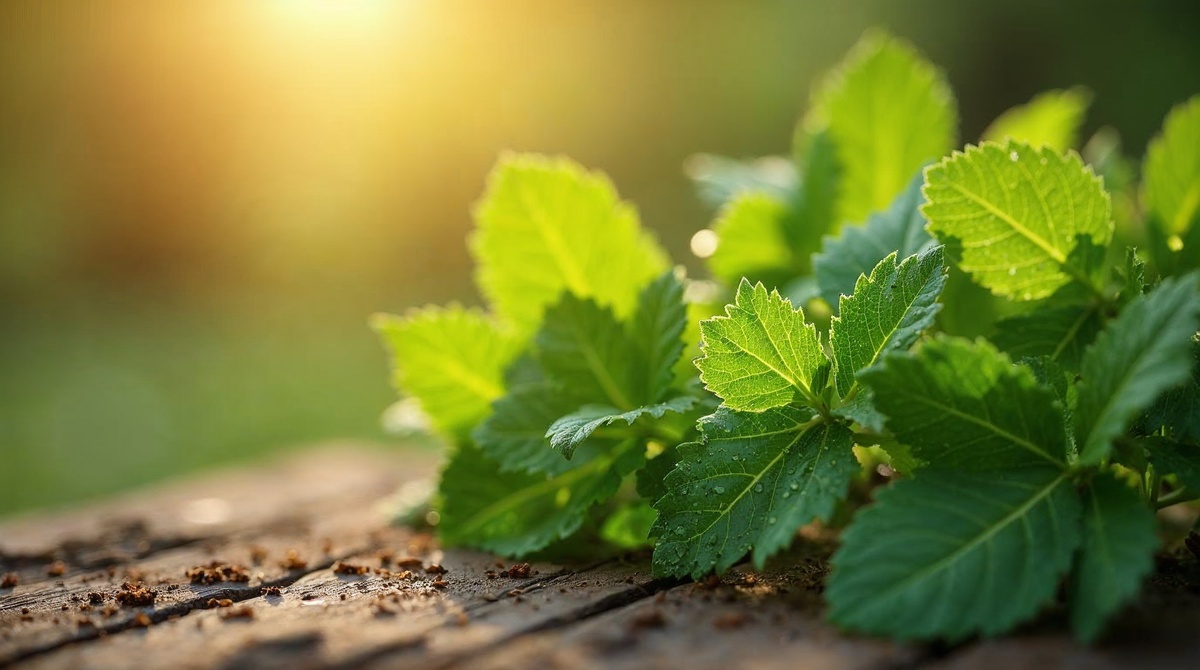
Es gibt Pflanzen, die schon allein durch ihren Namen eine Welt erzählen. Der Frauenmantel – lateinisch Alchemilla vulgaris – gehört zweifellos dazu. Sein zart gefaltetes, tausammelndes Blatt wirkt wie ein schützender Umhang, und genau so wurde er über Jahrhunderte verstanden: als pflanzlicher Begleiter der Frau, der in jeder Lebensphase seinen Platz findet. Von den Kräutergärten mittelalterlicher Klöster über die Hausapotheken unserer Urgroßmütter bis in die moderne Naturheilkunde – Frauenmantel hat nichts von seiner Faszination verloren. Wer sich mit traditionellem Pflanzenwissen beschäftigt, stößt unweigerlich auf dieses unscheinbare Kraut mit dem großen Ruf. In diesem Artikel tauchen wir tief in die Welt des Frauenmantels ein: seine Geschichte, seine Inhaltsstoffe, seine traditionellen Anwendungsgebiete und seine Rolle in einem naturnahen Lebensstil.
Frauenmantel in der Geschichte: Von der Alchemie bis zur Klostermedizin
Der Name Alchemilla verrät viel über die Ehrfurcht, die frühere Generationen dieser Pflanze entgegenbrachten. Er leitet sich vom arabischen alkemelych ab – Alchemie. Die Tautropfen, die sich morgens in den gefalteten Blättern sammeln und dort wie kleine Perlen glänzen, galten den Alchemisten des Mittelalters als besonders reines, magisches Wasser. Man nannte es „Himmelstau" und glaubte, es besitze außergewöhnliche Kräfte. Diese Vorstellung mag uns heute romantisch erscheinen, doch sie spiegelt das tiefe Beobachtungsvermögen der Menschen vergangener Jahrhunderte wider – eine Wertschätzung für das Pflanzenleben, die wir heute in der modernen Naturheilkunde wiederentdecken.
In der Klostermedizin des Mittelalters war Frauenmantel ein fester Bestandteil des Kräutergartens. Benediktinische und zisterziensische Klöster kultivierten ihn ebenso wie die Kräuterkundigen des Volkes. Hildegard von Bingen, die visionäre Äbtissin und Naturkundige des 12. Jahrhunderts, widmete sich in ihren Schriften ausgiebig dem Thema Frauengesundheit. Obwohl sie den Frauenmantel nicht unter diesem Namen erwähnt, fließt das Wissen über frauenspezifische Heilkräuter durch ihr gesamtes Werk. Hildegard von Bingen Produkte Das Konzept der „viriditas" – der grünen Lebenskraft der Pflanzen – prägte das Verständnis der Klostermedizin: Pflanzen wurden als Träger einer göttlichen Heilkraft verstanden, die dem Menschen zugutekommen sollte.
Im 16. Jahrhundert beschrieb der Botaniker Hieronymus Bock den Frauenmantel explizit als Pflanze für Frauenleiden. Leonhart Fuchs und andere Kräuterbuchautoren der Renaissance griffen das Wissen auf und verbreiteten es in ganz Europa. Über Generationen hinweg wurde das Wissen über diese Pflanze von Hebammen, Kräuterfrauen und Klosterschwestern weitergegeben – eine mündliche und schriftliche Überlieferung, die heute einen unschätzbaren kulturgeschichtlichen Wert darstellt. Die Tatsache, dass Frauenmantel über so viele Jahrhunderte und in so vielen verschiedenen Kulturen als Frauenpflanze geschätzt wurde, ist für sich genommen ein beeindruckendes Zeugnis seiner Bedeutung.
„Der Frauenmantel gehört zu den am längsten verwendeten Frauenheilkräutern Europas. Historische Quellen aus dem 16. bis 19. Jahrhundert belegen seine weitverbreitete traditionelle Anwendung in der Volksmedizin vieler europäischer Länder, insbesondere im deutschsprachigen Raum, in Skandinavien und auf den britischen Inseln." – Zusammenfassung historischer Pflanzenkunde-Quellen
Besonders interessant ist die Verbreitung des Frauenmantels in der alpinen Volksmedizin. In Tirol, Bayern und der Schweiz war er als „Sinngrün der Frauen" bekannt, und erfahrene Kräutersammlerinnen wussten genau, wann und wie sie ihn ernten mussten. Die Hochblütezeit der Volksmedizin mit Frauenmantel liegt im 18. und 19. Jahrhundert, als Kräuterrezepturen noch zum festen Alltagswissen jeder Hausfrau gehörten. Dieses Erbe zu bewahren und zeitgemäß zu vermitteln, ist ein wesentliches Anliegen der modernen Naturheilkunde.
Was steckt drin? Die Inhaltsstoffe des Frauenmantels im Überblick
Um den Frauenmantel wirklich zu verstehen, lohnt sich ein Blick auf seine Inhaltsstoffe. Die Pflanze ist botanisch gesehen ein unscheinbares Rosengewächs – und doch enthält sie ein bemerkenswertes Spektrum an Substanzen, die in der traditionellen Pflanzenheilkunde seit Langem geschätzt werden. Die Wissenschaft hat in den letzten Jahrzehnten damit begonnen, diese Inhaltsstoffe systematisch zu erfassen, auch wenn das volksmedizinische Wissen der Forschung dabei oft um Jahrhunderte voraus war.
Die wichtigsten Inhaltsstoffe des Frauenmantels:
Gerbstoffe (Tannine): Frauenmantel ist besonders reich an hydrolisierbaren Gerbstoffen, darunter Ellagitannine und Gallussäurederivate. Diese Gruppe von Verbindungen ist in der traditionellen Pflanzenheilkunde gut dokumentiert und macht den Hauptteil der wertgebenden Substanzen aus.
Flavonoide: Darunter vor allem Quercetin und seine Glykoside. Flavonoide sind sekundäre Pflanzenstoffe, die in vielen traditionell verwendeten Heilpflanzen vorkommen.
Phytosterole: Pflanzliche Sterolverbindungen, die in der Naturheilkunde eine zunehmende Aufmerksamkeit genießen.
Bitterstoffe: In geringen Mengen vorhanden, tragen sie zum charakteristischen Geschmack des Krauts bei. BitterKraft Original
Salicylsäure-Derivate: Historisch bekannte Pflanzenverbindungen, die in zahlreichen europäischen Heilkräutern vorkommen.
Schleimstoffe und organische Säuren: Ergänzen das Wirkstoffprofil und tragen zur traditionellen Verwendung als sanftes Kraut bei.
Die besondere Qualität des Frauenmantels liegt in der Kombination dieser Inhaltsstoffe. In der traditionellen Pflanzenheilkunde spricht man vom sogenannten „Synergismus" – dem Zusammenwirken verschiedener Pflanzenbestandteile, das als wertvoller gilt als einzelne isolierte Substanzen. Aus diesem Grund wird Frauenmantel in der Naturheilkunde bevorzugt als Ganzkraut-Extrakt, Tee oder Tinktur verwendet, nicht als isolierter Einzelwirkstoff. Produkte für Frauengesundheit
Interessant ist auch, dass der Gerbstoffgehalt je nach Erntezeitpunkt und Standort variiert. Frauenmantel, der auf nährstoffarmen, sonnigen Bergwiesen wächst, gilt traditionell als besonders wertvoll – eine Beobachtung, die viele Kräuterkundige über Generationen weitergegeben haben. Wer hochwertige Frauenmantel-Produkte sucht, achtet daher auf die Herkunft und Qualität des Rohstoffs. Wildsammlungen aus kontrolliertem Anbau oder zertifizierter biologischer Landwirtschaft gelten als besonders empfehlenswert.
Frauenmantel enthält einen außergewöhnlich hohen Anteil an Gerbstoffen – insbesondere Ellagitannine – und gehört damit zu den gerbstoffreichsten einheimischen Heilkräutern Europas. Diese Substanzgruppe ist ein wesentlicher Grund für seine jahrhundertelange Beliebtheit in der Volksmedizin.
Frauenmantel und der weibliche Zyklus: Traditionelle Anwendungsgebiete
Kaum eine Pflanze ist so eng mit dem Thema Frauengesundheit verknüpft wie der Frauenmantel. Seit Jahrhunderten wird er traditionell in allen Phasen des weiblichen Lebens verwendet – von den ersten Menstruationen junger Frauen über die fruchtbaren Jahre bis hin zu den Wechseljahren. Diese breite traditionelle Anwendung ist bemerkenswert und spiegelt ein intuitives Wissen wider, das sich über Generationen bewährt hat. Produkte für Frauengesundheit
In der Volksmedizin wurde Frauenmantel-Tee traditionell von Frauen getrunken, die ihren Zyklus als unregelmäßig oder belastend empfanden. Hebammen empfahlen ihn als begleitendes Kraut in der Zeit nach der Geburt. Kräuterfrauen rieten ihn Frauen in den Wechseljahren, die nach pflanzlicher Unterstützung suchten. Diese Überlieferungen sind kulturhistorisch faszinant und zeigen, wie tief das Wissen über frauenspezifische Heilkräuter in der europäischen Tradition verwurzelt ist. Es handelt sich ausdrücklich um traditionelle Anwendungen im Sinne der Volksmedizin – keine Heilsversprechen, sondern ein Kulturerbe, das es zu würdigen gilt.
Frauenmantel wird seit mindestens 500 Jahren in der europäischen Volksmedizin traditionell als Begleitung für Frauen in verschiedenen Lebensphasen verwendet – vom Teenageralter bis in die Wechseljahre. Diese Kontinuität ist in der Pflanzenheilkunde außergewöhnlich und spricht für eine tief verwurzelte kulturelle Bedeutung.
Traditionelle Anwendungsgebiete des Frauenmantels:
- Zyklus und Menstruation: Frauenmantel wird seit Jahrhunderten traditionell als Begleitung bei unregelmäßigem Zyklus geschätzt. In der europäischen Volksmedizin war er ein fester Bestandteil des Kräuterwissens von Hebammen und Kräuterfrauen.
- Wechseljahre: In der traditionellen Kräuterheilkunde wird Frauenmantel häufig als pflanzliche Begleitung für Frauen in den Wechseljahren erwähnt. Er gilt historisch als sanftes Kraut für diese besondere Lebensphase.
- Zeit nach der Geburt: Hebammen der Volksmedizin nutzten Frauenmantel-Tee traditionell als stärkendes Getränk in der Erholungsphase nach der Geburt.
- Jugendliche und junge Frauen: Beim Einsetzen der ersten Regelblutungen wurde Frauenmantel-Tee in vielen europäischen Kulturen traditionell gereicht – als sanfte pflanzliche Begleitung in einem neuen Lebensabschnitt.
- Allgemeines Wohlbefinden: Unabhängig vom Zyklus kann Frauenmantel als wohlschmeckender Kräutertee in einen achtsamen Alltag integriert werden und so das allgemeine Wohlbefinden unterstützen.
Es ist wichtig zu betonen, dass all diese Anwendungen im Bereich der traditionellen Volksmedizin und des kulturellen Erbes angesiedelt sind. Frauenmantel ist kein Arzneimittel und ersetzt keine medizinische Behandlung. Wer gesundheitliche Beschwerden hat, sollte stets ärztlichen oder heilpraktischen Rat einholen. Der Wert des Frauenmantels liegt in seiner langen Geschichte als geschätztes Begleitkraut – und in der Freude, sich diese traditionsreiche Pflanzenwelt in den eigenen Alltag zu holen.
„In einer Übersichtsarbeit zur ethno-botanischen Nutzung von Alchemilla vulgaris in Europa wurden Belege für die traditionelle Verwendung in über 20 Ländern gefunden. Die konsistenteste Überlieferung betrifft die Anwendung im Bereich der weiblichen Reproduktionsgesundheit, gefolgt von äußerlichen Anwendungen bei Hautpflege und Wunden." – Ethnobotanik-Forschungsüberblick, akademische Literatur
Frauenmantel im Alltag: So lässt er sich in die tägliche Routine integrieren
Das Schöne am Frauenmantel ist seine Vielseitigkeit und Zugänglichkeit. Er ist keine exotische Rarität aus fernen Ländern, sondern wächst auf feuchten Wiesen, an Wegrändern und in Gärten quer durch Mitteleuropa. Wer einen Garten hat, kann Frauenmantel problemlos selbst anpflanzen – er ist pflegeleicht, winterhart und breitet sich gerne aus. Im Frühsommer, wenn die zartgelb-grünen Blütenstände erscheinen, ist die beste Zeit, um Blätter und Blüten zu ernten und zu trocknen. Hildegard von Bingen Produkte
Als Tee zubereitet entfaltet Frauenmantel ein mildes, leicht herbes Aroma. Für einen traditionellen Aufguss übergießt man einen gehäuften Teelöffel getrocknetes Kraut mit heißem (nicht kochendem) Wasser und lässt ihn etwa zehn Minuten ziehen. Viele Frauen trinken Frauenmantel-Tee als Teil ihrer täglichen Morgenroutine oder in der zweiten Zyklushälfte. Kombiniert mit anderen traditionellen Frauenkräutern wie Himbeerblättern, Schafgarbe oder Mönchspfeffer entsteht ein aromatisches Kräutergemisch mit langer Traditionsgeschichte. Der Tee hat einen angenehmen, leicht zusammenziehenden Geschmack, der an grünen Tee erinnert.
Neben dem Tee gibt es weitere Möglichkeiten, Frauenmantel in den Alltag zu integrieren. Frauenmantel-Tinkturen, bei denen das Kraut in Alkohol ausgezogen wird, gelten als konzentriertere Form der traditionellen Anwendung. Kapseln und Tabletten mit standardisiertem Extrakt bieten eine bequeme Alternative für unterwegs. In der äußerlichen Anwendung hat Frauenmantel ebenfalls eine lange Tradition: Kräuterumschläge, Bäder und Waschungen mit Frauenmantel-Aufguss wurden volksmedizinisch bei Hautirritation und als pflegende Anwendung genutzt. Auch in der Naturkosmetik findet man Frauenmantel-Extrakte zunehmend als Inhaltsstoff in Gesichtspflegen und Cremes.
Frauenmantel-Tee selbst herstellen – Schritt für Schritt:
Ernte: Blätter und Blüten von Mai bis August sammeln, idealerweise am Morgen nach dem Versiegen des Taus. Wildsammlungen nur an unbelasteten Standorten fernab von Straßen und konventionell bewirtschafteten Flächen.
Trocknen: In dünnen Lagen bei Raumtemperatur oder leicht erhöhter Wärme (max. 40°C) trocknen. Schatten ist wichtig, da direkte Sonne die Inhaltsstoffe beeinträchtigen kann.
Zubereitung: 1–2 TL getrocknetes Kraut pro Tasse, mit Wasser bei ca. 85–90°C übergießen, 10 Minuten zugedeckt ziehen lassen, abseihen.
Aufbewahrung: Getrocknetes Kraut in verschlossenen Gläsern, dunkel und trocken, hält bis zu einem Jahr.
Für alle, die keinen Garten haben oder keine Zeit zum Selbstsammeln, bieten sich hochwertige Naturprodukte aus dem Naturheilkunde-Fachhandel an. Wichtig ist dabei, auf Bio-Qualität und transparente Herkunftsangaben zu achten. Ein gutes Produkt benennt klar den Standort der Ernte, das Erntejahr und die Verarbeitungsweise. Wer regelmäßig Frauenmantel verwenden möchte, profitiert von Produkten, die aus kontrolliert biologischem Anbau stammen und schonend verarbeitet wurden, um das volle Spektrum der pflanzlichen Inhaltsstoffe zu erhalten.
Frauenmantel in der Naturheilkunde heute: Zwischen Tradition und moderner Forschung
Die moderne Naturheilkunde steht vor einer spannenden Aufgabe: das Erbe der traditionellen Pflanzenheilkunde zu bewahren und gleichzeitig mit den Methoden der modernen Wissenschaft zu beleuchten. Frauenmantel ist dabei ein besonders interessantes Beispiel, denn einerseits gibt es eine außerordentlich reiche und gut dokumentierte Überlieferung seiner traditionellen Verwendung, andererseits steht die wissenschaftliche Forschung erst am Anfang, diese Tradition systematisch zu untersuchen.
In der Europäischen Arzneibuch-Monographie und den Monographien der ESCOP (European Scientific Cooperative on Phytotherapy) sowie des HMPC (Herbal Medicinal Products Committee der EMA) wird Frauenmantel als traditionelles pflanzliches Arzneimittel geführt. Diese Einstufung als „traditionell verwendetes Pflanzenmittel" bedeutet, dass die Sicherheit des Krauts als gut dokumentiert gilt, auch wenn für alle behaupteten Wirkungen keine klinischen Studien im modernen Sinne vorliegen. Die Tradition selbst – also die jahrzehntelange, unbedenkliche Verwendung – wird dabei als Beleg herangezogen. Produkte für Frauengesundheit
Heilpraktikerinnen und Naturheilkundige, die mit Frauenmantel arbeiten, berichten von positiven Erfahrungen ihrer Klientinnen – wobei es sich stets um individuelle Erlebnisberichte handelt, nicht um klinische Evidenz. Die Naturheilkunde versteht sich hier nicht als Konkurrenz zur Schulmedizin, sondern als Ergänzung: ein „Hinzufügen statt Weglassen". Frauenmantel-Tee als bewusstes tägliches Ritual, als Verbindung zur Natur und zur eigenen Körperwahrnehmung – das ist ein Wert, der sich nicht einfach in Studiendesigns fassen lässt, aber für viele Frauen real und bedeutsam ist.
Frauenmantel ist in der EU als „traditionelles pflanzliches Arzneimittel" gemäß der EU-Richtlinie 2004/24/EG anerkannt. Diese Kategorie berücksichtigt explizit die lange Nutzungsgeschichte als Beleg für die Eignung des Krauts – auch ohne moderne klinische Studien.
Die Kombination von Frauenmantel mit anderen bewährten Frauenkräutern ist in der naturheilkundlichen Praxis weit verbreitet. Mönchspfeffer (Vitex agnus-castus), Schafgarbe (Achillea millefolium), Himbeerblätter und Yamswurzel werden häufig als ergänzende Kräuter genannt, die jeweils ihre eigene Tradition und ihr eigenes Inhaltsstoffprofil mitbringen. Das Wissen um diese Kombinationen ist ein lebendiger Teil der europäischen Kräutermedizin und verdient es, weitergegeben zu werden. Hildegard von Bingen Produkte
„Alchemilla vulgaris gehört zu den zehn am häufigsten in europäischen ethnobotanischen Studien dokumentierten Heilpflanzen für Frauengesundheit. Die Konsistenz der überlieferten Anwendungsgebiete über verschiedene Kulturen und Jahrhunderte hinweg ist in der wissenschaftlichen Pflanzenheilkunde ein wichtiger Hinweis auf das Potenzial einer Pflanze." – Ethnobotanik-Fachpublikation
Frauenmantel achtsam verwenden: Hinweise und Empfehlungen
So unproblematisch Frauenmantel in seiner langen Geschichte auch gilt – ein bewusster und informierter Umgang mit Heilkräutern ist grundsätzlich empfehlenswert. Als Nahrungsergänzung oder als Küchenkraut im Tee verwendet, gilt Frauenmantel für gesunde Erwachsene als gut verträglich. Dennoch gibt es einige Punkte, die es zu beachten gilt, um Frauenmantel sicher und sinnvoll in den Alltag zu integrieren.
Schwangere sollten vor der Verwendung von Frauenmantel ihren Arzt oder ihre Hebamme konsultieren, da der hohe Gerbstoffgehalt in der Volksmedizin traditionell als uterustonisierend beschrieben wurde – was historisch sowohl als Nutzen als auch als Vorsichtsaspekt gewertet wurde. Frauen, die Medikamente einnehmen oder unter chronischen Erkrankungen leiden, sollten grundsätzlich das Gespräch mit einer medizinischen Fachperson suchen, bevor sie Heilkräuter regelmäßig einnehmen. Das gilt für alle Heilkräuter, nicht nur für den Frauenmantel.
In der Dosierung empfiehlt die traditionelle Überlieferung ein bis drei Tassen Frauenmantel-Tee täglich. Kuranwendungen von vier bis sechs Wochen, gefolgt von einer Pause, werden von vielen Naturheilkundigen als sinnvoll erachtet – auch wenn dies keine medizinische Empfehlung darstellt, sondern dem traditionellen Verständnis von Kräuterkuren entspricht. Wer Frauenmantel als Tinktur oder Kapseln verwenden möchte, orientiert sich an den Herstellerangaben des jeweiligen Produkts.
Die Qualität des verwendeten Frauenmantels spielt eine entscheidende Rolle. Im Naturheilkunde-Fachhandel erhältliche Produkte aus zertifiziert biologischem Anbau oder kontrollierter Wildsammlung bieten die zuverlässigste Qualität. Achten Sie auf Produkte, die das gesamte Kraut (Blätter und Blüten) verwenden und keine synthetischen Zusatzstoffe, Füllstoffe oder Konservierungsmittel enthalten. Transparenz in der Herkunft und Verarbeitung sind das wichtigste Qualitätsmerkmal bei Heilkräuterprodukten. Produkte für Frauengesundheit
Letztlich ist Frauenmantel ein wunderbares Beispiel dafür, was die Naturheilkunde so besonders macht: das Vertrauen in die Weisheit der Natur, das Respektieren traditionellen Wissens und das achtsame Einbinden von Pflanzen in einen bewussten Lebensstil. In einer Zeit, in der viele Menschen nach natürlichen Wegen zu mehr Wohlbefinden suchen, bietet der Frauenmantel – so unscheinbar er auf der Wiese auch wirken mag – eine reiche, tief verwurzelte Tradition, auf die es sich lohnt, zurückzugreifen. Er ist kein Allheilmittel und kein Wunderkraut, aber er ist ein verlässlicher, sanfter Begleiter – so wie es ein guter Mantel eben sein sollte.

Hinterlasse einen Kommentar
Diese Website ist durch hCaptcha geschützt und es gelten die allgemeinen Geschäftsbedingungen und Datenschutzbestimmungen von hCaptcha.