
Wer einmal an einer frischen Enzianwurzel gerochen hat, versteht sofort, warum diese Pflanze seit Jahrtausenden als Königin der Bitterkräuter gilt. Der intensive, erdige Geruch, die tiefgelbe Farbe des getrockneten Wurzelholzes und der unbeschreiblich bittere Geschmack – das alles macht den Gelben Enzian (Gentiana lutea) zu einem der faszinierendsten Heilkräuter der Alpen. In keinem anderen mitteleuropäischen Kraut bündelt sich so viel überliefertes Pflanzenwissen, so viel Kräutertradition und so viel gelebte Volksmedizin wie in dieser markanten Hochgebirgspflanze. Bitterkraft.com widmet sich in diesem Artikel dem Geheimnis der Enzianwurzel – ihrer Geschichte, ihren Inhaltsstoffen und der Frage, warum sie auch heute noch zu den geschätztesten BitterKraft Original Pflanzen der Naturheilkunde gehört.
Die Geschichte der Enzianwurzel: Von den Alpen in die Klostermedizin
Die Geschichte des Enzians als Heilpflanze reicht weit zurück in die Antike. Bereits der griechische König Gentius von Illyrien – von dem die Pflanzengattung Gentiana ihren Namen trägt – soll die Wurzel systematisch gesammelt und eingesetzt haben. Der römische Naturkundler Plinius der Ältere beschrieb sie im ersten Jahrhundert nach Christus als eines der wertvollsten Arzneimittel der damaligen Zeit. Was die Menschen in unterschiedlichsten Kulturen und Epochen anzog, war stets derselbe Aspekt: die unvergleichliche Bitterkeit dieser Wurzel, die in der Volksmedizin als Zeichen besonderer Kraft galt.
Im Mittelalter gelangte das Wissen über den Enzian in die Klöster des Alpenraums und wurde dort von Mönchen und Nonnen gepflegt, systematisiert und weiterentwickelt. Hildegard von Bingen, die berühmte Benediktinerin und Universalgelehrte des 12. Jahrhunderts, widmete dem Enzian in ihrem Kräuterwerk besondere Aufmerksamkeit. In ihrer Physica beschrieb sie die Pflanze als eine Wurzel von besonderer Qualität, die sie dem Bereich des Wärmenden und Kräftigenden zuordnete. Für Hildegard war der Enzian ein Kraut, das den Menschen stärken und beleben kann – eine Einschätzung, die sich durch die Jahrhunderte tradierte und bis heute nachwirkt. Hildegard von Bingen Produkte
Hildegard von Bingen schrieb in ihrer Physica über den Enzian sinngemäß: Er sei warm und mäßig trocken, und wer schwach am Magen sei, dem bringe sein Saft Erleichterung – eine der frühesten systematischen Beschreibungen seiner traditionellen Verwendung im deutschsprachigen Raum.
Im 16. und 17. Jahrhundert erlebte das Enzianwissen eine weitere Blüte. Kräuterbuchautoren wie Hieronymus Bock, Tabernaemontanus und Leonhart Fuchs beschrieben die Wurzel in ihren einflussreichen Werken ausführlich und trugen dazu bei, das volksmedizinische Wissen zu systematisieren. In ländlichen Gemeinschaften des Alpenraums war die Enzianwurzel ein fester Bestandteil des häuslichen Hausmittelsortiments. Getrocknet, zu Pulver gemahlen oder als Bestandteil von Kräutertinkturen – die Anwendungsformen waren vielfältig, das Vertrauen in die Wurzel grenzenlos. Noch heute wird im Alpenraum traditionell Enzianschnaps hergestellt, ein Destillat aus der Wurzel, das als Teil einer langen Volksmedizintradition gilt.
Inhaltsstoffe der Enzianwurzel: Was steckt hinter der extremen Bitterkeit?
Die außergewöhnliche Bitterkeit des Gelben Enzians ist kein Zufall, sondern das Ergebnis eines komplexen Gemisches an sekundären Pflanzenstoffen, die die Pflanze über Jahrmillionen entwickelt hat. Das Bitterstoffprofil des Enzians gehört zu den reichhaltigsten und am besten erforschten in der gesamten Pflanzenwelt. Was die Enzianwurzel so besonders macht, ist die hohe Konzentration und die Vielfalt dieser Verbindungen, die in ihrer Kombination einzigartig sind.
Die wichtigsten Inhaltsstoffe der Enzianwurzel im Überblick:
Amarogentin: Gilt als einer der bittersten natürlichen Stoffe überhaupt – selbst in einer Verdünnung von 1:58.000.000 ist er noch als bitter wahrnehmbar. Amarogentin gehört zu den Secoiridoid-Bitterstoffen und ist verantwortlich für den unverwechselbaren Charakter der Enzianwurzel.
Gentiopikrosid (Gentiopikrin): Der mengenmäßig häufigste Bitterstoff in der Enzianwurzel. Ebenfalls ein Secoiridoid, das maßgeblich zum Bitterstoffprofil beiträgt und traditionell als qualitätsbestimmendes Merkmal gilt.
Gentisin und Isogentisin: Gelbe Xanthon-Farbstoffe, die der getrockneten Wurzel ihre charakteristische Farbe verleihen. Sie sind Teil des breiteren phytochemischen Profils der Wurzel.
Gentianose und Gentiobiose: Spezifische Zuckerverbindungen (Oligosaccharide), die in der Wurzel in beachtlicher Menge vorkommen und zur Gesamtcharakteristik beitragen.
Ätherische Öle und Gerbstoffe: In geringeren Mengen vorhanden, ergänzen sie das Profil der Wurzel und tragen zu ihrem komplexen Duft- und Geschmacksbild bei.
Besonders bemerkenswert ist die Tatsache, dass der Bitterwert der Enzianwurzel nach der europäischen Pharmakopöe standardisiert gemessen wird. Der sogenannte Bitterwert gibt an, wie weit eine Substanz verdünnt werden muss, bis keine Bitterkeit mehr wahrnehmbar ist. Für Amarogentin liegt dieser Wert bei über 50 Millionen – ein Rekord im Pflanzenreich. Das bedeutet: Ein einziges Gramm Enzianwurzel enthält genug Bitterstoffe, um Millionen Liter Wasser noch als bitter schmeckbar zu machen. Diese extreme Konzentration macht den Enzian zum unbestrittenen König unter den BitterKraft Original Pflanzen.
Der Gelbe Enzian enthält mit Amarogentin einen der bittersten natürlichen Stoffe auf der Erde – wahrnehmbar noch in einer Verdünnung von 1:58 Millionen. Keine andere bekannte Heilpflanze Mitteleuropas erreicht diesen Bitterwert.
Das Wissen um diese Inhaltsstoffe erklärt auch, warum die Enzianwurzel in der europäischen Phytotherapie traditionell so geschätzt wurde. Die alten Kräuterkundigen hatten zwar keine chemische Analyse zur Hand, aber sie kannten den Geschmack – und der intensive Geschmack war für sie der Beweis für die Kraft der Pflanze. In der Humoralpathologie, dem Medizinsystem der Antike und des Mittelalters, galten bittere Pflanzen als besonders wirkungsvoll und kräftigend. Diese intuitive Einschätzung deckte sich, wie wir heute wissen, zumindest in der Beschreibung der phytochemischen Komplexität dieser besonderen Wurzel.
Enzianwurzel in der Tradition: Wie sie seit Jahrhunderten verwendet wird
Die traditionelle Verwendung der Enzianwurzel ist eng mit dem Begriff der „Bitterkur" verbunden – einer in der Volksmedizin des deutschsprachigen Alpenraums tief verwurzelten Praxis, bei der bittere Kräuterextrakte zu bestimmten Zeiten im Jahr, besonders im Frühjahr und Herbst, eingenommen wurden. Diese saisonal rhythmisierte Anwendung hatte nicht nur praktische Gründe – die Wurzeln wurden im Herbst gesammelt – sondern spiegelte auch eine ganzheitliche Vorstellung vom menschlichen Körper und seinen jahreszeitlichen Bedürfnissen wider. Fasten-Produkte
In der Volksmedizin wurde Enzianwurzel traditionell auf verschiedene Weisen zubereitet. Der klassische Enziantee – ein Aufguss aus getrockneter, geschnittener Wurzel – war die einfachste Form. Daneben waren alkoholische Auszüge, sogenannte Bittertinkturen oder Kräuterschnäpse, weit verbreitet. Im Alpenraum gehört der Enziangeist, ein hochprozentiges Destillat aus der Wurzel, zur kulinarischen und volksmedizinischen Tradition. Bekannte Klosterbitter-Rezepturen aus Bayern, Österreich und der Schweiz enthielten Enzianwurzel stets als eine der Leitpflanzen – oft ergänzt durch andere Bitterkräuter wie Wermut, Tausendgüldenkraut und Galgant.
In der deutschen Pharmakopöe (DAB) sowie im Europäischen Arzneibuch (Ph. Eur.) ist Enzianwurzel (Gentianae radix) als offizinelle Droge gelistet. Ihre traditionelle Anwendung im Bereich der Volksmedizin ist damit auf europäischer Ebene formell anerkannt – ein Beleg für die lange und dokumentierte Geschichte dieser Heilpflanze.
Hildegard von Bingen empfahl den Enzian in ihren Schriften nicht isoliert, sondern stets im Kontext eines umfassenden Lebensstilkonzepts, das Ernährung, Kräuternutzung und spirituelle Praxis verband. Für sie war die Bitterpflanze Teil eines ganzheitlichen Weges zur Vitasalva – dem gesunden, ausgewogenen Leben. Diese Sichtweise hat in der modernen Hildegard-Medizin eine Renaissance erlebt, in der Enzian und andere Bitterkräuter als Bestandteile ritualisierter Frühjahrskuren wieder aktiv eingesetzt werden. Hildegard von Bingen Produkte Wer sich für diese Tradition interessiert, findet im Kräuterwissen der Benediktinerin eine unerschöpfliche Quelle der Inspiration.
Enzianwurzel und andere Bitterkräuter: Die besten Begleiter aus der Natur
Die Enzianwurzel ist zwar das stärkste Bittermittel, aber sie steht in der Tradition selten allein. Die Kräuterkundigen des Mittelalters und der frühen Neuzeit wussten, dass die Kombination verschiedener Bitterpflanzen eine besondere Wirkung entfalten kann – nicht weil sich die Einzeleffekte schlicht addieren, sondern weil jede Pflanze ihr eigenes Spektrum an Inhaltsstoffen mitbringt und so ein breiteres Gesamtprofil entsteht. Diese Kombinationsphilosophie liegt auch vielen klassischen Klosterbitter-Rezepturen zugrunde.
Diese traditionellen Bitterkräuter begleiten den Enzian seit Jahrhunderten:
- Tausendgüldenkraut (Centaurium erythraea): Eines der wichtigsten Bitterkräuter der europäischen Volksmedizin, das bereits in antiken Quellen erwähnt wird. Wird traditionell in Kräuterbitter-Mischungen als harmonischer Begleiter des Enzians geschätzt.
- Wermut (Artemisia absinthium): Das klassische Bitterkraut der Klostergärten, das durch seinen aromatischen Charakter eine besondere Note in Bittermischungen bringt. Hildegard von Bingen beschrieb Wermut als eine der wichtigsten Pflanzen ihrer Kräuterheilkunde.
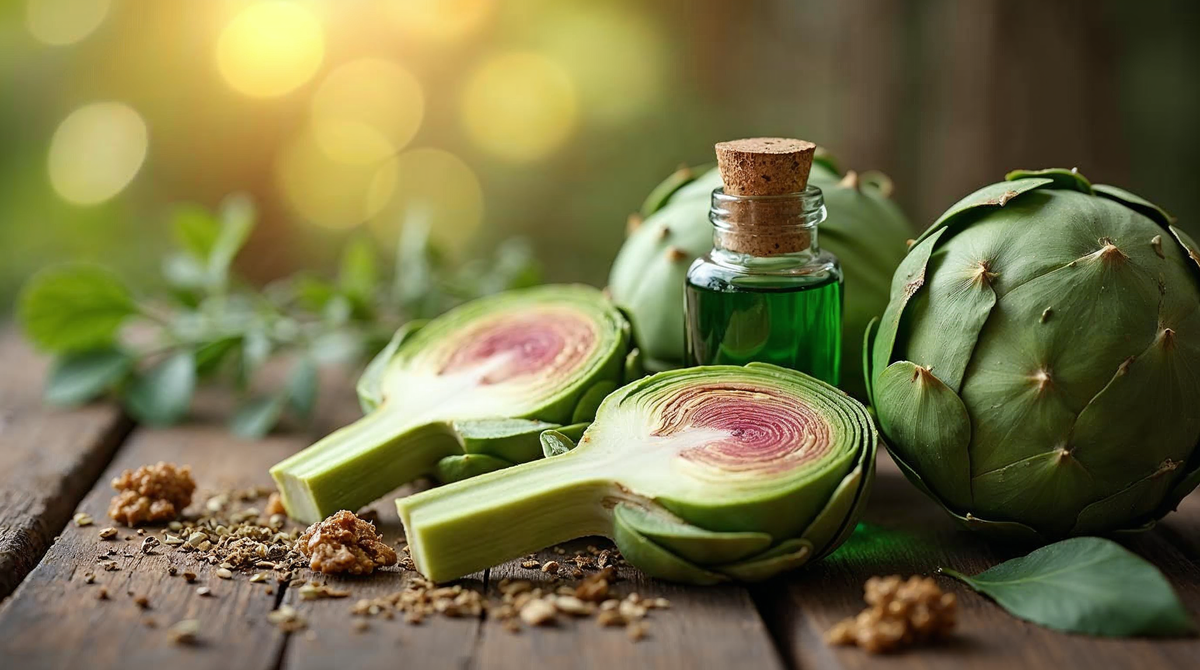
- Artischockenblätter (Cynara scolymus): Reich an Cynarin und anderen Bitterlaktonen, werden Artischockenblätter seit der Antike in der Mittelmeermedizin traditionell verwendet. Eine klassische Ergänzung zur Enzianwurzel in modernen Leber-Produkte von Bitterkraft Kräuterformeln.
- Löwenzahnwurzel (Taraxacum officinale): Der vielseitige Allrounder unter den heimischen Bitterpflanzen. Löwenzahnwurzel ist reich an Taraxacin und anderen Bitterstoffen und wird in der Volksmedizin seit dem Mittelalter geschätzt.
- Galgant (Alpinia officinarum): Eine von Hildegard von Bingen besonders hochgeschätzte Gewürz- und Heilpflanze. Das aromatisch-scharfe Rhizom des Galgants ergänzt die reine Bitterkeit des Enzians um eine wärmende, würzige Komponente.
- Tausendgüldenkraut-Verwandter Fieberklee (Menyanthes trifoliata): Ein traditionelles Bitterkraut der nördlichen Moorlandschaften, das in alten Rezepturen gelegentlich als Ergänzung zu alpinen Bitterpflanzen wie dem Enzian auftaucht.
Die Kombination von Enzianwurzel mit anderen Bitterpflanzen hat in der Geschichte der BitterKraft Original Naturheilkunde ein faszinierendes Erbe hinterlassen. Zahlreiche tradierte Klosterbitter-Rezepturen aus dem Alpenraum listen bis zu zwanzig oder mehr verschiedene Kräuter auf – jedes mit seiner eigenen Geschichte und seinem eigenen Platz in der Formulierung. Dabei war die Enzianwurzel fast immer das Fundament: die Hauptquelle der Bitterkeit, auf der alle anderen Aromen und Pflanzenkräfte aufbauten.
Klassische Klosterbitter-Rezepturen des Alpenraums enthielten Enzianwurzel stets als zentrale Leitpflanze – ein Beleg dafür, dass ihre Sonderstellung als stärkstes Bittermittel der Region bereits vor Jahrhunderten unbestritten war.
Nachhaltige Wildpflanzenkunde: Der Enzian und sein Schutzstatus
Ein Aspekt, der beim Thema Enzianwurzel nicht übergangen werden darf, ist der Naturschutz. Der Gelbe Enzian (Gentiana lutea) ist in Deutschland, Österreich und der Schweiz eine streng geschützte Wildpflanze. Die intensive Wildsammlung der vergangenen Jahrhunderte hat die natürlichen Bestände erheblich dezimiert. Wer in den Alpen wandert, darf zwar die beeindruckenden gelben Blütenkerzen bewundern, aber die Wurzeln zu sammeln ist ohne entsprechende Genehmigung strikt verboten und kann empfindliche Bußgelder nach sich ziehen.
Für kommerzielle Produkte wird Enzianwurzel heute ausschließlich aus kontrolliertem Anbau oder aus legal bewirtschafteten Wildvorkommen gewonnen, hauptsächlich aus den Balkan-Ländern, aus dem Kaukasus und aus Südosteuropa, wo entsprechende Bewirtschaftungsrechte existieren. Qualitativ hochwertige Enzianwurzel-Produkte tragen Angaben zur Herkunft und zur Anbauweise. Wer also Enzianwurzel als Tee, Tinktur oder Pulver verwenden möchte, ist gut beraten, auf seriöse Quellen zu achten und so zum Erhalt dieser faszinierenden Pflanze beizutragen.
Dieser Aspekt passt zur modernen Naturheilkunde-Philosophie, die nicht nur auf die Wirkung einzelner Pflanzen schaut, sondern auch auf den ökologischen und ethischen Kontext ihrer Gewinnung. Nachhaltiger Pflanzeneinsatz bedeutet, die Natur als Partnerin zu betrachten, nicht als Ressource zum Ausbeuten. Hildegard von Bingen würde dieser Sichtweise wohl zustimmen: In ihrer Kosmologie war der Mensch Teil der Schöpfungsordnung, nicht ihr Herrscher – eine Perspektive, die in Zeiten des Artenschwunds aktueller denn je ist.
Der Gelbe Enzian steht in Deutschland, Österreich und der Schweiz unter strengem Naturschutz. Hochwertige Enzianprodukte stammen ausschließlich aus kontrolliertem Anbau oder legal zertifizierten Wildsammelgebieten – auf die Herkunftsangabe sollte beim Kauf unbedingt geachtet werden.
Enzianwurzel heute: Traditionelles Wissen neu entdecken
In einer Zeit, in der viele Menschen nach natürlichen und ganzheitlichen Ergänzungen für ihren Alltag suchen, erlebt das Wissen um Bitterpflanzen eine bemerkenswerte Renaissance. Enzianwurzel steht dabei an der Spitze eines wachsenden Interesses an der sogenannten Bitter-Kompetenz – der Fähigkeit, die Geschmacksqualität „bitter" wieder bewusst in den Alltag zu integrieren. Denn in der modernen Ernährung ist Bitterkeit weitgehend verschwunden: Gezüchtetes Gemüse, verarbeitete Lebensmittel und der Vormarsch von Süße und Salzigkeit haben dazu geführt, dass viele Menschen den Bittergeschmack kaum noch kennen oder als unangenehm empfinden.
Das Wissen der Klostermedizin und der Volksmedizin des Alpenraums bietet hier eine andere Perspektive. Für Hildegard von Bingen und die Kräuterkundigen der vergangenen Jahrhunderte war Bitter nicht ein Mangel, sondern ein Geschenk der Natur – ein Signal, das der Körper erkennt und verarbeitet. Die rituelle Einnahme von Kräuterbitter als Teil einer saisonalen Kur war nicht zufällig, sondern das Ergebnis jahrhundertelanger Beobachtung. Fasten-Produkte Dieses Erbe lässt sich heute wieder aufgreifen: als Teil einer bewussten Lebensführung, als Ergänzung zu einer ausgewogenen Ernährung, als Verbindung zu einer langen und reichen Tradition.
Enzianwurzel ist in verschiedenen Formen erhältlich: als getrocknete, geschnittene Wurzel für Tee-Zubereitungen, als alkoholischer Flüssigextrakt (Tinktur), als Pulver in Kapselform oder als Bestandteil von Kräuterbitter-Mischungen. BitterKraft Original Wer empfindlich auf intensive Bitterstoffe reagiert oder bestimmte gesundheitliche Besonderheiten aufweist, sollte vor der regelmäßigen Verwendung eine Fachperson – etwa einen Heilpraktiker oder Arzt – konsultieren. Ebenso gilt: Schwangere und stillende Frauen sollten auf Enzianwurzel-Produkte verzichten, da traditionelle Vorsichtsempfehlungen für diese Personengruppen bestehen.
Das Europäische Arzneibuch (Ph. Eur.) definiert für Enzianwurzel einen Mindest-Bitterwert von 10.000 als Qualitätsstandard. Damit ist die Enzianwurzel eine der wenigen Heilpflanzen, für die die Bitterkeit selbst zum analytischen Qualitätsmerkmal erhoben wurde – ein einzigartiger Status im europäischen Heilpflanzenrecht.
Die Enzianwurzel verbindet wie kaum eine andere Pflanze die Welt der Alpen-Volksmedizin mit dem modernen Interesse an Naturheilkunde und traditionellem Pflanzenwissen. Sie ist ein lebendes Stück Kulturgeschichte, ein phytochemisches Meisterwerk und ein Symbol dafür, dass das Wissen unserer Vorfahren über die Heilkraft der Natur noch lange nicht ausgeschöpft ist. Wer sich auf die Reise durch die Welt der Bitterpflanzen begibt, findet in der Enzianwurzel einen unverzichtbaren Begleiter – herb, eigenwillig und unverwechselbar, wie die Alpenwelt selbst, aus der sie stammt.

Hinterlasse einen Kommentar
Diese Website ist durch hCaptcha geschützt und es gelten die allgemeinen Geschäftsbedingungen und Datenschutzbestimmungen von hCaptcha.