

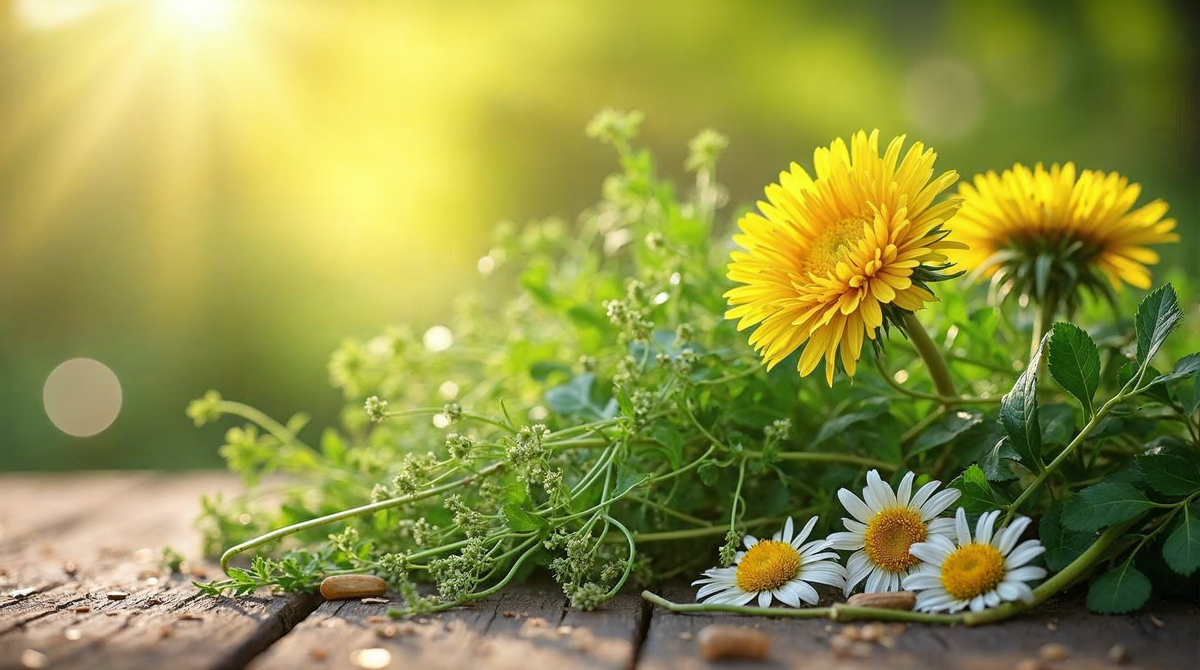
Der Frühling gilt seit Jahrhunderten als die natürlichste Zeit für eine innere Erneuerung. Wenn die Natur erwacht, die ersten Wildkräuter aus dem Boden sprießen und die Tage länger werden, spüren viele Menschen den Wunsch, auch im eigenen Körper etwas „aufzuräumen". In der traditionellen Kräuterheilkunde – und ganz besonders im Geist von Hildegard von Bingen – war die Frühlingskur kein modischer Trend, sondern ein fester Bestandteil des Jahresrhythmus. Eine bewusste Darmkur im Frühling kann das allgemeine Wohlbefinden unterstützen und ist eine wunderbare Möglichkeit, sich mit uraltem Pflanzenwissen zu verbinden. Diese Schritt-für-Schritt-Anleitung führt dich durch eine traditionell inspirierte Darmkur – verständlich, alltagstauglich und tief in der Kräutermedizin verwurzelt. Darm- und Verdauungsprodukte
Warum der Frühling die ideale Zeit für eine Darmkur ist
In der traditionellen Naturheilkunde und der Klostermedizin war der Wechsel der Jahreszeiten weit mehr als ein kalendarisches Ereignis. Er markierte den Rhythmus von Aufbau und Reinigung, von Ruhe und Erneuerung. Der Frühling – in der alten Lehre oft mit dem Element Feuer und dem Prinzip des Neubeginns verbunden – galt als die Zeit, in der der Körper nach den schweren Wintermonaten besonders empfänglich für aufbauende und reinigende Kräuterpraktiken ist. Hildegard von Bingen beschrieb in ihren Schriften, wie die erwachende Natur auch den Menschen innerlich in Bewegung bringt, und empfahl bestimmte Kräutertränke und Fastenpraktiken für den Frühlingsanfang.
Aus der Perspektive der Volksmedizin liegt der Gedanke nahe: Im Winter ernähren wir uns oft schwerer, bewegen uns weniger, und die Verdauung kommt buchstäblich „ins Stocken". Wenn nun die Frühlingsluft frischer wird, die Bitterkeit der ersten Wildkräuter wie Löwenzahn, Brennnessel und Bärlauch aus dem Boden drängt, sendet die Natur selbst ein Signal. Diese Pflanzen wurden seit Generationen genutzt, um nach der Winterzeit das innere Gleichgewicht wieder herzustellen. Dass der Frühling für eine Darmkur besonders geeignet ist, ist daher keine erfundene Marketing-Idee, sondern ein jahrtausendealtes kulturelles Wissen. Hildegard von Bingen Produkte
Interessant ist auch der psychologische Aspekt: Die Frühlingskur hat immer auch eine rituelle Dimension gehabt. Der bewusste Entschluss, den Körper für einige Wochen besonders achtsam zu pflegen, zu beobachten und mit Kräutern zu begleiten, schafft eine Form der inneren Aufmerksamkeit, die in unserem Alltag selten geworden ist. Eine Darmkur im Frühling ist so gesehen ein Akt der Selbstfürsorge – im besten Sinne von Hildegards ganzheitlichem Menschenbild, das Körper, Seele und Geist stets zusammen betrachtete.
Der Frühling wurde in der traditionellen Kräuterheilkunde seit Jahrhunderten als die kraftvollste Zeit für eine Darmkur genutzt – weil die Natur selbst mit bitteren Wildkräutern den Weg weist.
Die wichtigsten Kräuter für die traditionelle Darmkur
Die Kräuterheilkunde kennt eine Fülle von Pflanzen, die in der Volksmedizin seit Generationen für Darmkuren eingesetzt wurden. Hildegard von Bingen selbst beschrieb in ihrem Werk „Physica" zahlreiche Pflanzen, die traditionell mit dem Verdauungssystem in Verbindung gebracht wurden – darunter Fenchel, Wermut, Fohlenkraut und Flohsamen. Das Besondere an ihrem Ansatz war, dass sie nie einzelne Pflanzen isoliert betrachtete, sondern stets das Zusammenspiel mehrerer Kräuter und die Lebensweise des Menschen als Ganzes. Diese ganzheitliche Sichtweise macht die Hildegard-Medizin bis heute zu einer faszinierenden Inspirationsquelle für alle, die eine Darmkur nach traditionellem Vorbild gestalten möchten. BitterKraft Original
Ein zentrales Prinzip der traditionellen Kräuterheilkunde ist die Nutzung von Bitterstoffen. Bittere Pflanzen wurden in nahezu allen alten Heilsystemen – von der ayurvedischen Medizin bis zur europäischen Klostermedizin – als besonders wertvoll für das innere Gleichgewicht angesehen. Der Bitterstoff-Komplex in Pflanzen wie Wermut, Enzian, Löwenzahn oder Artischocke ist seit Jahrhunderten Bestandteil traditioneller Frühjahrskuren. In der Klostermedizin wurden Bittertinkturen und Kräutertees als fester Bestandteil der Frühlingsrituale gepflegt – eine Tradition, die sich heute in der Naturheilkunde erfreulicherweise wieder großer Beliebtheit erfreut.
Neben den Bitterpflanzen spielen schleimbildende und „beruhigende" Kräuter eine wichtige Rolle. Flohsamenschalen etwa waren bereits im Mittelalter für ihre Eigenschaft bekannt, dem Darm eine sanfte, hüllende Unterstützung zu geben. Auch Fenchel, Kümmel und Anis wurden traditionell bei Blähungen und Schwere nach den schweren Winterkostgewohnheiten eingesetzt. Die Kombination aus bitteren, aufbauenden und sanft-hüllenden Kräutern ist das klassische Grundprinzip einer traditionellen Frühlingsdarmkur.
Diese Kräuter werden traditionell für die Darmkur genutzt:
- Löwenzahn: Wird seit Jahrhunderten in der Volksmedizin als klassisches Frühlingskraut geschätzt. Sowohl Blätter als auch Wurzel sind traditionell bekannt und wurden in der Klostermedizin für Frühjahrskuren verwendet.
- Wermut: Hildegard von Bingen beschrieb Wermut als eines der wichtigsten Heilkräuter und nutzte ihn traditionell in Tinkturen und Tees. Er zählt zu den intensivsten Bitterkräutern der europäischen Pflanzenheilkunde.
- Fenchel: In der Klostermedizin und bei Hildegard von Bingen besonders hoch geschätzt – sie empfahl Fenchel in vielen ihrer Rezepturen als wohltuendes und ausgleichendes Kraut.
- Flohsamenschalen: Seit der Antike als Quellmittel bekannt, werden Flohsamenschalen in der traditionellen Naturheilkunde als sanfte pflanzliche Ergänzung für die Darmgesundheit eingesetzt.
- Artischocke: Historisch vor allem in der mediterranen Kräutermedizin verankert, wurde die Artischocke als typische Frühlingspflanze für Reinigungskuren genutzt und ist heute fester Bestandteil vieler Naturheilkunde-Protokolle. Leber-Produkte von Bitterkraft
- Brennnessel: Als eines der bekanntesten Frühlingswildkräuter gilt die Brennnessel in der Volksmedizin als ideale Begleitpflanze für Frühjahrskuren – traditionell als Tee oder in Wildkräutergerichten verwendet.
- Enzian: Einer der intensivsten europäischen Bitterstoff-Lieferanten, historisch tief in der alpinen Kräutermedizin verwurzelt und traditionell für Frühlingskuren überliefert.
💚 Was steckt hinter den Bitterkräutern?
Bittere Pflanzen enthalten komplexe sekundäre Pflanzenstoffe – sogenannte Bitterstoffe (Iridoide, Sesquiterpenlactone, Alkaloide) – die in der pflanzlichen Nahrung und Naturheilkunde traditionell eine besondere Rolle spielen. In der heutigen modernen Ernährung sind Bitterstoffe weitgehend weggezüchtet worden, weshalb eine bewusste Ergänzung mit traditionellen Bitterkräutern im Frühling einen sinnvollen Ausgleich bieten kann. Bitterkraft.com bietet ausgewählte Bitterkraut-Produkte an, die nach traditionellen Rezepturen zusammengestellt wurden. BitterKraft Original
Schritt-für-Schritt: So gestaltest du deine Frühlingsdarmkur
Eine traditionelle Darmkur nach kräuterheilkundlichem Vorbild ist kein starres Programm, sondern ein lebendiger Prozess, der sich deinem Alltag anpassen lässt. Die folgende Anleitung orientiert sich an den Prinzipien der Klostermedizin und der Volksmedizin und lässt sich in drei Phasen aufteilen: Vorbereitung, aktive Kräuterphase und Integration. Die Gesamtdauer beträgt idealerweise drei bis vier Wochen – eine Zeitspanne, die in der Naturheilkunde traditionell für Kurenprogramme empfohlen wird. Wichtig ist, dass du dir vorab einen ruhigen Einstieg gönnst und nicht mitten in einer besonders stressreichen Lebenssituation beginnst. Fasten-Produkte
Phase 1 – Vorbereitung (3–5 Tage): Reduziere schrittweise stark verarbeitete Lebensmittel, Alkohol, Kaffee und Weißzucker. Statt eines abrupten Entzugs geht es hier um das sanfte „Hinzufügen" von Gutem: Integriere täglich einen Tee aus Fenchel, Kümmel und Anis nach dem Essen. Trinke morgens ein großes Glas lauwarmes Wasser mit einem Spritzer Zitrone. Beginne, täglich einen kleinen Spaziergang in der Natur zu machen – die bewusste Verbindung zur erwachenden Natur war in der Klostermedizin selbst Teil der Kur. Bereite deinen Kräutervorrat vor: Wermuttinktur, Löwenzahntee, Flohsamenschalen und ein gutes Bitternkraut-Präparat.
Phase 2 – Aktive Kräuterphase (14–21 Tage): Dies ist das Herzstück deiner Darmkur. Beginne den Tag mit einem kleinen Glas Wasser und einem halben Teelöffel Flohsamenschalen (danach viel trinken). Vor den Hauptmahlzeiten kannst du traditionell eine kleine Menge Bitterkraut-Tinktur oder Bitterelixier einnehmen – diese Praxis ist seit Jahrhunderten aus der Klostermedizin überliefert. Mittags: eine warme, leicht gewürzte Mahlzeit mit Fenchel, Kümmel oder Kurkuma. Abends: ein beruhigender Tee aus Melisse und Fenchel. Wer möchte, kann zusätzlich ein bis zwei Fastentage (Brühe, Tee, Wasser) einbauen – auch diese Praxis ist in der Hildegard-Medizin fest verankert. Hildegard von Bingen Produkte
„Fenchel ist gut für gesunde und kranke Menschen: isst man ihn täglich, vermindert er den schlechten Schleim im Menschen, macht ihn froh und wärmt seine Eingeweide." – Hildegard von Bingen, Physica (ca. 1150–1160), Kapitel über Gemüse und Kräuter. Diese historische Quelle zeigt, wie tief der Fenchel im kräuterheilkundlichen Denken des Mittelalters verwurzelt war.
Phase 3 – Integration (5–7 Tage): Die Abschlussphase ist ebenso wichtig wie der Start. Führe die Kräutergewohnheiten schrittweise zurück in deinen Alltag – nicht alles auf einmal loslassen, sondern mindestens einen täglichen Kräutertee beibehalten. Notiere in einem kleinen Tagebuch, wie du dich während der Kur gefühlt hast. Die bewusste Reflexion war in der Klostermedizin ein wichtiger Teil des Heilungsrituals. Plane, zwei bis drei Mal im Jahr eine kürzere Kräuterwoche zu machen – traditionell empfohlen zu Frühling, Mitte Sommer und Herbst.
Das Grundprinzip der traditionellen Darmkur lautet nicht „Weglassen und Leiden", sondern „Bewusst Hinzufügen" – mehr Kräuter, mehr Wasser, mehr Ruhe, mehr Natur. Das ist der Geist der Klostermedizin.
Ernährung und Lebensweise während der Kur: Was Hildegard empfehlen würde
Hildegard von Bingen war keine Kräuter-Dogmatikerin. Ihr Werk zeigt immer wieder, dass sie den Menschen ganzheitlich sah – Ernährung, Schlaf, Bewegung, innere Haltung und das soziale Leben gehörten für sie untrennbar zusammen. Eine Darmkur, die sich nur auf Nahrungsergänzungsmittel und Tees reduziert, ohne die Lebensweise zu berücksichtigen, wäre in ihrem Sinne unvollständig. Deshalb lohnt es sich, auch den Alltag während der Frühlingskur achtsam zu gestalten. Schlaf- und Entspannungsprodukte
Hildegards Ernährungslehre betonte vor allem die Bedeutung von gekochtem Dinkel, frischen Kräutern, Gemüse und maßvollem Fleischgenuss. Stark Verarbeitetes, übermäßig Fettiges und zu viel Süßes galten als hinderlich für das innere Gleichgewicht. Für eine Darmkur im Frühling empfiehlt sich eine leichte, überwiegend pflanzliche Kost: Gemüsesuppen, gekochtes Gemüse, frische Wildkräutersalate (Löwenzahn, Giersch, Brennnessel), Dinkelprodukte, gedünsteter Fisch und viel Kräutertee. Besonders traditionell: ein kleines Glas Ingwer-Honig-Wasser am Morgen – Hildegard schätzte Ingwer und Honig als Wärmemittel für Körper und Geist.
Ebenso wichtig ist ausreichend Schlaf und Ruhe. In der Klostermedizin war die Nachtruhe heilig – das Klosterleben folgte einem festen Rhythmus aus Arbeit, Gebet und Schlaf, der dem Körper eine tiefe Regeneration ermöglichte. Für deine Darmkur bedeutet das: Versuche, während der Kur-Wochen etwas früher zu Bett zu gehen, Bildschirmzeit am Abend zu reduzieren und Stille als Ressource zu nutzen. Tägliche Spaziergänge in der Natur – idealerweise barfuß auf Gras oder in einem Park – runden die traditionelle Kur auf eine Weise ab, die kein Präparat ersetzen kann. Schlaf- und Entspannungsprodukte
🌿 Tagesplan während der aktiven Kräuterphase (Beispiel):
Morgens: Lauwarmes Wasser + Flohsamenschalen, danach Kräutertee (Brennnessel/Löwenzahn)
Vor dem Mittagessen: Kleine Menge Bittertinktur oder Bitterelixier (traditionell überliefert)
Mittags: Warme, leicht gewürzte Mahlzeit mit viel Gemüse und Kräutern
Nachmittags: Spaziergang in der Natur, ggf. frische Wildkräuter sammeln
Abends: Leichte Mahlzeit, Fenchel-Melisse-Tee, Reflexion im Tagebuch
Dieser Tagesrhythmus ist inspiriert von den Tagesstrukturen der Klostermedizin und lässt sich problemlos an moderne Lebensrealitäten anpassen.
Für Frauen bietet der Frühling übrigens noch eine besondere Dimension: In der Volksmedizin und der Hildegard-Medizin wurden bestimmte Kräuter speziell für Frauen empfohlen – darunter Frauenmantel, Schafgarbe und Melisse, die traditionell als ausgleichend und stärkend für das weibliche System galten. Eine Frühlingsdarmkur kann also für Frauen noch um diese pflanzlichen Begleiter erweitert werden. Produkte für Frauengesundheit
Häufige Fragen und typische Anfängerfehler bei der Darmkur
Wer zum ersten Mal eine traditionelle Darmkur macht, begegnet oft ähnlichen Fragen und Unsicherheiten. Eine der häufigsten: „Wie merke ich, dass die Kur wirkt?" Hier ist Geduld gefragt. Die traditionelle Kräuterheilkunde denkt in Rhythmen und Prozessen – nicht in schnellen Ergebnissen. Das allgemeine Wohlbefinden kann sich langsam verändern, und oft sind es subtile Zeichen wie ruhigerer Schlaf, ein klareres Körpergefühl oder eine verbesserte Stimmung, die sich einstellen. Hildegard selbst schrieb, dass der Körper Zeit braucht, um sich einem neuen Gleichgewicht anzunähern.
Ein klassischer Anfängerfehler ist der Versuch, zu viele Kräuter gleichzeitig zu nehmen – mehr ist hier nicht mehr. Die Klostermedizin kannte klare Rezepturen, die bewusst auf wenige, gut aufeinander abgestimmte Pflanzen setzten. Wenn du mit zwei bis drei Kräutern beginnst und diese konsequent über die Kurdauer verwendest, ist das wesentlich wirkungsvoller als ein buntes Kräuter-Sammelsurium. Ein weiterer Fehler: die Kur ohne ausreichend Flüssigkeit durchführen. Besonders bei der Verwendung von Flohsamenschalen ist eine ausreichende Wasserzufuhr (mindestens 1,5–2 Liter täglich) absolut entscheidend. Darm- und Verdauungsprodukte
Wichtig ist auch: Nicht jede Darmkur eignet sich für jeden Menschen gleichermaßen. Schwangere, Stillende, Menschen mit chronischen Erkrankungen oder regelmäßiger Medikamenteneinnahme sollten vor dem Start einer Kräuterkur Rücksprache mit einer Heilpraktikerin oder einem Arzt halten. Die traditionelle Kräuterheilkunde hat stets betont, dass das individuelle Konstitutionsbild des Menschen entscheidend ist – Hildegard nannte dies das Gleichgewicht der „Viriditas", der inneren Lebenskraft. Ein kräuterkundiger Heilpraktiker kann helfen, die Kur auf deine persönliche Konstitution abzustimmen.
Weniger ist mehr: Eine traditionelle Darmkur mit zwei bis drei gezielt ausgewählten Kräutern, konsequent über drei bis vier Wochen durchgeführt, ist wirkungsvoller als ein überfüllter Kräutermix. Das ist das überlieferte Geheimnis der Klostermedizin.
In einer Übersichtsarbeit zur historischen Nutzung von Bitterpflanzen in der europäischen Volksmedizin (Wichtl, M.: „Teedrogen und Phytopharmaka", 5. Auflage, 2008) wird dokumentiert, dass Bitterkräuter wie Wermut, Enzian und Löwenzahn zu den am längsten und konsistentesten verwendeten Heilpflanzen der abendländischen Medizin gehören – mit Nachweisen ihrer traditionellen Nutzung bis in die Antike zurück. Diese historische Kontinuität unterstreicht die kulturelle Tiefe, auf der moderne Naturheilkunde-Praktiken aufbauen.
Abschließend noch ein Gedanke, der vielleicht der wichtigste ist: Eine Darmkur im Frühling ist kein Notfallprogramm und keine Reaktion auf ein Problem. Sie ist – im Sinne von Hildegard von Bingen – ein Ausdruck von Selbstachtung und einem Leben im Einklang mit den Jahreszeiten. Wer sich einmal im Jahr die Zeit nimmt, innezuhalten, den Körper bewusst zu pflegen und sich mit der Weisheit der Kräuter zu verbinden, pflegt nicht nur seinen Darm – sondern auch die Verbindung zu einer Jahrtausende alten Heilkultur, die uns noch immer so viel zu sagen hat. alle Bitterkraft Produkte

Hinterlasse einen Kommentar
Diese Website ist durch hCaptcha geschützt und es gelten die allgemeinen Geschäftsbedingungen und Datenschutzbestimmungen von hCaptcha.