

Eine ausgewogene Verdauung ist die Grundlage für unser Wohlbefinden. Viele Menschen erleben Verdauungsbeschwerden, die ihren Alltag beeinträchtigen können. Hinter verschiedenen Symptomen steht oft ein empfindliches Verdauungssystem, das besondere Aufmerksamkeit benötigt. Die gute Nachricht: Eine gesunde Darmflora kann maßgeblich zum allgemeinen Wohlbefinden beitragen. Bereits Hildegard von Bingen erkannte die Bedeutung von Bitterstoffen für die Verdauung – eine Weisheit, die traditionell seit Jahrhunderten geschätzt wird.
📋 Inhaltsverzeichnis
Verdauungsenzyme: Wichtige Helfer im Körper
Die Diaminoxidase, kurz DAO, ist ein wichtiges Enzym in unserem Verdauungssystem. Es wird hauptsächlich in der Dünndarmschleimhaut gebildet und ist traditionell für seine Rolle bei der Verdauung bekannt. Verschiedene Nahrungsmittel wie gereifter Käse, Rotwein oder fermentierte Produkte werden seit jeher unterschiedlich gut vertragen. Die natürliche Enzymaktivität kann von Person zu Person variieren.
Die Enzymproduktion ist eng mit der Gesundheit unserer Darmschleimhaut verknüpft. Diese kann durch verschiedene Faktoren wie Stress, bestimmte Medikamente oder eine unausgewogene Ernährung beeinflusst werden. Dies erklärt, warum viele Menschen mit empfindlicher Verdauung gleichzeitig bestimmte Nahrungsmittel weniger gut vertragen. Die Darmschleimhaut benötigt optimale Bedingungen für ihr natürliches Wohlbefinden.
Besonders interessant ist, dass Verdauungsenzyme stark von der Zusammensetzung unserer Darmflora beeinflusst werden können. Bestimmte Bakterienstämme werden traditionell mit einer gesunden Verdauung in Verbindung gebracht, während andere weniger förderlich sind. Eine ausgewogene Mikrobiota trägt zur normalen Verdauungsfunktion bei. Darm- und Verdauungsprodukte können daher eine wertvolle Unterstützung für das allgemeine Wohlbefinden sein.
Wie Bitterstoffe die Darmgesundheit fördern
Bitterstoffe werden traditionell für ihre verdauungsfördernden Eigenschaften geschätzt. Schon beim ersten Kontakt mit der Zunge aktivieren sie über die Bitterrezeptoren natürliche Verdauungsreaktionen. Die Speichelproduktion wird angeregt, die Magensäure verstärkt gebildet und die Produktion von Verdauungsenzymen stimuliert. Diese optimierten Verdauungsbedingungen schaffen die Grundlage für eine gesunde Darmflora und können das allgemeine Wohlbefinden unterstützen.
Die regelmäßige Aufnahme von BitterKraft Original kann das Darmmilieu positiv beeinflussen. Durch die verbesserte Verdauung werden Nahrungsbestandteile effizienter aufgespalten und das natürliche Gleichgewicht der Darmflora kann unterstützt werden. Gleichzeitig können sich nützliche Bakterienstämme besser ansiedeln, die wiederum traditionell für eine gesunde Darmschleimhaut bekannt sind. Eine intakte Darmschleimhaut trägt zur normalen Verdauungsfunktion bei.
Bitterstoffe werden seit Jahrhunderten für ihre präbiotischen Eigenschaften geschätzt und können das Wachstum gesundheitsfördernder Darmbakterien unterstützen. Diese produzieren wichtige kurzkettige Fettsäuren, die als Nahrung für die Darmschleimhautzellen dienen. Eine gut genährte und gesunde Darmschleimhaut kann zum natürlichen Wohlbefinden beitragen, wodurch sich ein positiver Kreislauf entwickelt.
Hildegards Weisheit: Bittere Kräuter für die Verdauung
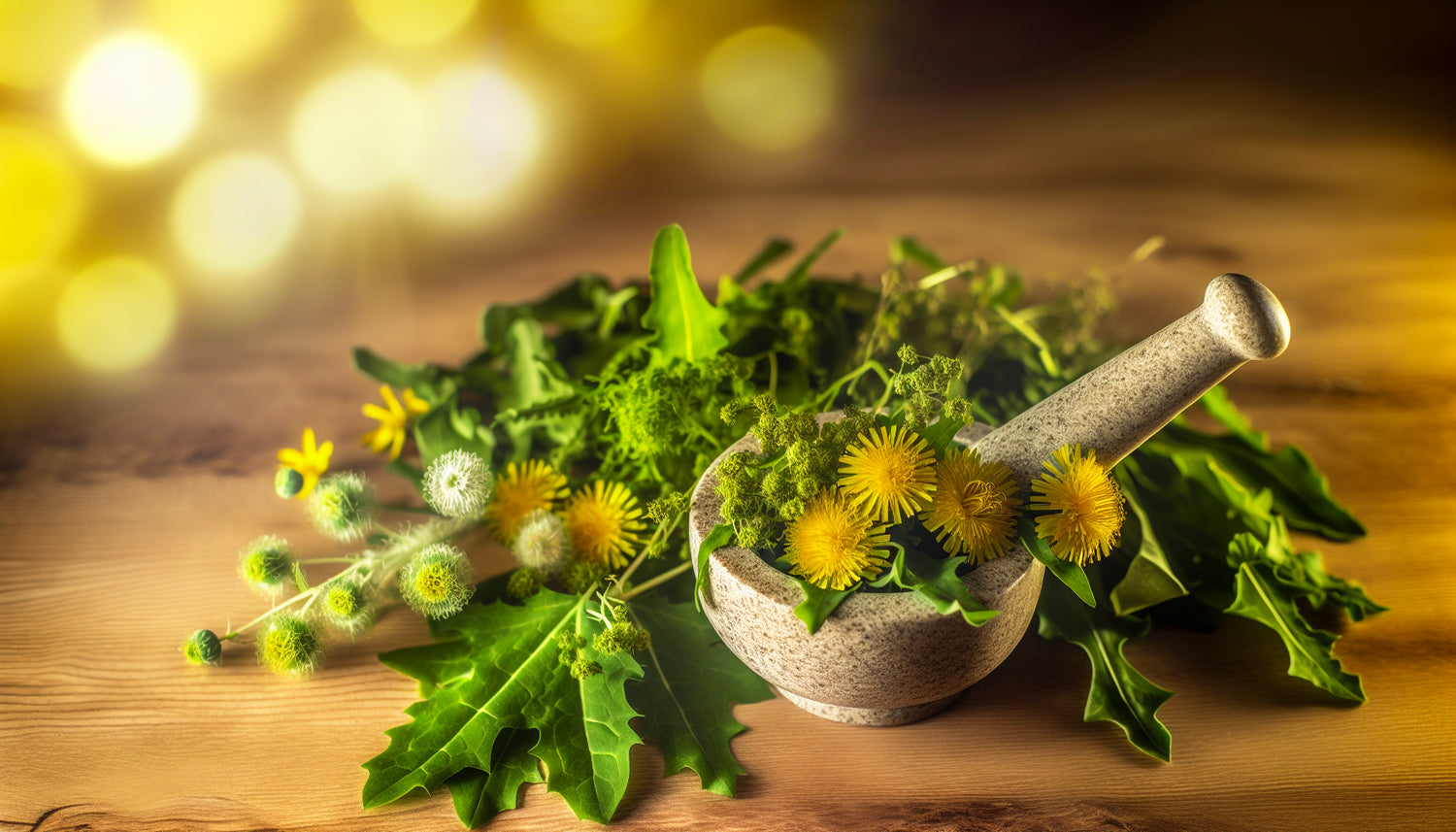
Hildegard von Bingen, die große Äbtissin und Naturheilkundlerin des 12. Jahrhunderts, erkannte bereits die besondere Bedeutung bitterer Pflanzen für das Wohlbefinden. In ihren Schriften beschreibt sie detailliert, wie verschiedene Bitterkräuter traditionell zur Unterstützung der Verdauung verwendet wurden. Besonders schätzte sie Wermut, Enzian und Löwenzahn für ihre verdauungsfördernden Eigenschaften. Diese Pflanzen enthalten komplexe Bitterstoffe, die seit Jahrhunderten für ihre positive Wirkung auf das Verdauungssystem bekannt sind.
Nach Hildegards Verständnis waren Bitterstoffe nicht nur für die akute Verdauungsunterstützung wichtig, sondern auch für die langfristige Erhaltung der Darmgesundheit. Sie beobachtete, dass Menschen, die regelmäßig bittere Kräuter zu sich nahmen, seltener unter Verdauungsbeschwerden litten. Diese Beobachtungen decken sich erstaunlich gut mit traditionellem Naturheilwissen über die Bedeutung einer ausgeglichenen Darmflora und die Rolle von Hildegard von Bingen Produkte für das allgemeine Wohlbefinden.
Die von Hildegard empfohlenen Bitterpflanzen enthalten eine Vielzahl sekundärer Pflanzenstoffe, die über die reine Bitterwirkung hinausgehen. Viele dieser Substanzen werden traditionell für ihre wohltuenden Eigenschaften geschätzt und können das natürliche Gleichgewicht der Darmschleimhaut unterstützen. Gerade diese traditionell bekannte Wirkung auf die Darmgesundheit könnte erklären, warum Bitterkräuter-Anwendungen oft mit einem verbesserten allgemeinen Wohlbefinden einhergehen.
Praktische Tipps für den Alltag
Die Integration von Bitterstoffen in den täglichen Speiseplan muss nicht kompliziert sein. Schon kleine Mengen können das Wohlbefinden unterstützen. Ein bewährter Ansatz ist die traditionelle Verwendung von Bittertropfen vor den Hauptmahlzeiten. Einige Tropfen einer hochwertigen Bitterstoffmischung auf der Zunge können die Verdauung optimal vorbereiten und langfristig zur Darmgesundheit beitragen. Wichtig ist die Regelmäßigkeit – nur bei kontinuierlicher Anwendung können sich die positiven Effekte auf die Darmflora voll entfalten.
Neben konzentrierten Bitterstoffen lassen sich auch bittere Lebensmittel wunderbar in den Speiseplan integrieren. Rucola, Chicorée, Radicchio oder Artischocken bringen nicht nur Geschmacksvielfalt auf den Teller, sondern auch wertvolle Bitterstoffe. Kräutertees aus Löwenzahn, Schafgarbe oder Tausendgüldenkraut können ebenfalls zur täglichen Bitterstoffversorgung beitragen. Gerade am Abend getrunken, können sie traditionell das nächtliche Wohlbefinden unterstützen.
Für Menschen mit empfindlicher Verdauung ist es besonders wichtig, auf die Qualität der verwendeten Produkte zu achten. Frische oder schonend getrocknete Kräuter sind fermentierte oder lange gelagerte Varianten vorzuziehen. Eine schrittweise Einführung von Bitterstoffen ist empfehlenswert, um den Körper sanft an die verstärkte Verdauungsaktivität zu gewöhnen. In Kombination mit einer ausgewogenen, darmfreundlichen Ernährung können Bitterstoffe so einen wertvollen Beitrag zum natürlichen Wohlbefinden leisten.
🤖 Das Beitragsbild dieses Artikels wurde mit DALL·E 3 (OpenAI) mithilfe von Künstlicher Intelligenz generiert (gemäß EU AI Act Art. 50 gekennzeichnet).


Hinterlasse einen Kommentar
Diese Website ist durch hCaptcha geschützt und es gelten die allgemeinen Geschäftsbedingungen und Datenschutzbestimmungen von hCaptcha.