

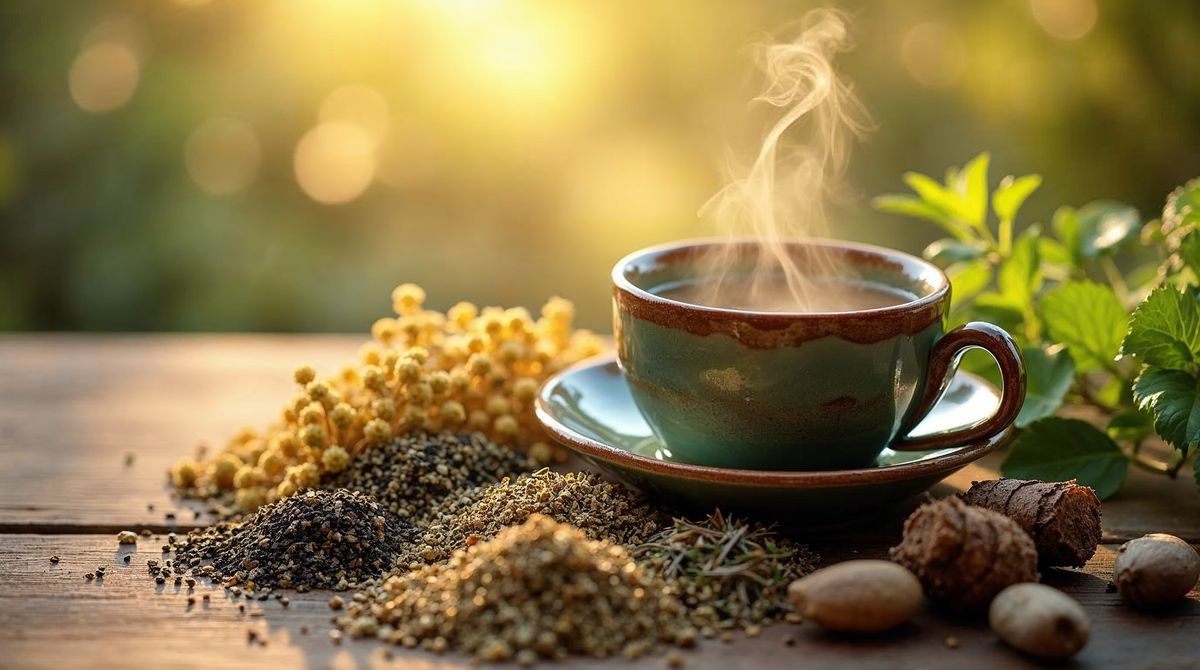
Es gibt Momente nach dem Essen, in denen man sich schwer und träge fühlt – als wäre der Körper mit sich selbst beschäftigt und braucht einfach etwas Zeit. Genau in solchen Momenten greifen Menschen seit Jahrhunderten zu einem einfachen, aber bemerkenswerten Ritual: einer Tasse Bitterkräuter-Tee. Was die Großmutter noch selbst im Garten gesammelt hat, was Hildegard von Bingen in ihren Schriften als kostbares Wissen festhielt und was Mönche in mittelalterlichen Klostergärten mit großer Sorgfalt kultivierten, erlebt heute eine lebhafte Renaissance. Bitterkräuter-Tees sind weit mehr als eine alte Modeerscheinung – sie sind ein Stück gelebter Pflanzenweisheit, das sich durch die Jahrhunderte erhalten hat. In diesem Artikel stellen wir Ihnen die besten traditionellen Mischungen vor, erklären, welche Kräuter darin eine Rolle spielen, und zeigen, wie Sie dieses Ritual sinnvoll in Ihren Alltag integrieren können.
Was Bitterkräuter so besonders macht – eine jahrtausendealte Tradition
Wer zum ersten Mal einen echten Bitterkräuter-Tee trinkt, ist oft überrascht: Der Geschmack ist intensiv, klar und ungewohnt herb. Und genau das ist beabsichtigt. Der Bitterstoff ist keine Fehlfunktion der Natur, sondern eine ihrer ältesten Sprachen. Schon in der Antike waren Pflanzen mit ausgeprägtem Bitterstoffgehalt hochgeschätzt – nicht trotz ihres Geschmacks, sondern gerade deshalb. Im alten Ägypten, in der griechisch-römischen Medizin und in den Überlieferungen der ayurvedischen Tradition spielten Bitterpflanzen eine zentrale Rolle im täglichen Leben der Menschen.
Hildegard von Bingen, die Benediktinerin und Naturkundlerin des 12. Jahrhunderts, beschrieb in ihrem Hauptwerk Physica eine Vielzahl von Heilkräutern und betonte immer wieder die besondere Bedeutung des Bittergeschmacks. Sie sah in den Bitterstoffen eine Art innere Ordnungskraft – etwas, das dem Körper dabei helfe, in seine natürliche Balance zurückzufinden. Ihr Kräuterwissen war dabei kein abstraktes Theoriewissen, sondern gelebte Erfahrung aus dem Klostergarten, aus der täglichen Beobachtung und aus Jahrhunderten weitergegebenem Wissen der Benediktiner-Gemeinschaft. Hildegard von Bingen Produkte
Bitterpflanzen begleiten die Menschheit seit Jahrtausenden – in Klostergärten, Kräuterapotheken und Haushalten wurden sie traditionell als wertvolle Begleiter des täglichen Wohlbefindens geschätzt. Dieses überlieferte Wissen ist der eigentliche Schatz hinter jedem Bitterkräuter-Tee.
Was Bitterkräuter von anderen Teearten unterscheidet, ist vor allem ihre Komplexität. Ein guter Bitterkräuter-Tee ist kein Einheitserlebnis – er entfaltet sich in mehreren Phasen. Zunächst macht sich der herbe Bitterstoff bemerkbar, dann folgen oft blumige, erdige oder sogar leicht süßliche Noten, je nachdem, welche Kräuter in der Mischung enthalten sind. Diese Vielschichtigkeit macht das Trinken selbst zu einem bewussten, entschleunigenden Ritual. Man hält inne, riecht, schmeckt und nimmt sich eine Auszeit vom Alltag. Genau das ist vielleicht der unterschätzte Kern des Bitterkräuter-Tees: Er lädt zur Achtsamkeit ein.
„Wermut ist warm und trocken, er hat eine starke Bitterkeit, und diese Bitterkeit ist ihm nützlich, damit er dem Menschen Gesundheit bewahre." – Hildegard von Bingen, Physica, 12. Jahrhundert
Besonders bemerkenswert ist, wie konsequent Hildegard von Bingen auf Ausgewogenheit setzte. Sie empfahl Bitterstoffe nie isoliert, sondern stets im Kontext einer ganzheitlichen Lebensweise – in Verbindung mit Bewegung, Schlaf, maßvollem Essen und innerem Gleichgewicht. Diese Sichtweise ist erstaunlich modern und findet sich in den heutigen Konzepten der Naturheilkunde wieder. BitterKraft Original
Die wichtigsten Bitterkräuter für Ihren Tee – ein Überblick
Nicht alle Bitterkräuter sind gleich – in Aroma, Intensität und traditionellem Verwendungszweck unterscheiden sie sich teils erheblich. Wer eine eigene Bitterkräuter-Mischung zusammenstellen oder eine fertige Mischung bewusster auswählen möchte, sollte die wichtigsten Vertreter dieser Pflanzenfamilie kennen. Dabei gilt: Gute Mischungen balancieren intensive Bitterpflanzen mit milderen, aromatischen Begleitkräutern, um einen ausgewogenen, angenehm trinkbaren Tee zu erzeugen.
Diese Kräuter sind traditionell in Bitterkräuter-Tees besonders geschätzt:
- Wermut (Artemisia absinthium): Eines der ältesten und intensivsten Bitterkräuter überhaupt. Wermut war bereits in der Klostermedizin des Mittelalters bekannt und wird seit Jahrhunderten traditionell als Teil von Kräutertees verwendet. Sein ausgeprägter Bittergeschmack verleiht jeder Mischung eine unverwechselbare Tiefe.
- Enzian (Gentiana lutea): Die Enzianwurzel gilt in der europäischen Kräuterkunde als König der Bitterpflanzen. Schon in der antiken Heilkunde und später in der Volksmedizin der Alpenregion war Enzian als traditionelle Pflanze zum Wohlbefinden bekannt und hoch angesehen.
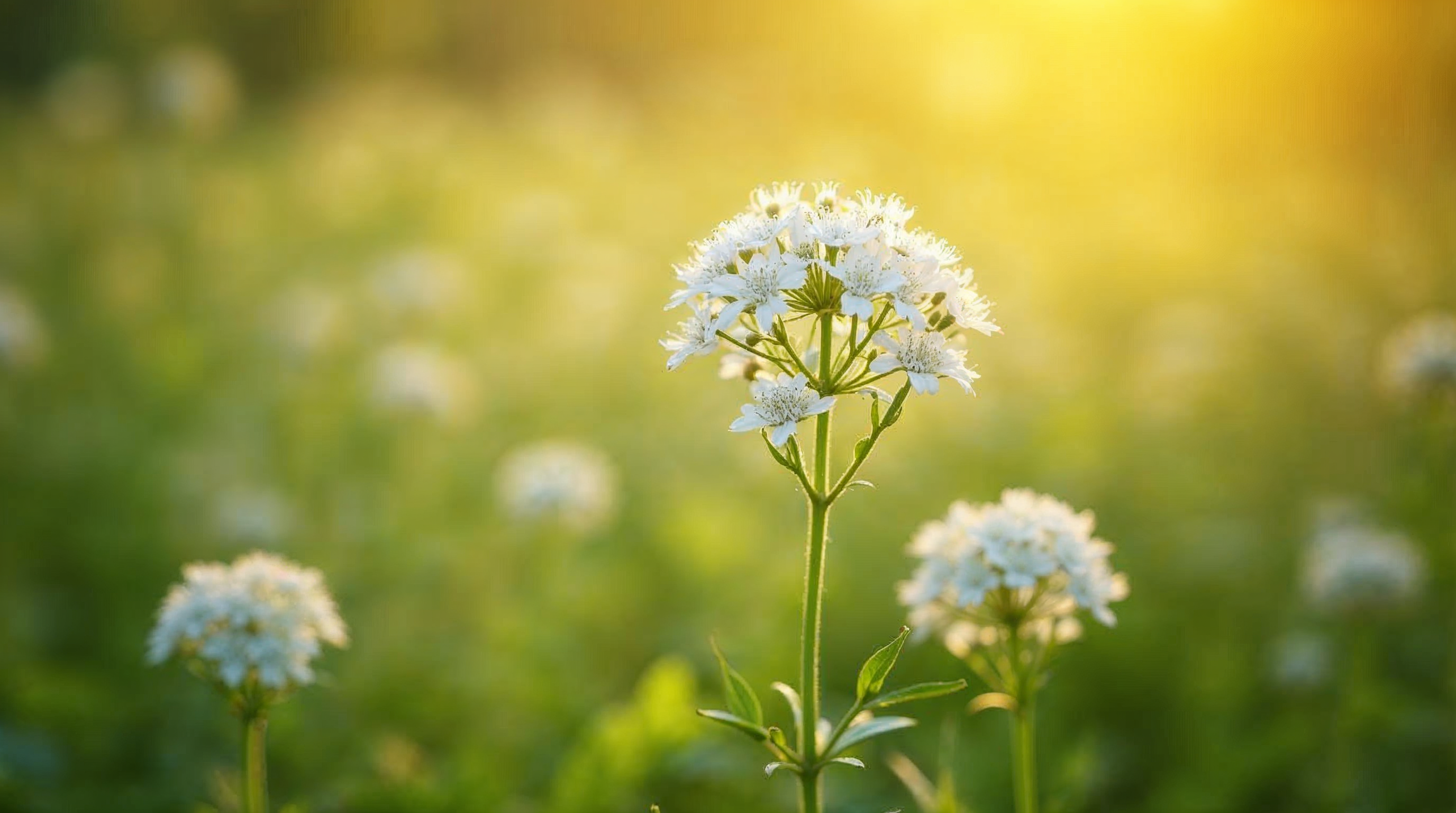
- Schafgarbe (Achillea millefolium): Hildegard von Bingen schätzte die Schafgarbe ausdrücklich und beschrieb sie als vielseitiges Kraut. Ihr mild-bitter-aromatisches Profil macht sie zu einem idealen Begleiter in ausgewogenen Bitterkräuter-Mischungen.
- Löwenzahn (Taraxacum officinale): Blätter und Wurzel des Löwenzahns gehören zur klassischen mitteleuropäischen Kräutertradition. Traditionell in der Volksmedizin verwendet, ist Löwenzahn auch als Tee eine milde, angenehm-bittere Zutat. Leber-Produkte von Bitterkraft
- Tausendgüldenkraut (Centaurium erythraea): Schon sein Name deutet auf seinen hohen Stellenwert hin. Das zarte, rosablühende Kraut wird seit der Antike traditionell als Bitterkraut genutzt und ist ein fester Bestandteil klassischer europäischer Kräuterrezepturen.
- Artischockenblatt (Cynara scolymus): Weniger bekannt als Tee-Zutat, aber in der Kräuterheilkunde seit Jahrhunderten traditionell geschätzt. Artischockenblätter verleihen einem Tee eine angenehm erdige Note und runden Bittermischungen ab. Darm- und Verdauungsprodukte
- Pfefferminze (Mentha piperita): Nicht im klassischen Sinne ein Bitterkraut, aber als harmonisierender Begleiter in vielen traditionellen Mischungen unverzichtbar. Die Pfefferminze kühlt, erfrischt und mildert besonders intensive Bitteraromen auf angenehme Weise.
Bei der Auswahl Ihrer Kräuter lohnt es sich, auf Bio-Qualität und möglichst schonende Trocknung zu achten. Viele der wertvollen ätherischen Öle und Bitterstoffe sind empfindlich gegenüber zu hohen Temperaturen beim Trocknen oder unsachgemäßer Lagerung. Gute Qualitätskräuter erkennen Sie an ihrer Farbe, dem intensiven Eigengeruch und einem ausgeprägten Geschmacksprofil bereits vor dem Aufbrühen.
Was steckt hinter den Bitterstoffen?
Bitterstoffe sind eine chemisch vielfältige Gruppe sekundärer Pflanzenstoffe. Zu ihnen gehören unter anderem Sesquiterpenlactone (wie im Wermut), Iridoidglykoside (wie im Enzian und Tausendgüldenkraut) sowie Flavonoide und Phenolsäuren. Was sie verbindet: Sie werden vom menschlichen Geschmackssinn als bitter wahrgenommen und sind in der Natur häufig ein Schutzmechanismus der Pflanze. Für den Menschen bedeutet dieser Geschmack traditionell: Aufmerksamkeit, Achtsamkeit – und ein bewusstes Erleben des Kräuterrituals.
Eine Besonderheit der Bitterpflanzen ist ihre lange Haltbarkeit als Tee-Zutat. Gut getrocknet und dunkel gelagert behalten die meisten Kräuter ihre charakteristischen Eigenschaften für ein bis zwei Jahre. Besonders Wurzeln wie die Enzianwurzel oder Löwenzahnwurzel sind außerordentlich haltbar und eignen sich auch für längere Vorräte. Für die besten Ergebnisse sollten Sie getrocknete Kräuter in luftdichten, dunklen Gläsern aufbewahren – am besten fernab von Herdwärme und direktem Sonnenlicht.
Drei traditionelle Bitterkräuter-Tee-Mischungen zum Selbermachen
Das Schöne an Bitterkräuter-Tees ist ihre Wandelbarkeit. Sie können klassische Rezepturen aus der Klostermedizin nachkochen, eigene Mischungen nach persönlichem Geschmack zusammenstellen oder bewährte Fertigmischungen wählen. Die folgenden drei Mischungen orientieren sich an traditionellen Rezepturen, wie sie in europäischen Klöstern und der Volksmedizin seit Jahrhunderten überliefert sind. Alle Angaben beziehen sich auf getrocknete Kräuter.
Die Klosterküche kannte kein „Einheitskraut" – je nach Jahreszeit, Verfügbarkeit und individueller Konstitution wurden Bitterkräuter-Mischungen fein abgestimmt. Dieses Prinzip der persönlichen Anpassung ist noch heute der Kern eines guten Bitterkräuter-Rituals.
Mischung 1: Die klassische Klostermischung
Diese Mischung lehnt sich eng an historische Rezepturen benediktinischer Klöster an und verbindet intensive Bitterstoffe mit milden Aromakräutern. Sie gilt als die „Grundrezeptur" schlechthin und ist ein guter Einstieg für Bitterkräuter-Einsteiger.
Klassische Klostermischung – Rezeptur:
• 2 Teile Schafgarbe (Blüten und Blätter)
• 1 Teil Tausendgüldenkraut
• 1 Teil Wermut
• 2 Teile Pfefferminze
• 1 Teil Fenchelsamen (leicht angedrückt)
Zubereitung: 1 gehäuften Teelöffel der Mischung mit 200 ml frisch gekochtem, leicht abgekühltem Wasser (ca. 90°C) übergießen. 8–10 Minuten ziehen lassen, absieben und langsam, bewusst trinken. Traditionell nach den Mahlzeiten als kleines Ritual genießen.
Mischung 2: Die Hildegard-inspirierte Wermut-Mischung
Hildegard von Bingen widmete dem Wermut besondere Aufmerksamkeit in ihren Schriften. Diese Mischung setzt Wermut bewusst in den Mittelpunkt, ergänzt durch mildernde und aromatisch-ausgleichende Kräuter. Der Geschmack ist intensiver als bei der Klostermischung – ideal für all jene, die einen kräftigen, ehrlichen Bitterkräuter-Tee schätzen.
Hildegard-inspirierte Wermut-Mischung – Rezeptur:
• 1 Teil Wermut
• 2 Teile Schafgarbe
• 1 Teil Enzianwurzel (fein gehackt)
• 1 Teil Kamille
• 1 Teil Melisse
Zubereitung: 1 Teelöffel der Mischung mit 250 ml Wasser (90°C) übergießen, 10 Minuten ziehen lassen. Wer den Bittergeschmack mildern möchte, kann einen kleinen Löffel rohen Honig hinzufügen – wie es in Klöstern oft praktiziert wurde. Diese Mischung eignet sich traditionell besonders gut als abendliches Ritual. Hildegard von Bingen Produkte
Mischung 3: Die frühlingshaft-leichte Löwenzahn-Mischung
Frühling war in der Volksmedizin traditionell die Zeit der Bitterkräuter. Wenn der Löwenzahn in Wiesen und Gärten aufblühte, wurde er gesammelt, getrocknet und als Tee zubereitet. Diese Mischung ist milder und aromatischer als die beiden vorherigen und eignet sich besonders für Menschen, die gerade mit Bitterkräuter-Tees beginnen möchten. Fasten-Produkte
Frühlingshaft-leichte Löwenzahn-Mischung – Rezeptur:
• 3 Teile Löwenzahnblätter (oder -wurzel)
• 2 Teile Schafgarbe
• 1 Teil Tausendgüldenkraut
• 2 Teile Brennnesselblätter
• 1 Teil Zitronenverbene oder Zitronengras
Zubereitung: 1 gehäuften Teelöffel mit 200 ml Wasser (90°C) 8 Minuten ziehen lassen. Morgens oder mittags genießen. Die Zitrusnote der Zitronenverbene macht diese Mischung besonders erfrischend und leicht zugänglich.
Das Bitterkräuter-Tee-Ritual – wie Regelmäßigkeit zum Wohlbefinden beitragen kann
Rezepturen allein machen noch kein gutes Bitterkräuter-Ritual. Was traditionelle Kulturen – von mittelalterlichen Klöstern bis hin zur asiatischen Teekultur – verstanden haben: Es geht nicht nur darum, was man trinkt, sondern wie und wann. Das Bitterkräuter-Ritual ist in seiner ursprünglichen Form ein Akt der Achtsamkeit, ein bewusstes Innehalten im Tagesrhythmus. Und genau diese Qualität kann – unabhängig von den Pflanzen selbst – erheblich zum allgemeinen Wohlbefinden beitragen.
In der Klostermedizin war der Zeitpunkt des Kräutertees kein Zufall. Hildegard von Bingen und andere Klosterärzte empfahlen ihre Kräuterrezepturen zu bestimmten Tageszeiten und in Verbindung mit Stille oder Gebet. Das klingt im modernen Alltag vielleicht weit entfernt, aber das Prinzip ist übertragbar: Wer sich täglich bewusst fünf Minuten Zeit nimmt, sich hinsetzt, den Tee aufgießt, den Dampf wahrnimmt und langsam trinkt, schafft sich einen wertvollen Ruhepunkt im oft hektischen Tagesablauf. Dieser Moment der Ruhe ist selbst ein Beitrag zum Wohlbefinden – und er wird durch den Bitterkräuter-Tee mit einem sinnlichen, einprägsamen Erlebnis verknüpft.
Studien zur Achtsamkeit zeigen, dass bewusste Pausen und ritualhafte Handlungen im Alltag das subjektive Wohlbefinden spürbar verbessern können – unabhängig vom eigentlichen Inhalt des Rituals. Der Bitterkräuter-Tee ist dabei ein besonders sinnlicher, traditionsreicher Anker für solche Momente.
„Die Kunst der Kräuterheilkunde liegt nicht allein in den Pflanzen, sondern im bewussten Umgang mit ihnen – in der Stille, in der Regelmäßigkeit und in dem Wissen, das hinter jedem Kraut steht." – aus der Überlieferung der benediktinischen Klostermedizin
Praktisch empfiehlt es sich, mit kleinen, realistischen Gewohnheiten zu beginnen. Wer jeden Tag nach dem Mittagessen oder am Abend eine Tasse Bitterkräuter-Tee trinkt, wird nach einiger Zeit feststellen, dass das Ritual ganz von selbst Teil des Tagesrhythmus wird – ähnlich wie die morgendliche Tasse Kaffee oder der abendliche Spaziergang. Beständigkeit, nicht Perfektion, ist hier das Ziel. In der Klosterwelt nannte man dieses Prinzip Stabilitas – Beständigkeit als Grundlage eines geordneten, erfüllten Lebens. Immunsystem-Produkte
Ein weiterer Aspekt, den viele unterschätzen: der soziale Charakter des Teerituals. In vielen Kulturen ist Tee trinken ein gemeinschaftlicher Akt – man sitzt zusammen, redet, schweigt gemeinsam. Wer Bitterkräuter-Tee als abendliches Ritual mit dem Partner, der Familie oder Freunden teilt, gibt diesem Moment eine zusätzliche, menschlich-verbindende Qualität. Das Teilen von Wissen über die Kräuter, über ihre Geschichte und Herkunft, macht den Tee zu mehr als einem Getränk – er wird zum Gesprächsanlass, zur kleinen Unterrichtsstunde in Naturkunde und zu einem Moment der Verbundenheit. Schlaf- und Entspannungsprodukte
Fertige Bitterkräuter-Mischungen oder selbst zusammenstellen – was passt zu mir?
Diese Frage stellen sich viele, die sich für Bitterkräuter-Tees interessieren. Die ehrliche Antwort lautet: beides hat seine Berechtigung, und die Wahl hängt von Ihren Vorlieben, Ihrer Zeit und Ihrem Erfahrungsstand ab. Wer tiefer in die Welt der Bitterkräuter einsteigen möchte, wird die Möglichkeit schätzen, selbst zu experimentieren – verschiedene Kräuter kennenzulernen, ihre Aromen zu erkunden und eigene Lieblingsmischungen zu entwickeln. Dieses handwerkliche, sinnliche Erfahren der Pflanzen ist selbst ein wertvoller Teil des Kräuterrituals und verbindet mit einer langen Tradition der Kräuterkunde. alle Bitterkraft Produkte
Wer hingegen wenig Zeit hat, sich unsicher ist oder einfach eine zuverlässige, gut abgestimmte Mischung bevorzugt, ist mit hochwertigen Fertigmischungen gut beraten. Dabei lohnt es sich, genau auf die Zutatenliste zu schauen: Gute Bitterkräuter-Tees enthalten klar erkennbare, hochwertige Bitterkräuter ohne künstliche Aromen, Farbstoffe oder unnötige Füllstoffe. Bio-Zertifizierung ist ein gutes Zeichen für Qualität und nachhaltigen Anbau. Auch die Herkunft der Kräuter spielt eine Rolle – regionale oder klar rückverfolgbare Quellen sind immer vorzuziehen.
Worauf Sie beim Kauf von Bitterkräuter-Tees achten sollten:
• Zutatenliste: Je kürzer und klarer, desto besser. Erkennbare Kräuter, keine kryptischen Zusatzstoffe.
• Bio-Zertifizierung: Schützt vor Pestizidrückständen und garantiert nachhaltigeren Anbau.
• Bitterstoff-Anteil: Echter Bitterkräuter-Tee schmeckt bitter – ist er kaum wahrzunehmen, sind die eigentlichen Bitterkräuter wahrscheinlich unterrepräsentiert.
• Verpackung und Lagerung: Lichtgeschützte, luftdichte Verpackung schützt die empfindlichen ätherischen Öle und Bitterstoffe.
• Transparenz des Herstellers: Seriöse Anbieter nennen Herkunft und Erntejahr der Kräuter.
Ein schöner Mittelweg ist die sogenannte „Basisrezeptur plus eigene Note": Sie beginnen mit einer bewährten Fertigmischung als Grundlage und ergänzen nach Geschmack einzelne frische oder getrocknete Kräuter aus dem eigenen Garten oder dem Reformhaus. So verbinden Sie Komfort mit persönlicher Gestaltungsfreude. Besonders beliebt ist zum Beispiel das Hinzufügen von frischer Zitronenschale, einem Zweig frischer Minze oder einer Scheibe Ingwer zur fertigen Mischung – kleine Ergänzungen, die den Tee persönlicher und saisonal machen. Dieser kreative Umgang mit Kräutern ist, ganz im Sinne Hildegards, der lebendige Ausdruck einer aktiven, neugierigen Beschäftigung mit der Natur. BitterKraft Original
Ganz gleich, ob Sie selbst mischen oder fertige Mischungen wählen – entscheidend ist, dass Sie anfangen. Denn das Wissen um Bitterkräuter entfaltet sich am besten in der Praxis: durch Riechen, Schmecken, Ausprobieren und schließlich durch die eigene, ganz persönliche Erfahrung mit diesen bemerkenswerten Pflanzen. Die Tradition, die hinter dem Bitterkräuter-Tee steht, ist kein verstaubtes Museumsstück – sie wartet darauf, von Ihnen weitergeschrieben zu werden.

Hinterlasse einen Kommentar
Diese Website ist durch hCaptcha geschützt und es gelten die allgemeinen Geschäftsbedingungen und Datenschutzbestimmungen von hCaptcha.