

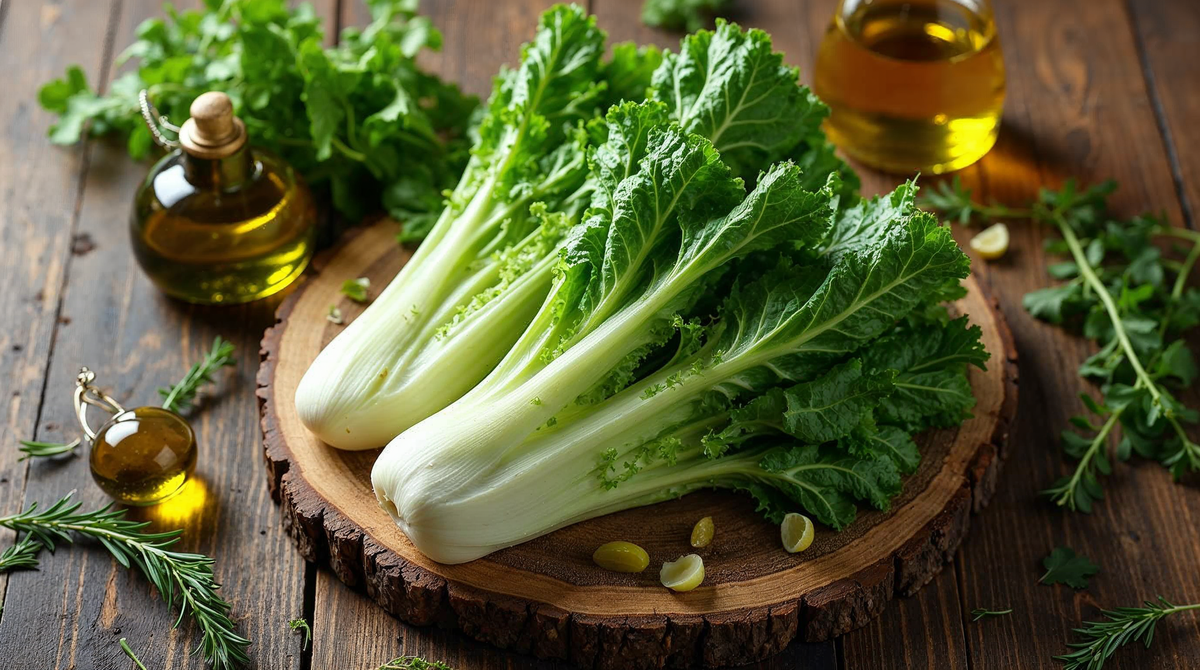
Es gibt Geschmäcker, die man lernen muss – und Geschmäcker, die uns instinktiv ansprechen. Bitterkeit gehört zur ersten Kategorie. In einer Welt, die von Süße und Salz dominiert wird, haben bittere Lebensmittel einen schweren Stand. Dabei gehören Radicchio, Rucola und Chicorée zu den ältesten Kulturpflanzen der Menschheitsgeschichte – und wurden in der europäischen Naturheilkunde seit jeher als besonders wertvolle Bestandteile einer bewussten Ernährung geschätzt. Wer den Blick auf sein Wohlbefinden richten möchte, dem lohnt sich ein genauerer Blick auf diese verkannten Bittergemüse.
Die Renaissance der Bitterstoffe – was die Naturheilkunde schon lange weiß
Lange bevor die moderne Ernährungswissenschaft den Begriff "funktionale Lebensmittel" geprägt hatte, war das Wissen um bittere Pflanzen tief in der europäischen Heilkunde verwurzelt. In Klostergärten des Mittelalters wuchsen Chicorée, Löwenzahn und Radicchio nicht als Ziergewächse, sondern als bewusst kultivierte Nutzpflanzen. Mönche und Kräuterfrauen schätzten sie als tägliche Begleiter einer bewussten Lebensführung – als Ergänzung zur Mahlzeit, die das allgemeine Wohlbefinden unterstützen kann.
Hildegard von Bingen, die bedeutende Benediktineräbtissin und Naturkundlerin des 12. Jahrhunderts, beschäftigte sich intensiv mit den Eigenschaften bitterer Pflanzen. In ihren Schriften "Physica" und "Causae et Curae" beschreibt sie verschiedene Kräuter und Gemüse und deren traditionelle Rolle in der Ernährung. Sie betrachtete Bitterkeit nicht als Mangel, sondern als Qualität – als ein Zeichen dafür, dass eine Pflanze besondere Eigenschaften besitzt, die dem Menschen zugutekommen können. Hildegard von Bingen Produkte Dieses Wissen wurde über Generationen weitergegeben und erlebt heute eine lebhafte Renaissance.
In der modernen Naturheilkunde greift man gerne auf dieses überlieferte Wissen zurück. Die sogenannten Bitterstoffe – chemisch als Amara bezeichnet – sind eine große, vielfältige Gruppe sekundärer Pflanzenstoffe, die in zahllosen traditionellen Heilsystemen weltweit Erwähnung finden. Von der ayurvedischen Medizin über die chinesische Kräuterheilkunde bis zur europäischen Klostermedizin: Bitteres wurde nie gemieden, sondern bewusst in die tägliche Kost eingebunden. Diese kulturhistorische Kontinuität allein macht die bitteren Gemüsearten zu einem lohnenden Thema für alle, die sich für ganzheitliche Ernährung interessieren.
Bittere Lebensmittel wie Radicchio, Rucola und Chicorée wurden in der europäischen Klostermedizin seit Jahrhunderten traditionell als wertvolle Ergänzung der täglichen Ernährung geschätzt – und erleben heute eine verdiente Wiederkehr in der modernen Naturheilkunde.
Radicchio, Rucola, Chicorée – drei Bitterstoffe-Klassiker im Porträt
Radicchio, das tiefrot leuchtende Blattgemüse aus Norditalien, ist in der mediterranen Küche seit Jahrhunderten fest verankert. Seine charakteristische Bitterkeit verdankt er vor allem dem Bitterstoff Lactucopikrin sowie verschiedenen Flavonoiden und Anthocyanen, die ihm auch seine intensive Farbe verleihen. In der italienischen Volksmedizin galt Radicchio als traditionelle Frühjahrspflanze, die nach dem langen Winter den Körper mit frischer Nahrung versorgte. Historisch nutzte man ihn als Teil der sogenannten "Frühjahrkur" – einer Praxis, die sich bis in die Antike zurückverfolgen lässt und in der Fasten-Produkte eine wichtige Rolle spielt.
Was steckt im Radicchio?
Radicchio (Cichorium intybus var. foliosum) enthält neben dem charakteristischen Bitterstoff Lactucopikrin auch Inulin, ein natürlich vorkommendes Polysaccharid, das als Präbiotikum gilt und in der Naturheilkunde traditionell mit Darmgesundheit in Verbindung gebracht wird. Dazu kommen Anthocyane – die Farbstoffe, die ihm seine leuchtend rote Farbe verleihen –, Vitamin K, Folsäure sowie Kalium und Magnesium. Der Wassergehalt ist hoch, der Kaloriengehalt sehr gering. All das macht Radicchio zu einem der nährstoffdichteren Blattgemüse in unseren Breiten.
Rucola – in Deutschland oft auch als Rauke bekannt – besitzt einen ganz eigenen Charakter unter den Bittergemüsen. Botanisch gehört er zur Familie der Kreuzblütler (Brassicaceae) und ist damit näher mit Kohl und Senf verwandt als mit Radicchio oder Chicorée. Sein typisches, leicht scharfes Bitterprofil entsteht durch das Zusammenspiel von Glucosinolaten, ätherischen Ölen und verschiedenen Polyphenolen. In der antiken Küche Roms war Rucola ein geschätztes Gartengewächs – der Dichter Vergil und der Gelehrte Plinius der Ältere erwähnten ihn in ihren Schriften als alltägliche Kulturpflanze. BitterKraft Original Heute erlebt er als Salatzutat und auf Pizzen seine moderne Renaissance.
Chicorée schließlich ist ein direkter Abkömmling der Wegwarte (Cichorium intybus) – jener blaublühenden Wildpflanze, die man noch heute an Feldwegen und Wegrändern findet und die Hildegard von Bingen in ihren Schriften ausdrücklich erwähnt. Der kultivierte Chicorée, wie wir ihn heute kennen, wurde erst im 19. Jahrhundert durch belgische Gärtner gezüchtet – aber seine wilde Stammform hat eine jahrtausendealte Geschichte als Heilpflanze. Der Hauptbitterstoff ist auch hier Intybin (Lactucopikrin), dazu kommen Inulin und Chicoresäure. Er gilt als milder unter den drei Bittergemüsen und eignet sich daher besonders gut als Einstieg in die Welt der Bitterstoffe.
Die drei Bittergemüse im Überblick:
- Radicchio: Intensiv bitteres Blattgemüse mit Anthocyanen und Inulin; in der mediterranen Volksmedizin traditionell als Frühjahrsgemüse verwendet und seit Jahrhunderten geschätzt.
- Rucola (Rauke): Kreuzblütler mit scharfem Bitterprofil durch Glucosinolate und ätherische Öle; historisch in der antiken römischen Küche und Naturkunde bekannt.
- Chicorée: Milder Bitterkraut-Klassiker aus der Wegwartenfamilie; direkte kulturhistorische Verbindung zu Hildegards Pflanzenwissen, reich an Inulin und Intybin.
Bitterstoffe und die Kraft des traditionellen Wissens – was Hildegard uns lehrt
Hildegard von Bingen verstand Ernährung als ganzheitliches Konzept. Für sie war jede Speise nicht nur Nahrung, sondern Ausdruck eines harmonischen Verhältnisses zwischen Mensch und Natur. In ihrem System der "Viriditas" – der grünen Lebenskraft, die alle Natur durchdringt – spielten Bitterpflanzen eine besondere Rolle: Sie galten als "ordnend" und "klärend", als Pflanzen, die Ungleichgewichte im Körper ausgleichen können. Auch wenn diese Vorstellungen in einem vorwissenschaftlichen Kontext entstanden, spiegeln sie eine tiefe Beobachtungsgabe wider, die über Jahrhunderte weiterwirkte.
"Die Wegwarte ist kalt und trocken, und diese Kälte und Trockenheit sind gemäßigt und nützlich. [...] Wer die Wegwarte oft isst, dem reinigt sie den Magen und den Bauch." – Hildegard von Bingen, Physica (12. Jahrhundert), über die Stammform des Chicorée
Dieses historische Zeugnis ist aufschlussreich: Hildegard beschreibt nicht Nebenwirkungen oder Dosierungen im modernen Sinne, sondern die Qualität der Pflanze im Rahmen ihres Temperamentenlehre-Systems. "Kalt und trocken" bedeutete in der humoralpathologischen Medizin, dass eine Pflanze ausgleichend wirkt – besonders für Menschen, die sich zu einer hitzigen, feuchten Konstitution neigten. Unabhängig davon, wie man zu diesem Weltbild steht, ist das zugrundeliegende Prinzip bemerkenswert: Der bewusste, regelmäßige Einbezug bitterer Pflanzen in die Ernährung als Praxis des Gleichgewichts. Hildegard von Bingen Produkte Diese Weisheit findet sich in der Klostermedizin an vielen Stellen und ist heute ein wichtiger Bezugspunkt für Naturheilkunde-Interessierte.
Die traditionelle europäische Kräutermedizin, die in der Nachfolge von Hildegard und anderen Kräuterkundigen wie Paracelsus oder Sebastian Kneipp steht, hat das Wissen um bittere Pflanzen kontinuierlich gepflegt und weiterentwickelt. Kneipp selbst betonte immer wieder die Bedeutung einer naturnahen, abwechslungsreichen Ernährung – und bittere Kräuter und Gemüse hatten dabei stets ihren Platz. Heute berufen sich viele Praktizierende der Naturheilkunde auf genau dieses Erbe, wenn sie betonen: Bitterstoffe waren nie exotisch. Sie waren alltäglich. Wir haben sie nur verlernt.
Hildegard von Bingen beschrieb die Stammform des Chicorée (Wegwarte) bereits im 12. Jahrhundert als wertvolle Nutzpflanze – ein historisches Zeugnis dafür, wie tief das Wissen um bittere Kräuter in der europäischen Naturheilkunde verwurzelt ist.
Bittere Gemüse in der modernen Ernährungspraxis – so bringt man sie in den Alltag
Das größte Hindernis beim Einbezug bitterer Lebensmittel in die tägliche Ernährung ist oft schlicht die Unvertrautheit. Wer jahrzehntelang auf milden, süßlichen Salat gesetzt hat, empfindet Radicchio oder Rucola zunächst als zu intensiv. Doch Geschmack ist lernbar – und mit den richtigen Kombinationen und Zubereitungsweisen wird der Einstieg in die Bitterwelt nicht nur verträglich, sondern genussprächtigt. Tradition und Genuss müssen sich dabei nicht ausschließen: Die mediterrane Küche beweist seit Jahrhunderten, dass bittere Gemüse wunderbar harmonisch in Mahlzeiten eingebunden werden können.
Radicchio lässt sich hervorragend grillen oder anbraten – Hitze mildert die Bitterkeit leicht und bringt eine angenehme Karamellnote hervor. Mit einem Schuss Balsamicoessig und Olivenöl entsteht eine klassische italienische Beilage, die auch Bitterstoffe-Anfänger überzeugt. Als Salatblatt kombiniert man ihn gut mit milden Zutaten wie Birne, Walnuss oder Ziegenkäse – der Kontrast macht den Geschmack besonders spannend. Wer ihn regelmäßig in die Küche einbauen möchte, kann auch mit kleinen Mengen beginnen: Einige Blätter unter den Feldsalat gemischt, ein Blatt als Wrap für andere Zutaten genutzt – so gewöhnt sich der Gaumen schrittweise an das bittere Profil.
Rucola ist dank seiner modernen Popularität in Küchen und Restaurants bereits weit verbreitet – was seinen Einstieg erleichtert. Als Basis für Pesto statt Basilikum, als Belag auf einer frisch gebackenen Pizza, als Basis für einen herzhaften Salat mit Pinienkernen und Parmesan: Die Möglichkeiten sind vielfältig. Wichtig ist, Rucola möglichst frisch und roh zu verwenden, da viele seiner sekundären Pflanzenstoffe hitzeempfindlich sind. Für eine bewusste Bitterstoff-Praxis im Sinne der Naturheilkunde empfiehlt sich außerdem, Rucola wenn möglich in Bio-Qualität zu kaufen – Wildkräuter-Rucola, der in manchem Garten wächst, ist besonders aromatisch und intensiv. Darm- und Verdauungsprodukte
Chicorée als mildestes der drei Bittergemüse eignet sich ideal für den sanften Einstieg. Seine Blätter lassen sich wie kleine Schiffchen nutzen – gefüllt mit Thunfisch-Salat, mit Hummus und Gemüse oder mit einem frischen Kräuterquark. Sein milder Bittergeschmack macht ihn auch für Kinder zugänglich, wenn er mit süßlicheren Zutaten kombiniert wird. Im Winter, wenn frische Salate rar sind, ist Chicorée besonders wertvoll: Er wächst im Dunkeln und steht fast das ganze Jahr über frisch zur Verfügung. Traditionell wurde er auch leicht gedünstet oder in Aufläufen zubereitet, was seine Bitterkeit weiter mildert.
Die regelmäßige Integration bitterer Gemüse wie Radicchio, Rucola und Chicorée in die tägliche Ernährung ist eine der einfachsten und genussreichsten Möglichkeiten, das Prinzip "Hinzufügen statt Weglassen" in der Naturheilkunde umzusetzen – ganz im Sinne der traditionellen Klostermedizin.
Praktische Bitterstoff-Kombinationen für jeden Tag:
Morgens: Rucola-Smoothie mit Apfel, Gurke und frischem Ingwer – die Fruchtsüße mildert die Bitterkeit harmonisch.
Mittags: Radicchio-Salat mit Orangen-Vinaigrette, Walnüssen und etwas Ziegenkäse – klassisch mediterran und aromatisch.
Abends: Gefüllte Chicorée-Blätter mit Kräuterfrischkäse und Walnusskern – leicht, elegant und bitter-mild im Gleichgewicht.
Als Snack: Rucola-Pesto auf Roggenbrot mit Radieschen – eine herzhafte Alternative zu süßen Aufstrichen.
Bitter als Lebenshaltung – Warum weniger Süße mehr Wohlbefinden bedeuten kann
Die Verschiebung des westlichen Geschmackssinns hin zu mehr Süße ist eine der bedeutendsten Veränderungen in der Ernährungskultur der letzten Jahrhunderte. Zucker und industriell verarbeitete Aromen haben den Bittergeschmack systematisch aus unserem Alltag verdrängt. Die Folge: Viele Menschen haben ihren Sinn für Bitterkeit buchstäblich verlernt. Während ein Kind in der Savanne instinktiv bittere Beeren meidet, weil Bitterkeit dort auf Toxizität hindeuten kann, ist im Kontext unserer Kulturpflanzen das Gegenteil der Fall: Bitterkeit signalisiert hier den Reichtum an sekundären Pflanzenstoffen, die im Laufe der Menschheitsgeschichte als wertvoll erkannt wurden.
Naturheilkunde-affine Ernährungsphilosophien, von der Hildegard-Diätetik über die Makrobiotik bis zur traditionellen chinesischen Ernährungslehre, betonen übereinstimmend: Die fünf Geschmäcker – süß, sauer, salzig, umami und bitter – sollten in ausgewogener Weise in der Ernährung vertreten sein. Wer dauerhaft nur süße und salzige Reize sucht, bringt nach diesem Verständnis ein Gleichgewicht durcheinander. Bittere Lebensmittel einzubeziehen ist demnach nicht nur eine Frage des Geschmacks, sondern eine bewusste Entscheidung für eine vielfältige, traditionell fundierte Ernährungsweise. Leber-Produkte von Bitterkraft Diese Vielfalt wird auch von modernen Ernährungsexperten zunehmend als wichtiger Aspekt eines bewussten Lebensstils angesehen.
Das Prinzip "Hinzufügen statt Weglassen" – ein Grundsatz moderner Naturheilkunde – lässt sich auf die Welt der Bitterstoffe wunderbar anwenden. Es geht nicht darum, bestimmte Lebensmittel zu verbieten oder strikte Diäten zu befolgen. Es geht darum, das Spektrum der eigenen Ernährung zu erweitern: um ein Bitterblattsalat mehr, um eine Handvoll Rucola auf dem Abendessen, um ein paar Chicorée-Blätter als Vorspeise. Jede kleine Ergänzung zählt. Und wer einmal begonnen hat, Bitterkeit als Qualität zu schätzen, entdeckt schnell, wie reich und nuanciert die Pflanzenwelt in diesem Bereich ist – weit über Radicchio, Rucola und Chicorée hinaus.
"Der Mensch ist, was er isst" – dieses bekannte Bonmot des Philosophen Ludwig Feuerbach (1850) bekommt in der Naturheilkunde eine ganz konkrete Bedeutung: Wer täglich bittere Pflanzen zu sich nimmt, pflegt eine jahrtausendealte Praxis bewusster Ernährung, die weit über den bloßen Nährstoffgedanken hinausgeht.
Die Renaissance der Bitterstoffe ist mehr als ein Ernährungstrend – sie ist eine Rückkehr zu einer Ernährungsweisheit, die unsere Vorfahren selbstverständlich lebten. Klostergärten, Kräuterfrauen, Hildegard von Bingen: Sie alle wussten, dass die Natur uns mit einer Fülle bitterer Pflanzen beschenkt hat, die einen festen Platz auf unserem Teller verdienen. Wer Radicchio, Rucola und Chicorée in seinen Alltag einlädt, tut es nicht nur seinem Gaumen zuliebe – er knüpft an eine lange Tradition an, die Essen als Pflege der eigenen Gesundheit und des eigenen Wohlbefindens versteht. Und das ist, letztlich, die tiefste Botschaft der europäischen Naturheilkunde: Essen kann Ausdruck von Fürsorge sein – für sich selbst und für die Natur, die uns all das Bittere schenkt, das wir brauchen. BitterKraft Original

Hinterlasse einen Kommentar
Diese Website ist durch hCaptcha geschützt und es gelten die allgemeinen Geschäftsbedingungen und Datenschutzbestimmungen von hCaptcha.