





Waking up in the morning, wanting to clench your hand into a fist – and noticing that your fingers feel heavy and swollen like little sausages. Rings that usually fit loosely suddenly feel tight. The sensation that the skin on your hands is tight and swollen, as if water has seeped beneath the surface. This phenomenon is familiar to many people, especially after a long night, during hot weather, or in stressful periods. Swollen hands and fingers are often harmless and temporary – but they can also be a sign that the body is out of balance. Naturopathy, and especially the ancient herbal knowledge of Hildegard of Bingen, offers a fascinating perspective here: not only on the symptoms but on the interplay of body, mind, and nature.
When Hands and Fingers Swell: An Overview of Possible Causes
Water retention in the hands – medically known as peripheral edema – occurs when fluid accumulates in the tissue instead of being transported away via the blood and lymphatic systems. This phenomenon can take many forms: sometimes it affects only the fingers in the morning, sometimes the entire hands remain swollen throughout the day, and sometimes it occurs only under certain weather conditions or during the second half of the menstrual cycle. To understand the connections, it’s worth looking at the most common triggers.
One of the most frequent yet overlooked causes is a diet high in salt. Sodium binds water in the body’s tissues, and those who consume many processed foods, ready meals, or heavily salted dishes often first notice this in their hands and face. Lack of movement also plays an important role: sitting or standing for long periods without activating the muscles hardly stimulates the pumping action of the lymphatic system. The lymphatic system is not a simple pipeline – it depends on rhythmic muscle movement to transport fluid from the tissues back into the bloodstream.
Hormonal fluctuations are another important factor, especially for women. In the second half of the menstrual cycle, just before menstruation, progesterone levels rise, often associated with increased water retention. Many women also report swollen hands and fingers during pregnancy or menopause. Products for Women’s Health External influences such as heat, which dilates blood vessels and causes more fluid to leak into the tissues, also contribute. Long flights, lack of sleep, and chronic stress can also affect the situation. In rarer cases, serious illnesses may be behind the swelling – such as heart failure, kidney problems, or inflammatory joint diseases like rheumatoid arthritis. In these cases, if the swelling persists, is severe, or is accompanied by other symptoms, medical advice should definitely be sought.
Water retention in the hands is often harmless and short-term – but it is always a signal from the body worth taking seriously. Naturopathy asks not only “What” but also “Why.”
The Lymphatic System and the Theory of Humors: What Hildegard of Bingen Thought About Water Retention
Hildegard of Bingen, the Benedictine abbess and universal scholar of the 12th century, painted a complex picture of the human body in her medical works “Physica” and “Causae et Curae,” which surprisingly aligns with modern thinking about lymph, fluid balance, and metabolism. For Hildegard, the body was a reflection of the order of creation – and disease arose when natural forces fell out of balance. Hildegard of Bingen Products
In Hildegard’s medicine, the concept of “mucosity” played a central role. She described certain constitutional types as more prone to mucous, damp conditions in the body – which in modern terms can be linked to a tendency for water retention and lymphatic sluggishness. For such conditions, she especially recommended warming, invigorating herbs and spices that would stimulate the inner fire – the body’s vital energy. Galangal, sweet woodruff, fennel, and wild thyme repeatedly appear in her texts as remedies to help the body out of a state of “damp heaviness.”
“Whoever is of a phlegmatic nature and prone to moisture, I advise warming foods and herbs that enliven the blood and dispel heaviness.” – Paraphrased from Hildegard of Bingen, Causae et Curae (12th century)
The four humors theory that shaped Hildegard’s thinking did not view symptoms in isolation. Swollen limbs were considered in the broader context of lifestyle, diet, emotional state, and seasons. This holistic approach remains a fundamental principle of naturopathy today: a person is more than the sum of their symptoms. BitterKraft Original Particularly interesting is Hildegard’s assessment of diuretic herbs – such as nettle, which she valued for its “cleansing and invigorating” effect on the blood, or horsetail, traditionally used in monastic medicine for conditions of internal dampness.
Hildegard of Bingen saw “damp heaviness” in the body as a sign of disturbed inner balance – and recommended warming herbs and conscious lifestyle as the traditional path to restoring harmony.
Naturopathic Approaches: Herbs and Rituals Traditionally Valued for Water Retention
The treasure trove of naturopathy offers a variety of plants that have been traditionally used for centuries in conditions we today associate with water retention and lymphatic heaviness. This is not about medical treatment but the ancient principle of “adding”: complementing daily life with plants, rituals, and habits that can support the body’s natural balance.
These medicinal plants are traditionally valued for internal dampness and water retention:
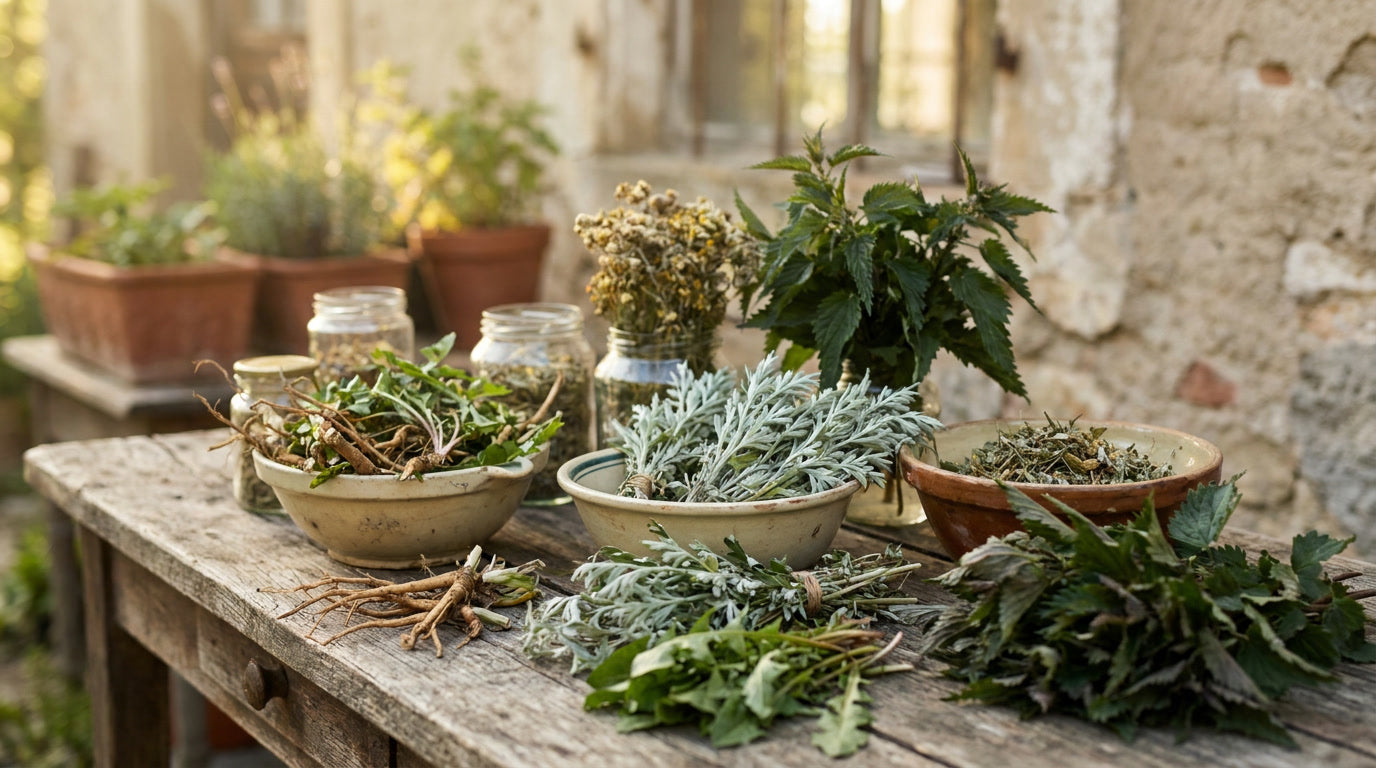
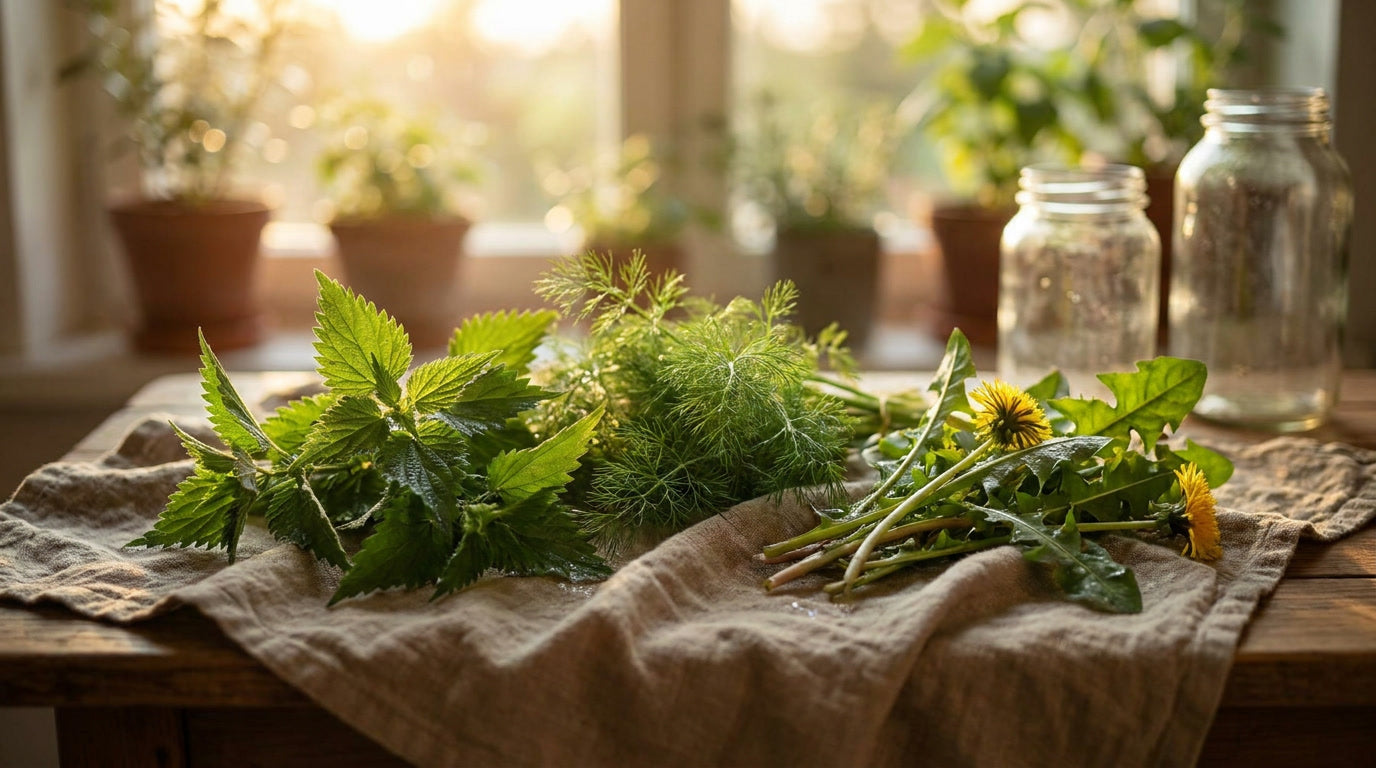
- Nettle (Urtica dioica): One of the best-known herbs in European folk medicine – nettle has been used traditionally for centuries and is known in monastic medicine for its invigorating properties. It is still commonly used as tea or in wild herb cuisine.
- Horsetail (Equisetum arvense): Also called “scouring rush,” horsetail is deeply rooted in German herbal medicine history. It has long been valued for conditions of internal dampness and is used as tea or bath additives.
- Goldenrod (Solidago virgaurea): Goldenrod is a classic herb of European naturopathy and has been used for centuries in traditions addressing fluid regulation issues. Old herbal books often mention it in connection with general body invigoration.
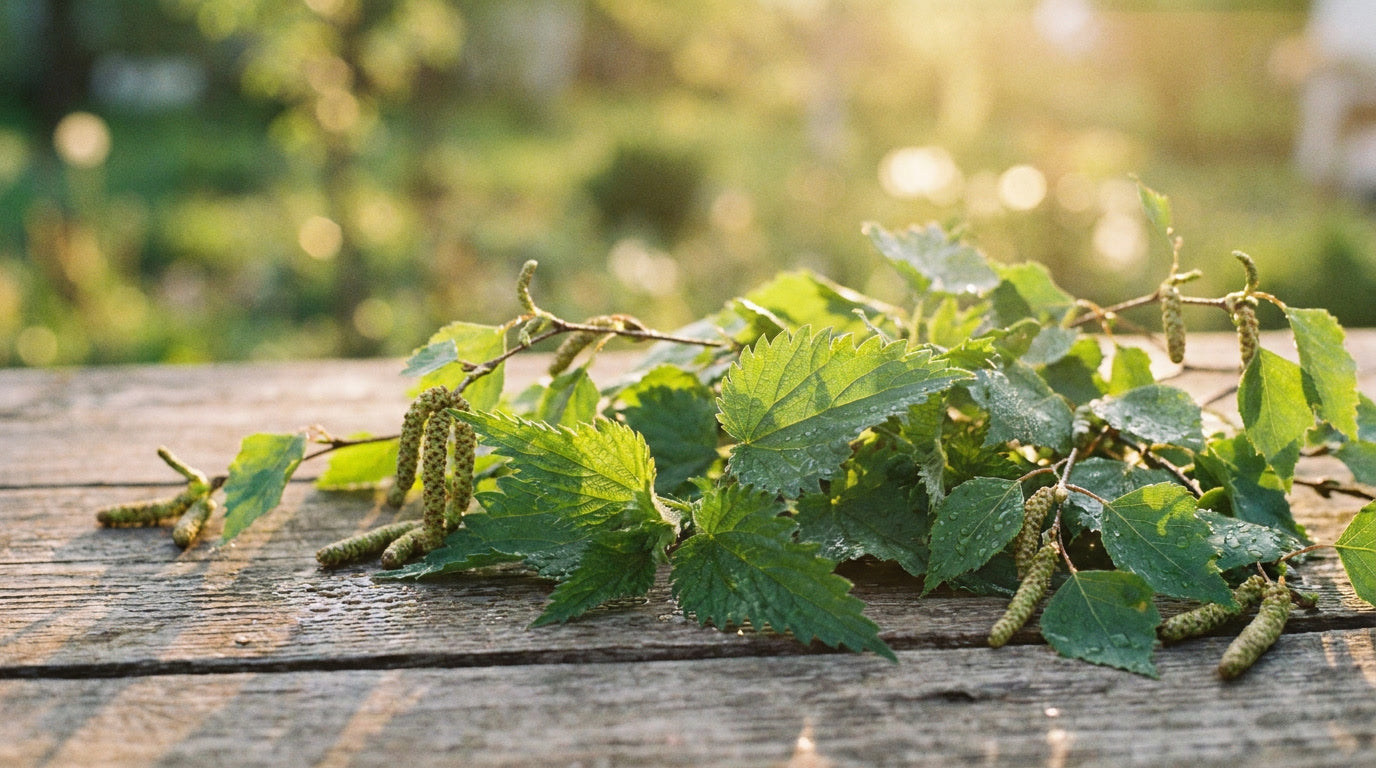
- Birch leaves (Betula pendula): In Central European folk medicine, birch leaves were valued as spring herbs. Prepared as tea, they have historically been part of spring cleanses and associated with internal purification.
- Dandelion (Taraxacum officinale): Dandelion is a true all-rounder in herbal medicine – both leaves and roots have been traditionally used for centuries. Valued in both Hildegard’s medicine and folk medicine, it appears in spring cures and as part of bitter herb blends. BitterKraft Original
- Ground ivy (Glechoma hederacea): Known colloquially as “gill-over-the-ground,” ground ivy was a staple in medieval monastery gardens. Hildegard of Bingen mentioned it for its cleansing properties, and folk medicine traditionally valued it for its general beneficial potential.
Besides herbs, external applications also play an important role in naturopathy. Lymphatic drainage massages, brush therapy (dry brushing), and contrast baths according to Sebastian Kneipp are classic naturopathic methods traditionally used to support lymph flow. Dry brushing, for example – where the body is massaged with a natural bristle brush toward the heart – is a simple daily ritual easily integrated into a morning routine. Fasting Products
Tip from Monastic Medicine: The Nettle Spring Cure Tea
A classic recipe from tradition: mix equal parts nettle leaves, birch leaves, and dandelion herb. Pour a heaping teaspoon with 250 ml boiling water, steep for 8–10 minutes, then strain. Traditionally, it is recommended to drink this herbal tea daily as a cure over several weeks – in the morning on an empty stomach, as a conscious ritual. This is not a medical recommendation but an insight into the traditional herbal knowledge of naturopathy.
Nutrition also plays a key role in naturopathic considerations. Reducing highly processed foods and hidden salt, consciously consuming potassium-rich foods like bananas, potatoes, and legumes, and ensuring adequate fluid intake – preferably still water and herbal teas – are traditional basic measures. This may sound paradoxical: drinking more even though you already have “too much water” in your body. But in fact, too little drinking can cause the body to retain water as a protective reflex against dehydration.
Holistic Lifestyle: Movement, Rhythm, and Hildegard’s View of Balance
Naturopathy – and Hildegard’s medicine in particular – has always been a medicine of life rhythm. It is not about eliminating a single symptom but about shaping the entire lifestyle so that the body can remain in its natural balance. From this perspective, swollen hands often indicate an imbalance in a larger context – too little movement, too much stress, an overburdened liver, or a weakened immune system. Bitterkraft Liver Products Immune System Products
Movement is not a luxury in naturopathy but a necessity for the lymphatic system. Unlike the circulatory system, the lymphatic system has no pump of its own. It relies entirely on muscle movement. Even short sessions like a 20-minute walk, light swimming, or yoga can help keep the lymph moving. Also, consciously elevating the arms – simply raising the hands above heart level for a few minutes – can help the body mobilize accumulated fluid. These simple daily rituals are part of the naturopathic toolkit and require no expensive equipment.
Hildegard of Bingen wrote extensively about the importance of moderation and rhythm. For her, irregular sleep, excessive stress, and overeating were main causes of physical disharmony. The concept of “Viriditas” – the green vitality – was central to her: the natural healing power inherent in every living being, nourished by a natural lifestyle. When this life force is blocked, heaviness, congestion, and discomfort arise. Sleep and Relaxation Products Translated into modern terms: chronic sleep deprivation raises the stress hormone cortisol, which in turn affects fluid balance. A healthy sleep rhythm is therefore an important component in managing water retention from a modern perspective as well.
Hildegard’s “Viriditas” – the green vitality – reminds us: a balanced daily routine with movement, good sleep, and conscious nutrition is the deepest form of prevention. Herbs can play a valuable supporting role.
Another aspect often underestimated in holistic naturopathy is the emotional-psychological dimension. Chronic stress activates the sympathetic nervous system and influences the hormonal axis – which can directly affect fluid regulation in the body. Relaxation practices such as meditation, conscious breathing, or simple moments in nature – a walk in the forest, watching clouds – are not wellness clichés but traditionally rooted ways to restore inner balance. In Hildegard’s monastery, the herb garden was not only a pharmacy but also a place of contemplation and recovery. This dual function of nature contact – physical and mental – is more relevant today than ever.
When to See a Doctor? Recognizing Important Warning Signs
As valuable as herbal knowledge and naturopathic traditions are, they do not replace medical diagnosis. Especially with water retention, it is important to distinguish between harmless, temporary phenomena and those that may indicate a more serious cause. Naturopathy sees itself as a complement, not a substitute for conventional medicine.
The following signs should prompt medical consultation: if the swelling appears suddenly and without an obvious cause, if it occurs only on one side, if it is accompanied by pain, redness, or warmth, or if it persists and does not improve with rest, elevation, or drinking. Also, severe swelling that spreads to other body areas or swelling combined with shortness of breath or rapid heartbeat are serious signals. In such cases, serious diseases of the heart, kidneys, liver, or venous system may be involved and require targeted medical evaluation.
The strength of naturopathy lies in support and prevention: caring for the body in daily life, using herbs as traditional cultural knowledge, and paying attention to the body’s signals before they become serious problems. Those who consciously observe their hands and fingers learn the language of their body – and can respond early, whether through a spring herb cure, dietary adjustments, more movement, or a visit to the doctor. all Bitterkraft products
An analysis from the field of traditional European medicine (TEM) highlights that plants like nettle, birch, and goldenrod historically played a role in numerous Central European herbal traditions for conditions of internal dampness and congestion – a body of knowledge now being newly documented through ethnobotanical research. (Source: Folk Medicine Traditions, European Ethnobotany)
In the end, there is an old wisdom that Hildegard of Bingen expressed in many ways: humans are part of nature, and their health depends on how well they live in harmony with natural rhythms. Swollen hands and fingers can be a small but valuable sign – an invitation to pause, observe, and ask: What does my body need right now? More movement? More rest? Less salt? An invigorating herbal tea in the morning? Asking these questions and responding with the rich treasure of naturopathy may be the most beautiful aspect of this ancient tradition.


Leave a comment
This site is protected by hCaptcha and the hCaptcha Privacy Policy and Terms of Service apply.