

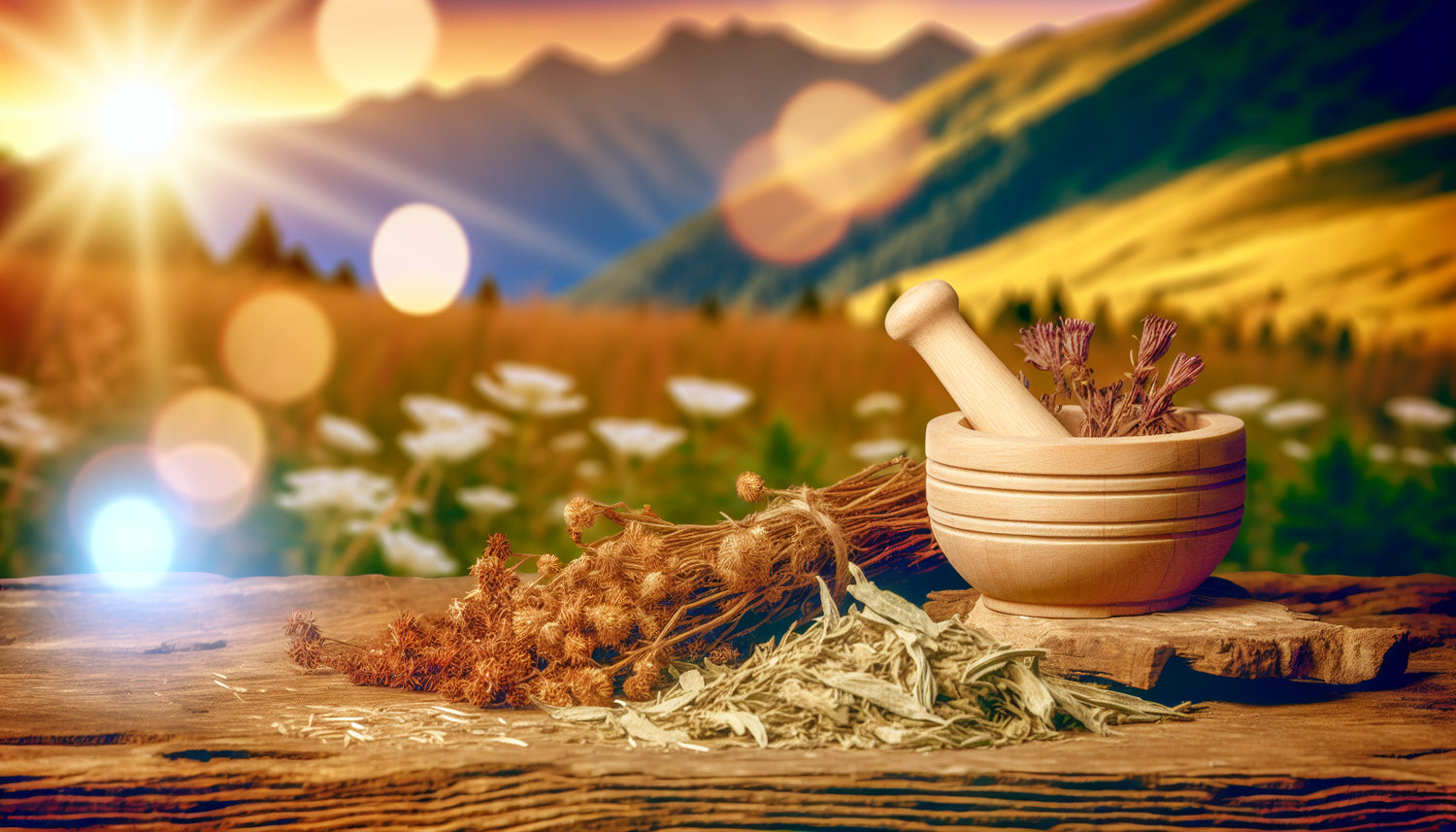
In der Welt der natürlichen Heilkunde gibt es kaum etwas Wertvolleres als das freie, tiefe Atmen. Unsere Atemwege sind täglich Umwelteinflüssen, Stress und verschiedenen Belastungen ausgesetzt. Schon die große Äbtissin Hildegard von Bingen erkannte vor über 900 Jahren die besondere Kraft bestimmter Heilkräuter. Besonders Wermut und Enzian werden seit Jahrhunderten in der traditionellen Naturheilkunde geschätzt und sind für ihre charakteristischen Bitterstoffe bekannt.
📋 Inhaltsverzeichnis
Die Weisheit Hildegards: Bitterkräuter in der Tradition
Hildegard von Bingen beschrieb bereits im 12. Jahrhundert die außergewöhnlichen Eigenschaften des Wermuts. In ihren Schriften bezeichnete sie diese kraftvolle Pflanze als "Meister der warmen Kräfte" und schätzte sie für ihre traditionelle Verwendung. Der bittere Geschmack des Wermuts war für Hildegard ein Zeichen seiner besonderen Eigenschaften – eine Erkenntnis, die heute durch moderne Forschung näher beleuchtet wird.
Die große Heilkundige verwendete Wermut traditionell in verschiedenen Zubereitungen und schätzte seine wärmenden Eigenschaften. Nach ihrer Lehre ist Wermut seit Jahrhunderten bekannt für seine charakteristischen Bitterstoffe. Diese jahrhundertealte Weisheit macht Hildegard von Bingen Produkte auch heute noch zu einer wertvollen Quelle für alle, die sich für traditionelle Naturheilkunde interessieren.
Enzian, ein weiteres kostbares Kraut aus Hildegards Schatzkammer, wurde von ihr besonders für seine Eigenschaften geschätzt. Die tiefblauen Blüten und die kraftvolle Wurzel dieser Gebirgspflanze werden seit Jahrhunderten in der traditionellen Naturheilkunde verwendet und sind bekannt für ihre wertvollen Inhaltsstoffe.
Wermut: Traditionelle Verwendung der bitteren Heilpflanze
Wermut (Artemisia absinthium) ist eine der bittersten Pflanzen in der europäischen Pflanzenheilkunde und wird traditionell für seine charakteristischen Eigenschaften geschätzt. Die in der Pflanze enthaltenen Bitterstoffe, insbesondere das Absinthin, machen diese Pflanze zu einem wertvollen Bestandteil der BitterKraft Original. Diese natürlichen Verbindungen sind es, die dem Wermut seine charakteristische Bitterkeit verleihen.
In der traditionellen Anwendung wird Wermut häufig als Tee oder in Form von Tinkturen verwendet. Die ätherischen Öle der Pflanze, darunter Thujon, Kampfer und verschiedene Terpene, verleihen dem Wermut seinen charakteristischen Duft. Viele Anwender schätzen Wermutzubereitungen seit Jahrhunderten für ihre traditionellen Eigenschaften.
Besonders wertvoll ist Wermut auch aufgrund seiner traditionellen Verwendung in der Naturheilkunde. Die regelmäßige Verwendung von Wermut kann daher einen wertvollen Beitrag zu einer bewussten Lebensweise leisten. Weitere Informationen zu traditionellen Kräuterprodukten finden Sie in unserem Sortiment an Naturprodukten.
Enzian: Traditionelle Bergpflanze mit wertvollen Bitterstoffen
Der Gelbe Enzian (Gentiana lutea) ist eine majestätische Gebirgspflanze, die in den Alpen und anderen europäischen Bergregionen heimisch ist. Seine bis zu zwei Meter hohe Gestalt und die leuchtend gelben Blüten machen ihn zu einer der imposantesten Heilpflanzen unserer Breiten. Die Wurzel des Enzians, die traditionell in der Naturheilkunde verwendet wird, kann bis zu einem Meter lang werden und enthält wertvolle Bitterstoffe wie Gentiopikrosid und Amarogentin.
Diese natürlichen Bitterstoffe werden seit Jahrhunderten in der Naturheilkunde geschätzt. Enzian wird traditionell in der Volksmedizin verwendet und gilt als eine der wertvollsten Bitterpflanzen Europas. Seine charakteristischen Eigenschaften haben ihm einen festen Platz in der traditionellen Kräuterkunde eingebracht.
In der modernen Naturheilkunde wird Enzian häufig in Kombination mit anderen Heilkräutern verwendet. Die Kombination mit Wermut beispielsweise ist in der traditionellen Kräuterkunde seit langem bekannt, da beide Pflanzen für ihre charakteristischen Bitterstoffe geschätzt werden. Viele Anwender schätzen Enzianpräparate besonders für ihre traditionelle Verwendung in der Naturheilkunde.
Natürliche Anwendung und ganzheitlicher Ansatz
Die traditionelle Anwendung von Wermut und Enzian kann auf verschiedene Weise erfolgen. Als Tee zubereitet, entfalten beide Kräuter ihre charakteristischen Eigenschaften besonders gut. Für einen Wermuттee übergießt man einen Teelöffel getrocknetes Kraut mit heißem Wasser und lässt es fünf bis zehn Minuten ziehen. Der sehr bittere Geschmack kann mit etwas Honig gemildert werden, wobei die Bitterkeit selbst einen wichtigen Teil der traditionellen Zubereitung ausmacht.
Enzianwurzeltee wird ähnlich zubereitet, wobei die getrocknete und zerkleinerte Wurzel verwendet wird. Beide Tees können einzeln oder in Kombination getrunken werden und werden traditionell regelmäßig und über einen längeren Zeitraum angewendet. Neben der inneren Anwendung können auch Inhalationen mit den ätherischen Dämpfen der Kräuter Teil der traditionellen Verwendung sein.
Ein ganzheitlicher Ansatz zur natürlichen Lebensweise umfasst neben der Anwendung von Heilkräutern auch eine bewusste Lebensführung. Ausreichend Bewegung an der frischen Luft, eine ausgewogene Ernährung und der bewusste Umgang mit Stress können das allgemeine Wohlbefinden fördern. Auch andere Bereiche wie traditionelle Leberkräuter und Verdauungsprodukte spielen eine wichtige Rolle für eine ganzheitliche Betrachtung des Körpers.
🤖 Das Beitragsbild dieses Artikels wurde mit DALL·E 3 (OpenAI) mithilfe von Künstlicher Intelligenz generiert (gemäß EU AI Act Art. 50 gekennzeichnet).

Hinterlasse einen Kommentar
Diese Website ist durch hCaptcha geschützt und es gelten die allgemeinen Geschäftsbedingungen und Datenschutzbestimmungen von hCaptcha.