

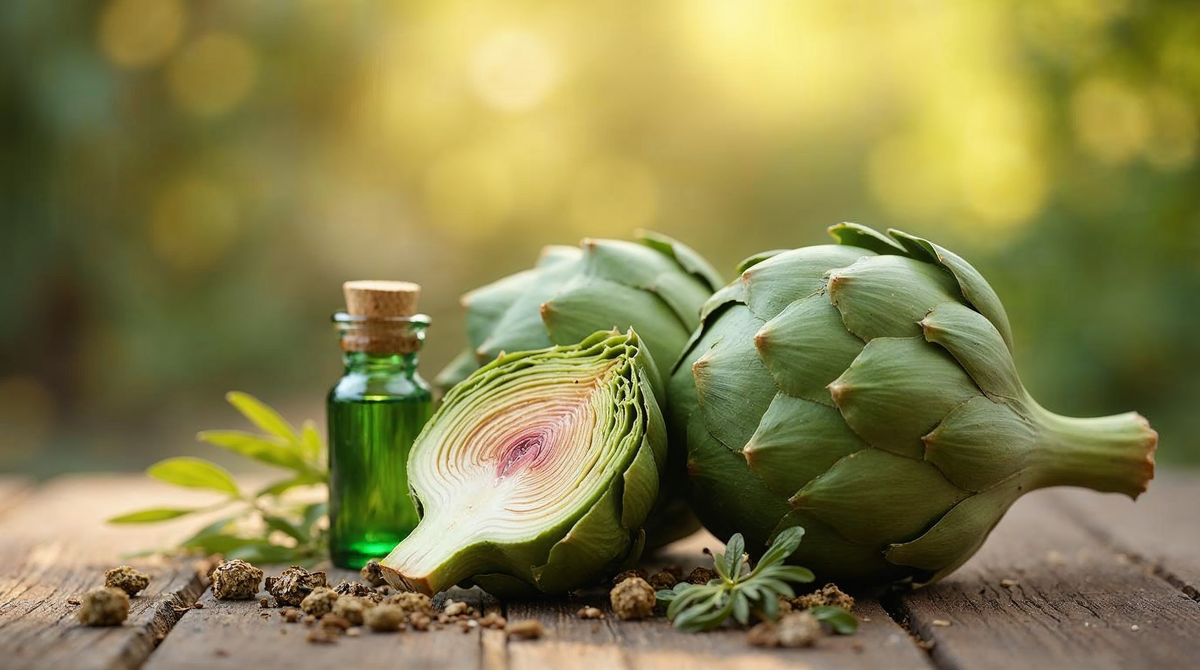
Die Artischocke – botanisch Cynara scolymus – ist weit mehr als eine mediterrane Delikatesse auf dem Teller. Seit der Antike wird sie in der Pflanzenheilkunde geschätzt, und auch in der modernen Naturheilkunde hat sie sich einen festen Platz erarbeitet. Besonders ihr Extrakt, der aus den Blättern gewonnen wird, erfreut sich heute wachsender Beliebtheit bei Menschen, die ihren Körper auf natürlichem Weg im Gleichgewicht halten möchten. Was steckt hinter dem traditionellen Ruf dieser stacheligen Pflanze – und was sagt die heutige Forschung dazu? Dieser Artikel taucht tief in die Geschichte, die Inhaltsstoffe und die wissenschaftliche Betrachtung des Artischocken-Extrakts ein.
Eine Pflanze mit langer Geschichte: Von der Antike bis zur Klostermedizin
Die Artischocke blickt auf eine außergewöhnlich lange Geschichte als Kulturpflanze zurück. Bereits in der griechischen und römischen Antike galt sie als kostbares Nahrungsmittel, das wohlhabenden Gesellschaftsschichten vorbehalten war. Doch schon früh erkannten Kräuterkundige und Ärzte, dass die Pflanze mehr zu bieten hat als ihren aromatischen Geschmack. Aufzeichnungen aus dem ersten und zweiten Jahrhundert nach Christus erwähnen die Artischocke als wertvolle Pflanze, die traditionell im Zusammenhang mit dem Wohlbefinden nach üppigen Mahlzeiten verwendet wurde. BitterKraft Original
Im Mittelalter fand die Artischocke ihren Weg in die Klostergärten Europas, wo Mönche und Nonnen das Wissen der Antike bewahrten und weiterentwickelten. Besonders in der deutschen Klostermedizin des Mittelalters spielte das Wissen um bittere Heilpflanzen eine zentrale Rolle. Die Überzeugung, dass bitterstofffhaltige Pflanzen das innere Gleichgewicht des Menschen stärken könnten, war tief in der klösterlichen Heilpraxis verwurzelt. Artischockenblätter-Zubereitungen galten als Teil des klösterlichen Erfahrungsschatzes, der über Generationen weitergegeben wurde. Hildegard von Bingen Produkte
Hildegard von Bingen, die visionäre Benediktinerinnenabt aus dem 12. Jahrhundert, hinterließ uns ein umfangreiches Werk über Heilpflanzen und ihre traditionellen Verwendungen. Obwohl die Artischocke in ihrer Region weniger verbreitet war als in Südeuropa, spiegelt ihr Werk die damalige Überzeugung wider, dass bittere Pflanzen eine besondere Rolle im Rahmen einer ausgewogenen Lebensführung spielen. Hildegard schrieb über die reinigende Kraft der Kräuter und betonte die Bedeutung eines harmonischen Körpergleichgewichts – Gedanken, die in der modernen Naturheilkunde noch immer nachhallen. Das Wissen der Klostermedizin bildet bis heute eine wichtige Brücke zwischen der volksmedizinischen Überlieferung und der heutigen naturheilkundlichen Praxis.
„Die Natur gibt uns in jedem Garten die Mittel, die der Körper braucht, um im Gleichgewicht zu bleiben – man muss sie nur zu lesen wissen." – Sinngemäß nach Hildegard von Bingen, Physica, 12. Jh.
Vom 16. Jahrhundert an verbreitete sich der Anbau der Artischocke in ganz Europa. Kräuterbücher jener Zeit, wie das berühmte Werk von Leonhart Fuchs (1543), beschrieben sie detailliert und verwiesen auf ihren traditionellen Einsatz im Zusammenhang mit Magen- und Leberwohlbefinden. Diese jahrhundertelange Überlieferung ist kein Zufall – sie spiegelt das kollektive Erfahrungswissen ganzer Generationen wider, die in der Artischocke eine wertvolle Pflanze erkannten. Heute knüpft die moderne Phytotherapie bewusst an dieses Erbe an und betrachtet es als wichtigen Ausgangspunkt für die zeitgenössische Forschung.
Die Wirkstoffe im Artischocken-Extrakt: Was steckt hinter dem bitteren Geschmack?
Der charakteristisch bittere Geschmack der Artischocke ist kein Zufall der Natur – er ist das Ergebnis einer bemerkenswerten Zusammensetzung bioaktiver Verbindungen, die in der Pflanze auf natürliche Weise entstehen. Während die essbaren Herzen der Artischocke vor allem für ihre kulinarischen Qualitäten bekannt sind, konzentriert sich das phytotherapeutische Interesse auf die Blätter. In Extraktform werden diese Verbindungen besonders konzentriert gewonnen und standardisiert eingesetzt. BitterKraft Original
Die wichtigsten Inhaltsstoffe des Artischocken-Blattes auf einen Blick:
Cynarin: Eine der bekanntesten Verbindungen in der Artischocke. Cynarin ist ein Caffeoylchinasäure-Derivat und zählt zur Gruppe der Phenolsäuren. Es ist maßgeblich für den bitteren Nachgeschmack der Pflanze verantwortlich und steht im Mittelpunkt der phytotherapeutischen Forschung.
Chlorogensäure: Ein weiteres wichtiges Polyphenol, das in der Artischocke in beachtlicher Menge vorkommt. Chlorogensäure ist auch aus Kaffee bekannt und wird intensiv erforscht.
Luteolin und Luteolin-7-O-glucosid: Flavonoide, die natürlicherweise in den Blättern vorkommen und zur charakteristischen Wirkstoffkombination des Extrakts beitragen.
Cynarosid: Ein Flavonoidglykosid, das ebenfalls zur komplexen Phytochemie der Artischocke gehört und in standardisierten Extrakten berücksichtigt wird.
Bitterstoffe (Sesquiterpenlaktone): Allen voran Grosheimin und Cynaropikrin – sie sind für den typisch herben Charakter der Artischocke verantwortlich und gelten als wichtige Bestandteile der Bitterstoff-Tradition.
Hochwertige Artischocken-Extrakte werden heute nach dem Gehalt an Caffeoylchinasäuren (gemessen als Chlorogensäure) oder nach Gesamtpolyphenolen standardisiert. Dies stellt sicher, dass jede Portion eine verlässliche und reproduzierbare Menge der relevanten Verbindungen enthält. Diese Standardisierung unterscheidet moderne Phytopräparate deutlich von früheren Volksheilmitteln und ist ein wichtiges Qualitätsmerkmal, auf das naturheilkundlich Interessierte beim Kauf achten sollten. Leber-Produkte von Bitterkraft
Die Artischocke gehört zu den polyphenolreichsten Gemüsesorten überhaupt – ihr Blattextrakt enthält eine deutlich höhere Konzentration dieser Verbindungen als die kulinarisch verwendeten Herzblätter. Wer vom traditionellen Pflanzenwissen profitieren möchte, setzt deshalb auf standardisierte Blattextrakte.
Besonders bemerkenswert ist das Zusammenspiel der verschiedenen Verbindungen im Artischocken-Extrakt. In der Naturheilkunde gilt der Grundsatz, dass das natürliche Gesamtprofil einer Pflanze oft wertvoller ist als ein einzelner isolierter Wirkstoff – ein Prinzip, das als „Synergismus" bekannt ist. Die Kombination aus Cynarin, Chlorogensäure, Flavonoiden und Bitterstoffen ergibt ein charakteristisches Pflanzenprofil, das seit Jahrhunderten geschätzt wird und heute Gegenstand intensiver wissenschaftlicher Betrachtung ist.
Diese ergänzenden Heilpflanzen werden traditionell zusammen mit der Artischocke geschätzt:
- Mariendistel (Silybum marianum): Seit der Antike in der europäischen Pflanzenheilkunde bekannt und historisch im Zusammenhang mit dem Wohlbefinden nach üppigen Mahlzeiten verwendet. Wird häufig in Kombination mit Artischocke eingesetzt.
- Löwenzahn (Taraxacum officinale): In der Klostermedizin und Volksmedizin vieler europäischer Kulturen traditionell als „Frühjahrskur"-Pflanze bekannt. Enthält ebenfalls Bitterstoffe und Polyphenole.
- Ingwer (Zingiber officinale): Wird seit Jahrtausenden in der ayurvedischen und chinesischen Heilkunde genutzt. In der westlichen Naturheilkunde wird er traditionell als wohltuende Ergänzung bei schweren Mahlzeiten geschätzt.
- Kurkuma (Curcuma longa): Die goldgelbe Wurzel der asiatischen Heilkunde findet zunehmend auch in der europäischen Naturheilkunde Beachtung. Historisch wurde sie im Zusammenhang mit der Verdauung nach fetthaltigen Speisen eingesetzt.
Was die moderne Forschung zum Artischocken-Extrakt zeigt
Die wissenschaftliche Auseinandersetzung mit dem Artischocken-Extrakt hat in den vergangenen drei Jahrzehnten erheblich zugenommen. Zahlreiche In-vitro-Studien, Tierversuche und auch klinische Beobachtungsstudien haben sich mit den Inhaltsstoffen der Artischocke befasst. Es ist dabei wichtig, diese Forschung im richtigen Rahmen zu betrachten: Sie liefert interessante Hinweise und naturwissenschaftliche Perspektiven, ersetzt aber keine medizinische Beratung und ist nicht als Grundlage für Heilsversprechen geeignet. Leber-Produkte von Bitterkraft
In einer viel beachteten Übersichtsarbeit, die 2018 im Fachjournal Complementary Medicine Research erschien, analysierten Wissenschaftler die verfügbare Literatur zum Artischocken-Extrakt und fassten zusammen, dass dieser seit Jahrhunderten in der traditionellen europäischen Medizin verwendet wird und dass eine Reihe von Laboruntersuchungen die traditionellen Verwendungshinweise aus phytochemischer Sicht beleuchten. Die Autoren betonten, dass weitere hochwertige klinische Untersuchungen erforderlich seien, um fundierte Aussagen treffen zu können.
Besonderes wissenschaftliches Interesse gilt den Polyphenolen des Artischocken-Extrakts im Zusammenhang mit dem Fettstoffwechsel. In verschiedenen Laborexperimenten zeigten isolierte Verbindungen wie Cynarin und Luteolin interessante Eigenschaften, die Forscher im Kontext des Lipidstoffwechsels untersuchten. Dabei ist zu betonen, dass Laborergebnisse nicht direkt auf die Wirkung am Menschen übertragen werden können – sie bilden jedoch eine wichtige Grundlage für weiterführende Forschung. Die Tatsache, dass der Artischocken-Extrakt in diesem Bereich überhaupt wissenschaftliche Aufmerksamkeit erhält, spiegelt das wachsende Interesse der Forschungsgemeinschaft an pflanzlichen Verbindungen wider.
Artischocken-Extrakt ist eine der am intensivsten erforschten Heilpflanzen Europas im Bereich des Fettstoffwechsels und des Verdauungswohlbefindens – und das bei einer Pflanze, deren traditioneller Einsatz bereits über 2.000 Jahre zurückreicht.
Im Bereich der Verdauung hat die Forschung ebenfalls interessante Beobachtungen gemacht. Die im Artischocken-Extrakt enthaltenen Bitterstoffe gehören zur Gruppe der sogenannten Amara – bittere Pflanzenstoffe, deren traditioneller Einsatz in der europäischen Heilkunde gut dokumentiert ist. Das European Scientific Cooperative on Phytotherapy (ESCOP) und die Europäische Arzneimittelagentur (EMA) haben Artischockenblätter-Extrakt in ihre Monografien aufgenommen und ihn als traditionelles pflanzliches Arzneimittel mit well-established use anerkannt – ein wichtiger Schritt, der die jahrhundertelange Verwendung offiziell würdigt. Diese Anerkennung basiert auf dem langen Erfahrungsschatz der traditionellen europäischen Pflanzenheilkunde und nicht auf klinischen Wirksamkeitsnachweisen im pharmakologischen Sinne. Darm- und Verdauungsprodukte
Die Europäische Arzneimittelagentur (EMA) führt Artischockenblätter-Extrakt in ihrer pflanzlichen Monografie als „traditionell verwendetes pflanzliches Arzneimittel" – ein Status, der die langjährige, dokumentierte Anwendung in der europäischen Heilkunde offiziell anerkennt. (EMA/HMPC, Community herbal monograph on Cynara scolymus L., 2011)
Artischocken-Extrakt im Alltag: Tradition trifft moderne Naturheilkunde
Wer die Tradition der Klostermedizin und des pflanzlichen Erfahrungswissens in seinen Alltag integrieren möchte, findet im Artischocken-Extrakt einen interessanten Begleiter. Wichtig ist dabei, die richtige Qualität zu wählen: Nicht jedes Produkt am Markt ist gleich. Achten Sie auf standardisierte Extrakte, die den Gehalt an Caffeoylchinasäuren oder Gesamtpolyphenolen ausweisen. Bio-Qualität und transparente Herkunftsangaben sind weitere Merkmale, die für eine verlässliche Produktqualität sprechen. BitterKraft Original
In der Naturheilkunde wird Artischocken-Extrakt traditionell als Ergänzung im Rahmen einer bewussten Ernährungs- und Lebensweise eingesetzt. Besonders in den Übergangszeiten des Jahres – nach dem Winter oder nach einer Zeit mit wenig Bewegung und schwerer Kost – greifen viele naturheilkundig Interessierte zu Bitterstoffpräparaten wie dem Artischocken-Extrakt. Dieser Ansatz des „Hinzufügens statt Weglassens" ist ein zentrales Prinzip der modernen Naturheilkunde: Es geht nicht darum, etwas Schädliches zu bekämpfen, sondern den Körper durch wertvolle Pflanzenstoffe zu bereichern. Fasten-Produkte
Worauf Sie bei einem hochwertigen Artischocken-Extrakt achten sollten:
✓ Standardisierung: Angabe des Gehalts an Caffeoylchinasäuren (mind. 2,5–5 %) oder Gesamtpolyphenolen
✓ Blattextrakt vs. Gesamtpflanze: Extrakte aus den Blättern gelten als phytochemisch hochwertiger als solche aus anderen Pflanzenteilen
✓ Extraktionsverhältnis: Qualitätsprodukte geben das Verhältnis von eingesetztem Pflanzenmaterial zu gewonnenem Extrakt an (z.B. 5:1 oder 10:1)
✓ Zertifizierungen: Bio-Zertifizierung, GMP-konforme Herstellung und lückenlose Rückverfolgbarkeit der Rohstoffe
✓ Keine unnötigen Zusatzstoffe: Hochwertige Extrakte kommen ohne künstliche Füllstoffe, Farb- und Konservierungsmittel aus
Im Geiste der Hildegard'schen Ordensmedizin empfehlen viele Naturheilkundler, Artischocken-Extrakt als Teil eines ganzheitlichen Konzepts zu betrachten. Das bedeutet: begleitet von einer bewussten, pflanzenreichen Ernährung, ausreichend Bewegung, Stressbewältigung und – wenn möglich – regelmäßigen Fastenperioden. Die Pflanzenheilkunde versteht sich in dieser Tradition nicht als Ersatz, sondern als Ergänzung zu einem gesunden Lebensstil. Die Artischocke steht dabei stellvertretend für einen Schatz an Pflanzenwissen, der über Jahrhunderte von klugen Beobachterinnen und Beobachtern gesammelt, bewahrt und weitergegeben wurde. Hildegard von Bingen Produkte
Wer Artischocken-Extrakt als Teil eines bewussten, naturorientierten Lebensstils einsetzen möchte, folgt damit einer über 2.000 Jahre alten Tradition – von den Philosophen der Antike über die Klostergärten des Mittelalters bis zur modernen Phytotherapie.
Für Menschen, die sich besonders für die Wechselwirkungen zwischen Ernährung, Lebensweise und körperlichem Wohlbefinden interessieren, lohnt sich auch ein Blick auf verwandte Themen der Naturheilkunde. Die Leber und ihre Rolle im Stoffwechselgeschehen, die Bedeutung des Darms für das allgemeine Wohlbefinden sowie die Welt der Bitterstoffe in der europäischen Heilkunde sind eng miteinander verbunden – und die Artischocke steht an der Schnittstelle all dieser Themen. Leber-Produkte von Bitterkraft
Artischocke und Cholesterin: Was die Volksmedizin seit Jahrhunderten ahnte
Einer der interessantesten Aspekte der modernen Artischocken-Forschung betrifft den Bereich des Fettstoffwechsels. Bereits in der historischen Volksmedizin wurde beobachtet, dass Menschen, die regelmäßig Artischocken in ihrer Ernährung hatten, bestimmte Wohlbefindens-Qualitäten zu schätzen wussten. In mediterranen Kulturen, wo die Artischocke ein fester Bestandteil der Ernährung ist, gilt sie bis heute als wichtiger Teil einer ausgewogenen, leichten Küche. Die mediterrane Ernährung insgesamt – mit ihrem reichen Angebot an Gemüse, Olivenöl und frischen Kräutern – wird seit Jahrzehnten im Zusammenhang mit kardiovaskulärem Wohlbefinden diskutiert. Leber-Produkte von Bitterkraft
Eine systematische Übersichtsarbeit, veröffentlicht im Journal International Journal of Food Sciences and Nutrition (Wider et al., 2009), untersuchte verfügbare Studien zur Wirkung von Artischocken-Blattextrakt auf Blutlipide und stellte fest, dass erste Hinweise auf eine mögliche Beeinflussung des Lipidprofils vorlägen, jedoch umfangreichere, methodisch robustere Studien notwendig seien. Die Autoren stuften das Sicherheitsprofil des Extrakts als gut ein.
Im Kontext der Naturheilkunde wird die Artischocke im Zusammenhang mit einem gesunden Fettstoffwechsel traditionell als Bestandteil von Lebenskuren und Diätkonzepten eingesetzt. Dabei steht nicht der Gedanke im Vordergrund, einen einzelnen Laborwert zu „behandeln", sondern den gesamten Organismus durch hochwertige Pflanzenstoffe zu bereichern. Dieses holistische Denken ist ein Kernprinzip sowohl der Hildegard'schen Klostermedizin als auch der modernen integrativen Naturheilkunde. Der Körper wird als vernetztes System betrachtet, in dem Verdauung, Stoffwechsel und allgemeines Wohlbefinden eng zusammenhängen. Darm- und Verdauungsprodukte
Für naturheilkundlich Interessierte, die ihren Alltag um pflanzliche Begleiter bereichern möchten, bietet die Artischocke in Extraktform eine komfortable Möglichkeit, das gesammelte Pflanzenwissen von Jahrhunderten nutzbar zu machen. Wer zusätzlich an weiteren Aspekten der ganzheitlichen Gesundheitsunterstützung interessiert ist, sollte auch einen Blick auf das Thema Immunsystem-Produkte werfen – denn ein ausgewogener Lebensstil umfasst immer das große Ganze.
Abschließend lässt sich sagen: Die Artischocke ist eines jener seltenen Naturmittel, bei denen jahrhundertealtes Erfahrungswissen und modernes wissenschaftliches Interesse Hand in Hand gehen. Ob als getrocknetes Blatt, als Tinktur oder als standardisierter Trockenextrakt in Kapselform – wer die Artischocke in seinen naturheilkundlichen Alltag integriert, knüpft an eine lebendige Tradition an, die von Griechenland über die mittelalterlichen Klostergärten bis in die heutige Phytotherapie-Forschung reicht. Das ist das Wesen guter Naturheilkunde: Altes Wissen achten, durch neue Erkenntnisse bereichern – und stets den ganzen Menschen im Blick behalten. alle Bitterkraft Produkte

Hinterlasse einen Kommentar
Diese Website ist durch hCaptcha geschützt und es gelten die allgemeinen Geschäftsbedingungen und Datenschutzbestimmungen von hCaptcha.