

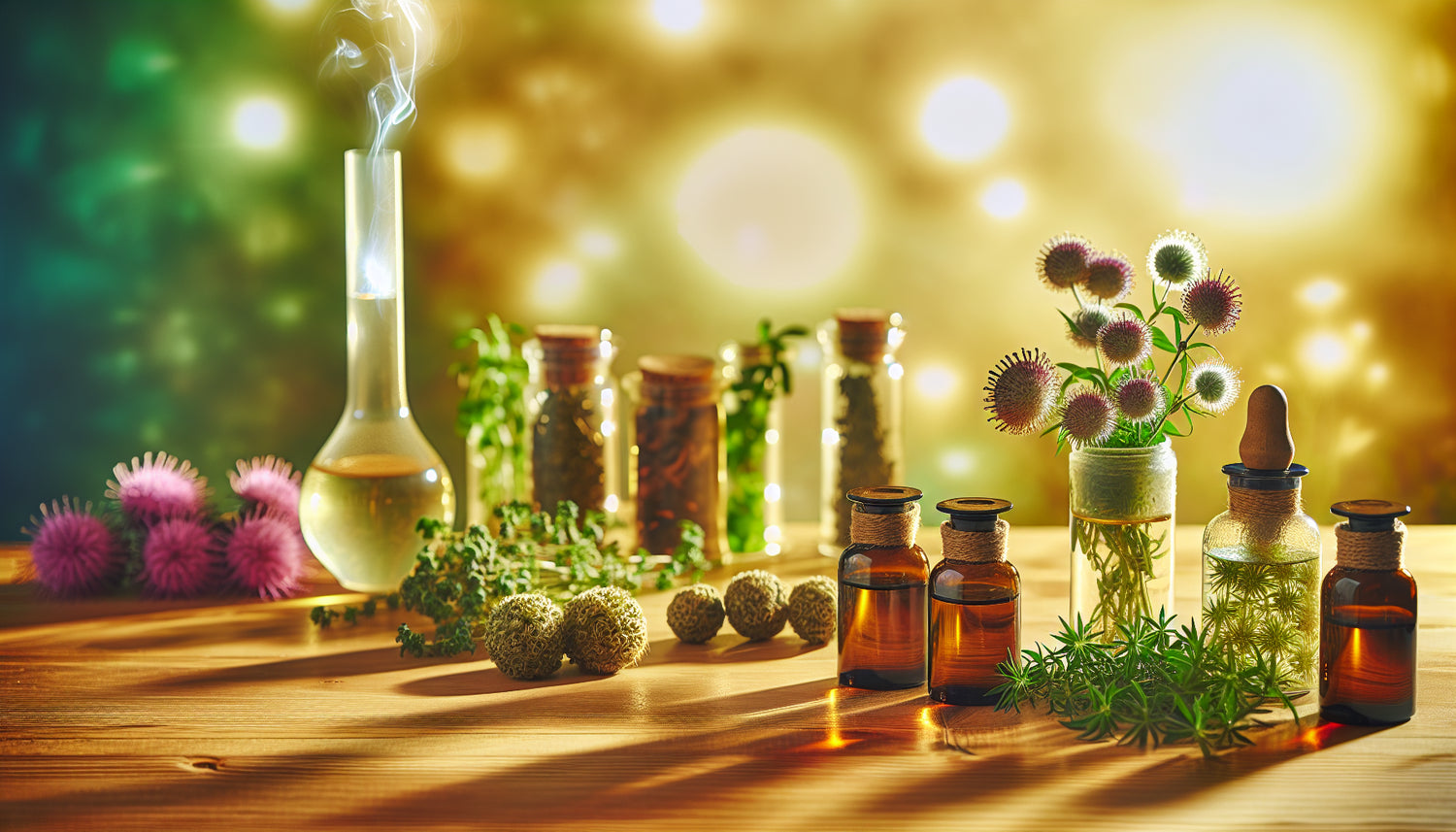
Die Kraft der Bitterkräuter entfaltet sich nicht nur im Geschmack, sondern auch in ihren kostbaren ätherischen Ölen. Diese natürlichen Essenzen werden seit Jahrhunderten in der Kräuterkunde geschätzt und sind bekannt für ihre vielfältige Verwendung. Besonders für die Atemwege bieten ätherische Öle aus bitteren Heilpflanzen eine sanfte und natürliche Begleitung, die bereits die berühmte Äbtissin Hildegard von Bingen zu schätzen wusste.
📋 Inhaltsverzeichnis
Die Weisheit Hildegards: Bittere Kräuter für die Atemwege
Hildegard von Bingen erkannte bereits im 12. Jahrhundert die besondere Bedeutung bitterer Kräuter für die Verwendung an den Atemwegen. In ihren Schriften beschreibt sie detailliert, wie bestimmte Pflanzen mit ihrer bitteren Signatur und ihren ätherischen Ölen seit jeher für die Atemwege geschätzt wurden. Diese jahrhundertealte Weisheit bildet noch heute die Grundlage für die moderne Aromatherapie.
Die Hildegard von Bingen Produkte folgende Kräuterkunde betont die Wichtigkeit der Signaturenlehre: Bittere Kräuter mit ihren charakteristischen ätherischen Ölen werden seit alters her als besonders wertvoll für die Reinigung geschätzt und sind bekannt für ihre Verwendung an den Atemwegen. Hildegard beschrieb, wie die flüchtigen Verbindungen dieser Pflanzen die Atemwege erreichen und dort ihre seit Jahrhunderten geschätzte Wirkung entfalten können.
Besonders interessant ist Hildegards ganzheitlicher Ansatz: Sie betrachtete die ätherischen Öle aus Bitterkräutern nicht isoliert, sondern als Teil eines komplexen Systems, das Körper, Geist und Seele gleichermaßen unterstützen kann. Diese Sichtweise macht ihre Lehren auch heute noch relevant für alle, die natürliche Wege zur Unterstützung des Wohlbefindens suchen.
Bitterkräuter und ihre ätherischen Schätze
Zu den wertvollsten bitteren Heilpflanzen für die Atemwege zählen Beifuß, Wermut, Enzian und Tausendgüldenkraut. Diese BitterKraft Original Kräuter enthalten komplexe ätherische Ölverbindungen, die seit Jahrhunderten in der Kräuterkunde geschätzt werden. Jede Pflanze bringt dabei ihre eigene, charakteristische Zusammensetzung an Wirkstoffen mit, die synergistisch zusammenwirken können.
Beifuß beispielsweise wird seit alters her für Reinigungsrituale geschätzt und enthält ätherische Öle, die bereits in geringen Mengen ihre charakteristische Wirkung entfalten können. Wermut hingegen ist bekannt für seine besonders intensive Bittersignatur und seine ätherischen Komponenten, die in der Volksmedizin für das Wohlbefinden geschätzt sind.
Der alpine Enzian bringt nicht nur extreme Bitterkeit mit, sondern auch wertvolle ätherische Öle, die in der Volksheilkunde seit jeher für die Atemwege bekannt sind. Tausendgüldenkraut rundet diese Auswahl mit seinen milderen, aber dennoch wirksamen ätherischen Verbindungen ab und wird besonders für seine ausgleichenden Eigenschaften geschätzt.
Historische Verwendung in der Aromatherapie
Die ätherischen Öle aus Bitterkräutern werden seit Jahrhunderten auf verschiedene Weise verwendet. Eine bewährte Methode ist die Inhalation, bei der wenige Tropfen des ätherischen Öls in heißes Wasser gegeben und die aufsteigenden Dämpfe eingeatmet wurden. Diese historische Verwendung ermöglichte es den wertvollen Inhaltsstoffen, ihre charakteristischen Eigenschaften zu entfalten.
Aromatherapeutische Mischungen, die ätherische Öle verschiedener Bitterkräuter kombinieren, sind seit alters her bekannt für ihre Verwendung zur Unterstützung des Wohlbefindens. Dabei war es schon immer wichtig, auf die richtige Dosierung zu achten und qualitativ hochwertige, naturbelassene Öle zu verwenden. Die Verdünnung mit geeigneten Trägerölen macht die intensiven Essenzen hautverträglich und ermöglichte auch die äußerliche Verwendung.
Eine weitere historische Verwendungsmöglichkeit ist die Raumbeduftung mit Hilfe von Räucherungen oder Duftlampen. Die ätherischen Öle konnten so ihre seit Jahrhunderten geschätzte Wirkung über die Atemluft entfalten und gleichzeitig für eine angenehme, natürliche Atmosphäre sorgen. Besonders in der kalten Jahreszeit wurde diese Methode zur Unterstützung des Wohlbefindens geschätzt.
Qualität und Nachhaltigkeit bei ätherischen Ölen
Die Qualität ätherischer Öle aus Bitterkräutern hängt maßgeblich von der Herkunft der Pflanzen und der Gewinnungsmethode ab. Wildsammlung aus unbelasteten Gebieten oder kontrolliert biologischer Anbau gewährleisten, dass die Pflanzen ihre volle Kraft entfalten können. Die schonende Wasserdampfdestillation erhält dabei die wertvollen Inhaltsstoffe und sorgt für reine, naturbelassene ätherische Öle.
Nachhaltigkeit spielt bei der Gewinnung ätherischer Öle eine immer wichtigere Rolle. Verantwortungsvolle Sammlung und Anbau schützen nicht nur die Umwelt, sondern stellen auch sicher, dass diese wertvollen Pflanzen auch zukünftigen Generationen zur Verfügung stehen. Zertifizierte Bio-Qualität und transparente Herkunftsangaben sind dabei wichtige Qualitätsmerkmale.
Die richtige Lagerung ätherischer Öle trägt entscheidend zur Erhaltung ihrer Qualität bei. Dunkle Glasflaschen, kühle Temperaturen und der Schutz vor Licht bewahren die empfindlichen Verbindungen vor dem Verfall. So können die ätherischen Öle aus BitterKraft Original Bitterkräutern ihre seit Jahrhunderten geschätzte Kraft über lange Zeit entfalten und als natürliche Begleiter für das Wohlbefinden dienen.
🤖 Das Beitragsbild dieses Artikels wurde mit DALL·E 3 (OpenAI) mithilfe von Künstlicher Intelligenz generiert (gemäß EU AI Act Art. 50 gekennzeichnet).

Hinterlasse einen Kommentar
Diese Website ist durch hCaptcha geschützt und es gelten die allgemeinen Geschäftsbedingungen und Datenschutzbestimmungen von hCaptcha.