


Der Winter hinterlässt seine Spuren - nicht nur in der Natur, sondern auch in unserem Körper. Schwere Mahlzeiten, weniger Bewegung und die dunkle Jahreszeit können zu einem Gefühl der Trägheit führen. Die heilige Hildegard von Bingen erkannte bereits im 12. Jahrhundert die Bedeutung der Frühjahrstradition und nutzte die Kraft wilder Kräuter, um das allgemeine Wohlbefinden beim Übergang in die warme Jahreszeit zu unterstützen. Ihre zeitlose Weisheit zeigt uns heute noch, wie wir mit der Natur im Einklang unsere Vitalität zurückgewinnen können.
📋 Inhaltsverzeichnis
Die Weisheit der Hildegard: Frühjahrstradition als natürlicher Rhythmus
Hildegard von Bingen verstand den menschlichen Körper als Teil der natürlichen Ordnung. Nach ihrer Lehre kann die kalte Jahreszeit das allgemeine Wohlbefinden beeinträchtigen. Die Äbtissin erkannte, dass der Frühling die ideale Zeit ist, um das Wohlbefinden zu unterstützen und den Körper auf die energiereiche Zeit des Jahres vorzubereiten.
In ihren Schriften beschreibt Hildegard detailliert, wie wilde Kräuter traditionell verwendet werden können, um wieder in Balance zu kommen. Ihre Philosophie basiert auf der Vorstellung, dass jede Pflanze ihre eigene "Kraft" besitzt und seit Jahrhunderten geschätzt wird. Diese Hildegard von Bingen Produkte Tradition hat sich über Jahrhunderte bewährt und findet heute wieder verstärkt Beachtung.
Besonders wertvoll ist Hildegards ganzheitlicher Ansatz: Sie betrachtete nicht nur die körperlichen Aspekte, sondern bezog auch die seelische und geistige Verfassung mit ein. Nach ihrer Überzeugung kann ein achtsames Wellness-Ritual im Frühjahr zu mehr Klarheit, Energie und innerer Ruhe führen - Eigenschaften, die in unserer hektischen Zeit besonders geschätzt werden.
Brennnessel und Löwenzahn: Die kraftvollen Frühlingsboten
Zu den wertvollsten Frühlingskräutern nach Hildegard gehört zweifellos die Brennnessel. Diese oft unterschätzte Pflanze wird seit Jahrhunderten für ihre traditionelle Verwendung geschätzt. Die jungen Brennnesselblätter, die im zeitigen Frühjahr gesammelt werden, sind reich an Mineralstoffen und Vitaminen. Hildegard schätzte die Brennnessel besonders und verwendete sie gerne in Verbindung mit Leber-Produkten von Bitterkraft für das allgemeine Wohlbefinden.
Der Löwenzahn, dessen gelbe Blüten die Wiesen zum Leben erwecken, nimmt in Hildegards Kräuterwissen einen besonderen Platz ein. Alle Teile dieser robusten Pflanze - von der Wurzel bis zur Blüte - werden traditionell verwendet. Besonders die BitterKraft Original Substanzen im Löwenzahn machten ihn zu einem geschätzten Begleiter bei der traditionellen Frühjahrsanwendung. Diese natürlichen Bitterstoffe sind seit Jahrhunderten für ihren charakteristischen Geschmack bekannt.
Beide Pflanzen lassen sich vielseitig verwenden: als frische Zugabe zu Salaten, als Tee oder in Form von hochwertigen Extrakten. Wichtig ist dabei die Qualität der Pflanzen - idealerweise werden sie fernab von stark befahrenen Straßen und unbehandelten Wiesen gesammelt oder aus kontrolliertem Anbau bezogen.
Giersch und Scharbockskraut: Vergessene Schätze der Natur
Der Giersch, vielen Gärtnern als hartnäckiges "Unkraut" bekannt, war für Hildegard ein wertvoller Begleiter bei der traditionellen Frühjahrsanwendung. Seine jungen Blätter sind reich an Vitamin C und Mineralstoffen und werden traditionell nach den Wintermonaten geschätzt. Giersch schmeckt mild-würzig und lässt sich hervorragend in der Küche verwenden - sei es als Spinatersatz, in Suppen oder als Bestandteil grüner Smoothies.
Das Scharbockskraut, das bereits bei den ersten warmen Sonnenstrahlen seine herzförmigen Blätter zeigt, wurde traditionell bei Müdigkeit im Frühjahr verwendet. Der hohe Vitamin-C-Gehalt machte es zu einem geschätzten kulinarischen Begleiter nach den vitaminärmeren Wintermonaten. Allerdings sollte es nur vor der Blüte gesammelt werden, da sich danach der Gehalt an Scharfstoffen erhöht.
Diese wilden Kräuter zeigen uns, wie reichhaltig die Natur uns auch heute noch beschenkt. Wer sie sammeln möchte, sollte sich jedoch vorher gründlich informieren und niemals Pflanzen ernten, bei deren Bestimmung Unsicherheit besteht. ACHTUNG: Beim Sammeln von Wildkräutern besteht erhebliche Verwechslungsgefahr mit giftigen Pflanzen! Informieren Sie sich auch über rechtliche Bestimmungen zum Sammeln. Immunsystem-Produkte gibt es auch in geprüfter Qualität im Fachhandel.
Praktische Anwendung: Von der Theorie zur täglichen Routine
Die Integration von Hildegards Kräuterwissen in den modernen Alltag kann auf verschiedene Weise erfolgen. Ein bewährter Einstieg ist die morgendliche Tasse Kräutertee aus Brennnessel oder Löwenzahn. Diese sanfte Tradition kann den Tag energievoll beginnen lassen und ist seit Jahrhunderten geschätzt. Auch ein grüner Smoothie mit frischen Wildkräutern ist eine moderne Interpretation der jahrhundertealten kulinarischen Tradition.
Für ein intensiveres Wellness-Ritual im Frühjahr können BitterKraft Original Kräuter über mehrere Tage als kulinarische Tradition genossen werden. Dabei werden über einen Zeitraum von ein bis drei Wochen täglich hochwertige Kräuterextrakte als Teil der Ernährung integriert. Wichtig ist dabei die richtige Dosierung und die Beachtung individueller Bedürfnisse. Wer unsicher ist, sollte sich von erfahrenen Naturheilkundlern beraten lassen.
Ergänzend zur traditionellen Kräuterverwendung empfahl Hildegard auch Fasten-Produkte Zeiten und bewusste Ernährung. Eine Reduktion schwerer, fettiger Speisen zugunsten frischer, regionaler Kost passt wunderbar zur traditionellen Frühjahrsküche. Auch ausreichend Bewegung an der frischen Luft und bewusste Entspannungsphasen gehören zu einem ganzheitlichen Frühjahrserwachen nach Hildegards Vorbild.
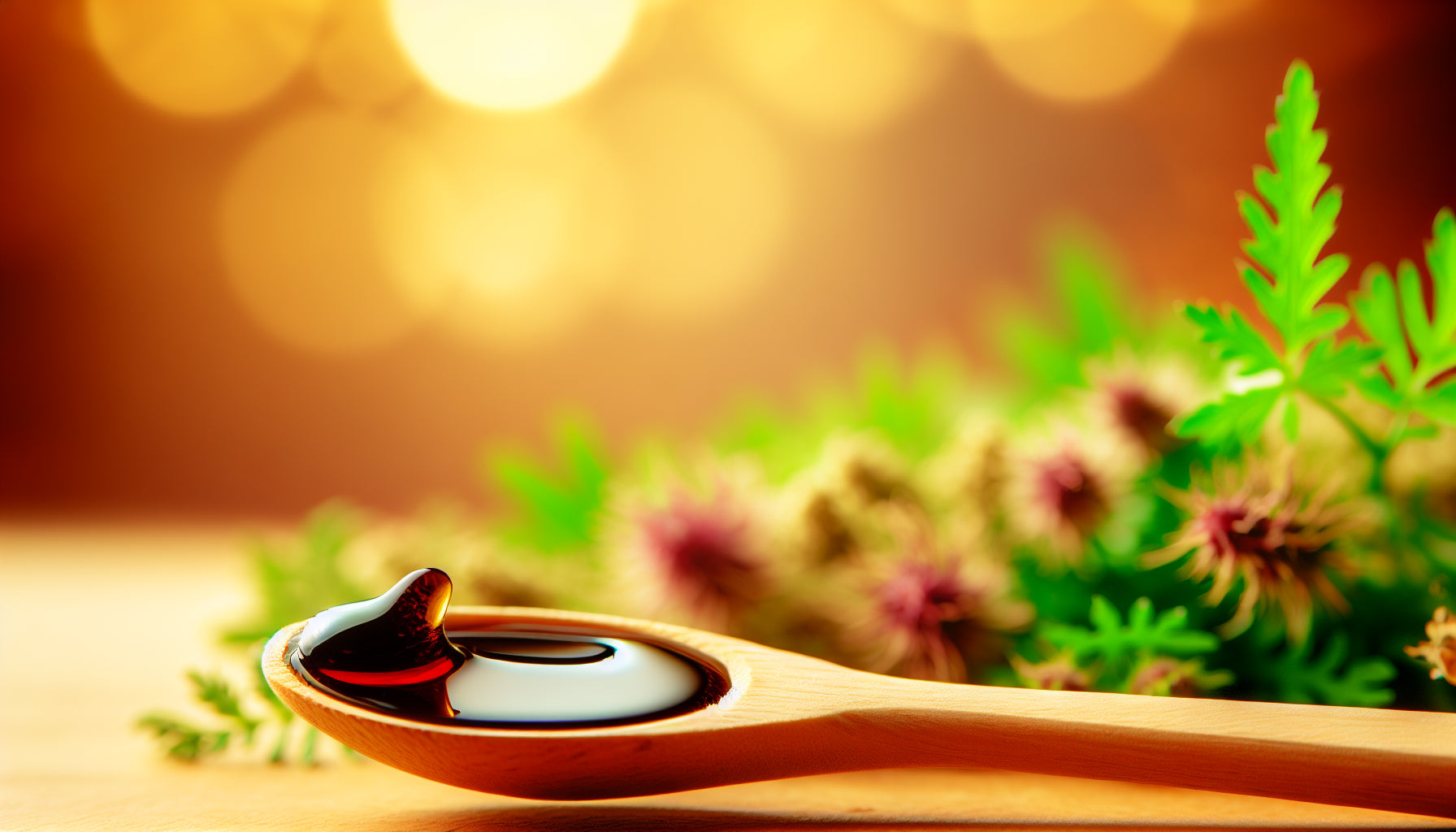
🤖 Das Beitragsbild dieses Artikels wurde mit DALL·E 3 (OpenAI) mithilfe von Künstlicher Intelligenz generiert (gemäß EU AI Act Art. 50 gekennzeichnet).


Hinterlasse einen Kommentar
Diese Website ist durch hCaptcha geschützt und es gelten die allgemeinen Geschäftsbedingungen und Datenschutzbestimmungen von hCaptcha.