

Viele Menschen kennen das unangenehme Gefühl: Die Hosen sitzen plötzlich enger, die Beine fühlen sich schwer an, und der Bauch wirkt aufgequollen – obwohl man eigentlich nichts Ungewöhnliches gegessen hat. Wassereinlagerungen, in der Medizin als Ödeme bekannt, gelten oft als harmlose Begleiterscheinung von warmem Wetter, langem Sitzen oder hormonellen Schwankungen. Doch was viele nicht wissen: Der Darm spielt in diesem Zusammenhang eine weit bedeutendere Rolle, als bislang angenommen wurde. Die enge Verbindung zwischen Darmgesundheit und Wasserhaushalt ist ein Thema, das in der traditionellen Naturheilkunde schon lange bekannt ist – und das die moderne Forschung zunehmend wieder entdeckt.
Wenn der Körper Wasser hält: Was wirklich dahintersteckt
Wassereinlagerungen entstehen, wenn Flüssigkeit aus den Blutgefäßen in das umliegende Gewebe austritt und dort nicht ausreichend abtransportiert wird. Das Lymphsystem und die Nieren sind normalerweise dafür zuständig, dieses Gleichgewicht zu regulieren. Doch dieser fein abgestimmte Mechanismus kann durch viele Faktoren aus dem Takt geraten – und der Darm gehört zu den am häufigsten unterschätzten davon. Entzündliche Prozesse im Darm, eine gestörte Darmschleimhaut oder ein Ungleichgewicht der Darmflora können weitreichende Auswirkungen auf den gesamten Flüssigkeitshaushalt des Körpers haben.
In der Naturheilkunde wird der Darm traditionell als zentrales Organ des Wohlbefindens betrachtet. Schon Hildegard von Bingen, die mittelalterliche Universalgelehrte und Äbtissin, widmete dem Darm in ihren Schriften besondere Aufmerksamkeit. Sie beschrieb, wie ein „unreiner Leib" – also ein träger, belasteter Darm – das gesamte körperliche Gleichgewicht stören könne. Diese ganzheitliche Sichtweise deckt sich erstaunlich gut mit dem, was wir heute über die Zusammenhänge zwischen Darmgesundheit und systemischen Prozessen im Körper wissen.
Besonders interessant ist die Rolle der Darmschleimhaut als Barriere. Sie reguliert, welche Stoffe aus dem Darminneren in den Blutkreislauf gelangen dürfen und welche nicht. Ist diese Barriere geschwächt – ein Zustand, den viele Naturheilkundler als „durchlässigen Darm" bezeichnen –, können unerwünschte Moleküle ins Blut übertreten und eine stille Entzündungsreaktion auslösen. Entzündungen im Körper gehen häufig mit einer veränderten Gefäßdurchlässigkeit einher, was wiederum das Einlagern von Gewebewasser begünstigen kann. So entsteht ein Kreislauf, der auf den ersten Blick wenig mit dem Darm zu tun zu haben scheint.
Die Darmschleimhaut ist weit mehr als eine Verdauungsstruktur – sie ist eine aktive Regulationsebene, die den Flüssigkeitshaushalt des gesamten Körpers mitbeeinflusst.
Darmflora und stille Entzündungen: Die verborgene Verbindung zum Gewebe
Das Mikrobiom – die Gemeinschaft der Billionen von Mikroorganismen in unserem Darm – ist in den letzten Jahren zu einem der meistdiskutierten Themen in der Gesundheitsforschung geworden. Und das aus gutem Grund: Die Darmflora beeinflusst weit mehr als nur die Verdauung. Sie steht in engem Austausch mit dem Immunsystem, dem Nervensystem und – wie zunehmend deutlich wird – auch mit dem Lymph- und Gefäßsystem. Ein Ungleichgewicht im Mikrobiom, auch als Dysbiose bezeichnet, kann stille, chronische Entzündungsprozesse in Gang setzen, die sich unter anderem in Form von Wassereinlagerungen äußern können.
Traditionelle Heilsysteme haben diese Zusammenhänge intuitiv erfasst, lange bevor es Mikroskope oder Labortests gab. In der Klostermedizin des Mittelalters wurden bittere Kräuter nicht nur zur Unterstützung der Verdauung eingesetzt, sondern auch bei Zuständen, die wir heute mit dem Begriff „innere Belastung" beschreiben würden. Hildegard von Bingen Produkte Hildegard von Bingen empfahl beispielsweise Wermut und Schafgarbe als Pflanzen, die den „Schleim aus dem Leib treiben" – eine bildhafte Beschreibung für das Ausleiten von Stoffen, die den Körper belasten. In diesem Sinne waren bittere Kräuter für sie stets auch eine Art innere Reinigung.
Moderne Betrachtungen legen nahe, dass bestimmte Bakterienstämme im Darm entzündungshemmende Botenstoffe produzieren, während andere das Entzündungsgeschehen anheizen können. Wenn das Gleichgewicht zugunsten der entzündungsfördernden Stämme kippt, reagiert der Körper auf vielfältige Weise – und das Gewebe reagiert empfindlich auf diese subtilen Verschiebungen. Eine gezielte Pflege des Mikrobioms durch traditionelle Kräuter, fermentierte Lebensmittel und eine ballaststoffreiche Ernährung wird in der Naturheilkunde seit jeher als sinnvoller Weg betrachtet, dieses Gleichgewicht zu unterstützen. Darm- und Verdauungsprodukte
„Omnia membra in corpore quasi fratres sunt" – „Alle Glieder im Körper sind gleichsam wie Brüder." Hildegard von Bingen, Causae et Curae (12. Jahrhundert). Diese Aussage beschreibt treffend, was die Naturheilkunde stets lehrte: Kein Organ arbeitet isoliert – der Darm beeinflusst das Ganze.
Besonders das Lymphsystem, das eng mit dem Darm verbunden ist, verdient in diesem Kontext besondere Aufmerksamkeit. Ein Großteil der Lymphknoten befindet sich im Bauchraum, und die Lymphgefäße des Darms – die sogenannten Laktealien – spielen eine wichtige Rolle im Feuchtigkeitshaushalt des Körpers. Wenn der Darm dauerhaft belastet ist, kann auch das Lymphsystem in Mitleidenschaft gezogen werden, was den Abtransport von Gewebewasser erschwert. Dieser Zusammenhang erklärt, warum in der traditionellen Naturheilkunde Darmreinigungen und Entlastungskuren häufig auch bei Schwellungsneigungen empfohlen wurden.
Traditionelle Kräuter: Was die Klostermedizin für Darm und Wasserhaushalt bereithält
Das Kräuterwissen der Klostermedizin ist ein Schatz, der über Jahrhunderte verfeinert und weitergegeben wurde. Hildegard von Bingen, aber auch andere Kräuterkundige wie Paracelsus oder Sebastian Kneipp, haben Pflanzen beschrieben, die traditionell bei Zuständen eingesetzt wurden, die wir heute mit einem trägen Darm, innerer Belastung oder Wasserneigung verbinden würden. Diese Pflanzen wurden nicht als Heilmittel im modernen Sinne verstanden, sondern als Nahrungsmittel und Begleiter, die das natürliche Gleichgewicht des Körpers unterstützen sollten. BitterKraft Original
Besonders die Bitterpflanzen spielten in diesem System eine herausragende Rolle. Bittere Substanzen, sogenannte Bitterstoffe oder Amarae, wurden seit der Antike als besonders wertvoll für die „innere Ordnung" des Körpers geschätzt. Hildegard von Bingen beschrieb Enzian, Wermut und Schafgarbe als Kräuter, die den „trägen Leib beleben" und dazu beitragen, dass der Körper seine natürlichen Ausscheidungsprozesse wieder aufnehmen kann. In ihrer Vorstellung war ein gut funktionierender Darm die Grundlage für alles andere – eine Überzeugung, die die Naturheilkunde bis heute teilt.
Neben den klassischen Bitterkräutern wurden in der Klostermedizin auch harntreibende Kräuter wie Brennnessel, Goldrute und Löwenzahn traditionell genutzt – nicht um Symptome zu bekämpfen, sondern um den Körper in seiner natürlichen Ausscheidungsarbeit zu begleiten. Diese Pflanzen wurden oft kombiniert, um sowohl den Darm als auch die Nieren in ihrer natürlichen Arbeit zu unterstützen. Die Kombination von Darm- und Nierenpflege war in der traditionellen Medizin ein bewährtes Konzept, das heute eine wissenschaftlich interessante Grundlage erhält. Fasten-Produkte
Traditionell geschätzte Kräuter für Darm und inneres Gleichgewicht:
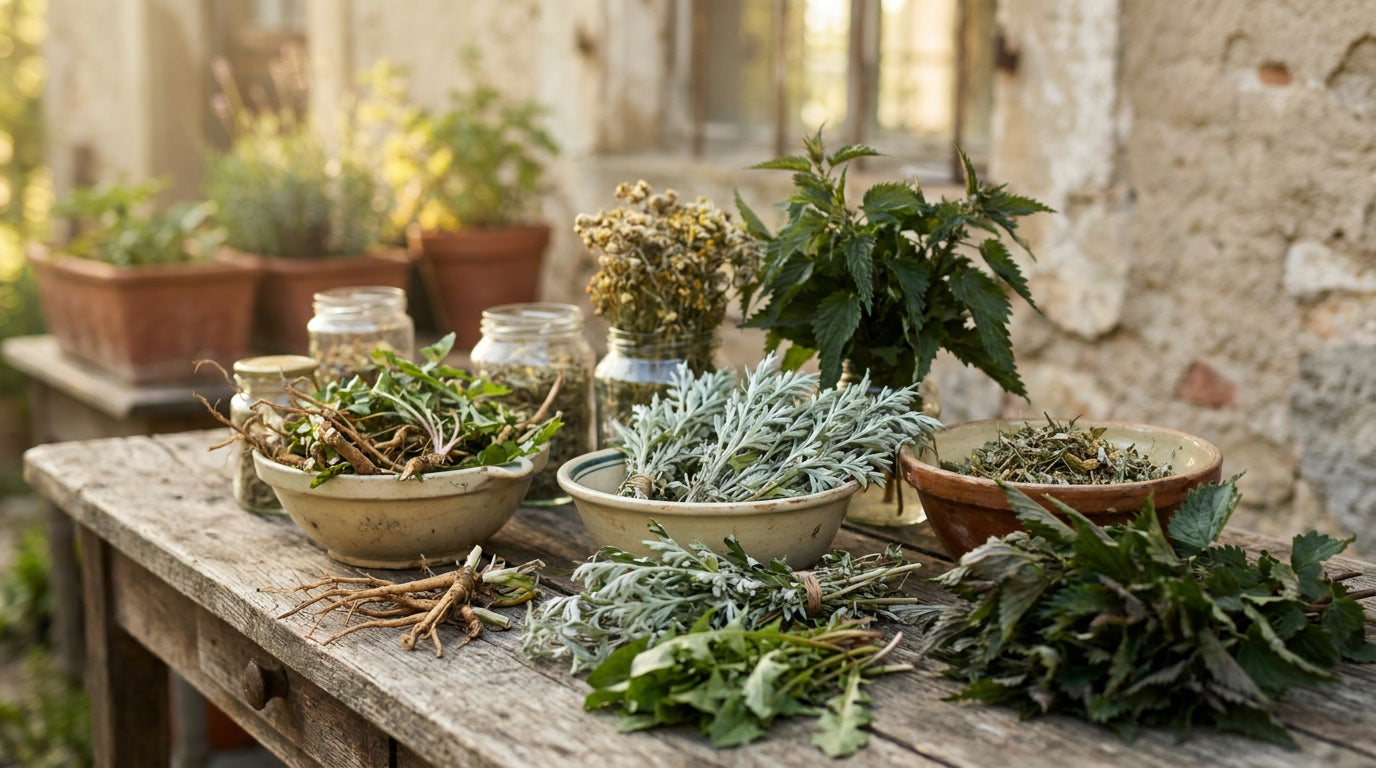
- Löwenzahn: Wird seit Jahrhunderten in der europäischen Volksmedizin als Frühjahrskraut geschätzt. Traditionell verwendet, um den Körper nach dem Winter zu beleben und die natürliche Ausscheidung zu begleiten.
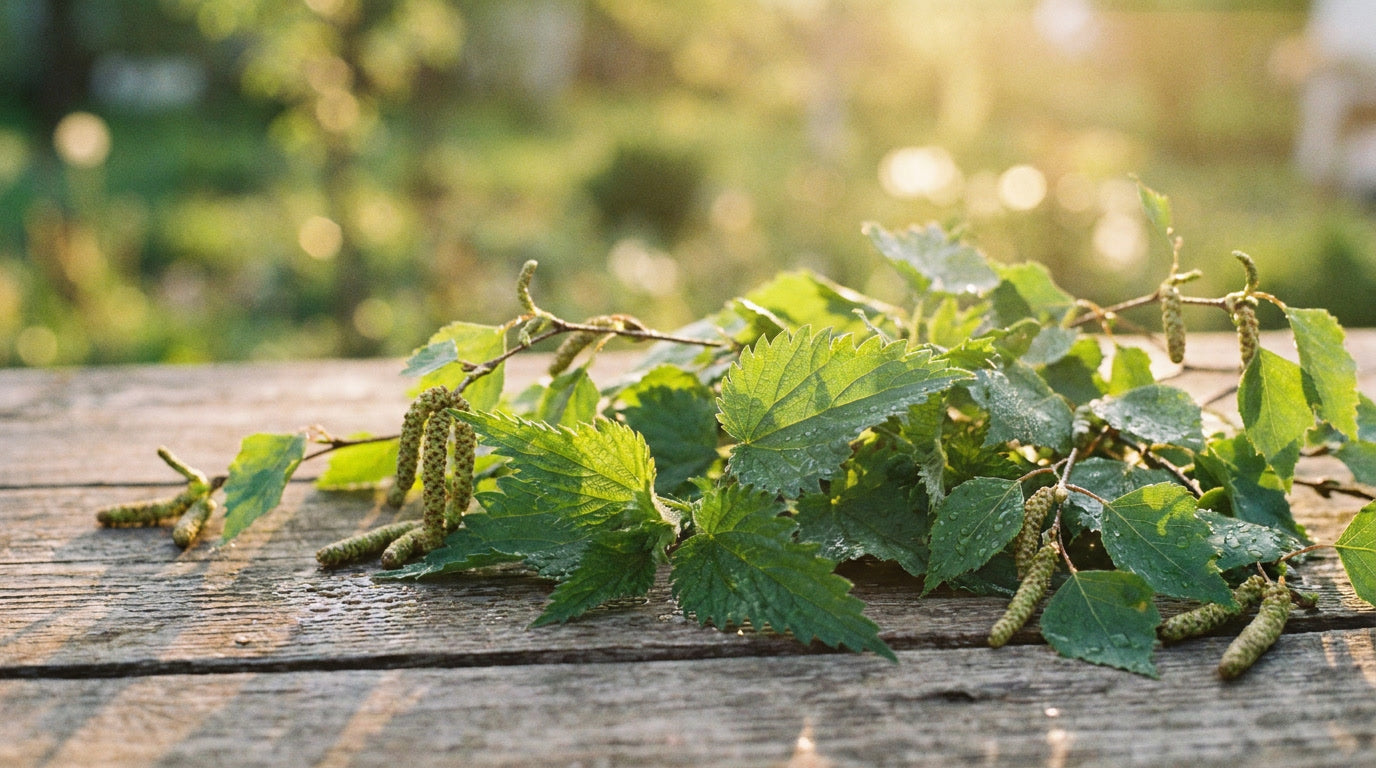
- Brennnessel: In der Klostermedizin als „reinigende" Pflanze bekannt und historisch bei Wasserneigung sowie zur Frühjahrsreinigung eingesetzt. Gilt als eines der bekanntesten heimischen Wildkräuter überhaupt.
- Wermut: Von Hildegard von Bingen als wichtige Bitterpflanze beschrieben, die den „trägen Leib beleben" soll. Wird seit Jahrhunderten traditionell für die Unterstützung der Verdauungsorgane verwendet.
- Schafgarbe: In der europäischen Kräutertradition weit verbreitet und bei inneren Ungleichgewichten eingesetzt. Hildegard von Bingen schätzte sie für ihre „ordnende" Wirkung im Bauchraum.
- Goldrute: Traditionell in der Volksmedizin als „Nierenkraut" bekannt und seit Generationen zur Begleitung der natürlichen Wasserausscheidung genutzt.
- Fenchel: Eine der ältesten Kulturpflanzen Europas, die Hildegard von Bingen besonders schätzte. Traditionell bei Blähungen, Völlegefühl und allgemeinen Beschwerden im Bauchraum verwendet.
- Mariendistel: Historisch bekannt als Pflanze zur Pflege der Leber, die in der ganzheitlichen Betrachtung eng mit dem Darm zusammenarbeitet. Wird seit Jahrhunderten in der abendländischen Kräutertradition geschätzt. Leber-Produkte von Bitterkraft
Was steckt hinter den Bitterstoffen?
Bitterstoffe sind sekundäre Pflanzenstoffe, die der Pflanze als natürlicher Schutz dienen. In der menschlichen Ernährung sind sie seit Jahrtausenden bekannt und wurden traditionell als wichtiger Bestandteil einer ausgewogenen Kost angesehen. In der modernen westlichen Ernährung sind Bitterstoffe weitgehend weggezüchtet worden – zugunsten süßerer, milder schmeckender Lebensmittel. Die Naturheilkunde betrachtet diesen Verlust als einen möglichen Faktor für verschiedene Ungleichgewichte im Körper. Traditionelle Bittermittel wie Enzian, Wermut oder Artischocke werden deshalb im Rahmen eines ganzheitlichen Lebensstils wieder als wertvolle Ergänzung entdeckt. Auf Bitterkraft.com finden Sie eine sorgfältig zusammengestellte Auswahl an traditionellen Bitterkräutern und Bitterstoffen – nach dem Vorbild der Klostermedizin. BitterKraft Original
Ganzheitliche Begleitung: Was Sie im Alltag tun können
Die Naturheilkunde denkt stets in Zusammenhängen und Lebensstilen, nicht in Einzelmaßnahmen. Wenn Wassereinlagerungen und ein belasteter Darm gemeinsam auftreten, lohnt sich ein ganzheitlicher Blick auf den Alltag – auf Ernährung, Bewegung, Stressbelastung und die bewusste Pflege des inneren Gleichgewichts. Hildegard von Bingen sprach in diesem Zusammenhang von der „discretio" – der inneren Ordnung und Ausgewogenheit, die sie als Grundlage jeder Gesundheit betrachtete. Diese Idee ist zeitlos und lässt sich hervorragend in einen modernen Alltag übersetzen.
Ein träger Darm und Wassereinlagerungen sind oft zwei Seiten derselben Medaille – wer den Darm pflegt, unterstützt den gesamten Körperhaushalt.
Ernährungstechnisch empfiehlt die Naturheilkunde, auf eine abwechslungsreiche, ballaststoffreiche Kost zu setzen, die das Mikrobiom mit vielfältiger Nahrung versorgt. Fermentierte Lebensmittel wie Sauerkraut, Kefir oder fermentiertes Gemüse wurden in der traditionellen europäischen Küche seit Jahrhunderten als selbstverständlicher Bestandteil der täglichen Ernährung angesehen – und sind heute in der Naturheilkunde wieder hochaktuell. Gleichzeitig empfehlen traditionelle Konzepte, stark verarbeitete, zuckerreiche und salzige Lebensmittel zu reduzieren, da sie das Mikrobiom belasten und Wasserneigung begünstigen können.
Bewegung spielt ebenfalls eine zentrale Rolle. Das Lymphsystem – anders als das Blutgefäßsystem – hat keine eigene Pumpe und ist auf Muskelaktivität angewiesen, um Flüssigkeit aus dem Gewebe zurückzutransportieren. Regelmäßige, sanfte Bewegung wie Spazierengehen, Schwimmen oder Yoga kann den Lymphfluss anregen und dabei helfen, Gewebewasser natürlich abzubauen. In der Kneipp-Tradition werden zusätzlich Wasseranwendungen wie Wechselduschen oder kalte Güsse als tonisierende Maßnahmen für das Gefäß- und Lymphsystem empfohlen – ein einfaches, aber wirkungsvolles Werkzeug aus der Naturheilkunde.
Stress ist ein weiterer, oft unterschätzter Faktor. Chronischer Stress beeinflusst die Zusammensetzung des Mikrobioms, kann Entzündungsprozesse begünstigen und über die sogenannte Darm-Hirn-Achse direkten Einfluss auf die Darmgesundheit nehmen. Naturheilkundliche Konzepte empfehlen daher stets, auch auf die seelische Balance zu achten. Hildegard von Bingen sah den Menschen als Einheit von Körper, Geist und Seele – eine Betrachtungsweise, die auch in der modernen Psychosomatik zunehmend Anerkennung findet. Regelmäßige Auszeiten, bewusstes Atmen, Natur und Stille sind in diesem Sinne keine Luxusgüter, sondern Bestandteile eines gesunden Lebensstils. Schlaf- und Entspannungsprodukte
„Der Mensch muss auf seinen Körper achten wie ein Gärtner auf seinen Garten." – Hildegard von Bingen, sinngemäß aus Causae et Curae. Diese Metapher beschreibt treffend, wie die Klostermedizin den Körper betrachtete: als lebendiges System, das Pflege, Aufmerksamkeit und die richtigen Bedingungen braucht – nicht Eingriffe, sondern Begleitung.
Wer den Weg der traditionellen Naturheilkunde gehen möchte, kann auch gezielte Pflanzenkuren in seinen Alltag integrieren. Eine klassische Frühjahrskur mit Bitterkräutern und harntreibenden Pflanzen – wie sie in der Klostermedizin seit dem Mittelalter praktiziert wurde – ist eine bewährte Methode, um Körper und Darm nach dem Winter zu beleben. Solche Kuren wurden nicht als Behandlung verstanden, sondern als liebevolle Zuwendung zum eigenen Körper, als Ritual des Neubeginns. Auf Bitterkraft.com finden Sie traditionell zusammengestellte Kräuterprodukte, die diesem Gedanken folgen. alle Bitterkraft Produkte
Die klügste Strategie gegen Wassereinlagerungen beginnt nicht mit dem Gewebe – sondern mit dem Darm. Wer den Darm pflegt, pflegt das ganze System.
Abschließend lässt sich sagen: Der Zusammenhang zwischen Darmgesundheit und Wasserhaushalt ist weder neu noch überraschend – er wurde in der Naturheilkunde und Klostermedizin seit Jahrhunderten intuitiv erkannt und praktisch umgesetzt. Was sich verändert hat, ist unsere Fähigkeit, diese Zusammenhänge besser zu verstehen und zu beschreiben. Die Weisheit der Natur und der alten Kräuterkundigen wie Hildegard von Bingen hat dabei nach wie vor ihren Platz – als Inspiration, als historische Grundlage und als Einladung, den eigenen Körper mit mehr Aufmerksamkeit und Respekt zu begegnen. Ein gesunder Darm ist in diesem Sinne nicht nur eine Frage der Verdauung – er ist ein Fundament des allgemeinen Wohlbefindens. Immunsystem-Produkte

Hinterlasse einen Kommentar
Diese Website ist durch hCaptcha geschützt und es gelten die allgemeinen Geschäftsbedingungen und Datenschutzbestimmungen von hCaptcha.