


Sorbit ist ein natürlich vorkommender Zuckeralkohol, der sowohl in Früchten als auch als Zuckeraustauschstoff in vielen Lebensmitteln zu finden ist. Während manche Menschen Sorbit problemlos vertragen, leiden andere unter unangenehmen Verdauungsbeschwerden nach dem Verzehr sorbitreicher Speisen. Die traditionelle Naturheilkunde, insbesondere das Wissen der Hildegard von Bingen, bietet wertvolle Ansätze zur sanften Unterstützung der Verdauung und des allgemeinen Wohlbefindens bei derartigen Unverträglichkeiten.
📋 Inhaltsverzeichnis
Was ist Sorbit und wo kommt es vor?
Sorbit ist ein sechswertiger Zuckeralkohol, der natürlicherweise in verschiedenen Früchten vorkommt. Besonders reich an Sorbit sind Äpfel, Birnen, Pflaumen, Kirschen und Pfirsiche. Auch in getrockneten Früchten ist der Gehalt oft noch höher konzentriert. Als Lebensmittelzusatzstoff E 420 wird Sorbit häufig in zuckerfreien Kaugummis, Bonbons, Diabetikerprodukten und anderen industriell hergestellten Lebensmitteln eingesetzt.
Bei einer Sorbit-Unverträglichkeit kann es nach dem Verzehr sorbitreicher Lebensmittel zu verschiedenen Beschwerden kommen. Traditionell wird in der Naturheilkunde seit Jahrhunderten auf die Unterstützung des Wohlbefindens durch natürliche Kräuter und Heilpflanzen gesetzt. Die Symptome einer Sorbit-Unverträglichkeit können sehr vielfältig sein und reichen von Blähungen und Bauchkrämpfen über Durchfall bis hin zu einem allgemeinen Unwohlsein.
Interessant ist auch, dass Sorbit die Aufnahme von Fructose im Darm beeinflussen kann, weshalb Menschen mit Sorbit-Intoleranz oft auch Probleme mit fructosereichen Lebensmitteln haben. Die traditionelle Heilkunde bietet hier bewährte Ansätze zur natürlichen Unterstützung des Wohlbefindens.
Traditionelle Heilkräuter für eine harmonische Verdauung
Die Klostermedizin der Hildegard von Bingen kannte bereits im 12. Jahrhundert die Bedeutung einer ausgeglichenen Verdauung für das allgemeine Wohlbefinden. Verschiedene Heilkräuter werden seit Jahrhunderten traditionell zur Unterstützung des Wohlbefindens verwendet und sind bekannt für ihre harmonisierenden Eigenschaften im Darm- und Verdauungsprodukte-Bereich. Besonders geschätzt werden dabei Kräuter, die krampflösende und beruhigende Eigenschaften besitzen.
Fenchel wird traditionell geschätzt als sanfter Begleiter bei Verdauungsbeschwerden und ist seit Generationen bekannt für seine Verwendung bei Blähungen und Völlegefühl. Seine ätherischen Öle werden in der Volksheilkunde für das Wohlbefinden im Magen-Darm-Bereich geschätzt. Ähnlich bewährt ist Kümmel, dessen Samen traditionell zur Förderung der Verdauung und bei Blähungen verwendet werden. Die warmen, aromatischen Eigenschaften machen ihn zu einem bewährten Begleiter nach schwer verdaulichen Mahlzeiten.
Auch Kamille hat in der Naturheilkunde einen festen Platz als sanfte Unterstützung für den Verdauungstrakt. Ihre beruhigenden Eigenschaften werden traditionell geschätzt für das Wohlbefinden bei gereiztem Magen oder Darm. In der Hildegard von Bingen Produkte-Tradition werden diese Kräuter oft in Form von Tees oder als Gewürze in der täglichen Ernährung eingesetzt.
Die Bedeutung der Bitterstoffe für die Verdauung
BitterKraft Original spielen in der traditionellen Heilkunde eine zentrale Rolle bei der Unterstützung der Verdauung. Bitterstoffe werden traditionell zur Unterstützung des Wohlbefindens verwendet und sind in der Volksheilkunde bekannt für ihre harmonisierenden Eigenschaften. Besonders bei Unverträglichkeiten werden Bitterstoffe traditionell geschätzt für ihre sanft aktivierenden Eigenschaften auf die Verdauungsorgane.
Löwenzahn ist reich an natürlichen Bitterstoffen und wird seit Jahrhunderten traditionell zur Unterstützung der Verdauung geschätzt. Seine Bitterstoffe sind in der Volksheilkunde bekannt für ihre Verwendung zur Unterstützung des Wohlbefindens. Auch Enzian, mit seinen intensiven Bitterstoffen, hat einen festen Platz in der traditionellen Verdauungsheilkunde und wird seit Generationen zur Förderung des Wohlbefindens eingesetzt.
In unserer modernen Ernährung sind natürliche Bitterstoffe leider oft Mangelware, da sie aus vielen Gemüsesorten herausgezüchtet wurden. Umso wichtiger ist es, bewusst bitterstoffreiche Kräuter und Pflanzen in die tägliche Ernährung zu integrieren. Dies wird traditionell geschätzt, um das allgemeine Wohlbefinden zu unterstützen, besonders bei Menschen mit Unverträglichkeiten.
Praktische Tipps für den Alltag mit Sorbit-Unverträglichkeit
Ein bewusster Umgang mit sorbitreichen Lebensmitteln ist der erste Schritt zu mehr Wohlbefinden. Dabei ist es hilfreich zu wissen, dass die Verträglichkeit individuell sehr unterschiedlich sein kann. Während kleine Mengen oft problemlos vertragen werden, können größere Portionen zu Beschwerden führen. Ein Ernährungstagebuch kann dabei helfen, die persönliche Toleranzgrenze zu ermitteln und problematische Lebensmittel zu identifizieren.
Die Zubereitung der Speisen spielt ebenfalls eine wichtige Rolle. Traditionell werden verdauungsfördernde Gewürze wie Fenchel, Kümmel oder Anis verwendet, um schwer verdauliche Speisen bekömmlicher zu machen. Diese Gewürze können nicht nur den Geschmack bereichern, sondern werden auch traditionell für das Wohlbefinden nach dem Essen geschätzt. Ein warmer Kräutertee nach den Mahlzeiten ist eine weitere bewährte Tradition, die in der Volksheilkunde zur sanften Unterstützung des Verdauungssystems bekannt ist.
Stress kann die Verdauung erheblich beeinträchtigen und Unverträglichkeitssymptome verstärken. Daher ist es wichtig, auf eine entspannte Atmosphäre beim Essen zu achten und sich ausreichend Zeit für die Mahlzeiten zu nehmen. Regelmäßige Bewegung und Entspannungstechniken werden traditionell geschätzt für das allgemeine Wohlbefinden und die Harmonisierung der Verdauung. Die ganzheitliche Betrachtung von Körper und Geist, wie sie in der traditionellen Naturheilkunde praktiziert wird, bietet hier wertvolle Ansätze für ein Leben in Balance.
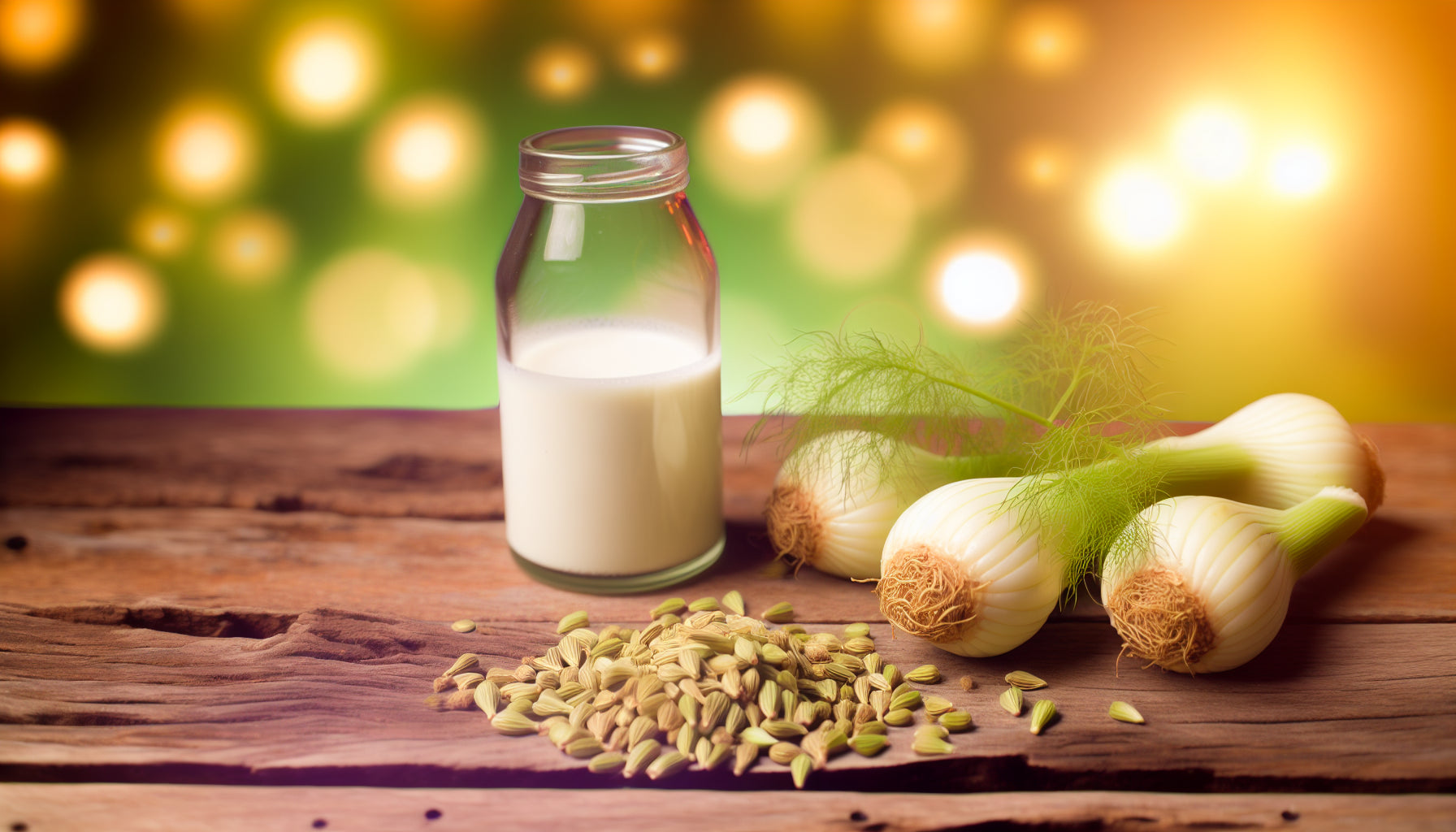
🤖 Das Beitragsbild dieses Artikels wurde mit DALL·E 3 (OpenAI) mithilfe von Künstlicher Intelligenz generiert (gemäß EU AI Act Art. 50 gekennzeichnet).


Hinterlasse einen Kommentar
Diese Website ist durch hCaptcha geschützt und es gelten die allgemeinen Geschäftsbedingungen und Datenschutzbestimmungen von hCaptcha.