





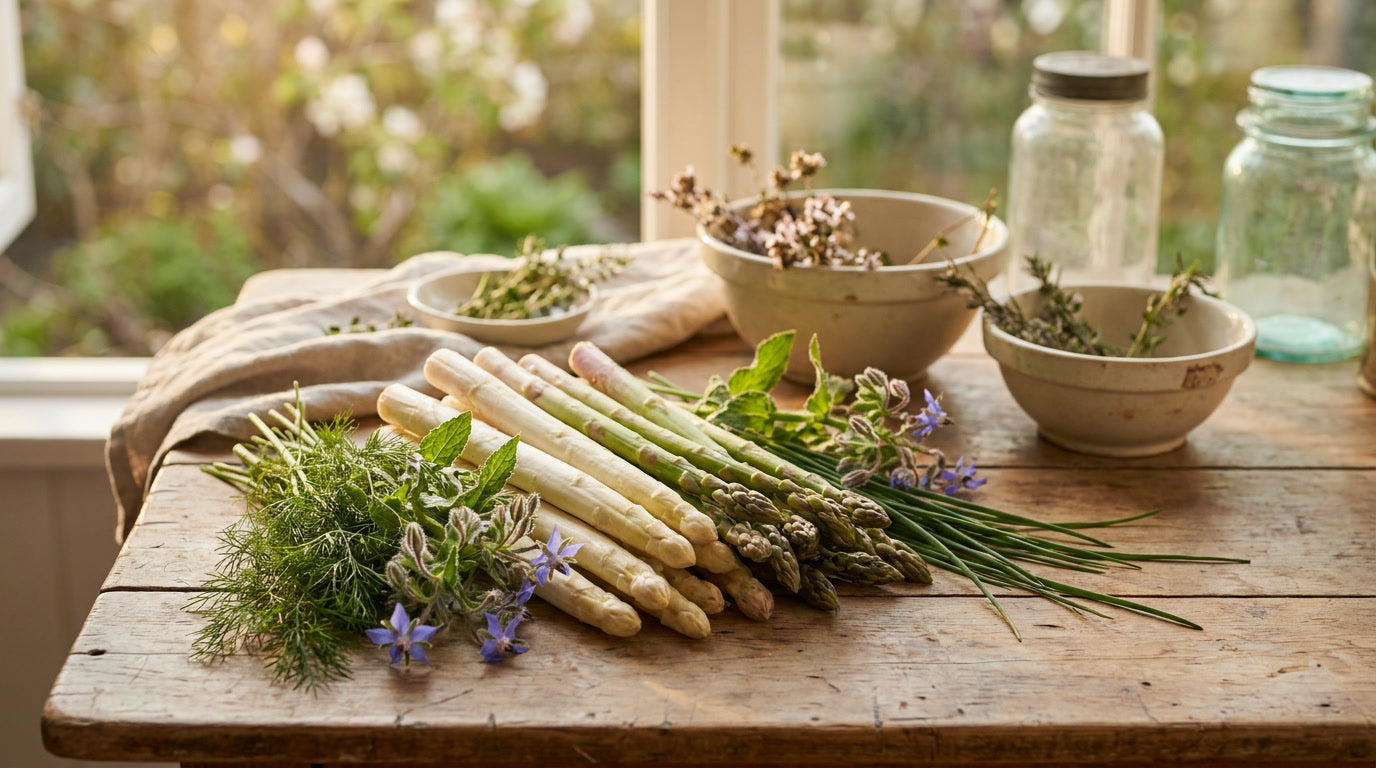
It has adorned the edges of our plates for millennia – yet is often carelessly pushed aside: parsley. However, this simple kitchen herb contains a wealth of ingredients that have been valued in European herbal tradition for centuries. Parsley holds a firm place in naturopathy, especially in connection with the body's water and mineral balance. This article sheds light on what lies behind the green herb, how it was traditionally used, and how you can meaningfully integrate it into your daily life – all in the spirit of a holistic, plant-based lifestyle. Hildegard von Bingen products
An Herb with a Long History: Parsley in Medicine and Monastic Cuisine
Parsley (Petroselinum crispum) has been known in Central Europe since antiquity. The ancient Greeks and Romans used it not only as a seasoning herb but also in ritual contexts and as part of their medical texts. In the Middle Ages, parsley finally found its way into monastery gardens, where it was cultivated and passed down as an indispensable medicinal herb. Monasteries were the guardians of botanical knowledge at that time – and hardly any plant was as ubiquitous as the modest, winter-hardy parsley.
Hildegard von Bingen, the most important naturopath of the Middle Ages, mentioned numerous herbs and their traditional uses in her writings. Although parsley was not always the focus of her work, the herbal knowledge of her time was permeated by the belief that simple garden plants are often the strongest allies of humans. Monastic medicine, to which Hildegard’s thinking contributed significantly, understood the body as a whole – and relied on herbs that could support the natural state of balance. Hildegard von Bingen products
“In medieval monastic medicine, parsley was considered one of the most useful garden herbs – both as a seasoning in the monastery kitchen and as a staple of the herbal home pharmacy.” – From historical records of the Benedictine tradition
What makes this long tradition so remarkable is that parsley was consistently passed down over centuries as an herb that can support the body in its natural balance – especially in the area of excretion and fluid balance. This accumulated experiential knowledge, handed down from generation to generation, is the core of traditional botanical wisdom and today forms the basis of many naturopathic concepts.
What’s Inside? An Overview of Parsley’s Ingredients
The secret of parsley lies in its remarkably dense nutrient composition. At first glance, the kitchen herb appears inconspicuous – but on closer inspection, it reveals itself as a little powerhouse. Fresh parsley contains more vitamin C per 100 grams than an orange and simultaneously provides considerable amounts of vitamin K, vitamin A, and various B vitamins. Additionally, minerals such as potassium, calcium, magnesium, and iron are present in significant concentrations.
What underlies the traditional effect?
The traditional use of parsley as a diuretic herb in naturopathy is mainly linked to its high potassium content. Potassium is an essential mineral that plays a central role in the body’s fluid balance. Furthermore, parsley contains:
• Apiin and apigenin – secondary plant compounds from the flavonoid group, which have played a role in herbal tradition for centuries.
• Essential oils – especially apiole and myristicin, which give the herb its characteristic scent and historically contributed to its medicinal significance.
• Chlorophyll – the green plant pigment traditionally regarded in naturopathy as beneficial for the body.
• Vitamin C – as a natural antioxidant that can contribute to the normal function of the immune system.
From a naturopathic perspective, the interplay of these ingredients is particularly interesting. Folk medicine has never considered isolated active substances alone but always the plant as a whole – a principle increasingly recognized in modern phytotherapy. Parsley is traditionally used fresh, as an infusion (tea from leaves or roots), and in concentrated form as an extract. BitterKraft Original
Parsley contains more vitamin C per 100 grams than an orange – and significantly more potassium than many classic “diuretic plants” of folk medicine. This makes it one of the most interesting everyday herbs in European naturopathy.
The root of parsley, known in naturopathy as parsley root, is traditionally considered particularly rich in active ingredients. It was traditionally dried separately and prepared as a tea infusion. Parsley seeds are also mentioned in historical herbal literature – however, due to their high apiol content, they should only be used under expert supervision. For everyday use, fresh leaves or gently dried forms are recommended.
Parsley as a Traditional Diuretic Herb: What Naturopathy Passes Down
In European folk medicine and classical naturopathy, parsley has been traditionally used for centuries to mobilize excess water from tissues and support natural excretion through the kidneys. This tradition stretches from ancient Greek medical texts through medieval monastic medicine to early modern herbal books of the 16th and 17th centuries. Authors like Leonhart Fuchs and Hieronymus Bock described parsley in their herbal books as a plant traditionally used for water retention in tissues.
In traditional European herbal medicine, parsley is considered one of the best-known “diuretic” herbs – that is, an herb historically associated with supporting kidney function and natural water excretion.
The concept of diuresis is embedded in a larger holistic naturopathic picture: it is not just about “getting rid of” water but maintaining the body in a dynamic balance. From a naturopathic point of view, supporting kidney function can also indirectly help relieve connective tissue and improve overall well-being. Parsley is appreciated in this context as a gentle, friendly companion – not as an aggressive intervention but as a plant-based addition in the spirit of a healthy lifestyle. Fasting products
“Parsley – the stone carpet – was praised for driving heavy water from the limbs and increasing the water of the kidneys.” – From the herbal book of Hieronymus Bock (Tragus), 16th century
Today, this traditional knowledge is experiencing a renaissance: more and more people are seeking plant-based ways to naturally support their bodies – especially during phases when heaviness in the tissues, feelings of tension, or general sluggishness impair well-being. Parsley offers a low-threshold, everyday-friendly option that can be seamlessly integrated into a healthy diet. Gut and digestion products
Using Parsley Correctly: Tips from Herbal Cuisine and Naturopathy
The simplest and most accessible form of parsley use is as a fresh kitchen herb – ideally daily and in generous amounts. Instead of a small decorative sprig on the plate, naturopathy recommends understanding parsley as a full component of the meal: a heaping tablespoon of fresh, finely chopped parsley daily is already considered a meaningful addition in herbal tradition. It goes well with salads, soups, dressings, smoothies, and all kinds of vegetable dishes.
These forms of parsley are traditionally used:
- Fresh parsley leaves: The most nutrient-rich form – used daily as a kitchen herb, providing vitamin C, potassium, and secondary plant compounds in a lively combination.
- Parsley leaf tea: Traditionally prepared as an infusion from dried leaves – one to two teaspoons per cup, steeped for ten minutes. Historically one of the most popular home remedies in herbal cuisine.
- Parsley root tea: Considered particularly rich in tradition – the dried root is boiled and enjoyed as a strong decoction. Especially widespread in Eastern European naturopathic traditions.
- Parsley extract (capsule/tincture): Concentrated forms allow standardized supplementation and are especially practical for people who do not want to use the herb fresh daily.
- Parsley seeds: Due to their high essential oil content, they should only be used under expert guidance – not suitable for uncontrolled everyday use.
When drying, parsley loses some of its volatile essential oils but retains most of its minerals and flavonoids. For tea infusions, gently dried parsley (air-dried, not above 40 degrees Celsius) is therefore preferred. Fresh parsley also freezes excellently – a simple way to have the kitchen herb available year-round without sacrificing freshness. all BitterKraft products
Daily integration of parsley into the diet is one of the easiest and at the same time most effective ways to translate the proven knowledge of European herbal tradition into modern everyday life – effortlessly and with genuine culinary enjoyment.
A classic naturopathic recipe is the so-called parsley tea cure: over several weeks, one to two cups of parsley leaf tea are drunk daily – alongside a water-rich, vegetable-focused diet. This form of plant-based support is traditionally recommended especially in spring and autumn, when the body is believed to undergo a natural cleansing phase. Combined with other traditional herbs like nettle, birch leaves, or goldenrod, it forms a classic diuretic herbal blend deeply rooted in European naturopathy.
Parsley and Women’s Health: A Special Chapter in Herbal Tradition
In the history of herbal medicine, parsley also plays a special role in traditional women’s health. In folk medicine, the herb was historically associated with the female cycle and considered an herb traditionally used by women in certain life phases. This aspect is important to mention – not least because it also points to precautions that still apply today. Products for women’s health
Pregnant women should avoid parsley in medicinally relevant amounts – that is, as extract, concentrated tea, or in seed form. As a kitchen herb in usual quantities, it is considered safe. This distinction between culinary use and medicinal application is a fundamental principle of naturopathy: the dose and form of use decisively determine effect and tolerability. Those who want to use parsley as diuretic support in concentrated form should ideally do so under the guidance of an experienced naturopath.
Modern phytotherapeutic reviews confirm the historical classification of parsley as a traditionally used diuretic and attest to its interesting ingredient profile – especially due to the flavonoids apiin and apigenin as well as the high potassium content, which is considered relevant in the context of mineral balance.
It is also interesting that parsley is regarded in Hildegard medicine – the holistic healing system based on the teachings of Hildegard von Bingen – as an herb that contributes to inner order. The concept of “Viriditas,” the healing green power of plants, is reflected even in simple herbs like parsley: they are expressions of living nature that can serve humans if they are open to receiving their knowledge. Hildegard von Bingen products
Parsley in Everyday Life: Simple Ways to Harness Plant Power
Perhaps the most beautiful aspect of parsley is its absolute suitability for everyday use. It is affordable, easily available, uncomplicated to use, and can be effortlessly integrated into existing eating habits. At the same time, it stands as a symbol of an attitude long anchored in naturopathy: health is strengthened not primarily by omission but by consciously adding valuable plant substances. Immune system products
Those who want to consistently integrate parsley into their daily routine will find various complementary approaches in modern naturopathy. A plant-based diet rich in fresh vegetables, herbs, and bitter substances forms the ideal foundation. Parsley can be understood here as a fixed component – not as a short-term measure but as a permanent companion in a conscious diet. For those who want to expand their herbal kitchen, growing parsley on the balcony or in the garden is also recommended: fresh parsley from your own cultivation is a special joy and always available. BitterKraft Original
In combination with other naturopathic measures – such as drinking enough water (at least 1.5–2 liters daily), moderate exercise, and periodic fasting – parsley as a plant-based supplement can help support overall well-being. This interplay of lifestyle and plant power is the core of holistic naturopathy, as described by Hildegard von Bingen and monastic medicine – and as more people than ever are discovering today. Fasting products
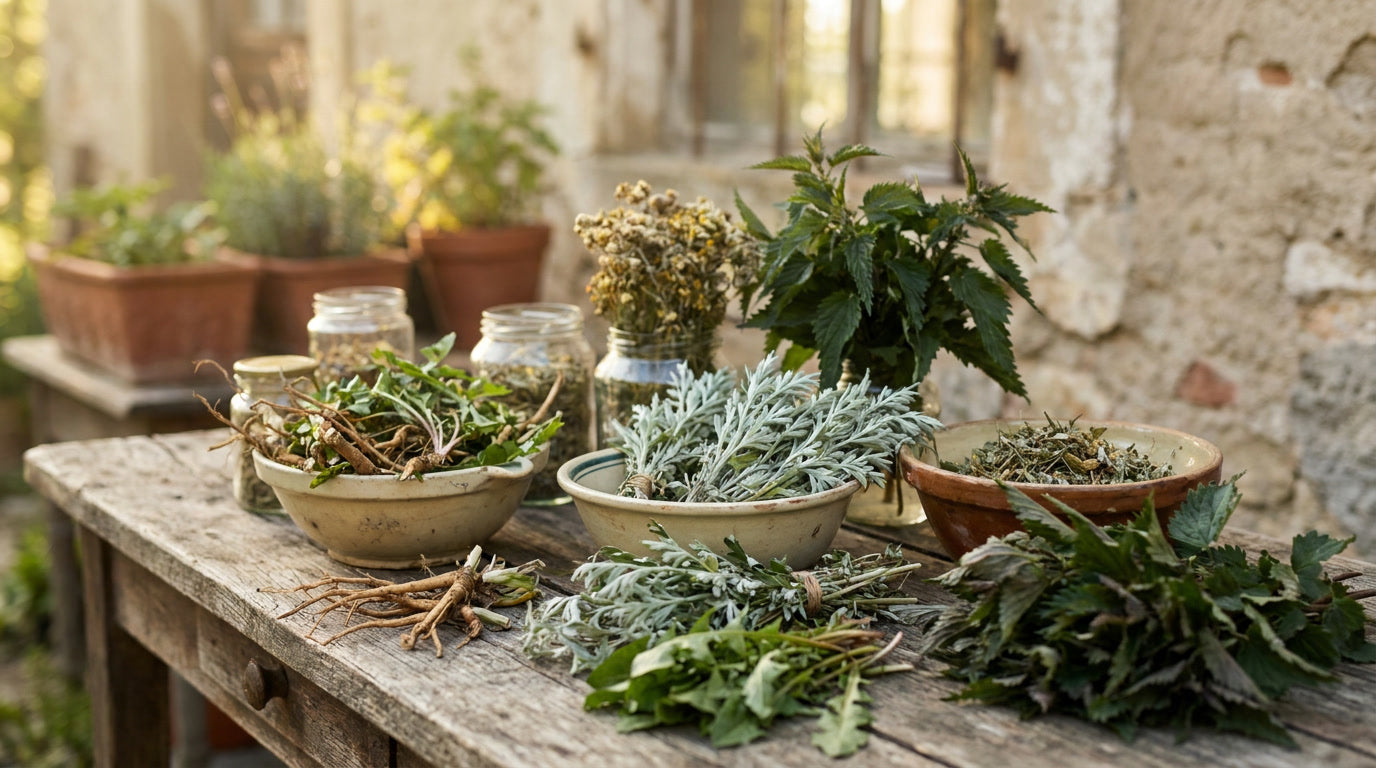
Other Traditional Herbs to Support Fluid Balance:
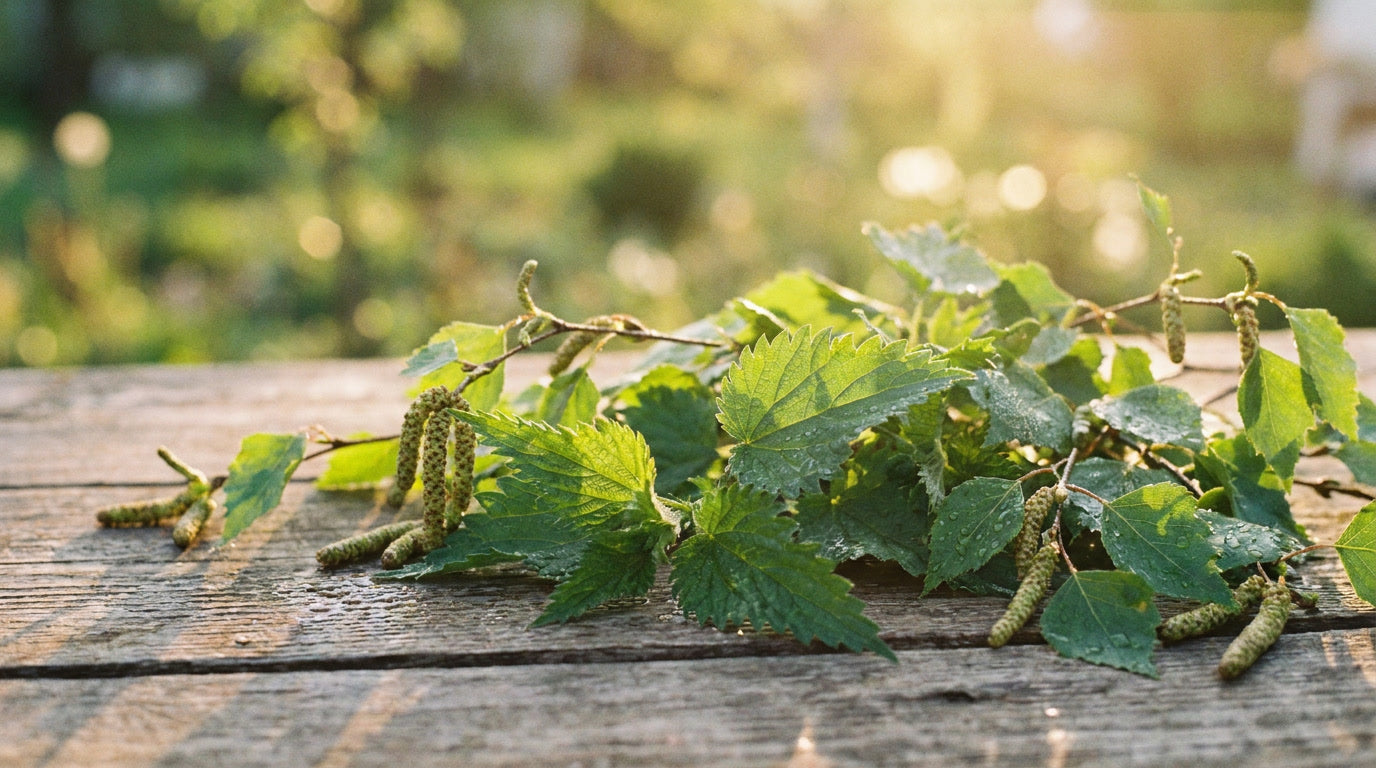
- Nettle: One of the best-known traditional herbs of European naturopathy – used for centuries as a “spring cure” and rich in minerals like potassium and silicon.
- Birch leaves: Widely used in folk medicine, especially in Northern and Eastern Europe – traditionally enjoyed as a mild tea infusion that was part of spring and autumn routines.
- Goldenrod: (Solidago virgaurea) A classic herbal remedy traditionally associated in European phytotherapy with kidney and bladder well-being.
- Horsetail: Also called scouring rush – traditionally mineral-rich and valued in folk medicine as a diuretic spring herb with a long history.
- Dandelion: Leaves and root were traditionally passed down as gentle diuretic herbs – and are today part of many classic herbal tea blends.
The good news: many of these traditional herbs can be wonderfully combined – and parsley always fits well in such blends. As a fresh herb in a summer herb salad, as tea alongside a dandelion-nettle infusion, or as a concentrated extract in a naturopathic supplement routine: parsley remains a reliable, versatile companion. Those who want to use the centuries-old plant knowledge for themselves will find in it a very simple entry point – and often a lasting enthusiasm for the power of nature. all BitterKraft products


Leave a comment
This site is protected by hCaptcha and the hCaptcha Privacy Policy and Terms of Service apply.