

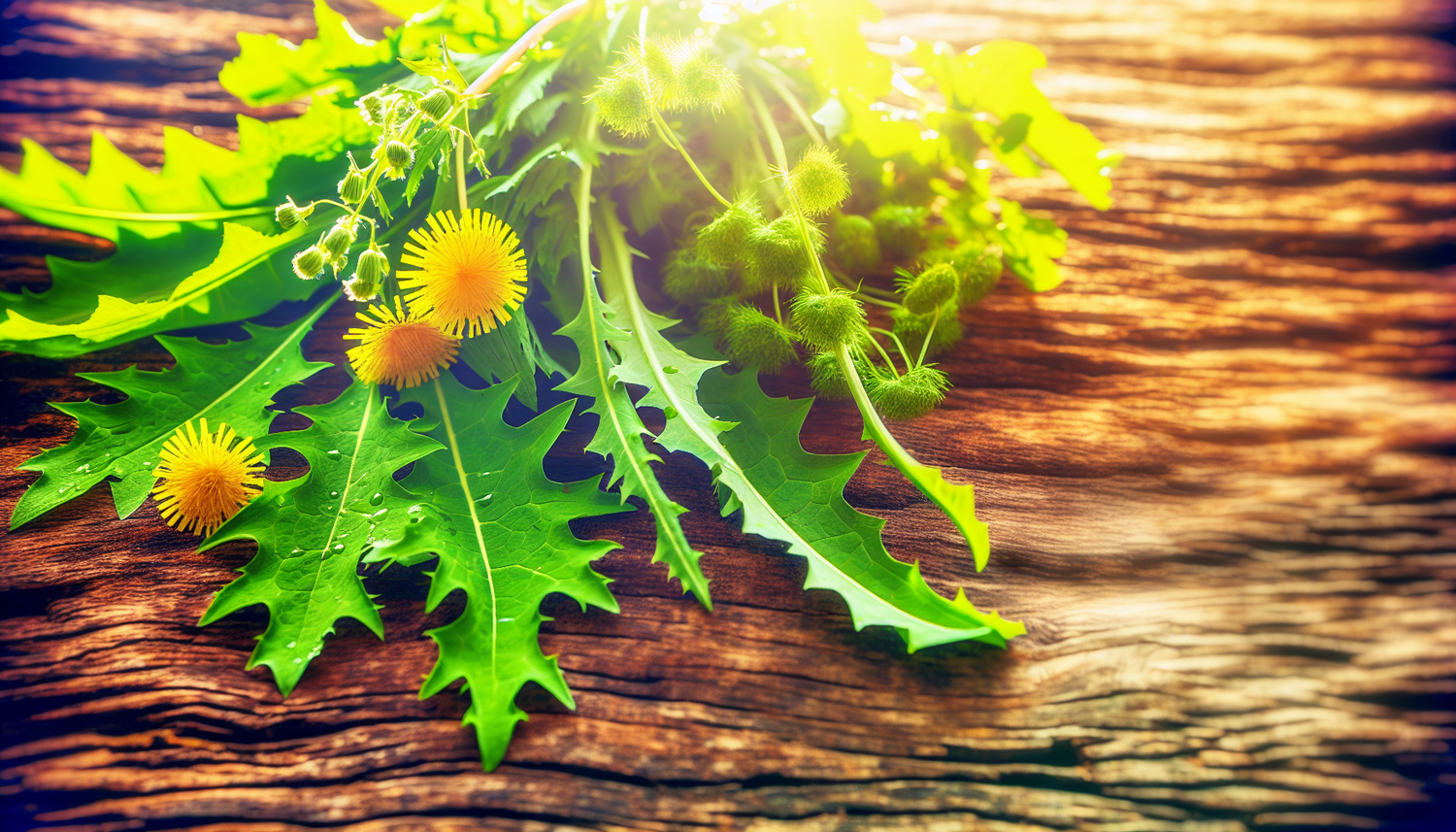
Bitterpflanzen und ihre Tradition als Antioxidantien
In unserer modernen Welt sind wir täglich einer Vielzahl von Umweltbelastungen ausgesetzt – von Luftverschmutzung über UV-Strahlung bis hin zu Stress und unausgewogener Ernährung. All diese Faktoren können unser körperliches Wohlbefinden beeinträchtigen und zu einem Ungleichgewicht in unserem Organismus führen. Bereits die große Äbtissin Hildegard von Bingen erkannte vor über 900 Jahren die besondere Kraft der Bitterpflanzen und nutzte sie gezielt für das Wohlbefinden ihrer Patienten. Heute wissen wir, warum diese bitteren Schätze der Natur traditionell so geschätzt werden.
Wie entstehen Belastungen für unseren Körper?
In unserem Körper entstehen täglich instabile Moleküle, die als freie Radikale bezeichnet werden. Diese besitzen ein oder mehrere ungepaarte Elektronen und sind dadurch hochreaktiv. Sie entstehen als natürliche Nebenprodukte des Stoffwechsels, können aber auch durch äußere Einflüsse wie Rauchen, übermäßige Sonneneinstrahlung, Umweltgifte oder chronischen Stress vermehrt gebildet werden.
Diese reaktiven Moleküle suchen ständig nach Elektronen, um sich zu stabilisieren, und können dabei verschiedene Zellstrukturen beeinflussen. Der Körper verfügt zwar über eigene Schutzmechanismen, doch bei anhaltender Belastung kann das natürliche Gleichgewicht gestört werden.
Besonders energiereiche Organe wie die Leber-Produkte, die täglich wichtige Stoffwechselaufgaben erfüllt, oder der Darm- & Verdauungsprodukte, der als größtes Immunorgan des Körpers fungiert, sind von diesen natürlichen Prozessen betroffen.
Die Weisheit Hildegards: Bittere Medizin für den Körper
Hildegard von Bingen, die bedeutende Universalgelehrte des 12. Jahrhunderts, erkannte intuitiv, was in der traditionellen Pflanzenkunde seit Jahrhunderten überliefert wird: Bitterpflanzen besitzen außergewöhnliche Eigenschaften und werden traditionell zur Unterstützung des körperlichen Wohlbefindens geschätzt. In ihren Schriften beschrieb sie detailliert, wie verschiedene BitterKraft! Original schmeckende Kräuter und Pflanzen traditionell zur Stärkung der Lebenskraft verwendet wurden.
Nach Hildegard von Bingen Produktes Lehre sind es gerade die bitteren Substanzen, die traditionell geschätzt werden, um dem Körper zu helfen, sein natürliches Gleichgewicht zu finden. Sie betrachtete die Bitterkeit nicht als unangenehmen Geschmack, sondern als Zeichen für die besondere Kraft einer Pflanze. Ihre Klostermedizin basierte auf der Erkenntnis, dass die Natur alles bereithält, was der Mensch für sein Wohlbefinden benötigt – man muss nur wissen, wie man diese Geschenke richtig nutzt.
Zu den von Hildegard besonders geschätzten Bitterpflanzen gehörten unter anderem Wermut, Enzian, Tausendgüldenkraut und Löwenzahn. Diese Pflanzen wurden nicht nur wegen ihrer besonderen Eigenschaften für die Verdauung verwendet, sondern auch, weil man ihre traditionell bekannte Wirkung auf das allgemeine Wohlbefinden erkannt hatte. Die traditionelle Anwendung erfolgte meist als Tee, Tinktur oder in Form von Kräutermischungen.
Antioxidative Eigenschaften: Wie Bitterstoffe traditionell geschätzt werden
Die moderne Phytochemie hat entschlüsselt, warum Bitterpflanzen traditionell so geschätzt werden. Viele der bitter schmeckenden Verbindungen – wie Flavonoide, Phenolsäuren und spezielle Glykoside – sind für ihre antioxidativen Eigenschaften bekannt. Diese sekundären Pflanzenstoffe werden seit Jahrhunderten in der traditionellen Pflanzenkunde verwendet.
Besonders beeindruckend ist die Vielfalt der Inhaltsstoffe in Bitterpflanzen: Sie enthalten verschiedene natürliche Verbindungen, die in der Volksheilkunde traditionell geschätzt werden. Diese Vielfalt macht Bitterpflanzen zu wertvollen Begleitern für das tägliche Wohlbefinden.
Ein weiterer faszinierender Aspekt ist das traditionelle Verständnis, dass geringe Mengen von Bitterstoffen das allgemeine Wohlbefinden unterstützen können. Ähnlich wie ein moderates Training den Körper stärkt, werden die natürlichen Inhaltsstoffe in Bitterpflanzen traditionell zur Unterstützung der körperlichen Vitalität geschätzt.
Praktische Anwendung: Bitterpflanzen in den Alltag integrieren
Die Integration von Bitterpflanzen in den täglichen Speiseplan muss nicht kompliziert sein. Ein einfacher Anfang ist die Verwendung von Bittersalaten wie Radicchio, Endivie oder Rucola, die nicht nur kulinarisch bereichernd sind, sondern auch traditionell für ihr Wohlbefinden geschätzt werden. Kräutertees aus Löwenzahn, Mariendistel oder Artischockenblättern können das morgendliche Ritual bereichern und sind seit Jahrhunderten beliebte Getränke.
Für eine intensivere Anwendung bieten sich traditionelle Bitterkräuter-Mischungen an, die nach den Prinzipien der Hildegard von Bingen Produkteschen Klostermedizin zusammengestellt werden. Diese können als Tee zubereitet oder in Form von Tinkturen eingenommen werden. Besonders bewährt hat sich die Einnahme etwa 15-20 Minuten vor den Mahlzeiten, um die natürliche Geschmackswahrnehmung zu bereichern.
Auch beim Fasten-Produkte spielen Bitterpflanzen eine wichtige Rolle, da sie traditionell während Fastenperioden geschätzt werden und das allgemeine Wohlbefinden begleiten können. Viele Menschen berichten, dass sie sich während und nach Fastenperioden mit Bitterkräuter-Begleitung energiegeladener und ausgeglichener fühlen. Die traditionell geschätzten Eigenschaften können dabei das Wohlbefinden während dieser besonderen Zeit unterstützen.
Wichtig ist dabei die Qualität der verwendeten Pflanzen: Wildsammlung oder kontrolliert biologischer Anbau garantieren den höchsten Gehalt an wertvollen Inhaltsstoffen. Die schonende Verarbeitung und richtige Lagerung sind ebenfalls entscheidend, um die wertvollen natürlichen Verbindungen zu erhalten.



Hinterlasse einen Kommentar
Diese Website ist durch hCaptcha geschützt und es gelten die allgemeinen Geschäftsbedingungen und Datenschutzbestimmungen von hCaptcha.