

Die OMAD-Methode (One Meal a Day) erfreut sich wachsender Beliebtheit als moderne Form des intermittierenden Fastens. Dabei wird täglich nur eine einzige Mahlzeit innerhalb eines kurzen Zeitfensters eingenommen. Diese intensive Form des Fastens kann durch die traditionelle Kraft der Bitterstoffe sinnvoll begleitet werden. Bereits die heilige Hildegard von Bingen erkannte die wertvollen Eigenschaften von Bitterkräutern und nutzte sie traditionell zur Begleitung der körperlichen Balance während längerer Fastenperioden.
📋 Inhaltsverzeichnis
Was ist OMAD und wie funktioniert diese Fastenmethode?
Wichtiger Hinweis: OMAD steht für "One Meal a Day" und beschreibt eine intensive Form des intermittierenden Fastens. Bei gesundheitlichen Beschwerden oder besonderen Umständen sollten Sie vor Beginn einer solchen Fastenmethode unbedingt Ihren Arzt oder eine qualifizierte Ernährungsberatung konsultieren. Dieser Artikel dient ausschließlich der Information über traditionelle Verwendungen von Bitterstoffen.
Bei OMAD wird täglich nur eine Mahlzeit innerhalb eines ein- bis zweistündigen Zeitfensters eingenommen. Die restlichen 22 bis 23 Stunden des Tages wird gefastet. Diese Methode stellt eine Intensivierung des beliebten 16:8-Intervallfastens dar und wird von manchen Menschen als persönliche Ernährungsform praktiziert.
Während der langen Fastenperiode durchläuft der Körper verschiedene metabolische Prozesse. Nach etwa 12 Stunden ohne Nahrungsaufnahme beginnt der Organismus, verstärkt auf seine Fettreserven zurückzugreifen. Diese Phase wird als Ketose bezeichnet. Die erfolgreiche Umsetzung von OMAD erfordert eine sorgfältige Planung der einen täglichen Mahlzeit, die alle wichtigen Nährstoffe enthalten sollte.
Die traditionelle Rolle der Bitterstoffe beim Fasten
BitterKraft Original sind seit Jahrhunderten fester Bestandteil der traditionellen Heilkunde und spielten bereits in den Klostermedizin-Traditionen eine zentrale Rolle. Die heilige Hildegard von Bingen schätzte bittere Kräuter wie Wermut, Enzian und Tausendgüldenkraut besonders während längerer Fasten-Produkte. Bitterstoffe werden traditionell zur Begleitung der Verdauung verwendet und sind seit Jahrhunderten für ihre wertvollen Eigenschaften bekannt.
In der Hildegard von Bingen Produkte werden Bitterstoffe traditionell als "Magenstärker" bezeichnet. Sie werden seit Generationen vor Mahlzeiten verwendet, besonders wenn die gesamte Tagesration an Nährstoffen in einer einzigen Mahlzeit aufgenommen wird.
Bitterrezeptoren sind nicht nur auf der Zunge, sondern im gesamten Verdauungstrakt zu finden. Die Aktivierung dieser Rezeptoren durch natürliche Bitterstoffe ist seit langem bekannt. Bitterstoffe werden traditionell während Fastenzeiten geschätzt und sind ein bewährter Bestandteil der traditionellen Kräuterkunde.
Natürliche Bitterstoff-Begleitung während der OMAD-Praxis
Die Integration von Bitterstoffen in die OMAD-Routine kann auf verschiedene Weise erfolgen. Besonders bewährt hat sich die Einnahme von Bittertropfen etwa 15-20 Minuten vor der einen täglichen Mahlzeit. Bittertropfen werden traditionell vor Mahlzeiten verwendet. Traditionelle Bitterkräuter wie Enzian, Wermut oder Angelikawurzel werden seit Generationen für diese Zwecke geschätzt.
Während der langen Fastenperiode können milde Bittertees eine wohltuende Begleitung darstellen. Ein Tee aus Löwenzahnblättern, Schafgarbe oder Tausendgüldenkraut kann nicht nur zur Flüssigkeitszufuhr beitragen, sondern ist auch traditionell bekannt in der Kräuterkunde. Hildegard von Bingen empfahl solche Kräuterzubereitungen besonders während längerer Fastenzeiten als natürliche Begleitung.
Ein weiterer traditioneller Ansatz ist die Verwendung von Bitterstoffen am Ende der Fastenperiode, etwa eine Stunde nach der Mahlzeit. Dies entspricht der traditionellen Anwendung zur Abrundung der Mahlzeiten. Viele Menschen schätzen die regelmäßige Verwendung von Bitterstoffen und nehmen dadurch ihre tägliche Mahlzeit bewusster und genussvoller ein.
Praktische Tipps für die Kombination von OMAD und Bitterstoffen
Für alle, die OMAD praktizieren möchten, empfiehlt sich ein schrittweiser Einstieg mit traditioneller Begleitung durch milde Bitterstoffe. Beginnen Sie mit einem sanften Bitterstoff-Präparat und beobachten Sie, wie Ihr Körper darauf reagiert. Bewährt haben sich Mischungen aus traditionellen Kräutern wie sie bereits in der Hildegard-Medizin verwendet wurden. Die Dosierung sollte individuell angepasst und langsam gesteigert werden.
Achten Sie darauf, dass Ihre eine tägliche Mahlzeit besonders nährstoffreich und ausgewogen ist. Eine Vielfalt an Ballaststoffen, hochwertigen Proteinen und gesunden Fetten ist wichtig. Besonders grüne Blattgemüse, die natürlicherweise Bitterstoffe enthalten, werden seit Jahrhunderten geschätzt und sollten regelmäßiger Bestandteil einer bewussten Ernährung sein.
Die Qualität der verwendeten Bitterstoff-Präparate spielt eine entscheidende Rolle. Achten Sie auf Produkte aus kontrolliert biologischem Anbau und traditioneller Herstellung. Alkoholische Auszüge bewahren die wertvollen Inhaltsstoffe der Kräuter optimal und entsprechen den klassischen Rezepturen der Klostermedizin. Lagern Sie Ihre Bitterstoff-Präparate kühl und dunkel, um ihre Wirksamkeit zu erhalten, und beachten Sie stets die empfohlenen Dosierungsangaben des Herstellers.
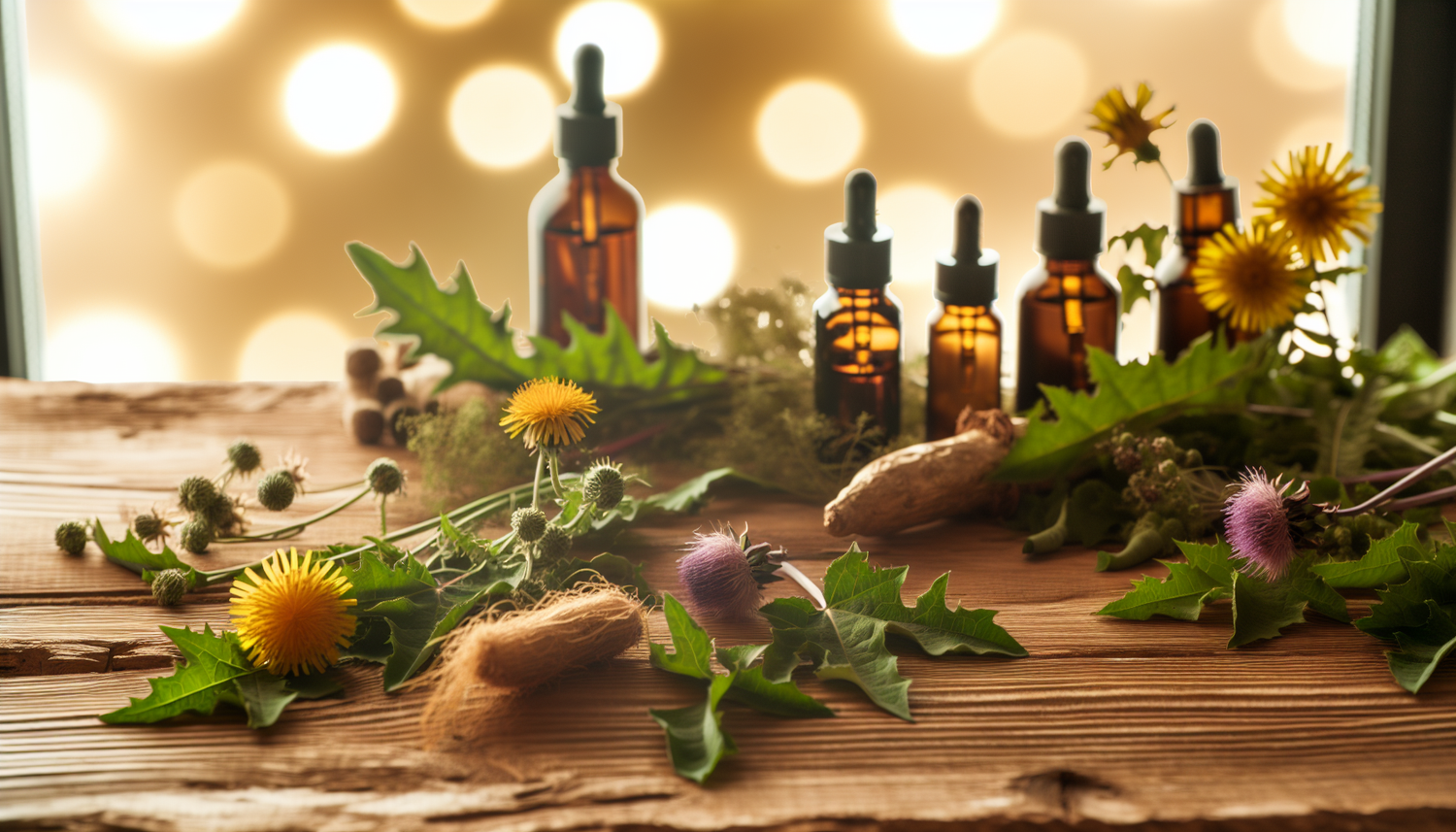
🤖 Das Beitragsbild dieses Artikels wurde mit DALL·E 3 (OpenAI) mithilfe von Künstlicher Intelligenz generiert (gemäß EU AI Act Art. 50 gekennzeichnet).


Hinterlasse einen Kommentar
Diese Website ist durch hCaptcha geschützt und es gelten die allgemeinen Geschäftsbedingungen und Datenschutzbestimmungen von hCaptcha.