





Our gut well-being can be influenced by the diversity of microorganisms that inhabit our digestive tract. Wild bitter substances play a special role here, as they have traditionally been used to stimulate digestion and can positively affect the delicate balance of our gut flora. Even Hildegard of Bingen recognized the importance of bitter wild herbs for human health and used them purposefully in her healing practices. Today, modern research confirms what natural medicine has known for centuries: bitter substances are true treasures for our gut and digestion products and can naturally promote microbiome diversity.
📋 Table of Contents
Chicory – Blue Beauty with Powerful Bitter Substances
Chicory (Cichorium intybus) is one of the most valuable wild herbs in our latitudes and has been appreciated since antiquity for its digestive-promoting properties. Its characteristic blue flowers are not only a feast for the eyes along the roadside but also indicate the bitter substances contained throughout the plant. Especially the chicory root is rich in inulin, a prebiotic fiber that serves as food for beneficial gut bacteria.
Hildegard of Bingen described chicory as a "warm" herb traditionally used to support digestion. The sesquiterpene lactones contained in chicory are responsible for its characteristically bitter taste and can stimulate the production of digestive juices. This natural stimulation of stomach acid and bile production creates optimal conditions for a healthy gut flora.
From a modern perspective, chicory provides important nutrients for our microbiome. The inulin it contains is fermented by bifidobacteria and lactobacilli, producing short-chain fatty acids that nourish the intestinal mucosa and have traditionally been valued for well-being. Those who want to integrate BitterKraft Original as a traditional dietary supplement into their daily routine will find in chicory a gentle yet effective companion.
Burdock Root – Powerhouse from the Depths of the Earth
Great burdock (Arctium lappa) is an impressive example of how wild plants store their healing power in their roots. The taproot, which can be up to 60 centimeters long, contains a wealth of bitter substances, mucilages, and prebiotic compounds. In traditional natural medicine, burdock root has been valued and used for centuries to promote well-being.
Hildegard of Bingen knew the cleansing power of burdock root and used it purposefully when the body needed support in eliminating metabolic waste products. The bitter substances it contains, especially arctiopicrin, can support the Bitterkraft liver products as traditional dietary supplements in their natural function. A healthy liver is essential for a balanced gut environment, as it plays a key role in bile production.
Burdock root is particularly valuable for our microbiome because it contains inulin and other prebiotic fibers. These are metabolized by beneficial gut bacteria into short-chain fatty acids, which have traditionally been appreciated for gut well-being. Regular intake of burdock root preparations can thus contribute to the diversity of the gut flora and promote overall well-being.
Dandelion and Yarrow – The Wild Digestive Helpers
Dandelion (Taraxacum officinale) rightly earns its name "Queen of the Meadow." Its bitter substances, especially the taraxacin group, make it one of the most potent wild herbs for digestive support. Early in spring, it provides fresh bitter substances that are especially valuable for our body after the long winter months. The entire plant—from root to flower—can traditionally be used.
Yarrow (Achillea millefolium) perfectly complements the spectrum of wild bitter substances. Its fine, feathery leaves contain essential oils and bitter substances that were especially valued in the Hildegard of Bingen products as traditional dietary supplements. Hildegard of Bingen recommended yarrow as a warming herb traditionally used for digestive well-being. The azulenes and sesquiterpene lactones it contains can have antispasmodic effects and harmonize digestion.
Both plants contribute in different ways to microbiome diversity. While dandelion particularly supports liver and bile function and thus indirectly optimizes digestion, yarrow can promote a balanced gut environment through its calming properties. The combination of various bitter substances from different plant families offers our microbiome a broad spectrum of nutrients and can sustainably promote bacterial diversity.
Integrating Wild Bitter Substances into Everyday Life
The practical use of wild bitter substances requires knowledge and respect for nature. Those who gather themselves should be well versed in plant identification and only harvest from uncontaminated locations. Alternatively, high-quality preparations from controlled cultivation offer a safe way to benefit from the advantages of wild bitter substances. Especially tinctures and gently dried herbs preserve the valuable ingredients optimally.
The right dosage and application are crucial for success. Bitter substances exert their effect already through the taste receptors in the mouth, so they should not simply be swallowed but consciously tasted. A bitter tea before meals is traditionally used, or a few drops of bitter tincture can optimally prepare the digestive organs for food intake, creating ideal conditions for a healthy microbiome.
For sustainable support of the microbiome, consistency is more important than high dosages. Regular, moderate intake of various bitter substances over a longer period can gently and sustainably positively influence the gut flora. Individual constitution should also be considered—what works well for one person may differ for another. Observing one’s own body reactions and, if necessary, adjusting the selection of bitter substances leads to the optimal result for personal immune system products as traditional dietary supplements and well-being.
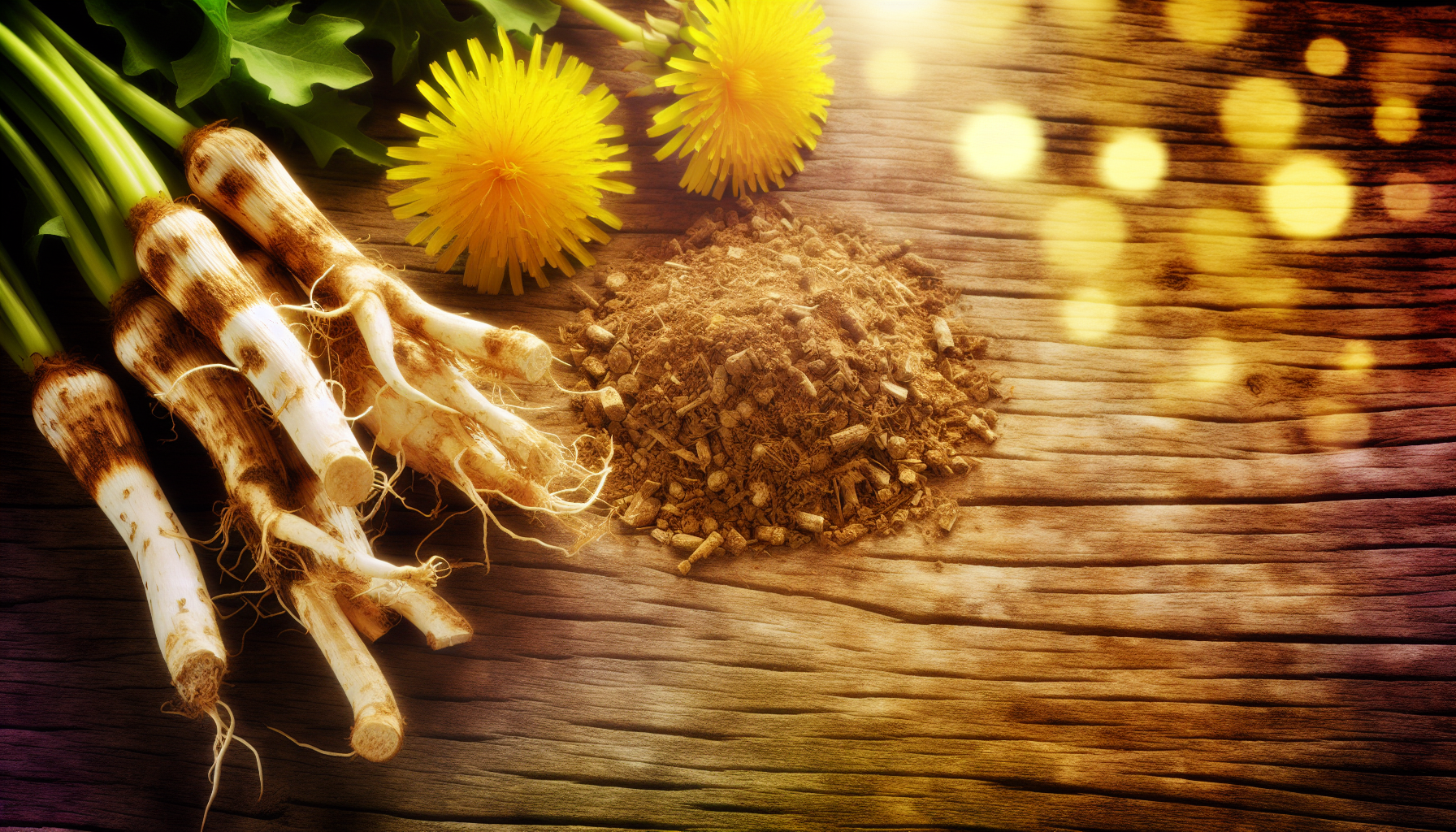
🤖 The featured image of this article was generated with Leonardo.ai using Artificial Intelligence (marked according to EU AI Act Art. 50).


Leave a comment
This site is protected by hCaptcha and the hCaptcha Privacy Policy and Terms of Service apply.