

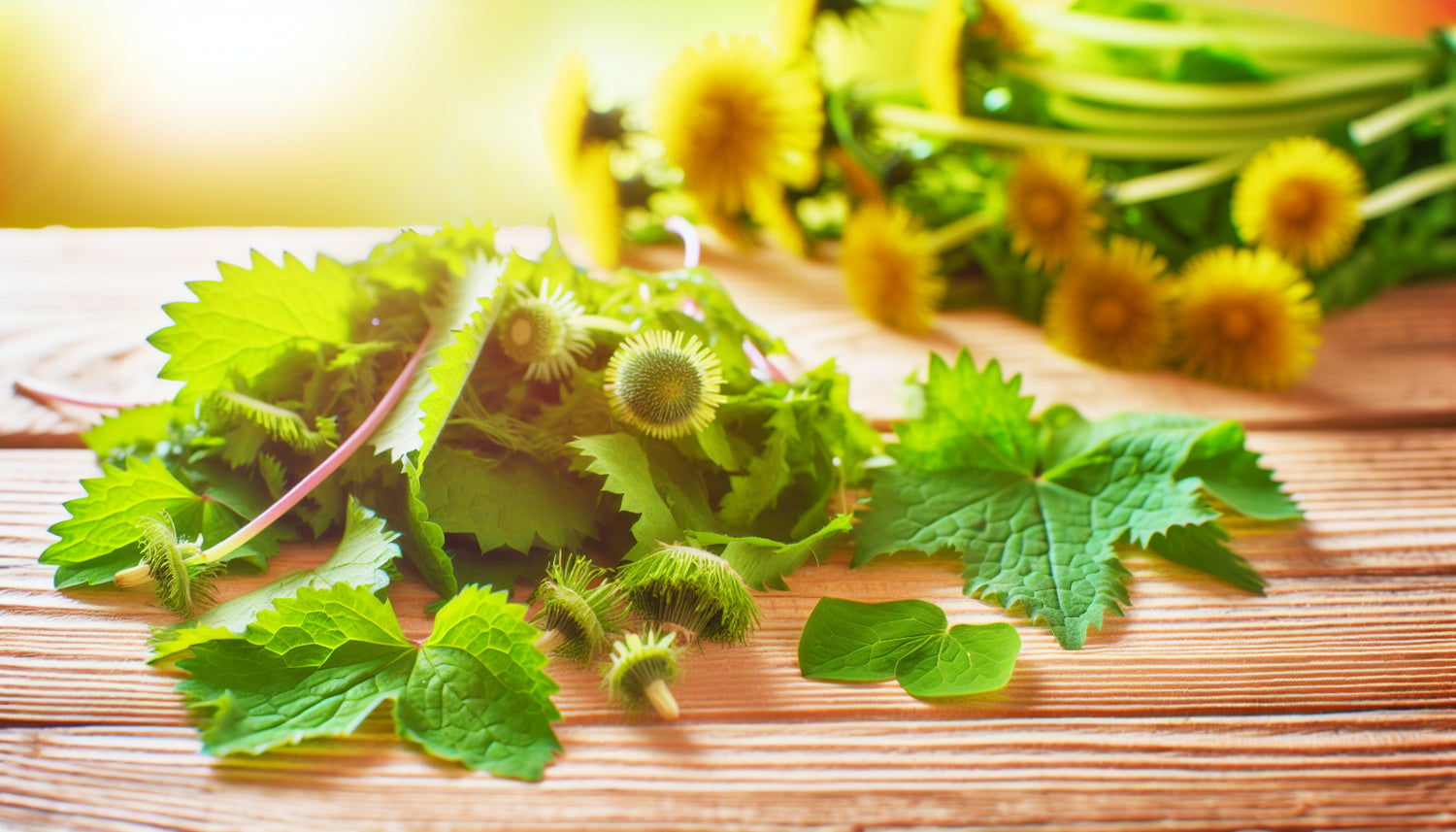
Der Frühling ist traditionell die Zeit des Erwachens und der Erneuerung - nicht nur für die Natur, sondern auch für unser Wohlbefinden. Nach den langen Wintermonaten sehnt sich unser Organismus nach einer sanften Unterstützung. Die Klostermedizin und das überlieferte Wissen der Hildegard von Bingen Produkte bieten hier wertvolle Ansätze: BitterKraft Original werden seit Jahrhunderten in der traditionellen Kräuterkunde geschätzt und zur Frühjahrszeit verwendet.
📋 Inhaltsverzeichnis
Das Lymphsystem in der traditionellen Kräuterkunde
Das Lymphsystem durchzieht unseren gesamten Körper wie ein feines Netzwerk und ist wesentlich für die Gesunderhaltung unseres Organismus. Es transportiert nicht nur wichtige Immunzellen, sondern sammelt auch Stoffwechselabfälle und überschüssige Flüssigkeiten aus dem Gewebe. Anders als das Herz-Kreislauf-System besitzt das Lymphsystem jedoch keine zentrale Pumpe - es ist auf Bewegung, Atmung und die natürlichen Kontraktionen der Lymphgefäße angewiesen.
In den Wintermonaten kann diese natürliche Zirkulation träger werden. Weniger Bewegung, schwere Kost und der Mangel an frischen, vitalisierenden Nährstoffen können dazu beitragen, dass sich das Gewebe schwerer und träger anfühlt. Traditionell wird dieser Zustand als "Verschlackung" bezeichnet - ein Begriff aus der Volksmedizin, der das subjektive Empfinden von Schwere und Trägheit im Frühjahr beschreibt.
Besonders in der traditionellen Kräuterkunde wird den Lymphknoten in Hals, Achseln und Leistengegend besondere Aufmerksamkeit geschenkt. Wenn sich das Gewebe schwer anfühlt oder ein Gefühl von Müdigkeit besteht, setzte die traditionelle Kräuterkunde seit jeher auf sanfte, natürliche Methoden zur Frühjahrsunterstützung.
Winterliche Belastungen: Warum unser Körper im Frühjahr Unterstützung braucht
Die kalte Jahreszeit stellt unseren Organismus vor besondere Herausforderungen. Nicht nur die äußeren Bedingungen - wenig Licht, kühle Temperaturen und oft trockene Heizungsluft - beeinflussen unser Wohlbefinden. Auch unsere Lebensgewohnheiten verändern sich: Wir bewegen uns weniger, verbringen mehr Zeit in geschlossenen Räumen und greifen häufiger zu wärmenden, oft schwereren Speisen.
Diese natürlichen Anpassungen an die Jahreszeit haben durchaus ihre Berechtigung - sie halfen unseren Vorfahren, gut durch die kargen Monate zu kommen. In unserer heutigen Zeit der ganzjährigen Verfügbarkeit von Nahrungsmitteln können sie jedoch zu einem Gefühl der Schwere führen. Die Leber-Produkte von Bitterkraft werden traditionell zur Unterstützung des Wohlbefindens verwendet, wenn in den Wintermonaten reichhaltigere Kost verzehrt wurde. Gleichzeitig fehlen oft die frischen, BitterKraft Original, die traditionell zur Frühjahrszeit geschätzt werden.
Hildegard von Bingen erkannte bereits im 12. Jahrhundert die Bedeutung der Jahreszeiten für unsere Gesundheit. Sie empfahl, dem natürlichen Rhythmus zu folgen, aber auch rechtzeitig Maßnahmen zu ergreifen, um das Wohlbefinden zu unterstützen. Ihre Lehren betonen die Wichtigkeit, den Organismus sanft und natürlich beim Übergang von der einen zur anderen Jahreszeit zu begleiten.
Bitterkräuter als natürliche Helfer: Tradition trifft auf moderne Erkenntnisse
Bitterkräuter nehmen in der traditionellen Heilkunde einen besonderen Platz ein. Ihr charakteristischer Geschmack ist kein Zufall - er wird traditionell als wichtiges Signal für den Körper betrachtet. Bereits auf der Zunge werden Bitterstoffe wahrgenommen und sind seit Jahrhunderten für ihre kulinarischen Eigenschaften bekannt: Sie können das Wohlbefinden unterstützen und werden traditionell zur Bereitung verdauungsunterstützender Tees und Tinkturen verwendet.
In der traditionellen Kräuterkunde wird angenommen, dass Bitterrezeptoren nicht nur im Mundraum vorkommen. Diese jahrhundertealte Erfahrung wird heute durch moderne Erkenntnisse gestützt, die zeigen, dass solche Rezeptoren tatsächlich auch in anderen Bereichen des Körpers zu finden sind. In der traditionellen Lymphunterstützung werden bestimmte Bitterkräuter seit jeher geschätzt und zur Frühjahrszeit verwendet.
Hildegard von Bingen nutzte diese traditionellen Erkenntnisse bereits vor fast 900 Jahren. Sie empfahl verschiedene Bitterkräuter nicht nur zur kulinarischen Verwendung, sondern auch zur allgemeinen Unterstützung des Wohlbefindens. Besonders im Frühjahr, wenn der Körper erwacht und sich erneuern möchte, können diese traditionellen Helfer wertvolle Begleiter sein. Die Klostermedizin betrachtet dabei immer den ganzen Menschen - Körper, Geist und Seele sollen gleichermaßen unterstützt werden.
Praktische Frühjahrsunterstützung: Sanfte Wege mit traditionellen Bitterkräutern
Eine sanfte Frühjahrsunterstützung mit Bitterkräutern sollte behutsam angegangen werden. Der Körper benötigt Zeit, um sich an die veränderten Impulse zu gewöhnen. Traditionell beginnt man mit kleinen Mengen und steigert diese langsam. Besonders bewährt hat sich die Einnahme von Bitterkräutern vor den Mahlzeiten, da sie so optimal für das Wohlbefinden sorgen können.
Neben der innerlichen Anwendung spielen auch äußere Faktoren eine wichtige Rolle für das Frühjahrs-Wohlbefinden. Bewegung ist essentiell - schon ein täglicher Spaziergang kann das allgemeine Befinden deutlich verbessern. Auch Wechselduschen, sanfte Massagen mit natürlichen Ölen oder Trockenbürsten können das Wohlbefinden steigern. Diese Methoden lassen sich wunderbar mit einer traditionellen Bitterkräuter-Kur kombinieren.
Wichtig ist dabei immer die richtige Balance. Eine Fasten-Produkte unterstützende Maßnahme oder traditionelle Frühjahrskur sollte niemals zu einem Stressfaktor werden. Vielmehr geht es darum, den Körper liebevoll bei seinem natürlichen Wohlbefinden zu begleiten. Ausreichend Schlaf, Stressreduktion und eine achtsame Ernährung sind dabei ebenso wichtig wie die Unterstützung durch traditionelle Heilpflanzen. So kann der Übergang vom Winter zum Frühjahr zu einer Zeit der Erneuerung und des Wohlbefindens werden.
🤖 Das Beitragsbild dieses Artikels wurde mit DALL·E 3 (OpenAI) mithilfe von Künstlicher Intelligenz generiert (gemäß EU AI Act Art. 50 gekennzeichnet).



Hinterlasse einen Kommentar
Diese Website ist durch hCaptcha geschützt und es gelten die allgemeinen Geschäftsbedingungen und Datenschutzbestimmungen von hCaptcha.