

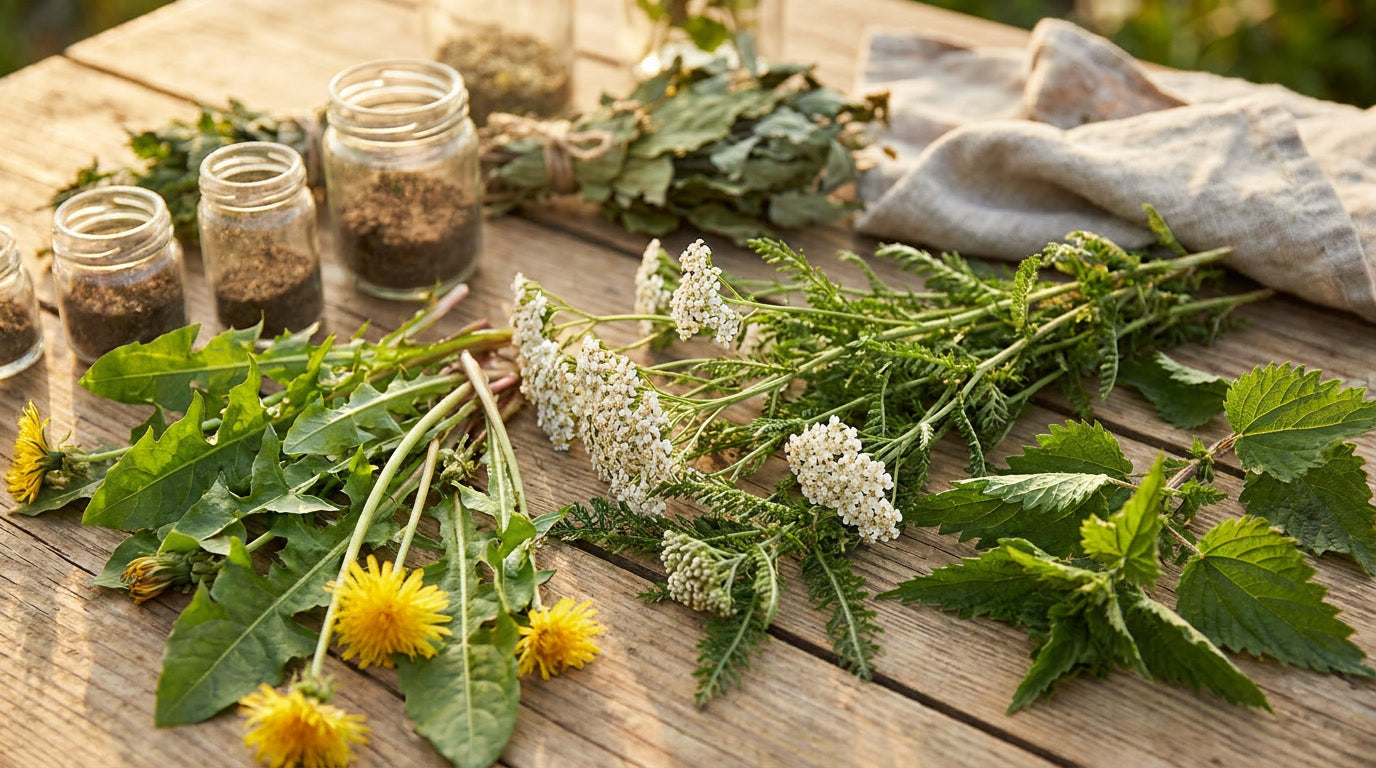
Das Lymphsystem ist eines der faszinierendsten und gleichzeitig am häufigsten unterschätzten Systeme unseres Körpers. Still und leise arbeitet es im Hintergrund, transportiert Zellflüssigkeit, begleitet die Immunabwehr und sorgt für das innere Gleichgewicht des Gewebes – und doch gerät es schnell aus dem Blick, wenn wir über unsere Gesundheit nachdenken. Dabei wussten schon die Kräuterkundigen der Klöster: Was von innen wirkt, trägt am nachhaltigsten zur Vitalität bei. Bitterstoffe und ausgewählte Heilpflanzen wurden seit Jahrhunderten traditionell verwendet, um das allgemeine Wohlbefinden zu unterstützen – und das Lymphsystem spielte dabei, ob bewusst oder unbewusst, stets eine Rolle. Dieser Artikel nimmt dich mit auf eine Reise durch das alte Wissen der Naturheilkunde und zeigt, wie du mit Kräutern und Bitterstoffen deinem Körper von innen etwas Gutes tun kannst.
Das Lymphsystem: Der stille Fluss des Lebens
Stell dir einen ausgedehnten Fluss vor, der sich durch deinen gesamten Körper zieht – durch jedes Organ, jeden Muskel, jedes Stück Gewebe. Dieser Fluss hat keinen eigenen Motor, keine Pumpe wie das Herz. Er bewegt sich durch Muskelkontraktion, Atemrhythmus und die natürlichen Bewegungen des Alltags. Das ist das Lymphsystem: ein stilles Netz aus feinen Gefäßen, Lymphknoten und Organen wie Milz und Thymus, das gemeinsam das innere Milieu unseres Körpers reguliert. Fachleute sprechen von rund 800 Lymphknoten allein im menschlichen Körper – kleine Knotenpunkte, an denen Immunzellen bereitstehen und Lymphflüssigkeit gefiltert wird.
Das Besondere an der Lymphflüssigkeit – auch Lymphe genannt – ist ihre Zusammensetzung: Sie entsteht aus der Gewebeflüssigkeit, die das Blut an die Zellen abgibt. Nährstoffe, Abfallstoffe, Immunzellen und Fette aus dem Darm – all das findet seinen Weg durch das Lymphsystem, bevor es zurück in den Blutkreislauf gelangt. Gerät dieser Fluss ins Stocken, kann das Gewebe anschwellen, das Immunsystem unter Druck geraten und das allgemeine Wohlbefinden beeinträchtigt werden. In der traditionellen Naturheilkunde wurde ein „träges Lymphsystem" häufig mit Schwere, Antriebslosigkeit und einem diffusen Gefühl des Unwohlseins in Verbindung gebracht.
Hildegard von Bingen, die bedeutende Klostermedizinerin des 12. Jahrhunderts, beschrieb in ihren Schriften ein Konzept, das wir heute als das innere Gleichgewicht der Körpersäfte kennen: die Humoralpathologie. Obwohl sie das Lymphsystem nicht in unserem heutigen biologischen Sinne kannte, erkannte sie intuitiv, dass bestimmte Kräuter und bittere Substanzen dazu beitragen, das „Fließen im Körper" zu unterstützen. Ihre Empfehlungen für Pflanzen wie Bertram, Enzian und Wermut lesen sich rückblickend wie ein Lehrplan der Lymphpflege – auch wenn die damalige Terminologie eine andere war. Hildegard von Bingen Produkte
Das Lymphsystem besitzt keine eigene Pumpe – seine Bewegung hängt von Atmung, Muskeln und dem inneren Milieu ab. Kräuter und Bitterstoffe können traditionell dabei helfen, dieses innere Gleichgewicht zu pflegen.
Bitterstoffe als Wegbereiter: Warum bitter und Lymphe zusammengehören
Bitterstoffe haben in der modernen Ernährung einen schweren Stand. Seit Jahrzehnten wurde Bitteres aus Lebensmitteln herausgezüchtet, industriell verarbeitet und durch Süßes ersetzt. Was dabei verloren gegangen ist, erkannte die traditionelle Naturheilkunde schon früh: Bittere Pflanzeninhaltsstoffe wurden als besonders wertvoll angesehen – nicht trotz, sondern wegen ihres intensiven Geschmacks. In der Klostermedizin galten Bitterstoffe als Schlüssel zur inneren Reinigung und zum Ausgleich. Hildegard von Bingen schrieb dem Wermut eine besondere Stellung zu: „Er erwärmt und reinigt, und ist gut für die, denen das Innere schwer und träge ist."
In der europäischen Klostermedizin des Mittelalters galten bittere Kräuter wie Wermut, Enzian und Schafgarbe als zentrale Mittel zur Unterstützung des inneren Gleichgewichts. Hildegard von Bingen widmete ihnen in „Physica" und „Causae et Curae" ausführliche Kapitel – ein Hinweis auf ihre hohe Bedeutung im damaligen Heilwissen.
Was macht Bitterstoffe nun so interessant für das Lymphsystem? Der Zusammenhang erschließt sich über einen Umweg: Ein wesentlicher Teil der Lymphe im Körper stammt aus dem Darm- und Leberbereich. Die sogenannten Chylusgefäße, ein Teil des Lymphsystems im Verdauungstrakt, transportieren unter anderem Fette und fettlösliche Vitamine aus dem Darm in den Blutkreislauf. Wenn Verdauung, Leber und Darm gut im Fluss sind, wirkt sich das mittelbar auf die gesamte Lymphbewegung aus. Bitterstoffe wurden traditionell verwendet, um genau diesen Bereich des inneren Wohlbefindens zu pflegen – und finden deshalb in der Naturheilkunde seit Jahrhunderten Anwendung. BitterKraft Original
Es ist kein Zufall, dass viele der klassischen „Bitterpflanzen" aus der Volksmedizin gleichzeitig als lymphunterstützend galten. Löwenzahn, Artischocke, Enzian und Wermut – sie alle teilen das charakteristische Bitterprofil und wurden in historischen Kräuterbüchern immer wieder im Zusammenhang mit Entlastung, innerer Reinigung und Vitalität erwähnt. Wer heute auf hochwertige BitterKraft Original Bitterstoffpräparate zurückgreift, knüpft bewusst an dieses überlieferte Wissen an. Dabei gilt: Nicht die isolierte Einzelsubstanz, sondern das Zusammenspiel der pflanzlichen Bitterstoffe im Ganzen macht den traditionellen Wert dieser Kräuter aus.
Bitterstoffe gehören zu den ältesten bekannten Pflanzenstoffen der europäischen Naturheilkunde. Ihre traditionelle Anwendung zur Pflege des inneren Gleichgewichts ist über Jahrhunderte dokumentiert – und erlebt heute eine verdiente Renaissance.
Diese Heilpflanzen wurden traditionell für den Lymphfluss geschätzt
Die Natur hat uns ein reiches Arsenal an Pflanzen geschenkt, die im Laufe der Jahrhunderte in der Volksmedizin und Klostermedizin für das innere Wohlbefinden und die Unterstützung des lymphatischen Systems geschätzt wurden. Dabei ist jede Pflanze ein eigenes Universum aus Wirkstoffen, Geschichten und Überlieferungen. Was sie eint, ist ihre Zugehörigkeit zur Tradition des pflanzlichen Heilwissens – und die Tatsache, dass sie alle auf ihre eigene Art als „Pflanzen des Flusses" beschrieben wurden: Sie sollten das Stockende in Bewegung bringen, das Schwere leichter machen und das innere Milieu in Balance halten.
Diese Heilpflanzen wurden traditionell für Lymphfluss und inneres Wohlbefinden geschätzt:
- Löwenzahn (Taraxacum officinale): In der europäischen Volksmedizin seit Jahrhunderten bekannt als „Reinigungspflanze des Frühlings". Sowohl Blätter als auch Wurzel wurden traditionell verwendet und gelten in der Klostermedizin als klassisches Bitterkraut für das allgemeine Wohlbefinden.
- Klette (Arctium lappa): Die Klettenwurzel wurde historisch in vielen Kulturen als lymphunterstützende Pflanze eingesetzt. In der traditionellen europäischen Pflanzenheilkunde galt sie als Mittel zur Unterstützung des inneren Gleichgewichts und der Gewebegesundheit.
- Rotklee (Trifolium pratense): Seit Generationen in der Volksmedizin verwendet, wurde Rotklee traditionell mit der Unterstützung des Lymphsystems und der inneren Reinigung in Verbindung gebracht – besonders in der angelsächsischen Kräutertradition.
- Schafgarbe (Achillea millefolium): Hildegard von Bingen erwähnte die Schafgarbe als wertvolles Bitterkraut. Historisch wurde sie als vielseitige Heilpflanze für das innere Gleichgewicht und die Pflege des Wohlbefindens eingesetzt.
- Wermut (Artemisia absinthium): Eine der bedeutendsten Bitterpflanzen der Klostermedizin. Hildegard widmete dem Wermut besondere Aufmerksamkeit und beschrieb ihn als „Pflanze gegen innere Trägheit" – traditionell geschätzt für seine intensive Bitterwirkung.
- Gänsefingerkraut (Potentilla anserina): In der mitteleuropäischen Volksmedizin traditionell für Wohlbefinden und inneres Gleichgewicht eingesetzt, gilt es als sanfte Begleitpflanze für den Lymphbereich.
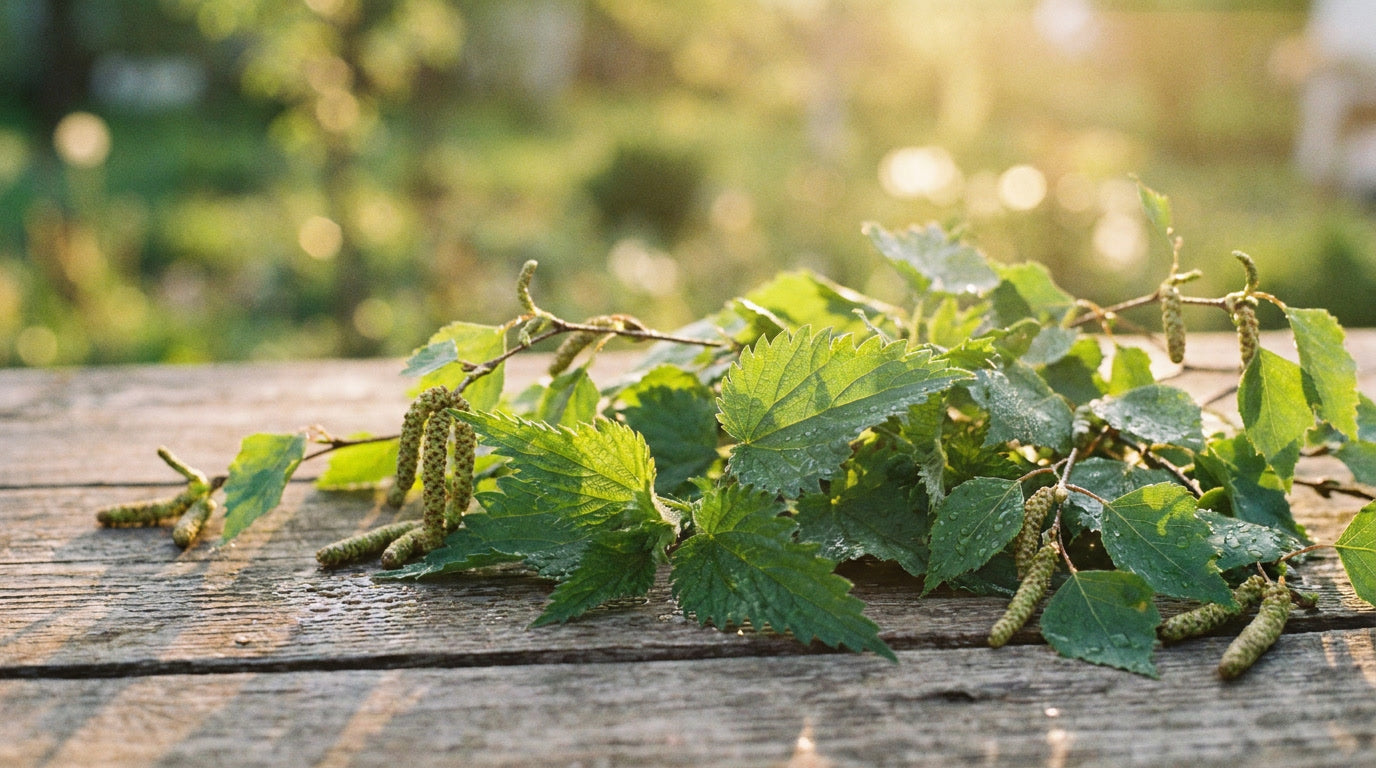
- Brennnessel (Urtica dioica): Als reichhaltige Mineralstofflieferantin und klassisches Frühjahrskraut wird die Brennnessel seit Jahrhunderten traditionell zur inneren Reinigung und zur Unterstützung des allgemeinen Wohlbefindens genutzt. Immunsystem-Produkte
Besonders bemerkenswert ist die Rolle des Löwenzahns: Er gilt nicht nur in der europäischen Volksmedizin, sondern auch in der traditionellen chinesischen Medizin als Pflanze, die mit dem Lymphsystem in Verbindung steht. In der TCM wird er der „Leber-Galle-Achse" zugeordnet – einem Bereich, der auch anatomisch eng mit dem lymphatischen System des Bauches verbunden ist. Dass verschiedene Heiltraditionen weltweit zu ähnlichen Einschätzungen kamen, spricht für die tiefe Verwurzelung dieses Wissens im menschlichen Erfahrungsschatz. Leber-Produkte von Bitterkraft
Was steckt hinter Bitterpflanzen für das Lymphsystem?
Viele der genannten Pflanzen enthalten sogenannte Sesquiterpenlactone – das sind die typischen Bitterverbindungen in Pflanzen wie Löwenzahn, Wermut und Schafgarbe. Daneben finden sich Gerbstoffe, ätherische Öle und Flavonoide. In der traditionellen Naturheilkunde wurde genau diese Komplexität des Wirkstoffprofils als Vorteil gesehen: Nicht ein einzelner Stoff, sondern das Zusammenspiel der pflanzlichen Bestandteile macht das Wesen dieser Kräuter aus – eine Philosophie, die in der modernen Phytotherapie als „synergistischer Pflanzeneffekt" bezeichnet wird.
Hildegards Kräuterwissen und seine Bedeutung für die innere Reinigung
Hildegard von Bingen (1098–1179) war weit mehr als eine Nonne und Mystikerin. Als Ärztin, Naturforscherin und Autorin medizinischer Schriften hinterließ sie ein Werk, das bis heute in der Naturheilkunde rezipiert wird. Ihre beiden Hauptwerke „Physica" und „Causae et Curae" beschreiben Hunderte von Heilpflanzen, Mineralien und Nahrungsmitteln in ihrer Wirkung auf das menschliche Wohlbefinden. Dabei dachte Hildegard ganzheitlich: Körper, Seele und Geist galten ihr als untrennbare Einheit, und das Ziel jeder Behandlung war die Wiederherstellung der inneren Ordnung – der „Viriditas", der grünen Lebenskraft.
„Der Bertram ist sehr warm und hat wenig Feuchtigkeit in sich, und er ist gut für den Menschen, der von der Gicht geplagt wird, und der schwerfällig im Fleisch ist – er reinigt das Blut von seiner Schwere." – Hildegard von Bingen, Physica (um 1150–1160), Kapitel über Heilkräuter
In Hildegards Verständnis der Körpersäfte – Blut, Schleim, gelbe und schwarze Galle – lassen sich heute interessante Parallelen zum modernen Verständnis des Lymphsystems ziehen. Das „Schleimige", das sie als träge und belastend beschrieb, und das durch Bitterkräuter „in Fluss gebracht" werden sollte, entspricht konzeptuell dem stockenden Lymphfluss, den wir heute kennen. Kräuter wie Bertram, Galant, Enzian und Wermut waren für Hildegard Instrumente, um die innere Dynamik wiederherzustellen – und wurden von ihr auch für Beschwerden empfohlen, die wir heute mit einem trägen Lymphsystem in Verbindung bringen würden: Schwere in den Gliedern, geschwollenes Gewebe, allgemeine Mattigkeit. Hildegard von Bingen Produkte
Das Faszinierende an Hildegards Kräuterwissen ist seine Praktikabilität. Sie empfahl keine abstrakten Konzepte, sondern konkrete Zubereitungen: Kräutertees, Weine, Pulver und Umschläge. Viele dieser Rezepturen basieren auf dem Bitterstoffgehalt der verwendeten Pflanzen – was rückblickend zeigt, dass Hildegard intuitiv ein Wirkprinzip erkannte, das erst die moderne Phytochemie in Worte fassen konnte. Wer sich heute für die Hildegard-Medizin interessiert, findet in ihr nicht nur historische Fußnoten, sondern lebendiges, anwendbares Wissen – eine Brücke zwischen Vergangenheit und Gegenwart in der Naturheilkunde.
Hildegard von Bingens Kräuterwissen enthält – aus heutiger Perspektive betrachtet – bemerkenswert präzise Beobachtungen zur Bedeutung bitterer Pflanzenstoffe für das innere Gleichgewicht. Ihr ganzheitlicher Ansatz ist heute aktueller denn je.
Alltagsroutinen: Lymphpflege von innen mit Kräutern und Bitterstoffen
Das Schöne an der traditionellen Kräutermedizin ist ihre Alltagstauglichkeit. Man braucht kein Labor, keine Spezialkenntnisse und keine teure Ausstattung, um dem Körper etwas Gutes zu tun. Eine Tasse Kräutertee am Morgen, ein paar Tropfen Bittertinktur vor dem Essen, eine Kräuterwandertour im Frühling – das sind Rituale, die Generationen von Menschen in Europa als selbstverständlichen Teil ihres Lebens pflegten. In unserer schnellen, verarbeiteten Welt sind diese Gewohnheiten vielfach verloren gegangen. Doch sie lassen sich leicht wiederentdecken – und der Körper dankt es auf seine ganz eigene, stille Weise.
Eine bewährte Praxis aus der Naturheilkunde ist die tägliche Einnahme von Bitterstoffpräparaten – sei es als Tropfen, Tablette oder in Form von Kräutertee. Wichtig dabei ist die Regelmäßigkeit: Die traditionelle Anwendung basierte nie auf dem Prinzip „viel hilft viel", sondern auf dem geduldigen, kontinuierlichen Hinzufügen von Kräuterwirkung in den Alltag. Besonders in den Übergangsjahreszeiten – Frühjahr und Herbst – empfahlen Klostermediziner seit alters her eine intensivere Zuwendung zu Bitterkräutern. Diese Fasten- und Reinigungszeiten haben eine lange kulturelle Tradition und finden sich in vielen Heiltraditionen weltweit wieder. Fasten-Produkte
Für eine bewusste Lymphpflege von innen empfiehlt die Naturheilkunde folgende Prinzipien aus dem überlieferten Kräuterwissen: Beginne den Tag mit einem Glas warmem Wasser und einem Schuss Bitterkräutertinktur. Trinke über den Tag verteilt Kräutertees aus Löwenzahn, Brennnessel oder Schafgarbe. Integriere bittere Lebensmittel wie Chicorée, Radicchio und Grapefruit in die Ernährung. Bewege dich regelmäßig, denn das Lymphsystem liebt Bewegung – kombiniert mit Bitterkräutern bildet körperliche Aktivität das perfekte Duo für das innere Gleichgewicht. Und nicht zuletzt: Gönn dir Auszeiten, denn Stress und Anspannung gelten seit jeher als Feinde des freien Flusses im Körper. Schlaf- und Entspannungsprodukte
Kräutertee-Rezept aus der Klostermedizin für das innere Wohlbefinden:
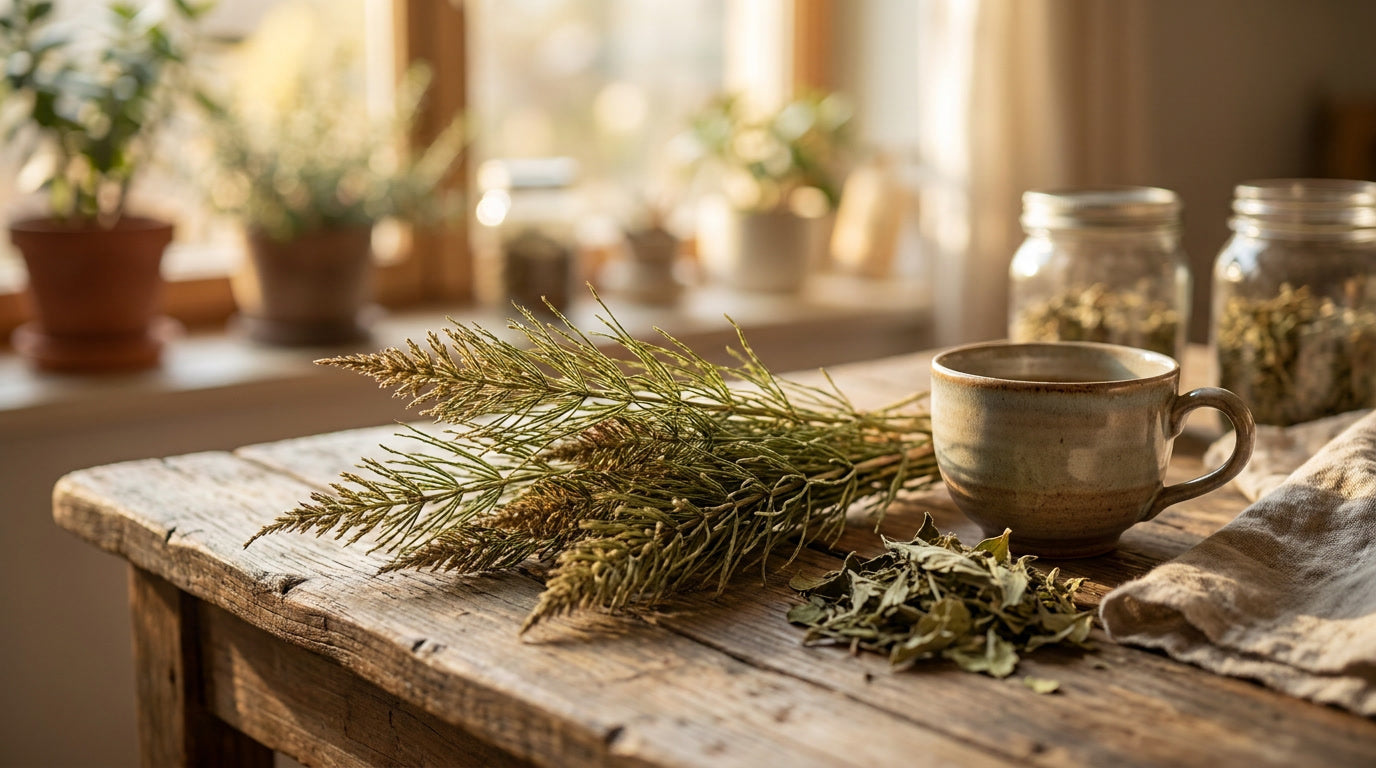
Mische zu gleichen Teilen getrocknete Löwenzahnwurzel, Brennnesselblätter und Schafgarbe. Übergieße einen gehäuften Teelöffel dieser Mischung mit 250 ml kochendem Wasser und lasse den Tee 10 Minuten ziehen. Trinke ihn unsüßt, um den vollen Bitterstoffgehalt zu erhalten. Dieser Tee wurde in ähnlicher Form bereits in mittelalterlichen Klostergärten zubereitet und gilt als klassisches Frühjahrs- und Herbstritual der europäischen Kräutertradition.
Ein weiterer Aspekt, der in der Naturheilkunde traditionell mit dem Lymphsystem in Verbindung gebracht wird, ist die Darmgesundheit. Der Darm beherbergt einen erheblichen Teil des lymphatischen Gewebes des Körpers – das sogenannte GALT (Gut-Associated Lymphoid Tissue). Kräuter, die traditionell für das Wohlbefinden von Darm und Verdauung geschätzt werden, wirken auf diese Weise indirekt auch auf den lymphatischen Bereich. Bitterstoffe, Prebiotika aus Pflanzen und fermentierte Lebensmittel wurden in der Volksmedizin oft gemeinsam empfohlen – ein Wissen, das heute durch die moderne Mikrobiomforschung neues Interesse erfährt. Darm- und Verdauungsprodukte
Wer auf der Suche nach einem strukturierten Einstieg in die Welt der Bitterpflanzen ist, findet auf alle Bitterkraft Produkte eine umfangreiche Auswahl an hochwertigen Naturpräparaten aus traditioneller Herstellung. Achte bei der Wahl deiner Kräuterprodukte auf transparente Herkunft, schonende Verarbeitung und – besonders wichtig – auf einen hohen Bitterstoffgehalt, der durch den charakteristischen, intensiven Geschmack erkennbar ist. Denn wie schon Hildegard wusste: Nur was wirklich bitter schmeckt, trägt das volle Potential des Bitterkrauts in sich.

Hinterlasse einen Kommentar
Diese Website ist durch hCaptcha geschützt und es gelten die allgemeinen Geschäftsbedingungen und Datenschutzbestimmungen von hCaptcha.