

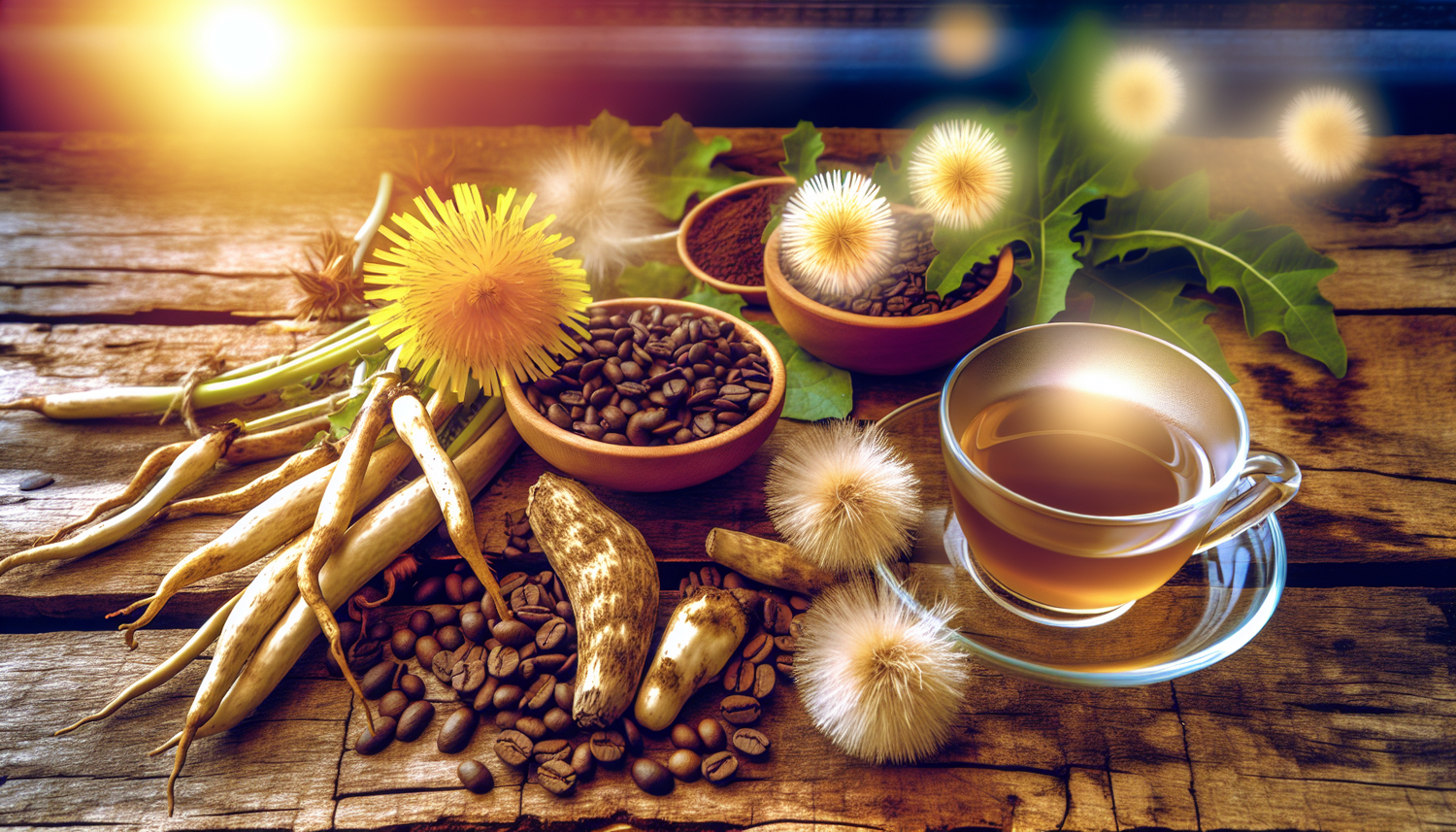
Bittere Getränke begleiten die Menschheit seit Jahrtausenden und haben eine faszinierende Entwicklung durchgemacht. Während heute Kaffee als das beliebteste Bittergetränk der Welt gilt, waren es einst heimische Wildkräuter und Wurzeln, die unseren Vorfahren als natürliche Quellen für wertvolle Bitterstoffe dienten. Diese Reise durch die Zeit zeigt uns, wie sich unser Verhältnis zu bitteren Geschmäckern gewandelt hat und welche Rolle die traditionelle Naturheilkunde dabei spielt.
📋 Inhaltsverzeichnis
Die Ursprünge bitterer Getränke in der traditionellen Heilkunde
Schon in der Antike erkannten Heilkundige die besondere Bedeutung bitterer Pflanzen für das menschliche Wohlbefinden. Löwenzahn, Enzian, Wermut und andere heimische Kräuter wurden traditionell zu Aufgüssen und Tinkturen verarbeitet. Diese BitterKraft Original waren nicht nur Genussmittel, sondern wurden seit Jahrhunderten geschätzt und in der traditionellen Volksheilkunde verwendet.
Die alten Griechen und Römer kannten bereits die anregende Wirkung bitterer Substanzen auf die Geschmacksknospen und deren traditionelle Bedeutung in der Kräuterkunde. Hippokrates, der Vater der Medizin, lehrte seine Schüler, dass bittere Kräuter eine wichtige Rolle im Gleichgewicht der Körpersäfte spielen. Diese Erkenntnisse bildeten das Fundament für jahrhundertealte Traditionen, die bis heute in der Naturheilkunde geschätzt werden.
Besonders interessant ist die Tatsache, dass unsere Vorfahren instinktiv wussten, wann sie bittere Getränke zu sich nehmen sollten. Nach üppigen Mahlzeiten oder in den Frühjahrsmonaten griffen sie bevorzugt zu Aufgüssen aus Löwenzahnwurzeln oder anderen bitteren Heilpflanzen, da diese traditionell in der Volksheilkunde verwendet wurden und für ihre charakteristischen Geschmackseigenschaften bekannt waren.
Hildegard von Bingens Weisheit über bittere Kräuter
Die heilige Hildegard von Bingen Produkte von Bingen (1098-1179) revolutionierte das Verständnis für die Kraft der Bitterstoffe in der mittelalterlichen Heilkunde. In ihren umfangreichen Schriften beschreibt sie detailliert, wie verschiedene bittere Pflanzen traditionell verwendet wurden und welche Eigenschaften ihnen in der damaligen Zeit zugeschrieben wurden. Ihre systematische Herangehensweise an die Pflanzenheilkunde legte den Grundstein für viele traditionelle naturheilkundliche Ansätze.
Hildegard erkannte, dass bittere Geschmäcker nicht zufällig in der Natur vorkommen, sondern eine wichtige Rolle in der traditionellen Kräuterkunde spielen. Sie lehrte, dass Bitterstoffe seit jeher für ihre charakteristischen Eigenschaften geschätzt wurden. Besonders schätzte sie Pflanzen wie den Enzian, dessen Wurzel sie als "Magen-Gold" bezeichnete, oder den Wermut, den sie für seinen intensiven bitteren Geschmack pries.
In ihren Rezepturen kombinierte Hildegard geschickt verschiedene bittere Kräuter zu wohlschmeckenden Getränken. Sie erkannte bereits damals, dass diese Pflanzen traditionell in der Volksheilkunde verwendet wurden und für ihre besonderen Geschmackseigenschaften bekannt waren. Ihre Lehren über die richtige Zubereitung und Dosierung bitterer Heilpflanzen sind auch heute noch relevant und finden in der traditionellen Phytotherapie Anwendung.
Der Siegeszug des Kaffees und der Verlust traditioneller Bittergetränke
Mit der Entdeckung der Neuen Welt und der Etablierung weltweiter Handelswege gelangte im 17. Jahrhundert der Kaffee nach Europa. Dieses exotische Getränk mit seinem charakteristischen bitteren Geschmack eroberte schnell die Herzen der Menschen und verdrängte nach und nach viele traditionelle heimische Bittergetränke. Kaffeehäuser entstanden als neue gesellschaftliche Zentren, und der tägliche Kaffeekonsum wurde zu einem festen Bestandteil der europäischen Kultur.
Gleichzeitig begann ein schleichender Prozess des Vergessens: Die jahrhundertealten Traditionen der Kräuterheilkunde gerieten in Vergessenheit, da sich die Menschen zunehmend dem importierten Kaffee zuwandten. Während Kaffee durchaus wertvolle Bitterstoffe enthält, fehlten ihm die vielfältigen sekundären Pflanzenstoffe der heimischen Heilkräuter. Die Zubereitung wurde einfacher, aber auch einseitiger - statt der saisonalen Vielfalt verschiedener Kräuteraufgüsse dominierte nun ein einziges Getränk.
Paradoxerweise führte der Erfolg des Kaffees auch dazu, dass die Menschen ihren Geschmackssinn für natürliche Bitterstoffe verloren. Zucker und Milch wurden häufig hinzugefügt, um die Bitterkeit zu mildern, wodurch sich die Geschmacksvorlieben in Richtung süßer Aromen verschoben. Diese Entwicklung hatte weitreichende Folgen für unsere moderne Ernährung und unser Verhältnis zu natürlichen, unverfälschten Geschmäckern.
Renaissance der Bitterstoffe: Zurück zu den Wurzeln
In den letzten Jahren erleben wir eine bemerkenswerte Renaissance der traditionellen Bittergetränke. Immer mehr Menschen erkennen den Wert heimischer Heilpflanzen und deren traditionelle Verwendung in der Volksmedizin. [[LINK:löwenzahn]], Enzian, Artischocke und andere bitterstoffhaltige Pflanzen finden wieder ihren Weg in unsere Tassen und werden als wertvolle Ergänzung zu einer bewussten Lebensweise geschätzt.
Diese Rückbesinnung auf alte Traditionen wird von wissenschaftlichen Erkenntnissen über die Bedeutung von Bitterstoffen für die Geschmackswahrnehmung unterstützt. Moderne Forschung zeigt, dass bittere Verbindungen den Geschmackssinn anregen und eine wichtige Rolle in der Geschmackserfahrung spielen. Die Leber-Produkte von Bitterkraft und andere bittere Aufgüsse werden traditionell für ihren charakteristischen Geschmack geschätzt.
Heute haben wir die einzigartige Möglichkeit, das Beste aus beiden Welten zu kombinieren: Die Genusskultur des Kaffees mit der jahrtausendealten Weisheit der Kräuterheilkunde. Ob als morgendlicher Löwenzahnwurzel-Kaffee, als Digestif nach dem Essen oder als bewusster Ersatz für den gewohnten Kaffee - bittere Getränke aus heimischen Heilpflanzen bieten eine wunderbare Gelegenheit, unsere Geschmacksvielfalt zu erweitern und gleichzeitig die traditionellen Eigenschaften dieser wertvollen Pflanzen zu genießen.


Hinterlasse einen Kommentar
Diese Website ist durch hCaptcha geschützt und es gelten die allgemeinen Geschäftsbedingungen und Datenschutzbestimmungen von hCaptcha.