
Das Intervallfasten nach dem 16:8-Schema erfreut sich wachsender Beliebtheit – doch die 16-stündige Fastenphase kann zur echten Herausforderung werden. Während dieser Zeit sind nur kalorienfreie Getränke erlaubt, die den Insulinspiegel nicht beeinflussen. Hier kommen Bittertropfen ins Spiel: Diese traditionellen Kräuterextrakte werden seit Jahrhunderten bei Hungergefühlen geschätzt und bieten ein intensives Geschmackserlebnis. Bereits Hildegard von Bingen wusste um die Kraft der Bitterstoffe und nutzte sie zur Unterstützung der Verdauung und des Wohlbefindens.
📋 Inhaltsverzeichnis
Was passiert im Körper während der 16-Stunden-Fastenphase?
Beim Intervallfasten 16:8 wechselt der Körper zwischen Nahrungsaufnahme (8 Stunden) und Fasten (16 Stunden). Diese Methode orientiert sich an natürlichen Rhythmen und wird traditionell zur Unterstützung des Wohlbefindens geschätzt. Während der Fastenphase sinkt der Insulinspiegel kontinuierlich ab, wodurch der Körper beginnt, verstärkt auf gespeicherte Fettreserven zuzugreifen.
Der Übergang von der Glukoseverbrennung zur Ketose ist jedoch ein Prozess, der Zeit benötigt. In den ersten Stunden der Fastenzeit können daher Hungergefühle, Müdigkeit oder Konzentrationsschwäche auftreten. Diese Symptome sind völlig normal, da sich der Organismus erst an den veränderten Energiestoffwechsel gewöhnen muss. Viele Menschen brechen ihr Fasten-Produkte gerade in dieser kritischen Phase ab.
Besonders herausfordernd sind die Morgenstunden, wenn der Körper normalerweise nach dem Frühstück verlangt. Der Blutzuckerspiegel ist zu dieser Zeit oft am niedrigsten, während gleichzeitig das Stresshormon Cortisol ansteigt. Diese natürliche Hormonkombination kann intensive Hungergefühle auslösen und die Willenskraft auf eine harte Probe stellen.
Bitterstoffe als traditioneller Begleiter ohne Insulinreaktion
Bitterstoffe haben eine jahrtausendealte Tradition in der Naturheilkunde und werden seit jeher bei Appetitlosigkeit geschätzt. Anders als süße oder salzige Geschmäcker lösen BitterKraft Original Bitterstoffe keine Insulinausschüttung aus – eine entscheidende Eigenschaft für erfolgreiches Intervallfasten. Wenn Bittertropfen auf die Geschmacksknospen der Zunge treffen, entfalten sie ihr charakteristisches, intensives Aroma.
Die traditionelle Verwendung von Bitterstoffen beruht auf jahrhundertelanger Erfahrung mit speziellen Bitterrezeptoren, die nicht nur auf der Zunge, sondern auch im Magen-Darm-Trakt zu finden sind. Diese natürlichen Geschmacksrezeptoren sind seit jeher bekannt für ihre Rolle bei der Geschmackswahrnehmung. Traditionell werden Bitterstoffe bei Unwohlsein geschätzt, ohne dabei den Blutzucker zu beeinflussen.
Ein weiterer Vorteil von Bittertropfen liegt in ihrer Konzentration: Bereits wenige Tropfen reichen aus, um das charakteristische Geschmackserlebnis zu bieten. Die Kalorienmenge ist dabei so gering, dass sie während der Fastenzeit vernachlässigbar ist. Besonders wertvoll sind Bittertropfen aus traditionellen Kräutern wie Enzian, Wermut oder Löwenzahn, die bereits seit Jahrhunderten für ihre geschmacklichen Eigenschaften geschätzt werden.
Hildegards Erbe: Traditionelle Bitterkräuter für moderne Fastenmethoden
Hildegard von Bingen erkannte bereits im 12. Jahrhundert die besondere Bedeutung der Bitterstoffe für die Verdauung und das körperliche Wohlbefinden. In ihren Schriften beschreibt sie detailliert, wie verschiedene Hildegard von Bingen Produkte Bitterkräuter zur Stärkung der Verdauungskraft und zur Harmonisierung der Körpersäfte verwendet werden können. Besonders schätzte sie Kräuter wie Wermut, den sie als "Meister über alle Erschöpfungen" bezeichnete.
Nach Hildegards Verständnis werden Bitterstoffe traditionell nicht nur zur Geschmacksintensivierung verwendet, sondern auch zur Stärkung der Lebenskraft geschätzt. Diese ganzheitliche Sichtweise passt perfekt zum modernen Intervallfasten, das ebenfalls auf die Wiederherstellung natürlicher Körperrhythmen abzielt. Die von Leber-Produkte von Bitterkraft Hildegard empfohlenen Kräuter werden traditionell während Fastenzeiten geschätzt.
Moderne wissenschaftliche Erkenntnisse bestätigen viele von Hildegards Beobachtungen: Bitterstoffe sind seit jeher bekannt für ihre Rolle in der traditionellen Kräuterkunde. Während der Fastenphase, in der der Körper natürliche Rhythmen durchläuft, können traditionelle Bitterkräuter eine wertvolle Begleitung bieten, da sie kalorienfrei sind und den gewünschten Fastenzustand nicht beeinträchtigen.
Praktische Anwendung: So integrieren Sie Bittertropfen in Ihr 16:8-Fasten
Die optimale Anwendung von Bittertropfen während des Intervallfastens erfordert das richtige Timing und die angemessene Dosierung. Traditionell werden Bittertropfen etwa 15-30 Minuten vor den Mahlzeiten verwendet – während der Fastenzeit können sie als Geschmackserlebnis am Morgen und am späten Nachmittag genossen werden. Geben Sie 5-10 Tropfen direkt auf die Zunge und lassen Sie sie etwa eine Minute wirken, bevor Sie sie mit etwas Wasser nachspülen.
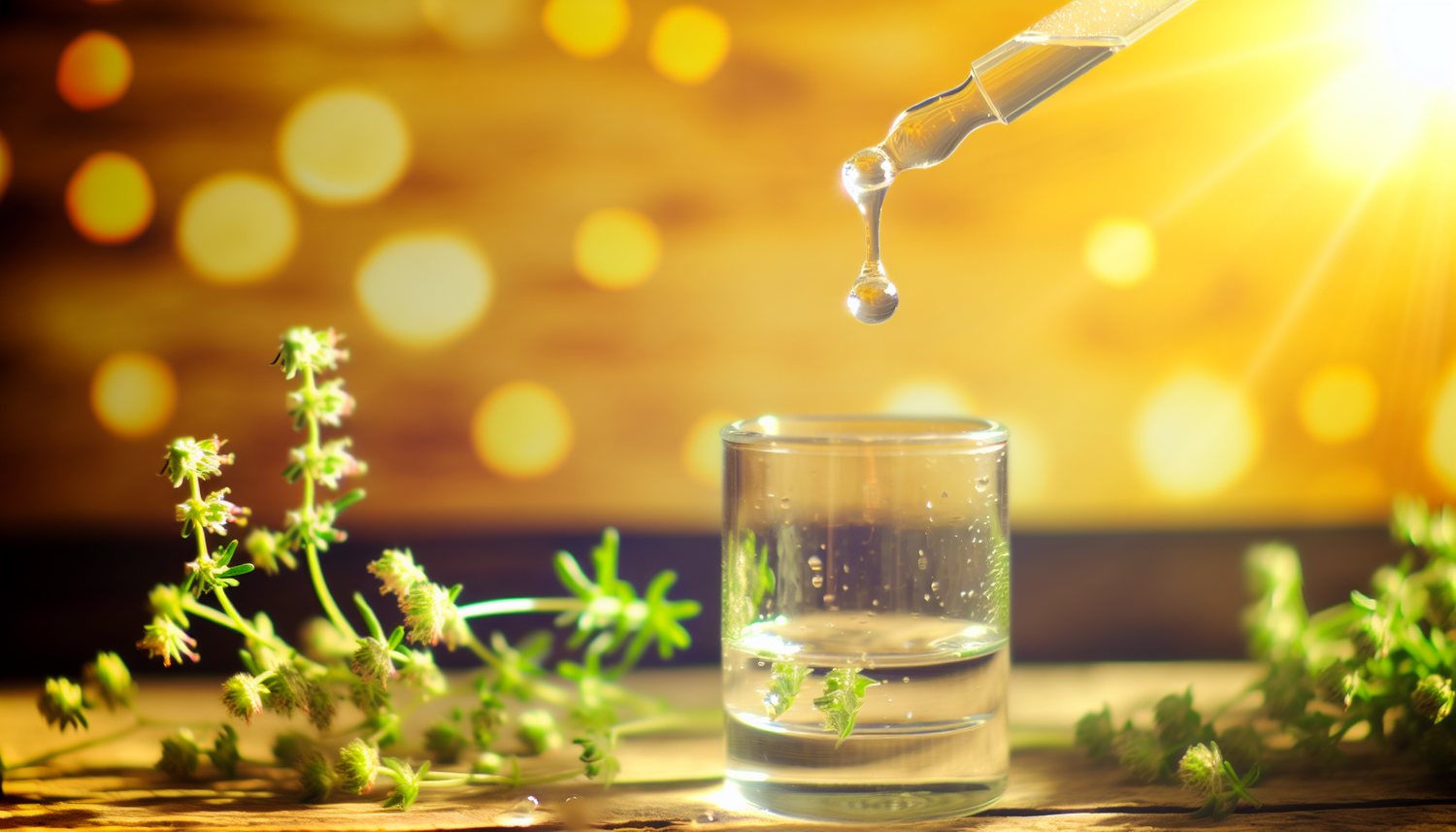
Besonders bewährt hat sich die Kombination von Bittertropfen mit anderen fastenfreundlichen Getränken. Ein Glas lauwarmes Wasser mit einigen Tropfen Bittertinktur kann ein intensives Geschmackserlebnis bieten und dabei die Darm- und Verdauungsprodukte Sinne aktivieren. Alternativ können Sie die Tropfen auch in ungesüßten Kräutertee einrühren – besonders geeignet sind dabei Sorten wie Pfefferminz, Kamille oder Fenchel.
Wichtig ist die Kontinuität in der Anwendung: Beginnen Sie bereits einige Tage vor der ersten Fastenperiode mit der regelmäßigen Einnahme von Bittertropfen, damit sich Ihr Geschmackssinn an das intensive Aroma gewöhnen kann. Viele Menschen empfinden Bitterstoffe zunächst als ungewohnt, da unsere moderne Ernährung arm an natürlichen Bitterstoffen ist. Mit der Zeit entwickelt sich jedoch eine Toleranz, und das charakteristische Geschmackserlebnis wird geschätzt.



Hinterlasse einen Kommentar
Diese Website ist durch hCaptcha geschützt und es gelten die allgemeinen Geschäftsbedingungen und Datenschutzbestimmungen von hCaptcha.