





Just one day a week can be enough to give the body a beneficial break – Hildegard von Bingen already knew this in the 12th century. The abbess, natural healer, and universal scholar from the Rupertsberg monastery is still considered one of the most important representatives of Western monastic medicine. Her knowledge of herbs, juices, and fasting rituals is preserved in writings such as the Physica and the Causae et Curae and is currently experiencing a remarkable renaissance. More and more people are discovering the so-called Hildegard Juice Day as a gentle, everyday method to give their body attention and support overall well-being.
What is a Hildegard Juice Day – and where does this tradition come from?
The Hildegard Juice Day is a deliberately designed relief day, during which solid food is largely replaced by freshly pressed or natural juices, herbal teas, and light soups. Unlike modern detox programs, which often rely on aggressive interventions or industrial products, this practice draws from the rich experience of medieval monastic medicine. Hildegard von Bingen understood the human body as an interplay of elements, temperaments, and natural forces – and she recognized early on that rhythmic relief phases can contribute to inner balance.
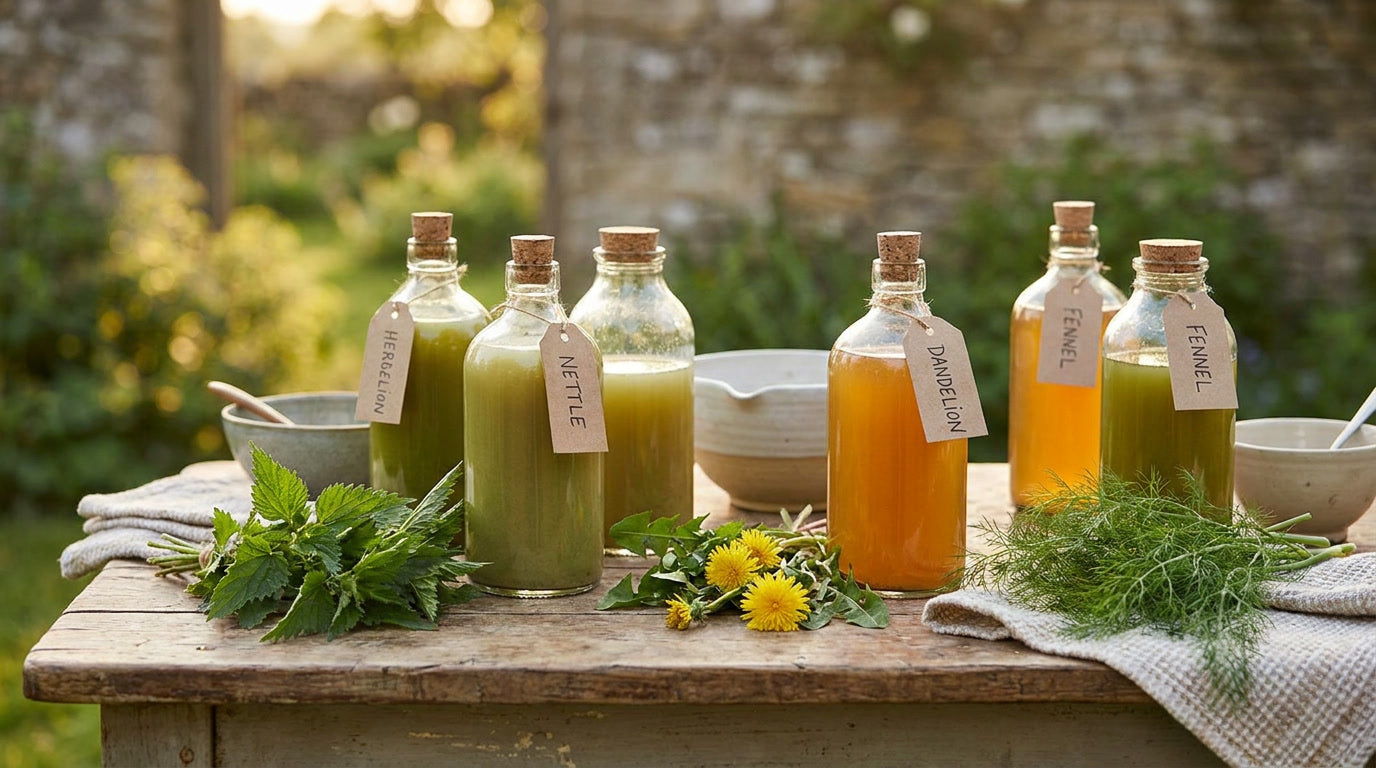
In Hildegard's writings, recommendations frequently appear to dedicate certain days to fasting or conscious dietary changes. She described fasting phases not as punishment but as an opportunity for renewal. The juice was not an end in itself: Hildegard valued the concentrated power of plant essences – whether from fennel, nettle, or dandelion – as a means to maintain balance in the body. This tradition lives on in today's Hildegard Juice Day, which is usually practiced once a week or once a month.
What sets the Hildegard Juice Day apart from other relief methods is its holistic approach: it combines physical restraint with conscious mindfulness, silence, and the enjoyment of traditionally used herbs and plant extracts. Hildegard von Bingen products The day is not only seen as a diet tool but as a small ritual of self-care – a practice that was maintained for centuries in many monasteries and is now being reinterpreted by people interested in natural healing.
Hildegard of Bingen wrote in her Physica (12th century) about fennel: "Whoever eats fennel or its seeds, it makes him cheerful and brings him pleasant warmth." – A sign of how deeply rooted the trust in certain plants was in monastery medicine.
Gentle diuresis: Which herbs monastery medicine recommends
A central concern of the Hildegard juice day is supporting the body's natural elimination processes. Water is stored in the tissues when the internal balance is disturbed – whether due to a salt-rich diet, lack of exercise, or simply the stresses of everyday life. In monastery medicine, certain herbs and plants have always been valued that are traditionally used in folk medicine for water retention and to support kidney function.
Hildegard herself recommended herbs like fennel, nettle, and dandelion as regular companions to a conscious diet. These plants were cultivated in monastery gardens, processed into juices, or brewed as teas – a practice preserved over generations. Interestingly, many of these herbs are also traditionally used in modern phytotherapy: they have been passed down for centuries and are an integral part of European herbal tradition.
A Hildegard juice day combines knowledge from over 800 years of monastery medicine with a simple, everyday practice: the targeted selection of diuretic herbs and their preparation as juices or teas is the core of this time-honored method.
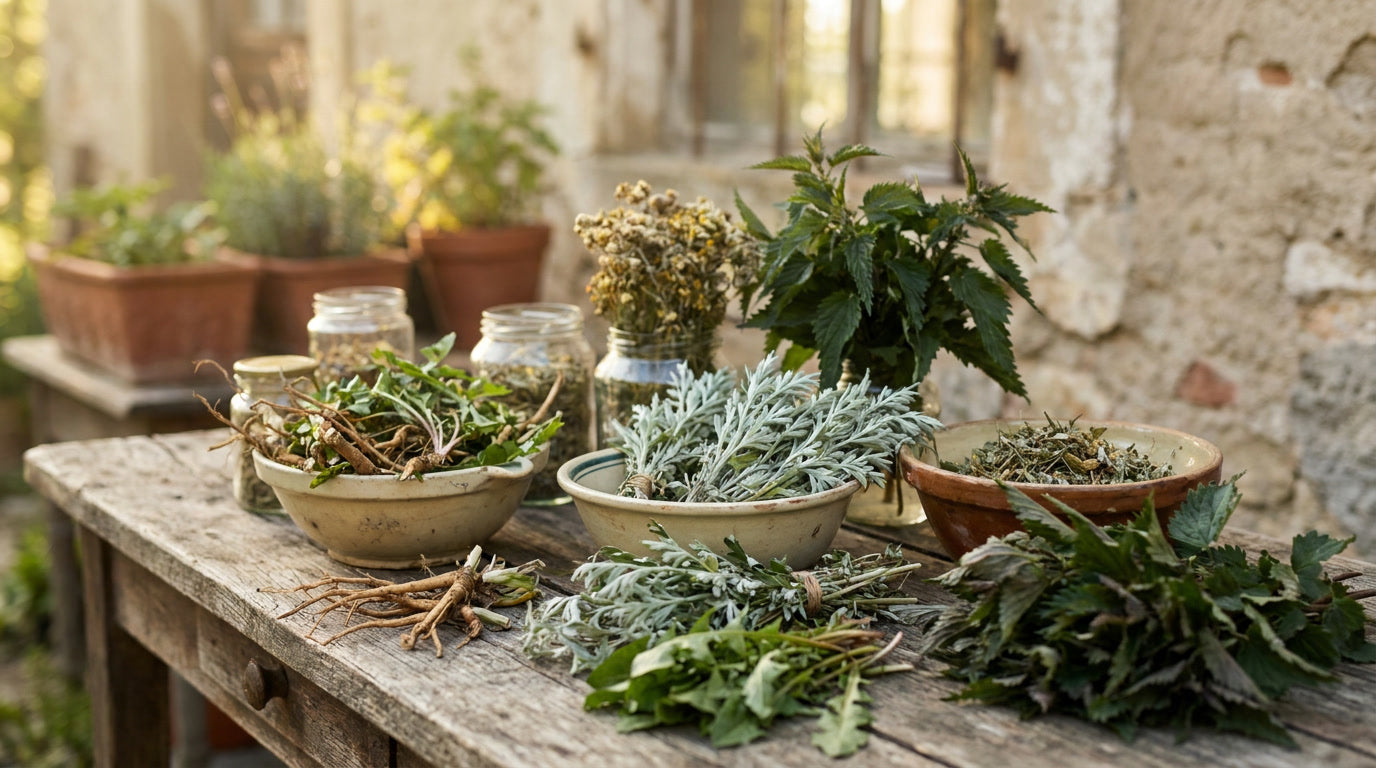
These herbs are traditionally valued in the Hildegard tradition for their diuretic properties:
- Nettle (Urtica dioica): Known in folk medicine for centuries and traditionally used to support kidney function. As juice or tea, it is a classic spring and detox herb in monastery medicine.
- Dandelion (Taraxacum officinale): Hildegard valued dandelion as an invigorating medicinal plant. It is traditionally used in herbal medicine and appears in many preserved monastery recipes.
- Fennel (Foeniculum vulgare): One of Hildegard's favorite plants – she called it "warming and cheerful." In the form of tea or juice, fennel is a gentle companion for detox days.
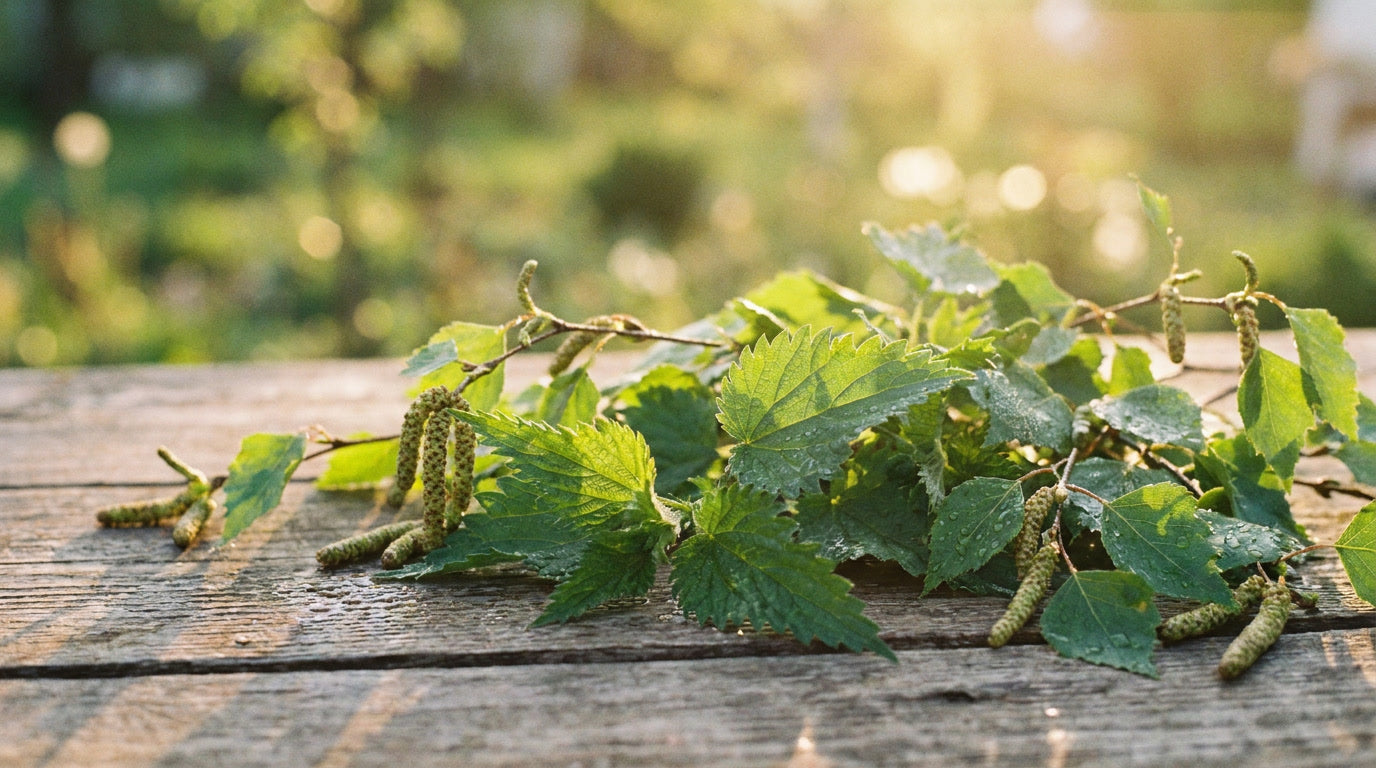
- Birch leaves (Betula pendula): Traditionally known as a diuretic herb since medieval monastery medicine. Birch leaf tea is now a proven remedy in European herbal medicine.
- Horsetail (Equisetum arvense): Also known as scouring rush, it is traditionally used in folk medicine and is found in many monastery medicine recipes.
What is behind these herbs?
Many of the relief plants used in the Hildegard tradition contain secondary plant compounds such as flavonoids, essential oils, and bitter substances. BitterKraft Original These compounds are the subject of intensive phytochemical research and make the plants interesting candidates in traditional herbal medicine. It is important to emphasize: the use of these herbs corresponds to the principle of traditional plant knowledge – they complement a conscious lifestyle but do not replace medical treatment.
This is how you design your Hildegard juice day: step by step through the day
The Hildegard juice day requires no elaborate preparation – it thrives on simplicity and mindfulness. Ideally, choose a day without professional or social obligations: a Saturday or Sunday is particularly suitable. The day traditionally begins with a glass of warm water or a mild herbal tea – fennel or lemon balm are classic Hildegard recommendations for the morning.
Throughout the day, drink a portion of freshly pressed juice, herbal tea, or a light vegetable broth every two to three hours. Combinations of apple, ginger, and nettle or carrot, dandelion, and lemon have proven effective. Hildegard emphasized that food and drinks should be "warm and lively" – she recommended avoiding preparations that are too cold or too hot. This principle is easy to implement: juices can be brought to room temperature or consumed slightly warmed.
In the evening, a warming herbal soup – for example made from leek, celery, and a bit of ginger – is recommended as a gentle end to the detox day. Hildegard herself valued evening silence and retreat as part of the fasting ritual. A short walk in the fresh air, light stretching exercises, or a relaxing full bath with herbal additives (lavender, lemon balm) can round off the day. Fasting products The goal is not calorie reduction at any cost, but a conscious break from the usual eating rhythm.
A successful Hildegard juice day begins and ends with warmth – warming herbal teas, room temperature juices, and a light evening soup correspond to the traditional principle of monastery medicine to not burden the body but gently support it.
Recommended daily schedule for the Hildegard juice day:
7:00 AM: A glass of warm water with a splash of lemon or fennel tea
9:00 AM: Freshly pressed apple-nettle-ginger juice (room temperature)
11:00 AM: Dandelion herbal tea or birch leaf infusion
1:00 PM: Light vegetable broth with horsetail or celery addition
3:00 PM: Carrot-dandelion juice or apple-fennel combination
5:00 PM: Lemon balm tea with a little honey
7:00 PM: Warming vegetable soup (leek, celery, parsley root)
9:00 PM: Valerian or lavender tea for bedtime Sleep and relaxation products
Metabolism and well-being: What science says about herbal tradition
Modern research is increasingly interested in the insights of traditional herbal medicine. The focus is not on whether old monastery recipes are "proven" but rather on which active substances are contained in the transmitted plants and how they are perceived in the body. The area of secondary plant compounds – flavonoids, bitter substances, essential oils – has gained significant research interest in recent decades.
A review article in the Journal of Ethnopharmacology (2016) examined the traditional use of nettle (Urtica dioica) in European folk medicine and found that this plant has been described in many cultures for centuries with similar applications – including traditional uses in diuresis and general well-being.
At the same time, it would be misguided to view the Hildegard juice day solely through the lens of modern studies. Its value lies not only in proven ingredients but also in the practice of conscious pausing, ritual, and mindfulness. This dimension – understood by Hildegard as spiritual renewal – is increasingly recognized in modern health research under the term "mind-body medicine." Overall well-being is influenced not only by what we eat or drink but also by how we structure our day.
Liver products from Bitterkraft The connection between relief phases and overall well-being is also plausible from a folk medicine perspective: those who regularly take a calm, conscious day not only interrupt dietary patterns but also stress and overstimulation cycles. In Hildegard medicine, the concept of discretio – moderation and balance – played a central role. In this sense, the juice day is not a one-time event but a rhythm that should be embedded in the annual cycle.
Hildegard’s principle of discretio – moderation and balance – is the true core of the juice day: not abstinence for its own sake, but consciously incorporating rest phases into the life rhythm.
Hildegard juice day in the annual cycle: When is a relief day especially worthwhile?
Hildegard of Bingen based her healing strongly on the seasons. She described how body and nature are in constant interplay – and recommended adjusting one’s diet and lifestyle accordingly. Especially during seasonal transitions – in spring and autumn – she advised cleansing phases in which the body can recover from the burdens of the past season.
Spring juices made from young nettles, dandelion, and wild garlic follow this seasonal principle: they use the first fresh harvest of the year and bring the power of awakening nature into everyday life. In autumn, warming juice blends made from carrot, ginger, and fennel are recommended to prepare the body for the cooler season. Immune system products Even during the fasting period before Easter or in Advent, monastic traditions include references to conscious relief practices.
For modern everyday life, naturopaths who follow the Hildegard tradition recommend establishing a juice day once a week or at least twice a month. Those who want to start gently can begin with a "half" juice day: the first half of the day with juices and teas, the second with light, plant-based food. The key is not perfection but regularity – because Hildegard knew: small, consistent rituals have a deeper effect than one-time major actions.
Seasonal juice combinations inspired by Hildegard:
Spring: Nettle + Apple + Birch – traditionally known as a "spring cure"
Summer: Dandelion + Lemon + Ginger – invigorating and refreshing
Autumn: Carrot + Fennel + Turmeric – warming and balancing
Winter: Beetroot + Ginger + Black Elderberry – strengthening and warming Gut and digestion products
Who is the Hildegard juice day suitable for – and what should be considered?
The Hildegard juice day is basically suitable for healthy adults who want to give their body a conscious break. It is not a medical therapy but a traditional practice of self-care based on the principles of monastic medicine. People who are interested in natural medicine, herbal knowledge, and holistic health – and who seek what Hildegard herself so aptly described: a life in harmony with nature – tend to feel especially addressed.
Those who regularly take medication, suffer from chronic illnesses, or are in special life phases such as pregnancy or breastfeeding should consult a doctor before undertaking a juice day. The same applies to people with low blood pressure, diabetes, or eating disorders. Products for women's health The juice day is not a cure-all – it is a building block in a conscious, holistic lifestyle based on the millennia-old knowledge of herbal medicine.
Finally, it is worth taking a look at the essence of this tradition: the Hildegard juice day is not a fashionable trend but the timeless response of one of the wisest women of the Middle Ages to a universal human experience – the longing for silence, renewal, and simplicity. In a world that overwhelms us daily with stimuli and demands, this one day a week offers something precious: permission to pause, reflect, and meet the body with the power of nature. This is, in the best sense of Hildegard, discretio – the art of moderation as a path to health.


Leave a comment
This site is protected by hCaptcha and the hCaptcha Privacy Policy and Terms of Service apply.