





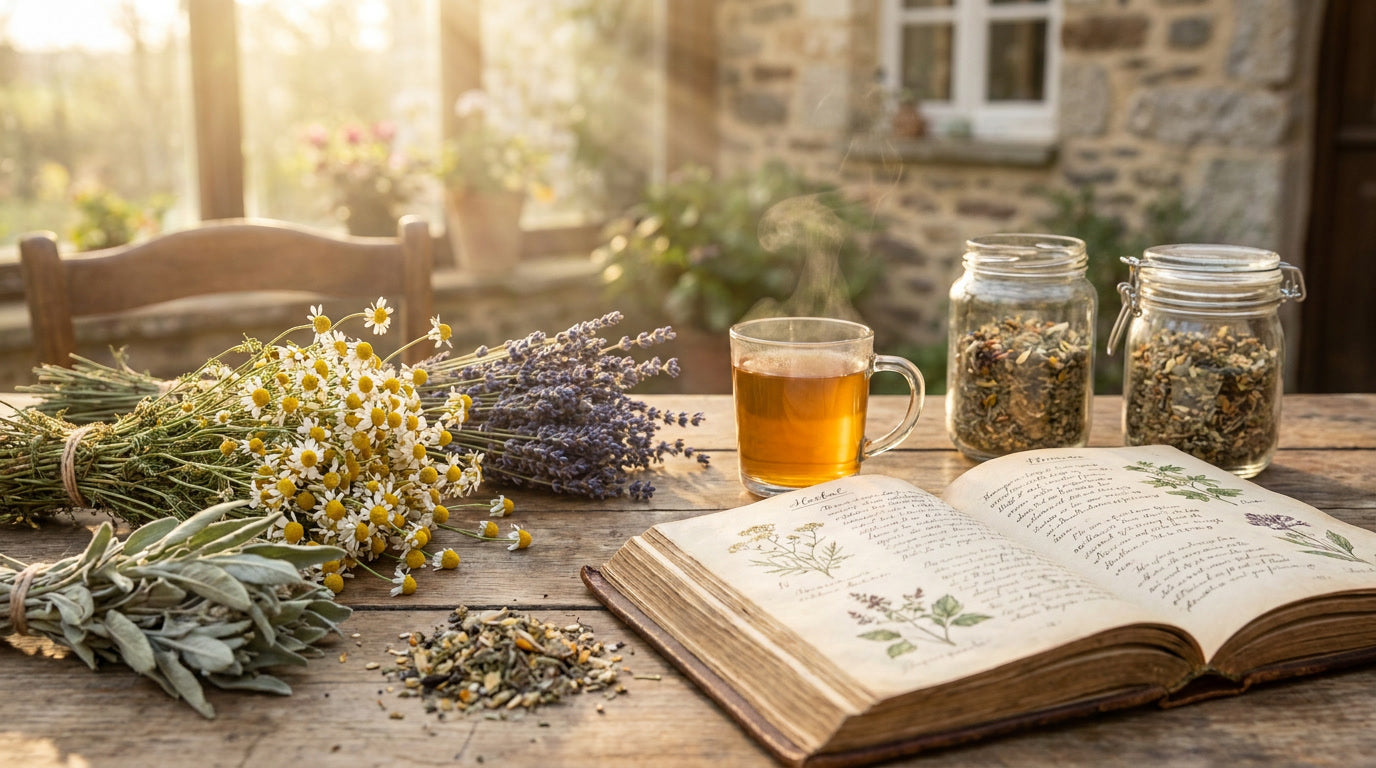
Anyone who has fasted knows the feeling: after a few days, the body feels lighter, the mind clearer, the face less bloated. What feels like a small miracle has very concrete reasons—and a long tradition. Hildegard medicine, tracing back to the Benedictine and naturalist Hildegard von Bingen (1098–1179), is one of the oldest preserved healing systems in the German-speaking world. Fasting, herbs, and the conscious support of the body play a central role in it. This article explains what actually happens in the body during fasting products—and how Hildegard’s traditional plant knowledge has served as a cultural companion for centuries.
What distinguishes Hildegard healing fasting from other forms of fasting
Fasting has deep roots in many cultures and religions. While modern intermittent fasting or juice fasting mainly pursue metabolic goals, Hildegard von Bingen understood fasting as a holistic event—a cleansing of body, mind, and soul at the same time. In her main works Physica and Causae et Curae, she describes in detail how plants, nutrition, and mental attitude work together. For her, fasting was not an act of deprivation but a conscious retreat that gives the body space to recover.
A key feature of Hildegard healing fasting is gentle preparation. Instead of abruptly giving up food, monastic medicine recommends a gradual transition—supported by light, plant-based foods, spelt products (which Hildegard especially valued), and selected herbal teas. This approach is in harmony with Hildegard’s principle of discretio—moderation and wise restraint. Nothing should be rushed; everything should flow naturally.
The selection of accompanying herbs also follows a clear system in Hildegard's approach. Bitters, culinary herbs, and certain medicinal plants were traditionally used to support the body during fasting. Hildegard von Bingen products Many of these plants are still valued today in European monastic medicine and continue to be passed down in naturopathic circles. What Hildegard knew intuitively and from experience aligns in many ways with what modern nutritional science has discovered about fasting.
"Man should eat and drink in moderation so as not to become ill. But fasting cleanses the liver and gives clarity to the spirit." – Hildegard of Bingen, Causae et Curae (loosely translated)
What happens in the body: metabolism, water, and the silent relief
As soon as food intake is reduced, the body begins to draw on its own reserves. In the first one to two days, it primarily uses stored glycogen in the liver. Glycogen is bound to water – about three grams of water are released per gram of glycogen. This explains why many people quickly lose weight at the start of fasting: a significant part of it is water weight that the body no longer needs.
During fasting, the body loses mainly water in the first days, which was bound to glycogen stores – this natural dehydration effect is one of the most noticeable early signals of the fasting metabolism.
This phenomenon is why many fasters report that their face looks slimmer, rings fit looser, and their legs feel lighter. This is not a loss of body substance but a natural shift in water balance. The body releases less insulin when no carbohydrates are consumed – and insulin plays a key role in causing the kidneys to retain more sodium (and thus water). Less insulin means: more sodium excretion, more water excretion, less tissue water.
After a few days of fasting, the metabolism shifts further: the body increasingly begins to use fat reserves. This produces so-called ketone bodies, which serve as an alternative energy source – including for the brain. Many fasters report a peculiar mental clarity during this phase, which strikingly matches Hildegard's description of the fasting-induced "purification of the spirit." Liver products from Bitterkraft
What is behind the "fasting weight"?
The rapid weight loss at the beginning of fasting consists of: water loss through glycogen breakdown (about 1–2 kg in the first days), reduced intestinal contents, and the beginning breakdown of fat reserves. In the long term, fat breakdown is metabolically more significant – but water loss is what is physically noticed most quickly.
The role of bitter compounds: Hildegard’s herbal knowledge in the fasting process
Hildegard von Bingen knew and described dozens of medicinal plants, which she systematically used in her monastic life. Particularly interesting in the fasting context are her recommendations for bitter herbs. Bitter compounds – so-called bitter glycosides and sesquiterpenes – have been known in European monastic medicine since the Middle Ages and were traditionally valued as support during relief phases. BitterKraft Original
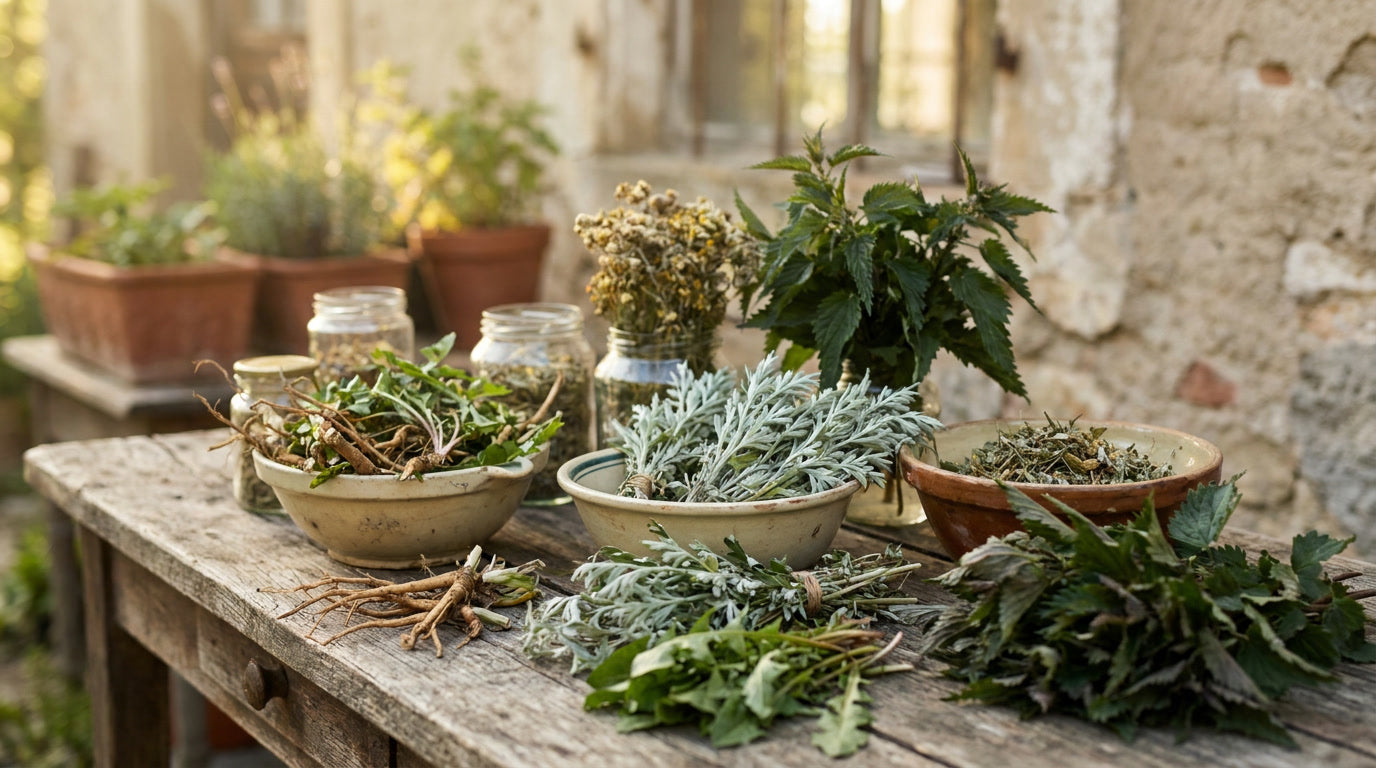
In Hildegard medicine, plants like wormwood, gentian, yarrow, and dandelion play an important role. They were considered classic fasting plants that accompany the body during its resting phase. For example, Hildegard recommended yarrow as the “herb of women and cleansing” – a sign of how deeply rooted the knowledge of certain plants was in medieval medicine. Chicory (a predecessor of modern chicory) and fennel are also mentioned in her writings as companions during fasting times.
Bitter compounds are among the oldest known companions of fasting in European monastic medicine – their use dates back to medieval herbal medicine.
What Hildegard described traditionally is still carried on in natural medicine today: bitter herbs are valued during fasting support because they have been part of holistic body care for centuries. They are not used as medicinal remedies in the medical sense but as part of a conscious ritual – an invitation to the body to gather itself during the fasting period. Hildegard von Bingen products
These medicinal plants traditionally accompany Hildegard fasting:
- Wormwood (Artemisia absinthium): Known in monastic medicine since the Middle Ages, wormwood has traditionally been used as a fasting herb and is historically one of Europe's best-known sources of bitter compounds.
- Yarrow (Achillea millefolium): Explicitly mentioned by Hildegard of Bingen – in traditional herbal medicine, it has been regarded for centuries as a classic companion plant for relief phases.
- Gentian (Gentiana lutea): The yellow gentian is one of the most bitter native plants and is valued in traditional European natural medicine as a proven fasting companion herb.
- Dandelion (Taraxacum officinale): Collected and used since ancient times in spring – dandelion is traditionally passed down in folk medicine as a diuretic herb and fasting plant.
- Fennel (Foeniculum vulgare): Hildegard dedicates an entire chapter to fennel in the Physica and describes it as a beneficial herb that supports a person's inner balance.
"Fennel is warm and a little dry and has a good effect, and whoever ate it in any way, it makes them happy." – Hildegard of Bingen, Physica, Chapter 66 (historical source)
Water loss during fasting: natural process and traditional support
Water loss during fasting is not a side effect – it is a central part of what many fasters experience as "lightness." When insulin levels drop, the kidneys excrete more sodium, and water follows the sodium. This physiological principle has been well understood for decades. What is less known: some traditional fasting herbs have been associated with this exact effect in folk medicine for centuries – without anyone at the time talking about insulin or sodium excretion.
Dandelion, for example, is known in German by the folk name "Bettnässer" – a clear indication that its diuretic properties have long been known and observed. In monastic medicine, it was especially valued as a spring plant because spring was considered a natural time for fasting and cleansing. Hildegard herself recommended rhythmic relief phases aligned with the seasons – an idea that is gaining importance again today in natural medicine.
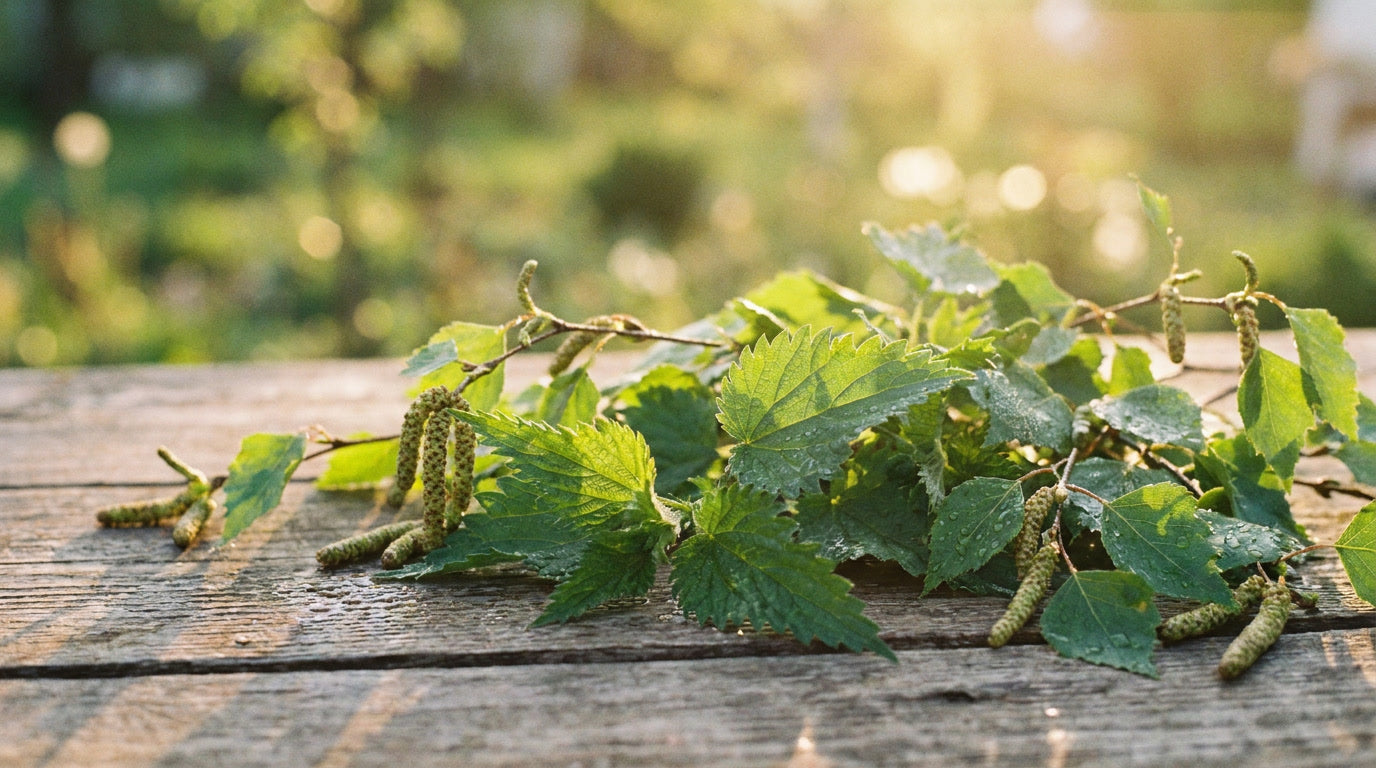
Especially the combination of calorie-reduced nutrition, sufficient fluid intake, and traditional herbal teas is described in naturopathic circles as a gentle way to support the body during fasting. Herbal teas made from nettle, birch leaves, or dandelion have been traditionally used for centuries as part of spring and fasting cures – not as medicine, but as a ritual component of a holistic approach. Fasting products
The traditional fasting cure in the Hildegard style combines food reduction, herbal teas, and rhythmic relief phases into a holistic ritual – far more than just calorie restriction.
Hildegard’s fasting ritual in practice – a traditional concept:
• Preparation phase (2–3 days): Gradual reduction of meat, sugar, and alcohol; spelt soups, steamed vegetables, herbal teas.
• Fasting days (3–7 days): Light vegetable juices or soups, warm herbal teas (yarrow, fennel, wormwood in small amounts), plenty of water.
• Breaking the fast: Start gently with light foods – Hildegard recommended spelt as the “best grain” for reintroduction.
• Accompanying rituals: Silence, light movement in nature, reduction of stimuli – fasting as a time to turn inward.
Hildegard fasting today: Between tradition and modern well-being
Interest in Hildegard medicine has grown significantly in recent decades. What was once dismissed as a medieval curiosity now finds its firm place again in naturopathic circles, wellness hotels, and monastery pharmacies. This is due in no small part to the fact that many of Hildegard’s basic principles – moderation, rhythm, plant knowledge, and the unity of body and mind – seem timelessly valid. Hildegard von Bingen products
Especially in a time when oversupply, constant stress, and too much of everything shape everyday life, Hildegard fasting holds a special appeal. It is not a high-performance program, nor a biohacking protocol. It is an invitation to slow down – a conscious pause that gives the body space to find its own rhythm again. Many people who have tried Hildegard fasting report an increased sense of well-being that is not only physical.
It is important to emphasize: Hildegard healing fasting is aimed at healthy adults who want to enrich their personal well-being practice. It does not replace medical advice and is not suitable for people with certain pre-existing conditions, pregnant or breastfeeding women. Anyone wishing to fast for more than three days should always do so in consultation with a naturopath or doctor. Hildegard’s tradition was never one of extremes – it was a tradition of wise moderation.
Fortunately, the herbs Hildegard described are now easily accessible: as teas, tinctures, herbal blends, or high-quality supplements from organic cultivation. Those interested in Hildegard fasting will find many companions in the naturopathic product world that translate the traditional knowledge into modern forms – without losing the original spirit. BitterKraft Original
Since the 1980s, Hildegard medicine has been systematically researched and documented by various doctors and naturopaths, including the physician Gottfried Hertzka and later Wighard Strehlow. Her writings still form the basis of numerous cure programs in German-speaking monasteries and naturopathic centers.
Practical tips for mindful Hildegard fasting
A successful fast does not begin on the first day of fasting but already a week before. Those who take the time to gradually ease out of everyday life into the fasting period will experience the transition as much more pleasant. Hildegard repeatedly emphasized the importance of preparation – both physically and mentally. This specifically means: gradually reducing stimulants like coffee, alcohol, and heavy meals, getting enough sleep, and starting to eat more consciously even before the actual fast. Sleep and relaxation products
During the fasting days themselves, the Hildegard tradition recommends warm liquids – especially herbal teas and warm vegetable broths. Hildegard was an advocate of warmth: cold foods and drinks were considered potential disruptors of inner balance in her medicine. This idea may initially sound unusual but fits well with the experience of many fasters who report that warmth – in the form of teas, warm baths, or heating pads – makes the fasting process more pleasant.
Movement was also part of fasting for Hildegard – but in moderation. Light walks in nature, quiet meditation, or gentle stretching were considered part of the fasting ritual. Intense physical exertion is not recommended during a true fasting phase. Nature, light, fresh air – all of these were components of a holistic healing care that she called viriditas: the healing green force that flows through all living things. Immune system products
Herbal teas traditionally used to accompany fasting:
- Nettle (Urtica dioica): Known for centuries as a mineral-rich spring herb, nettle tea is traditionally used during diuretic and fasting phases.
- Birch leaves (Betula pendula): Passed down in European folk medicine as a classic spring herb, traditionally consumed as tea during fasting cures since ancient times.
- Yarrow (Achillea millefolium): Hildegard valued yarrow as a balancing herb – traditionally used as tea to accompany fasting periods.
- Fennel seeds (Foeniculum vulgare): Firmly established by Hildegard as a "warming herb" – fennel tea is traditionally drunk to support well-being during fasting.
- Lemon balm (Melissa officinalis): Valued in monastic medicine as a calming and harmonizing herb – lemon balm tea traditionally accompanies periods of rest and fasting.
In conclusion, it can be said: Hildegard fasting is more than just a diet. It is a culturally inherited ritual that unites body and mind – and in its simplicity and wisdom, it has lost none of its relevance to this day. Those who embrace it may understand why this 900-year-old tradition increasingly appeals to people in a fast, noisy world: because it invites pause. And because the body appreciates this pause in its own unique way – as modern science shows us.


Leave a comment
This site is protected by hCaptcha and the hCaptcha Privacy Policy and Terms of Service apply.