

Wenn die kalte Jahreszeit ihre Spuren hinterlässt und die ersten Erkältungssymptome sich bemerkbar machen, lohnt sich ein Blick in die jahrhundertealte Heilkunde der Hildegard von Bingen. Die bedeutende Äbtissin des 12. Jahrhunderts erkannte bereits damals die besondere Kraft bestimmter Gewürze, die traditionell in der Erkältungszeit verwendet wurden. Ihre Erkenntnisse über Galgant, Bertram und andere kostbare Gewürze können auch heute noch das Wohlbefinden in der Erkältungszeit auf natürliche Weise unterstützen.
📋 Inhaltsverzeichnis
Galgant - das traditionell geschätzte Königsgewürz
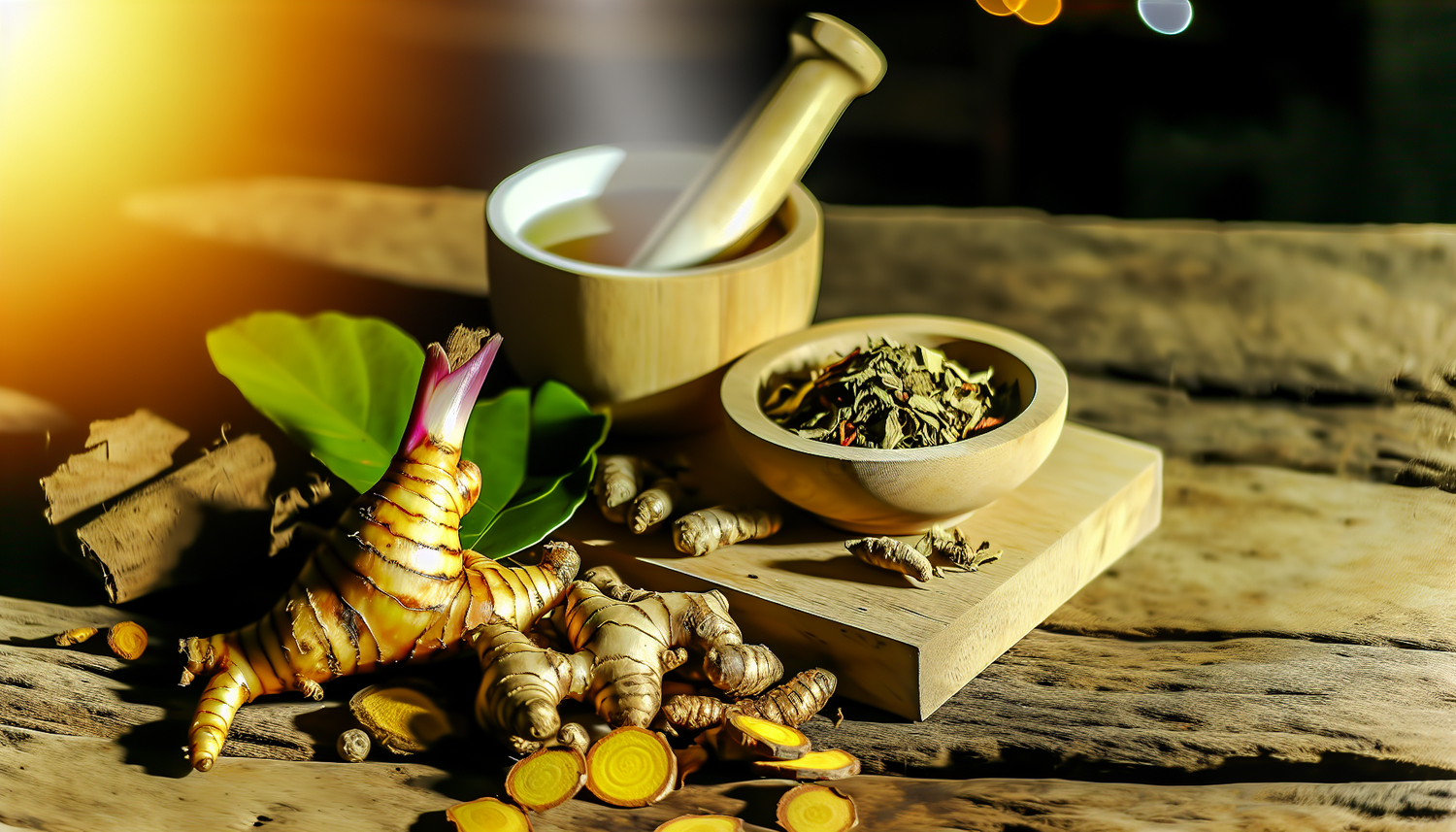
Galgant nimmt in Hildegard von Bingen Produkte Heilkunde eine Sonderstellung ein und wird oft als "Gewürz des Lebens" bezeichnet. Diese ingwerähnliche Wurzel aus der Familie der Zingiberaceae ist seit Jahrhunderten für ihre wärmenden Eigenschaften geschätzt. Hildegard von Bingen beschrieb Galgant als eines der wichtigsten Gewürze überhaupt und betonte seine besonderen Qualitäten in der traditionellen Volksheilkunde.
Die charakteristische Schärfe des Galgants entsteht durch ätherische Öle und Gingerole, die dem Gewürz seine typischen Eigenschaften verleihen. In der traditionellen Anwendung wird Galgant besonders in der Erkältungszeit geschätzt und war bereits bei Hildegard von Bingen bekannt für seine besonderen Eigenschaften. Das Gewürz kann sowohl als Pulver in warmen Getränken als auch in der Küche verwendet werden, wo es Speisen eine angenehme Schärfe und Wärme verleiht.
Besonders bewährt hat sich die Kombination von Galgant mit anderen Hildegard-Gewürzen. Ein warmer Tee mit einer Prise Galgantpulver kann an kalten Wintertagen für wohlige Wärme von innen sorgen. Die traditionelle historische Zubereitung sieht vor, das Pulver mit heißem Wasser zu übergießen und einige Minuten ziehen zu lassen, bevor es schluckweise getrunken wird.
Bertram und Quendel - die kraftvollen Begleiter
Bertram, auch als Anacyclus pyrethrum bekannt, gehört zu den weniger bekannten, aber umso wertvolleren Gewürzen in Hildegards Schatzkammer. Diese kleine, unscheinbare Wurzel besitzt eine bemerkenswerte Schärfe und wird traditionell für ihre wärmenden Eigenschaften geschätzt. Hildegard empfahl Bertram besonders in Kombination mit anderen Gewürzen, um deren Eigenschaften zu ergänzen und zu harmonisieren.
Der wilde Thymian, von Hildegard als Quendel bezeichnet, ergänzt die scharfen Gewürze mit seinen aromatischen ätherischen Ölen perfekt. Diese kleine Pflanze wächst wild auf sonnigen Hügeln und Wiesen und wird seit der Antike in der Volksheilkunde geschätzt. In der Hildegard-Heilkunde wird Quendel traditionell verwendet und war bereits bei den Klosterheilkundigen bekannt für seine besonderen Eigenschaften.
Die Kombination aus Bertram und Quendel ergibt eine harmonische Mischung, die sowohl die Schärfe als auch die aromatischen Komponenten optimal zur Geltung bringt. Diese Gewürze können einzeln oder gemeinsam als Tee zubereitet werden. Dabei ist es wichtig, die historisch überlieferte Dosierung zu beachten, da besonders Bertram sehr intensiv ist und bereits kleine Mengen in der traditionellen Anwendung verwendet wurden.
Traditionelle Zubereitungsarten und Anwendungen
Die traditionelle Zubereitung der Hildegard-Gewürze folgt jahrhundertealten Überlieferungen. Galgant wurde historisch als feines Pulver verwendet, das direkt in warme Flüssigkeiten eingerührt wurde. Eine in der Volksheilkunde bekannte Zubereitungsart ist der Galgant-Wein, bei dem eine kleine Menge Galgantpulver in erwärmten Rotwein eingerührt und langsam getrunken wurde. Diese Anwendung war besonders in der kalten Jahreszeit traditionell beliebt.
Für einen traditionellen Kräutertee nach Hildegard konnten verschiedene Gewürze miteinander kombiniert werden. Eine historisch überlieferte Mischung bestand aus Galgant, einer Prise Bertram und getrockneten Quendelblättern. Diese wurden mit heißem Wasser übergossen und etwa 10 Minuten ziehen gelassen. Der Tee wurde traditionell warm getrunken und konnte bei Bedarf mit etwas Honig gesüßt werden.
Eine weitere in der Volksheilkunde bekannte Anwendungsform waren Gewürzpulver-Mischungen, die traditionell auf verschiedene Weise verwendet wurden. Diese intensive Form der historischen Anwendung war bereits bei Hildegard von Bingen beschrieben. Wichtig war dabei, immer mit kleinen Mengen zu beginnen, wie es in der traditionellen Überlieferung beschrieben wird. Nach der Einnahme wurde traditionell ausreichend warmes Wasser getrunken.
Ganzheitlicher Ansatz für die Erkältungszeit
Die Hildegard-Gewürze entfalten ihre traditionellen Eigenschaften am besten im Rahmen eines ganzheitlichen Ansatzes. Dazu gehört nicht nur die Verwendung der richtigen Gewürze, sondern auch eine angepasste Ernährung und Lebensweise. Hildegard betonte immer die Bedeutung der rechten Maß-Haltung und des Gleichgewichts zwischen Aktivität und Ruhe, besonders in der kalten Jahreszeit.
Die Naturprodukte werden traditionell in der Volksheilkunde durch die regelmäßige Verwendung von Hildegard-Gewürzen ergänzt. Dabei spielen nicht nur die einzelnen Gewürze eine Rolle, sondern auch ihre sinnvolle Kombination mit einer ausgewogenen Ernährung. Warme Suppen mit Galgant, würzige Eintöpfe mit Quendel oder ein wärmender Gewürztee am Abend können wertvolle Bestandteile einer naturheilkundlichen Lebensweise sein.
Besonders wichtig ist auch die Qualität der verwendeten Gewürze. BitterKraft Original und Gewürze sollten aus kontrolliertem Anbau stammen und schonend verarbeitet sein, um ihre wertvollen Inhaltsstoffe zu bewahren. Die Lagerung in dunklen, kühlen Räumen und die Verwendung innerhalb angemessener Zeit gewährleisten, dass die Gewürze ihre traditionell geschätzten Eigenschaften behalten und optimalen Nutzen für das Wohlbefinden bieten können.


Hinterlasse einen Kommentar
Diese Website ist durch hCaptcha geschützt und es gelten die allgemeinen Geschäftsbedingungen und Datenschutzbestimmungen von hCaptcha.