

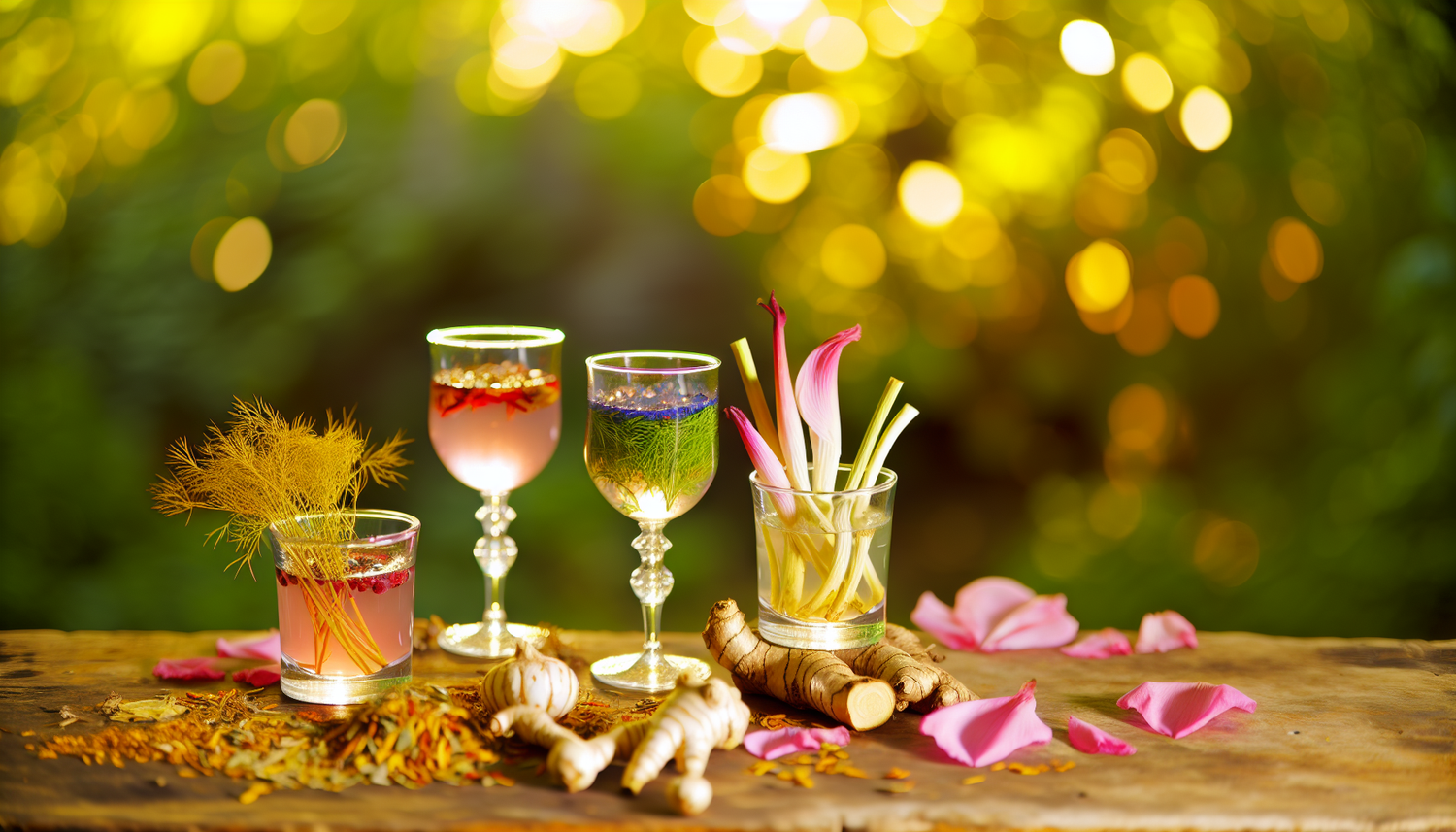
Die Klostertraditionen der heiligen Hildegard von Bingen erleben eine Renaissance – auch in der modernen Küche und Bar. Ihre jahrhundertealten Kräuterrezepturen lassen sich wunderbar zu erfrischenden alkoholfreien Cocktails interpretieren, die nicht nur köstlich schmecken, sondern auch durch ihre einzigartigen Geschmackskombinationen begeistern. Diese Hildegard-Drinks verbinden Genuss mit der kulinarischen Weisheit des Mittelalters und bieten eine aromatische Alternative zu herkömmlichen Cocktails.
📋 Inhaltsverzeichnis
Die Grundlagen der Hildegard-Kräuterlehre für moderne Drinks
Hildegard von Bingen entwickelte im 12. Jahrhundert ein umfassendes System der Gewürzpflanzenkunde, das auf alten Küchentraditionen und der Geschmackslehre basierte. Ihre Kräuterrezepturen waren darauf ausgerichtet, harmonische Geschmackskombinationen zu schaffen und seit Jahrhunderten geschätzte Aromen zu bewahren. Diese Prinzipien lassen sich hervorragend auf die Zubereitung von alkoholfreien Kräuter-Cocktails übertragen.
Die Hildegard von Bingen Produkte Tradition kennt verschiedene Kategorien von Gewürzpflanzen: würzige Kräuter wie Galgant und Zimt, frische Pflanzen wie Fenchel und Rose, sowie aromatische Kräuter wie Quendel und Ysop. Diese unterschiedlichen Geschmacksrichtungen können in Drinks gezielt eingesetzt werden, um bestimmte Geschmackserlebnisse zu erzeugen oder verschiedene Aromenprofile zu entwickeln.
Besonders interessant für die Drink-Zubereitung sind Hildegards traditionelle BitterKraft Original Kräutermischungen, die seit Jahrhunderten in der Küche geschätzt werden. Bitterstoffe aus Wermut, Enzian oder Tausendgüldenkraut können alkoholfreien Cocktails eine komplexe Geschmackstiefe verleihen und für ein unvergessliches Geschmackserlebnis sorgen.
Klassische Hildegard-Kräuter für erfrischende Cocktails
Zu den wichtigsten Kräutern in Hildegards Repertoire gehören Fenchel, Galgant, Bertram und Quendel – alle eignen sich hervorragend für die Cocktail-Zubereitung. Fenchel wird traditionell in der Küche verwendet und verleiht Drinks eine süßlich-anisartige Note. Als Sirup oder Tee zubereitet, bildet er die perfekte Basis für erfrischende Sommerdrinks.
Galgant, ein Verwandter des Ingwers, bringt eine würzig-scharfe Note in Cocktails und wird seit Jahrhunderten in der traditionellen Küche geschätzt. In Kombination mit Zitrusfrüchten entstehen belebende Drinks mit einem charakteristischen Aroma. Bertram, ein aromatisches Korbblütengewächs, verleiht Getränken eine pfeffrige Schärfe und wird traditionell als Küchengewürz verwendet.
Quendel, der wilde Thymian, ist ein weiterer Favorit der traditionellen Hildegard-Küche und eignet sich hervorragend für mediterrane Drink-Kreationen. Seine ätherischen Öle sorgen für ein intensives Aroma und verleihen Cocktails eine krautige Frische. Diese Kräuter lassen sich sowohl einzeln als auch in harmonischen Mischungen verwenden, ganz nach Hildegards Prinzip der ausgewogenen Geschmackskombinationen.
Drei köstliche Hildegard-Drink Rezepte zum Nachmaking
Der "Galgant-Zitrus-Spritz" kombiniert das würzige Aroma des Galgants mit erfrischenden Zitrusfrüchten. Für diesen Drink wird ein Galgant-Sirup aus 50g frischem Galgant, 200ml Wasser und 150g Honig zubereitet. Nach 20 Minuten köcheln und abseihen entsteht ein aromatischer Sirup, der mit frischem Zitronensaft, Mineralwasser und Eiswürfeln zu einem belebenden Cocktail wird.
Der "Fenchel-Rose-Cooler" vereint das süßliche Aroma von Fenchelsamen mit dem blumigen Duft von Rosenblüten. Ein Tee aus einem Teelöffel Fenchelsamen und getrockneten Rosenblüten wird abgekühlt und mit Rosenwasser, einem Spritzer Zitrone und Mineralwasser verfeinert. Dieser Drink wird traditionell für sein harmonisches Geschmacksprofil geschätzt und eignet sich perfekt für entspannte Abendstunden.
Der "Bitter-Kräuter-Tonic" nutzt Hildegards traditionelle BitterKraft Original Kräuter und kombiniert Wermut, Enzian und Tausendgüldenkraut zu einem komplexen Aperitif. Ein schwacher Tee aus diesen Kräutern wird mit Honig gesüßt, mit Tonic Water aufgegossen und mit frischen Kräutern garniert. Dieser Drink kann einen Beitrag zu einem besonderen Geschmackserlebnis leisten und bringt die Geschmacksnerven in Schwung.
Tipps für die perfekte Zubereitung und Präsentation
Die Qualität der verwendeten Kräuter ist entscheidend für den Erfolg von Hildegard-Drinks. Verwenden Sie möglichst biologische, getrocknete oder frische Kräuter aus vertrauenswürdigen Quellen. Die richtige Dosierung folgt Hildegards Prinzip der Mäßigung – weniger ist oft mehr, da die Kräuter sehr intensiv im Geschmack sind. Beginnen Sie mit kleineren Mengen und tasten Sie sich an den gewünschten Geschmack heran.
Die Zubereitung sollte mit Achtsamkeit erfolgen, ganz im Sinne der Klostertraditionen. Tees und Sirups benötigen ausreichend Ziehzeit, damit sich die wertvollen Aromastoffe optimal entfalten können. Bei der Verwendung von frischen Kräutern sollten diese erst kurz vor der Zubereitung geerntet oder zerkleinert werden, um die ätherischen Öle zu bewahren.
Die Präsentation der Hildegard-Drinks kann die historischen Wurzeln widerspiegeln: Verwenden Sie Gläser aus natürlichen Materialien, garnieren Sie mit frischen Kräuterzweigen und servieren Sie die Getränke bei der optimalen Temperatur. Ein schönes Ritual der Zubereitung und des Genusses kann das besondere Geschmackserlebnis der Hildegard von Bingen Produkte Tradition noch verstärken und jeden Schluck zu einem besonderen Erlebnis machen.

Hinterlasse einen Kommentar
Diese Website ist durch hCaptcha geschützt und es gelten die allgemeinen Geschäftsbedingungen und Datenschutzbestimmungen von hCaptcha.