

Glutensensitivität ohne Zöliakie: Bitterstoffe und Darmgesundheit - Ein traditioneller Ansatz
Viele Menschen leiden unter Verdauungsbeschwerden nach dem Verzehr glutenhaltiger Lebensmittel, ohne dass eine Zöliakie diagnostiziert wurde. Diese sogenannte Nicht-Zöliakie-Glutensensitivität betrifft schätzungsweise 6-10% der Bevölkerung und kann das Wohlbefinden erheblich beeinträchtigen. Während die Schulmedizin noch nach eindeutigen Diagnoseverfahren sucht, bietet die traditionelle Naturheilkunde bewährte Ansätze zur Stärkung der Darmgesundheit. Besonders BitterKraft Original werden seit Jahrhunderten für die Verdauung geschätzt.
📋 Inhaltsverzeichnis
Was ist Glutensensitivität ohne Zöliakie?
Die Nicht-Zöliakie-Glutensensitivität unterscheidet sich grundlegend von der Zöliakie, obwohl beide Erkrankungen ähnliche Symptome verursachen können. Während bei Zöliakie eine Autoimmunreaktion die Dünndarmzotten schädigt, bleibt bei der Glutensensitivität die Darmarchitektur meist intakt. Dennoch können Betroffene unter Blähungen, Bauchschmerzen, Durchfall oder Verstopfung leiden.
Die Ursachen sind noch nicht vollständig erforscht, doch Wissenschaftler vermuten, dass eine geschwächte Darmbarriere eine zentrale Rolle spielt. Diese natürliche Schutzschicht des Darms kann durch verschiedene Faktoren wie Stress, Medikamente oder einseitige Ernährung beeinträchtigt werden. Wenn die Darmbarriere durchlässiger wird, können unverdaute Proteine wie Gluten leichter in die Darmwand eindringen und Entzündungsreaktionen auslösen.
Moderne Forschung zeigt, dass auch andere Weizenbestandteile wie FODMAPs oder ATIs (Amylase-Trypsin-Inhibitoren) an den Beschwerden beteiligt sein können. Dies erklärt, warum manche Menschen nicht nur auf Gluten, sondern auf Weizen generell sensibel reagieren. Die Bitter-Kräuterprodukte spielen dabei eine traditionelle Rolle für das Wohlbefinden.
Die Weisheit Hildegards: Bitterstoffe für die Verdauung
Bereits im 12. Jahrhundert erkannte die große Naturheilkundlerin Hildegard von Bingen die besondere Bedeutung von Bitterstoffen für die Verdauung. In ihren Schriften beschreibt sie detailliert, wie bittere Kräuter traditionell zur Stärkung der Verdauungskraft und zur Harmonisierung des Magen-Darm-Trakts verwendet werden. Besonders schätzte sie Wermutkraut, das sie als "Meister aller Erschöpfungen" bezeichnete.
Nach Hildegard von Bingen Produkten wird traditionell angenommen, dass Bitterstoffe nicht nur die Produktion von Verdauungssäften anregen, sondern auch die natürliche Reinigung des Körpers unterstützen können. Sie beobachtete, dass Menschen mit regelmäßigem Bitterstoffkonsum seltener unter Verdauungsbeschwerden litten und eine bessere Nahrungsverwertung aufwiesen. Diese jahrhundertealte Weisheit findet heute in der modernen Forschung ihre Bestätigung.
Hildegard empfahl verschiedene Bitterkräuter je nach Konstitution und Beschwerdebild. Neben Wermut nutzte sie auch Tausendguldenkraut, Enzian und Schafgarbe, die traditionell für die Verdauungskraft geschätzt werden. Ihre ganzheitliche Betrachtungsweise berücksichtigte dabei stets die individuelle Verfassung des Menschen und die Harmonie zwischen Körper, Geist und Seele.
Wie Bitterstoffe die Darmbarriere stärken
Moderne wissenschaftliche Untersuchungen bestätigen die traditionellen Anwendungen von Bitterstoffen. Diese natürlichen Verbindungen aktivieren spezielle Bitterrezeptoren nicht nur auf der Zunge, sondern auch im gesamten Verdauungstrakt. Durch diese Aktivierung wird eine Kaskade von Reaktionen ausgelöst, die sich traditionell positiv auf die Darmgesundheit auswirken soll.
Bitterstoffen wird traditionell zugeschrieben, dass sie die Produktion von Verdauungsenzymen und Magensäure anregen können, was zu einer verbesserten Aufspaltung von Proteinen führen soll. Wenn Gluten und andere Eiweiße gründlicher verdaut werden, entstehen weniger problematische Bruchstücke, die die Darmwand reizen könnten. Gleichzeitig wird in der Volksheilkunde angenommen, dass Bitterstoffe die Produktion von schützenden Schleimschichten im Darm unterstützen können.
Besonders interessant ist die traditionelle Betrachtung der Wirkung auf die sogenannten Tight Junctions - die Verbindungen zwischen den Darmzellen. Studien deuten darauf hin, dass bestimmte Bitterstoffe dazu beitragen können, diese wichtigen Zellverbindungen zu stabilisieren. Eine intakte Darmbarriere wird traditionell als entscheidend betrachtet, um zu verhindern, dass unverdaute Nahrungsbestandteile in die Darmwand eindringen und das Immunsystem belasten.
Praktische Anwendung von Bitterstoffen im Alltag
Die regelmäßige Anwendung von Bitterstoffen wird traditionell als wohltuend für Menschen mit Verdauungsbeschwerden beschrieben. Traditionell werden Bittertropfen etwa 15-30 Minuten vor den Hauptmahlzeiten eingenommen, um die Verdauung optimal vorzubereiten. Diese alte Praxis der "Aperitifs" hatte durchaus ihren gesundheitlichen Sinn.
Neben der klassischen Tropfenform können Bitterstoffe auch als Tee genossen werden. Besonders bewährt haben sich traditionell Mischungen aus Wermutkraut, Tausendguldenkraut und Enzianwurzel. Diese sollten jedoch nicht dauerhaft, sondern kurweise angewendet werden. Menschen mit empfindlichem Magen beginnen am besten mit geringeren Dosierungen und steigern diese langsam.
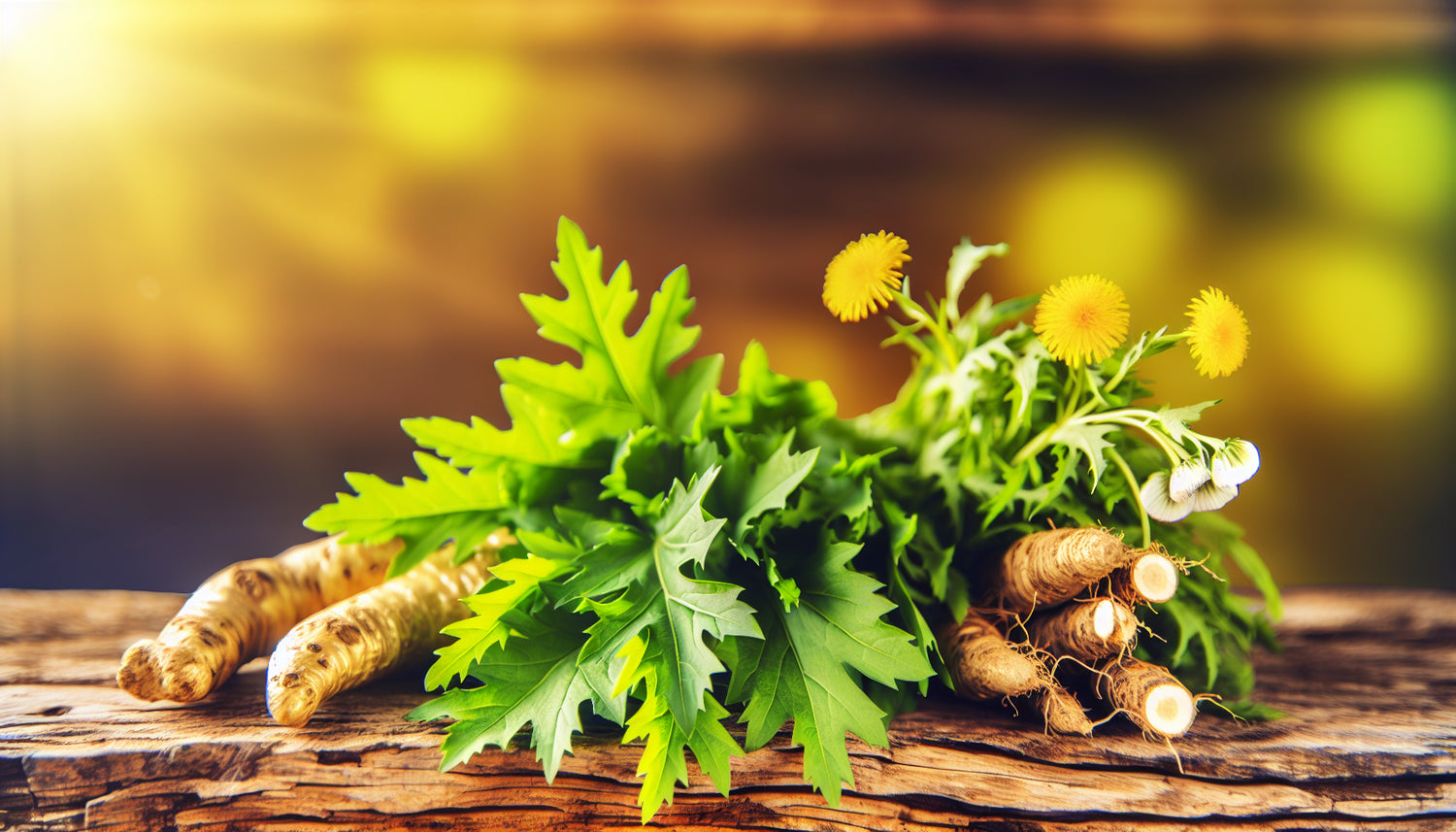
Die Integration von natürlich bitteren Lebensmitteln in den Speiseplan kann ebenfalls unterstützend für das Wohlbefinden wirken. Rucola, Chicorée, Artischocken und Löwenzahnblätter bringen nicht nur Abwechslung auf den Teller, sondern versorgen den Körper auch mit wertvollen Bitterstoffen. Zusammen mit einer glutenfreien oder glutenreduzierten Ernährung und den traditionell geschätzten Bitter-Kräuterprodukten von Bitterkraft kann so ein ganzheitlicher Ansatz zur traditionellen Unterstützung der Darmgesundheit verfolgt werden.
🤖 Das Beitragsbild dieses Artikels wurde mit DALL·E 3 (OpenAI) mithilfe von Künstlicher Intelligenz generiert (gemäß EU AI Act Art. 50 gekennzeichnet).

Hinterlasse einen Kommentar
Diese Website ist durch hCaptcha geschützt und es gelten die allgemeinen Geschäftsbedingungen und Datenschutzbestimmungen von hCaptcha.