





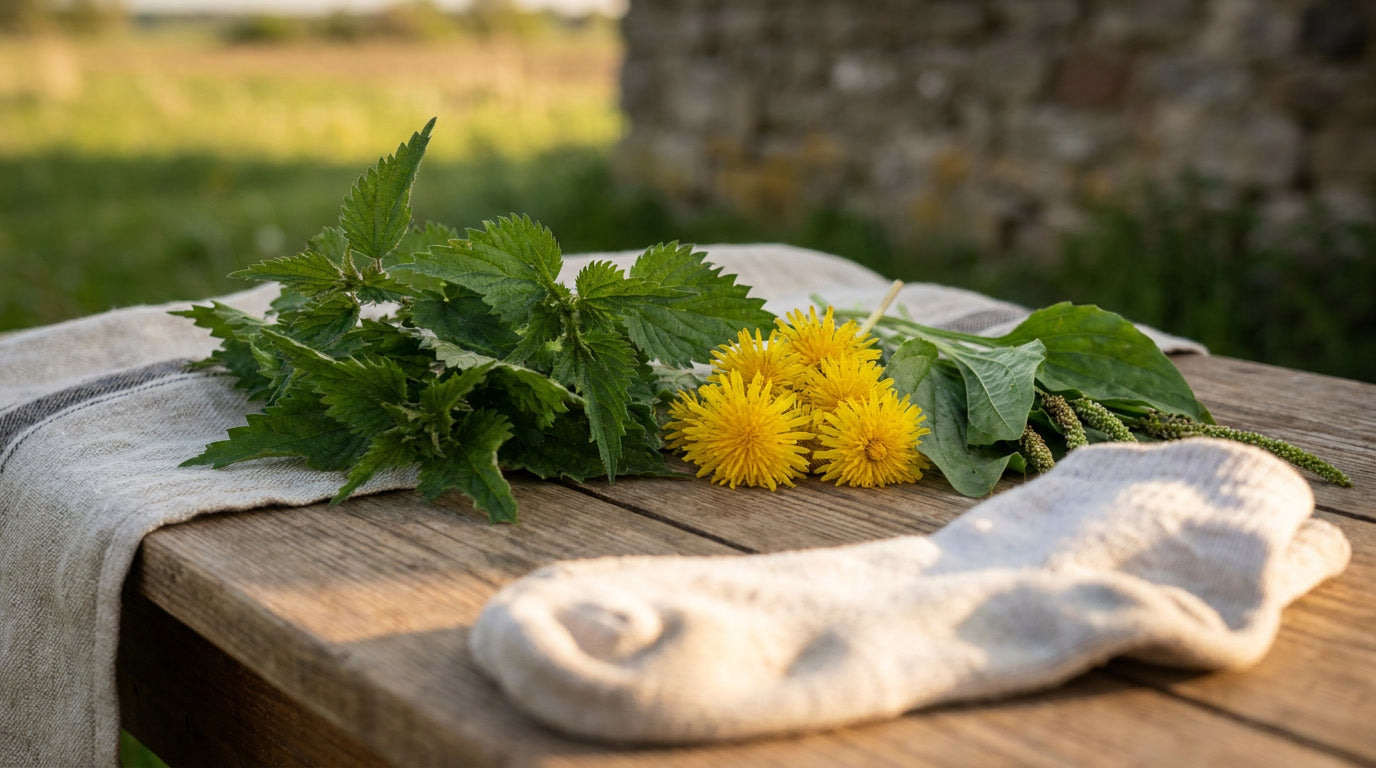
As soon as temperatures rise, many people notice heavy, swollen legs – especially the ankles, which seem to swell noticeably in summer. Anyone who looks at their feet in the evening and sees deep sock marks knows this unpleasant phenomenon all too well. Warm air, prolonged standing or sitting, and physical exertion can contribute to fluid accumulating in the legs and ankles. Natural medicine has a long tradition in this area: Hildegard of Bingen and other monastery healers extensively studied herbs that have been traditionally used for such complaints for centuries. In this article, we present proven plant knowledge—for a lighter, more relaxed summer.
Why are swollen ankles especially common in summer?
The human body reacts to heat in its own unique way. As outdoor temperatures rise, blood vessels dilate to release excess heat through the skin. However, this natural bodily response has a side effect: the vessel walls become more permeable, allowing tissue fluid to more easily leak into the surrounding tissue. This process is fundamentally normal and a sign that the body is functioning—but many people find it annoying and burdensome, especially when standing or sitting for long periods.
Additionally, the venous system is under particular pressure in summer. The so-called venous pump—the interaction of muscle movement and vein walls—works most effectively when we move regularly. Those who sit in an office, have little freedom of movement on long trips, or lie in the sun for hours on vacation give their venous muscles little chance to transport fluid back up. The result: heavy, tired legs and swollen ankles, which become noticeably worse in the evening.
Nutrition also plays a significant role. High salt intake, insufficient drinking, or a one-sided diet can affect the body's balance and contribute to water retention in the tissue. Natural medicine therefore views water retention holistically, considering lifestyle, nutrition, exercise, and herbal support equally. BitterKraft Original
Water retention in the ankles is widespread in summer and usually harmless—but natural medicine knows numerous herbs and rituals that have been traditionally used for centuries to support overall well-being.
The herbal knowledge of Hildegard of Bingen: Historical roots of herbal medicine
Hildegard of Bingen (1098–1179) is considered one of the most important figures in medieval monastic medicine. The Benedictine abbess and polymath left behind comprehensive knowledge about medicinal herbs in her writings, especially in “Physica” and “Causae et Curae,” which remains valued by natural healers worldwide today. Hildegard described plants, stones, animals, and foods in their effects on humans—always within the context of a holistic understanding of body, mind, and soul.
For Hildegard, herbs were not merely remedies in the modern sense but gifts of creation meant to help humans live in harmony with nature. Her concept of “Viriditas”—the green vitality—describes the invigorating, sustaining energy present in all living beings, especially plants. According to Hildegard, humans can use this life force to maintain their inner balance. Herbs were never viewed in isolation but always in conjunction with nutrition, sleep, and emotional well-being. Hildegard of Bingen Products
Particularly interesting in connection with water retention and swollen ankles is Hildegard’s focus on diuretic and draining plants. Her texts mention nettle, lovage, parsley, and other herbs she traditionally recommended to support the body during heat and heaviness. Her recipes and herbal blends were preserved and developed over centuries in monasteries—a living heritage still accessible to us today.
“Nettle is warm and dry and has a healing power. It drives away human sluggishness and makes one lively.” – Hildegard of Bingen, Physica (12th century)
These historical sources are not medical evidence in the modern sense but attest to an age-old observation: certain herbs have been traditionally used for centuries to support general well-being. Monastic medicine was by no means unscientific—it was based on careful observation, experience, and a deep understanding of nature.
These medicinal herbs are traditionally used for water retention
Natural medicine knows a variety of herbs that have been traditionally used for centuries to treat water retention and heavy legs. Many of these plants are native to Europe and were already described in medieval herbals. Today, they are used as teas, tinctures, extracts, or herbal blends and can enrich everyday life in a simple, natural way. all Bitterkraft products
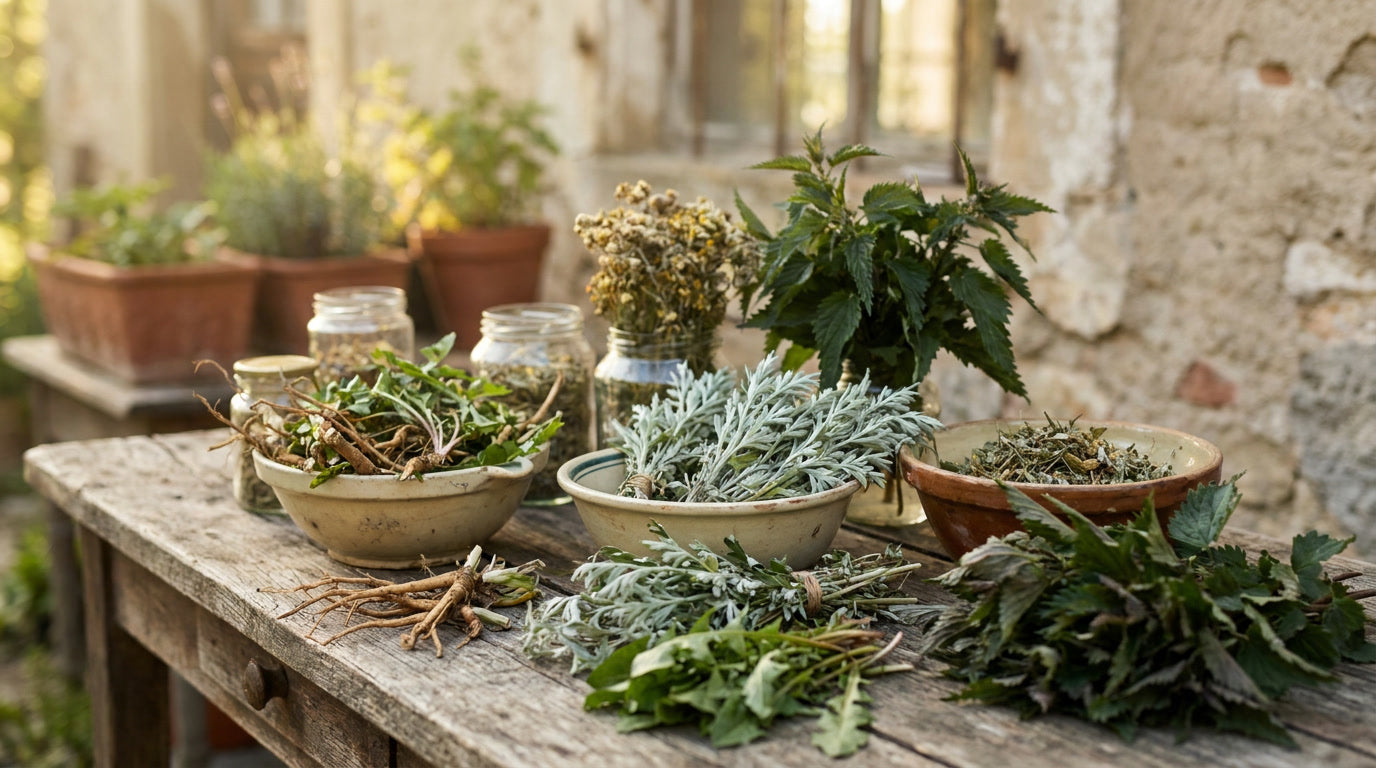
Especially well-known in European herbal tradition are plants valued for their supportive effect on the body's fluid balance. These include classic kitchen herbs like parsley and lovage as well as wild plants like nettle and dandelion. The continued role of these herbs in natural medicine is due in part to their good tolerance, easy availability, and place in a living cultural heritage.
It is important to understand these herbs as a complement to overall well-being—in line with the naturopathic principle “adding instead of subtracting.” Nature offers us a rich selection of plants that we can integrate into our daily lives to feel more vibrant and lighter overall. The following overview shows which herbs are traditionally especially valued.
Traditionally used medicinal herbs for water retention and heavy legs:
- Nettle (Urtica dioica): Nettle is one of the best-known useful plants in European natural medicine and has been traditionally used for centuries to support general well-being. In monastic medicine, it was known as “green gold” and appears in numerous historical herbal recipes.
- Dandelion (Taraxacum officinale): Dandelion has been valued in European herbal tradition since the Middle Ages and traditionally used in spring and summer cures. Both leaves and roots are used in natural medicine and are part of many traditional herbal blends.
- Lovage (Levisticum officinale): Lovage, also called “Maggi herb,” was indispensable in medieval monastery gardens. Hildegard of Bingen mentioned this plant in her writings and valued it as a traditional kitchen and medicinal herb cultivated in Europe for centuries.
- Parsley (Petroselinum crispum): Parsley is one of the oldest cultivated plants in Europe and appears in ancient records as a medicinal herb. In folk medicine, it was traditionally used in herbal teas and is a classic herb of Mediterranean and Northern European herbal traditions.
- Goldenrod (Solidago virgaurea): Goldenrod has been known in European medicinal plant tradition since the Middle Ages and is mentioned in numerous herbal books from the 15th to 18th centuries. It is considered one of the classic herbs of Central European folk medicine and is traditionally used in herbal teas.
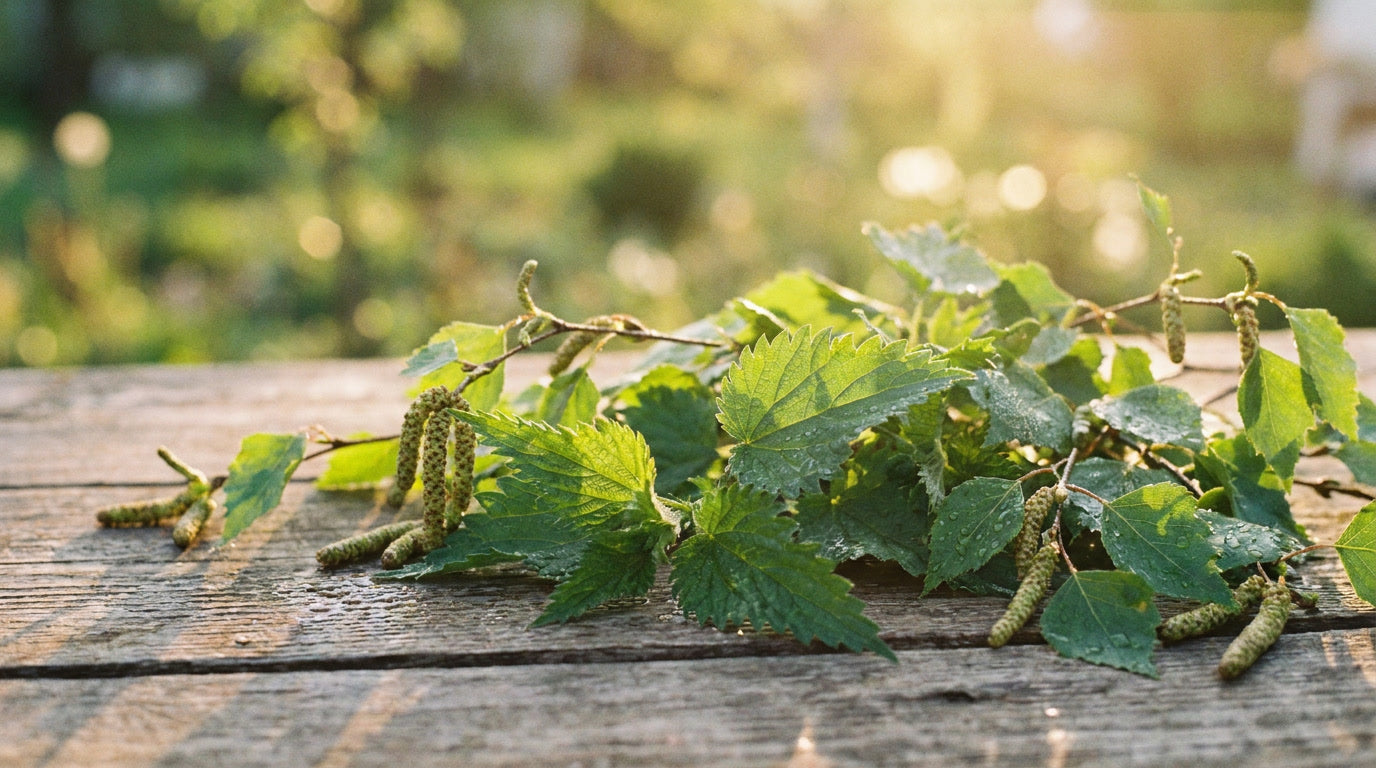
- Birch leaves (Betula pendula): Birch leaves have a long history in Northern European and Germanic medicinal plant tradition. Early medieval writings describe birch products as part of herbal cures; birch leaf teas remain popular in natural medicine today.
What is behind the traditional herbal cures?
Many of the mentioned herbs contain secondary plant compounds such as flavonoids, tannins, and essential oils, known for their special properties in the plant world. In natural medicine, these ingredients are considered part of the holistic plant profile. Important: The use of these herbs serves to enrich daily life and general well-being—they do not replace medical diagnosis or treatment. Persistent complaints should always be evaluated by a doctor.
Herbal teas, herbal baths, and more: Traditional application methods at a glance
Natural medicine knows not just one but many ways to integrate herbs into daily life. Especially for water retention and heavy legs, various application methods have proven effective over the centuries and can be used depending on personal preference and herb availability. The simplest and most well-known form is herbal tea, which can be enjoyed warm or cold and offers a pleasant way to absorb valuable plant substances.
A particularly soothing and ancient method is the herbal bath. Herbal extracts are added to the bathwater, which not only envelops the body pleasantly but also gives the mind a break. Alternating foot baths—warm and cold—are classic treatments for heavy legs in Kneipp therapy and are often combined with herbs like rosemary, peppermint, or lavender. This tradition is deeply rooted in German folk medicine and is still maintained in Kneipp spa towns today. Immune system products
Besides teas and baths, tinctures and herbal extracts also play a role. They have the advantage of being more concentrated and easy to integrate into daily life—for example, as drops in water or juice. Herbal compresses, where cloths soaked in herbal extracts are applied to swollen ankles, are another traditional method passed down through generations. Elevating the legs and regular movement are also integral parts of naturopathic recommendations.
A classic nettle-birch leaf tea, consumed daily in moderation, has been one of the most trusted traditions of European herbal medicine for centuries—and can pleasantly enhance general well-being in summer.
Traditional monastery-style herbal tea recipe:
Mix equal parts dried nettle leaves, birch leaves, and goldenrod. Pour a heaping teaspoon of this mixture with 250 ml of hot water (not boiling, about 90 °C) and let the tea steep for 10 minutes. Strain and drink warm in small sips. This tea can be enjoyed as part of a summer herbal routine. If used regularly, consult your naturopath or doctor.
Holistic summer care: Combining herbal knowledge with lifestyle
Natural medicine views the person as a whole—herbs are therefore only part of a larger puzzle. Those suffering from swollen ankles in summer are well advised to consider other proven measures alongside herbal support. Foremost among these is sufficient movement: walking, swimming, or cycling activate muscles and naturally support circulation. Even a short walk or hike in the morning or evening can noticeably improve overall well-being.
Nutrition also deserves special attention in summer. A plant-rich diet with plenty of fresh vegetables, herbs, and fruit is a staple of naturopathic dietary recommendations. Potassium-rich foods like bananas, tomatoes, or legumes have long been known in folk medicine for their balancing properties. At the same time, it is recommended to reduce processed foods high in salt and instead focus on fresh, natural ingredients. Hildegard’s nutritional concept, which emphasizes easily digestible, seasonal foods and moderate eating, offers valuable inspiration here. Fasting products
Finally, the importance of rest and sleep should not be underestimated. When lying down, tissue fluid can be more easily transported away again—therefore, it is advisable to keep the legs slightly elevated while sleeping. Relaxation rituals such as an evening herbal tea ceremony, a foot bath with fragrant herbs, or a short meditation can help make summer days more mindful and conscious. These rituals are not a luxury but an investment in one’s well-being—in the spirit of monastic medicine, which always viewed humans as a unity of body, mind, and soul. Sleep and relaxation products
Movement, a plant-rich diet, and regular herbal rituals—these three pillars of natural medicine together form the most effective strategy for light, rested legs in summer.
“Nature is the best pharmacy. Whoever knows and uses its offerings lives in harmony with themselves.” – Paracelsus (1493–1541), passed down from his teachings on natural medicine
The good news: many traditional herbs and rituals of natural medicine are easily accessible, well tolerated, and can be effortlessly integrated into daily life. Whether as a morning herbal tea, an herbal bath additive in the evening, or part of a summer fasting week—the variety of options makes it easy to naturally enhance your well-being. Liver products from Bitterkraft
In conclusion, it should be emphasized once again that persistent or severe swelling should always be medically evaluated, as it can rarely indicate serious health problems. Natural medicine sees itself as a complement—a bridge between centuries of knowledge and modern life. Use this knowledge with joy, curiosity, and the necessary respect for your body. With the right herbal knowledge in your pocket, summer can be a wonderfully light, vibrant season.


Leave a comment
This site is protected by hCaptcha and the hCaptcha Privacy Policy and Terms of Service apply.