


Der Frühling ist seit jeher die Zeit der Erneuerung und des Aufbruchs. Nach den langen Wintermonaten sehnt sich unser Körper nach einer sanften Reinigung und einem Neustart. Das Fasten im Frühjahr ist eine jahrhundertealte Tradition, die bereits die heilige Hildegard von Bingen in ihren Schriften würdigte. Sie erkannte die Bedeutung des bewussten Verzichts als Weg zu körperlichem und geistigem Wohlbefinden.
In der heutigen Zeit gewinnt das Frühjahrs-Fasten wieder zunehmend an Bedeutung. Viele Menschen spüren intuitiv, dass der Wechsel der Jahreszeiten ein idealer Zeitpunkt ist, um alte Gewohnheiten loszulassen und neue Energie zu schöpfen. Die Fasten-Produkte Tradition verbindet dabei spirituelle Aspekte mit dem natürlichen Rhythmus unseres Körpers.
Warum gerade im Frühjahr fasten?
Der Frühling markiert in der Natur den Beginn eines neuen Zyklus. Die Pflanzen erwachen aus ihrer Winterruhe, die Tage werden länger und die Lebensenergie steigt. Unser Organismus folgt diesen natürlichen Rhythmen und ist im Frühjahr besonders aufnahmefähig für Veränderungen. Nach den oft üppigen Wintermonaten mit schwererem Essen und weniger Bewegung kann eine Fastenzeit dem Körper helfen, sich zu regenerieren.
Hildegard von Bingen betrachtete das Fasten nicht nur als körperliche Reinigung, sondern als ganzheitlichen Prozess. In ihren Aufzeichnungen beschrieb sie, wie der bewusste Verzicht auf Nahrung Raum für innere Klarheit und spirituelles Wachstum schaffen kann. Besonders die Leber-Produkte wurde in der Hildegard von Bingen Produkte Tradition als zentrales Organ der Reinigung betrachtet, das von einer Fastenzeit profitieren kann.
Kräuter und Bitterstoffe als natürliche Begleiter
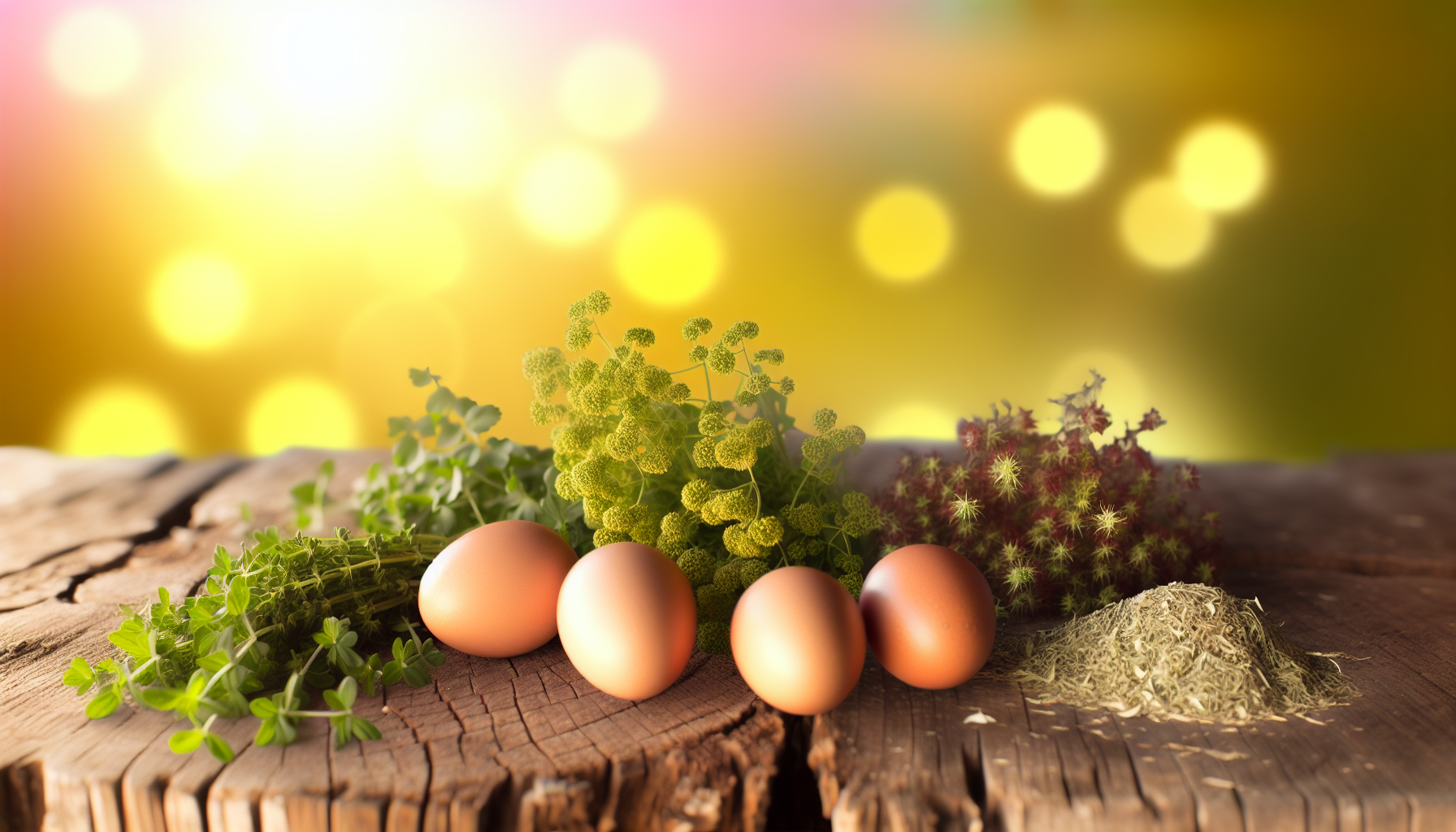
Ein wesentlicher Bestandteil des traditionellen Fastens sind begleitende Naturheilmittel. Besonders BitterKraft! Original Kräuter spielten schon in Hildegards Heilkunde eine wichtige Rolle. Bitterstoffe sind seit Jahrhunderten für ihre reinigenden Eigenschaften geschätzt und werden traditionell zur Unterstützung des Wohlbefindens während Fastenzeiten verwendet.
Zu den klassischen Fastenkräutern gehören:
- Löwenzahn - traditionell geschätzt für seine bitteren Eigenschaften
- Brennnessel - seit jeher bekannt als Frühjahrskraut
- Schafgarbe - in der Volksmedizin lange verwendet
- Wermut - ein klassisches Bitterkraut aus Hildegards Kräuterschatz
Diese Pflanzen können als Tee oder in anderen traditionellen Zubereitungen das Fastenerlebnis bereichern. Wichtig ist dabei immer, auf die Qualität und Reinheit der verwendeten Kräuter zu achten.
Verschiedene Formen des Frühjahrsfastens
Es gibt verschiedene Ansätze für das Fasten im Frühjahr, die sich an unterschiedliche Bedürfnisse anpassen lassen. Das klassische Heilfasten nach Buchinger ist eine bewährte Methode, bei der für einen bestimmten Zeitraum auf feste Nahrung verzichtet wird. Alternativ kann auch das Intervallfasten eine sanfte Einführung darstellen.
Für Einsteiger eignet sich oft ein modifiziertes Fasten mit Säften und Brühen. Hierbei kann der Darm- & Verdauungsprodukte schonend entlastet werden, während der Körper dennoch mit wichtigen Nährstoffen versorgt wird. Besonders Produkte für Frauengesundheit sollten auf die Signale ihres Körpers hören und das Fasten entsprechend anpassen.
Achtsame Vorbereitung und Nachbetreuung
Eine erfolgreiche Fastenzeit beginnt bereits mit der richtigen Vorbereitung. In den Tagen vor dem eigentlichen Fasten sollte die Nahrung schrittweise reduziert und auf leichte, pflanzliche Kost umgestellt werden. Auch das Immunsystem-Produkte System kann von einer sanften Vorbereitung profitieren.
Ebenso wichtig wie das Fasten selbst ist die Zeit danach. Der Übergang zurück zur normalen Ernährung sollte behutsam erfolgen. Viele Menschen berichten, dass sie nach einer Fastenzeit bewusster essen und ihre Geschmackswahrnehmung intensiver wird. Die traditionellen Bitterkräuter können auch in dieser Phase das Wohlbefinden unterstützen.
Das Fasten im Frühjahr bietet eine wunderbare Möglichkeit, Körper und Geist zu erneuern und gestärkt in die warme Jahreszeit zu starten. Wie schon Hildegard von Bingen erkannte, liegt in der bewussten Einfachheit oft der Schlüssel zu größerem Wohlbefinden und innerer Klarheit.


Hinterlasse einen Kommentar
Diese Website ist durch hCaptcha geschützt und es gelten die allgemeinen Geschäftsbedingungen und Datenschutzbestimmungen von hCaptcha.