

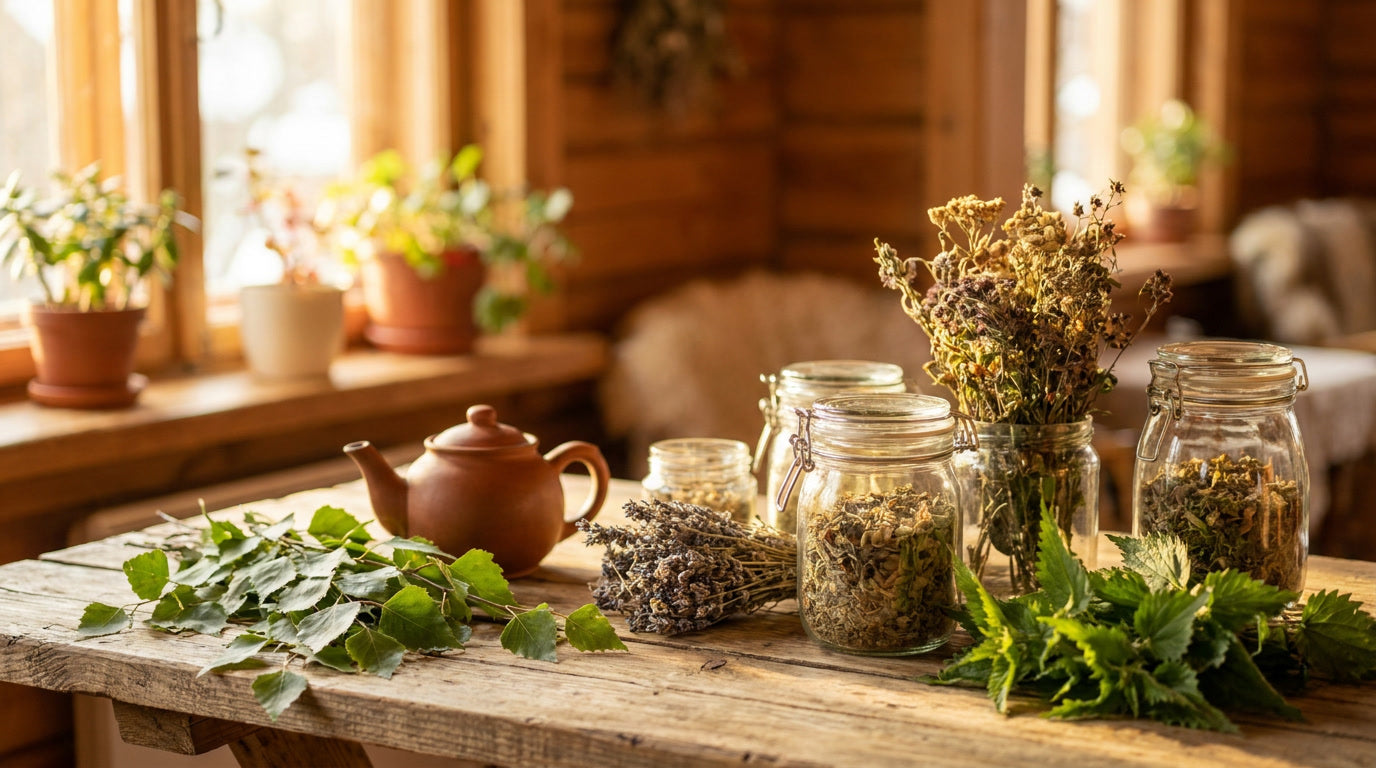
Die Feiertage sind vorbei, die Plätzchendosen leer – und viele Menschen spüren im Januar ein vertrautes Gefühl: Der Körper fühlt sich schwerer an als sonst, die Hosen sitzen enger, und eine merkwürdige Schwere liegt auf Geist und Gemüt. Was in der Volksmedizin seit Jahrhunderten als „Verschlackung" beschrieben wird, hat einen handfesten Alltagshintergrund: Zu viel Salz, zu viel Zucker, zu wenig Bewegung und reichhaltige Mahlzeiten über mehrere Wochen hinterlassen ihre Spuren. Der Körper sammelt Wasser, die Verdauung kommt ins Stocken, und das allgemeine Wohlbefinden leidet. Doch bevor man zum Radikal-Fasten greift oder aufwendige Detox-Kuren plant, lohnt ein Blick zurück – in die Klöster des Mittelalters. Dort wusste man bereits vor über 800 Jahren, wie man den Körper sanft und gezielt in den Januar-Neustart begleitet.
Warum der Körper nach Weihnachten Wasser einlagert
Wassereinlagerungen nach den Feiertagen sind kein Zeichen von Schwäche oder mangelnder Disziplin – sie sind eine natürliche Reaktion des Körpers auf veränderte Ernährungsgewohnheiten. Weihnachtliche Speisen sind oft reich an Natrium: Gepökeltes, Käseplatten, Soßen, Fertiggebäck und würzige Braten enthalten deutlich mehr Salz als eine typische Alltagsernährung. Natrium bindet Wasser im Gewebe, und für jedes Gramm gespeichertes Glykogen – das Kohlenhydrat-Speichermolekül in Muskeln und Leber – werden zusätzlich mehrere Gramm Wasser eingelagert. Das erklärt, warum man nach einer kohlenhydrat- und salzreichen Festzeit buchstäblich schwerer wird, ohne zwangsläufig dauerhaft Fett zugelegt zu haben.
Hinzu kommt die winterliche Bewegungsarmut. Wer sich weniger bewegt, regt die Lymphzirkulation weniger an – das lymphatische System, das maßgeblich am Abtransport von Gewebeflüssigkeit beteiligt ist, arbeitet langsamer. In der Klostermedizin, insbesondere nach den Schriften der Hildegard von Bingen, war die Balance zwischen Bewegung, Ernährung und dem Zustand des Blutes eng miteinander verknüpft. Man sprach vom „Phlegma" – einer Überfülle von wässrigen, trägen Körpersäften, die sich im Winter besonders leicht aufbauten und im Frühjahr oder nach Fastenphasen abgebaut werden sollten.
Interessant ist auch der psycho-emotionale Aspekt: Stress, festliche Aufregung, veränderte Schlafzeiten und sozialer Druck rund um die Feiertage beeinflussen über das Stresshormon Cortisol ebenfalls den Wasserhaushalt. Erhöhte Cortisolspiegel können dazu beitragen, dass der Körper mehr Wasser zurückhält. Die alte Klostermedizin kannte diesen Zusammenhang nicht in biochemischen Begriffen, aber sie wusste intuitiv: Nach Zeiten der Fülle und des Übermaßes braucht der Mensch Ruhe, Einfachheit und klärende Pflanzen.
Wassereinlagerungen nach Weihnachten sind meist eine temporäre Reaktion auf salz- und kohlenhydratreiche Ernährung sowie Bewegungsmangel – kein dauerhafter Zustand. Schon kleine Veränderungen im Alltag können das Gleichgewicht wieder herstellen.
Hildegard von Bingens Kräuterwissen: Was die Klostermedizin über Entwässern wusste
Hildegard von Bingen (1098–1179) gilt als eine der bedeutendsten Persönlichkeiten der mittelalterlichen Heilkunde. Die Äbtissin aus dem Rheingau beschrieb in ihren Hauptwerken „Physica" und „Causae et Curae" eine ganzheitliche Medizin, die Körper, Seele und Geist als untrennbare Einheit betrachtete. Für Hildegard war Gesundheit das Ergebnis einer ausgewogenen Saftbalance im Körper – zu viel oder zu wenig von einem Element führte zu Ungleichgewicht. Der Januar-Zustand nach den Feiertagen hätte sie wohl als Phlegma-Überschuss klassifiziert: ein Übermaß an kalten, feuchten, trägen Qualitäten im Körper.
„Die Galle läutert das Blut des Menschen und macht, dass die anderen Säfte im Menschen in ihrer Ordnung bleiben." – Hildegard von Bingen, Causae et Curae (12. Jahrhundert). Dieses Zitat verdeutlicht, wie zentral der Gedanke der inneren Reinigung und Balance für die Klostermedizin war.
Hildegard empfahl für Zeiten der Überfülle vor allem bittere und harntreibende Kräuter, da diese nach ihrer Auffassung das träge Phlegma aufbrechen und aus dem Körper leiten konnten. Besonders geschätzt waren Pflanzen, die sie dem Prinzip der „Wärme" zuordnete – also Kräuter mit einer aromatischen, leicht scharfen oder bitteren Note, die dem feuchten, kalten Winterzustand entgegenwirken sollten. Diese Einschätzung deckt sich bemerkenswert gut mit dem, was die moderne Kräuterkunde über entwässernd und stoffwechselanregend wirkende Pflanzenstoffe weiß.
Ein weiterer zentraler Aspekt der Klostermedizin war das Prinzip der Einfachheit nach Phasen des Überflusses. Klöster kannten den liturgischen Rhythmus von Fest und Fasten genau – und der Januar begann traditionell eine Phase der Reduktion und inneren Einkehr. Diese wurde nicht nur spirituell, sondern auch körperlich gelebt: einfache Kost, warme Kräutertees, frühes Aufstehen und moderates Gehen. Was heute als „Januar-Detox" vermarktet wird, ist im Grunde nichts anderes als diese alte Klosterpraxis – übersetzt in moderne Sprache.
Die Klostermedizin kannte keinen modernen „Detox-Trend" – aber sie praktizierte seit Jahrhunderten das, was wir heute darunter verstehen: Phasen bewusster Vereinfachung, Kräuterbegleitung und körperlicher Neuausrichtung nach Zeiten der Fülle.
Die wichtigsten traditionellen Entwässerungs-Kräuter aus dem Klostergarten
Im Klostergarten des Mittelalters wuchsen Pflanzen, die seit Jahrhunderten für ihre entwässernden und reinigenden Eigenschaften bekannt waren. Diese Kräuter wurden nicht willkürlich eingesetzt, sondern nach präzisen Überlegungen zu ihrer „Qualität" (warm/kalt, feucht/trocken) und ihrer Wirkung auf die Körpersäfte ausgewählt. Viele dieser Pflanzen sind heute in der modernen Phytotherapie anerkannt und werden traditionell als Beitrag zu Wohlbefinden und Vitalität geschätzt. Es ist bemerkenswert, wie präzise die mittelalterlichen Kräuterkundigen oft lagen – nicht weil sie unsere biochemischen Konzepte kannten, sondern weil sie durch generationenlanges Beobachten und Erfahrungssammeln zu ähnlichen Schlüssen kamen.
Diese Kräuter aus der Klostermedizin werden traditionell zur Entwässerung geschätzt:
- Brennnessel (Urtica dioica): Die Brennnessel ist eines der bekanntesten traditionellen Entwässerungsmittel überhaupt. In der Klostermedizin wurde sie als „reinigendes Frühlingskraut" hochgeschätzt und ist seit Jahrhunderten als traditionelles Mittel zur Unterstützung des allgemeinen Wohlbefindens bekannt.
- Birkenblätter (Betula pendula): Birkenblätter wurden in der Volksmedizin Nordeuropas traditionell als „Frühjahrs-Kur" eingesetzt. Sie gelten historisch als bewährtes Mittel für eine der ältesten Kräuterkuren nach dem Winter.
- Löwenzahn (Taraxacum officinale): Hildegard schätzte den Löwenzahn als bittere Pflanze mit reinigenden Qualitäten. Blätter und Wurzel werden traditionell als Frühjahrskraut verwendet und sind seit langer Zeit fester Bestandteil europäischer Kräutertradition.
- Schachtelhalm (Equisetum arvense): Der Schachtelhalm ist reich an Kieselsäure und wird traditionell seit Jahrhunderten in der europäischen Kräutermedizin als unterstützendes Mittel für das allgemeine Wohlbefinden geschätzt.
- Goldrute (Solidago virgaurea): In der Klostermedizin war die echte Goldrute bekannt als eine der kräftigsten traditionellen Unterstützungspflanzen bei winterlichen Beschwerden und zur allgemeinen Vitalisierung nach Feiertagen.
- Petersilie (Petroselinum crispum): Hildegard von Bingen erwähnte Petersilie explizit in ihren Schriften und schätzte sie als wärmendes, belebendes Küchenkraut, das traditionell seit Jahrhunderten in der Kloster- und Volksmedizin bekannt ist.
Was steckt hinter diesen Kräutern?
Die genannten Pflanzen enthalten eine Vielzahl von sekundären Pflanzenstoffen – Flavonoide, Gerbstoffe, ätherische Öle, Bitterstoffe und Mineralsalze – die seit Jahrhunderten in der traditionellen Kräutermedizin genutzt werden. Ihre Anwendung folgt dem Prinzip der Ergänzung und Bereicherung des Alltags, nicht der Behandlung von Krankheiten. Als Tees, Tinkturen oder in Nahrungsergänzungsmitteln eingenommen, können sie Teil eines bewussten Lebensstils im Sinne der alten Klostermedizin sein.
Besonders die Kombination mehrerer dieser Kräuter – wie es in der klösterlichen Praxis üblich war – gilt traditionell als besonders wertvoll. Statt einzelner Pflanzen stellten Klostermedizinerinnen wie Hildegard komplexe Kräutermischungen zusammen, die sich in ihrer Wirkweise ergänzten. Diese Weisheit findet sich heute in vielen traditionellen Kräuterpräparaten wieder. BitterKraft Original
Januar-Rituale: So lässt sich das klösterliche Detox-Prinzip in den Alltag integrieren
Das Schöne an der klösterlichen Herangehensweise ist ihre Alltagstauglichkeit. Es braucht keine aufwendige Ausrüstung, keine teuren Präparate und keine radikalen Einschränkungen. Der Kern des klösterlichen Januar-Detox ist vielmehr eine bewusste Rückkehr zur Einfachheit: weniger Salz, mehr Wasser, wärmende Kräutertees am Morgen, moderate Bewegung und frühere Schlafenszeiten. Diese Prinzipien klingen banal – und das sind sie auch, denn ihre Wirkung entsteht nicht aus einzelnen Superhelden-Maßnahmen, sondern aus der konsequenten, ruhigen Wiederholung über Wochen.
Ein konkretes Morgenritual nach klösterlichem Vorbild könnte so aussehen: Beginnen Sie den Tag mit einem großen Glas warmem Wasser, dem Sie frischen Zitronensaft und eine Prise Ingwerpulver hinzufügen – beides waren Hildegard sehr vertraute Zutaten. Anschließend ein Tee aus Brennnessel und Birkenblättern, langsam getrunken, am besten im Sitzen und ohne Ablenkung. Das klingt einfach, ist aber ein gezieltes Signal an den Körper: „Der Tag beginnt mit Ruhe und Fürsorge." Dieses Ritual kann das allgemeine Wohlbefinden auf eine stille, aber nachhaltige Weise unterstützen.
Das klösterliche Januar-Programm auf einen Blick:
Morgens: Warmes Wasser mit Zitrone + Kräutertee (Brennnessel, Birke oder Goldrute)
Mittags: Leichte, salzarme Kost – Suppen, gedünstetes Gemüse, Hülsenfrüchte
Nachmittags: Bewegung an der frischen Luft – auch kurze Spaziergänge aktivieren das Lymphsystem
Abends: Bitterstoff-Tee oder -Tropfen vor dem Abendessen, frühe Schlafenszeit
Generell: Deutliche Reduktion von verarbeiteten Lebensmitteln, Alkohol und Süßem für mindestens 2–3 Wochen
Wichtig ist das Prinzip des „Hinzufügens statt Weglassens": Anstatt sich auf das zu fokussieren, was man nicht mehr essen darf, ergänzt man den Alltag um wohltuende, traditionell bewährte Elemente. Ein Glas Wasser mehr. Ein Kräutertee als Kaffeepause. Ein kurzer Spaziergang statt der dritten Stunde auf dem Sofa. Diese Additionsstrategie ist psychologisch klüger und nachhaltiger als ein striktes Verbots-Regime. Die Klostermedizin hat das intuitiv verstanden – und deshalb haben ihre Rhythmen und Rituale Jahrhunderte überdauert. Fasten-Produkte
Das Geheimnis des klösterlichen Januar-Detox liegt nicht in radikalen Maßnahmen, sondern in der konsequenten, ruhigen Wiederholung kleiner, bewusster Rituale – Tag für Tag, Tasse für Tasse.
Leber-Produkte von Bitterkraft
Bitterkräuter: Der unterschätzte Schlüssel zur inneren Balance nach den Festtagen
Unter allen Heilpflanzen der Klostermedizin nehmen die Bitterkräuter eine besondere Stellung ein. Hildegard von Bingen beschrieb bitter schmeckende Pflanzen als „klärend" und „ordnend" – sie sollten das träge Phlegma des Winters aufbrechen und dem Körper helfen, wieder in sein natürliches Gleichgewicht zu finden. In der modernen Ernährungswelt sind Bitterstoffe nahezu verschwunden: Zucht und Verarbeitung haben das Bittere aus Gemüse, Salaten und Getränken weitgehend eliminiert. Was früher in jedem Klostergarten wuchs – Wegwarte, Enzian, Wermut, Artischocke –, ist heute kaum mehr Teil unserer Alltagsernährung.
Dabei ist das Bittere in der traditionellen Medizin aller Kulturen als wertvoll anerkannt. In der Ayurvedischen Medizin, der Traditionellen Chinesischen Medizin und eben der europäischen Klostermedizin galten Bitterstoffe als besonders wichtig für die innere Balance. Sie werden seit Jahrhunderten traditionell eingesetzt und sind in vielen Klosterapotheken als fester Bestandteil von Kuren nach Festzeiten überliefert. Wermut-Essenzen, Enziantropfen und Artischocken-Extrakte fanden sich in den Rezeptbüchern der Klöster genauso wie in den Hausmitteln der ländlichen Bevölkerung.
Die Bedeutung von Bitterstoffen in der traditionellen europäischen Medizin ist in zahlreichen historischen Quellen dokumentiert. Das „Arzneibuch" des Benediktinermönchs Walahfrid Strabo (809–849) sowie Hildegards Physica beschreiben bittere Pflanzen als unverzichtbaren Teil jeder klösterlichen Heilkunde. Diese Tradition der Bitterstoff-Nutzung reicht in Europa über 1.000 Jahre zurück.
Diese Bitterkräuter sind traditionell für die innere Balance bekannt:
- Enzian (Gentiana lutea): Der gelbe Enzian gilt als einer der intensivsten Bitterstoffe der europäischen Pflanzenwelt. Er ist seit Jahrhunderten in der Kloster- und Volksmedizin als traditionelles Bittermittel bekannt und wird noch heute in vielen Kräuterlikören und -tropfen verwendet.
- Wermut (Artemisia absinthium): Hildegard von Bingen erwähnte Wermut ausdrücklich als bedeutende Heilpflanze. Er wird traditionell seit der Antike verwendet und ist ein klassisches Element europäischer Bitterkräuter-Tradition.
- Artischocke (Cynara scolymus): Die Artischocke enthält Cynarin, einen Bitterstoff, der in der traditionellen Kräutermedizin seit Jahrhunderten geschätzt wird. Besonders nach reichen Mahlzeiten hat sie sich als traditionelles Volksheimittel etabliert.
- Wegwarte (Cichorium intybus): Hildegard kannte und schätzte die Wegwarte als Gartenpflanze mit bitteren Qualitäten. Sie ist traditionell bekannt als Frühjahrskraut und war fester Bestandteil mittelalterlicher Klostergärten.
- Tausendgüldenkraut (Centaurium erythraea): Trotz seines bescheidenen Äußeren gehört das Tausendgüldenkraut zu den klassischen Bitterpflanzen der europäischen Kräutermedizin und wird traditionell seit dem Mittelalter verwendet.
Die Integration von Bitterstoffen in den Januar-Alltag muss nicht kompliziert sein. Ein Schuss Bitterkräuter-Tropfen ins Wasser vor dem Abendessen, ein Tee aus Wermut und Tausendgüldenkraut, oder einfach bewusst bitterstofffreiches Gemüse wie Radicchio, Chicorée oder Rucola in die Mahlzeiten integrieren – all das sind Wege, das Wissen der Klostermedizin lebendig zu halten. BitterKraft Original
Bewegung, Schlaf und Stille: Die übersehenen Säulen des klösterlichen Neujahrsstarts
Kräuter allein machten noch keine klösterliche Kur. Hildegard von Bingen und ihre Zeitgenossen wussten, dass der Mensch als Ganzes betrachtet werden muss: Körper, Geist und Seele wirken untrennbar zusammen. Wer im Januar wirklich einen Neustart erleben möchte, sollte daher nicht nur die Ernährung anpassen, sondern auch Schlaf, Bewegung und die Qualität der Ruhezeiten in den Blick nehmen. In Klöstern strukturierte der Tagesrhythmus – die sogenannte „Hora" – jeden Tag in Phasen der Arbeit, des Gebets, der Stille und des Schlafes. Diese Regelmäßigkeit selbst hatte heilsamen Charakter.
Regelmäßige, moderate Bewegung ist im Januar besonders wertvoll: nicht als Strafmaßnahme für weihnachtliche Ausschweifungen, sondern als freudvolles Wiederbegegnen mit dem eigenen Körper. Schon 30 Minuten tägliches Gehen an der frischen Luft – wenn möglich im Wald oder in der Natur – wirken dem lymphatischen Stau entgegen. Die klösterliche Tradition der „Spaziermeditation" oder des stillen Gartengangs war kein Luxus, sondern fester Bestandteil der Gesundheitspflege. Gleichzeitig ist ausreichender Schlaf im Januar wichtiger denn je: Der Körper nutzt die Nacht zur Regeneration, und wer zu wenig schläft, lädt Wassereinlagerungen und allgemeine Schwere regelrecht ein. Schlaf- und Entspannungsprodukte
Schließlich ist die bewusste Stille ein oft unterschätzter Faktor. Die Feiertage sind laut, sozial intensiv und manchmal emotional aufreibend. Der Januar bietet die Chance, diese Energie wieder zu zentrieren. In der Klostermedizin war die Seele kein abstraktes Konzept, sondern ein Einflussfaktor auf die körperliche Gesundheit – genau so, wie wir es heute im Bereich der Psychosomatik kennen. Schreibmeditation, kurze Auszeiten, bewusstes Ausschalten von Bildschirmen am Abend: Diese kleinen Interventionen können das allgemeine Wohlbefinden auf eine Weise unterstützen, die kein Kräutertee allein erreichen kann.
Ganzheitlicher Januar-Neustart nach klösterlichem Vorbild:
Die Klostermedizin lehrte uns: Wahre Erneuerung entsteht nicht durch eine einzelne Maßnahme, sondern durch das harmonische Zusammenspiel von Ernährung, Kräutern, Bewegung, Schlaf und Stille. Wer den Januar als eine Art persönliche „Klosterzeit" begreift – bewusster, ruhiger, einfacher –, wird wahrscheinlich mehr davon mitnehmen als von jeder kurzfristigen Radikal-Kur.
Das Schöne daran: Diese Weisheit ist zeitlos. Sie kostet kein Geld, braucht keine App und verlangt keine besondere Ausrüstung. Sie braucht nur eines – die Bereitschaft, im lautesten Monat des Jahres (dem Januar mit seinen Vorsätzen und Versprechen) innezuhalten und auf die leisen, bewährten Stimmen der alten Kräuterkundigen zu hören. Hildegard von Bingen hätte dem, da sei sicher, kräftig zugestimmt. Hildegard von Bingen Produkte Immunsystem-Produkte


Hinterlasse einen Kommentar
Diese Website ist durch hCaptcha geschützt und es gelten die allgemeinen Geschäftsbedingungen und Datenschutzbestimmungen von hCaptcha.