

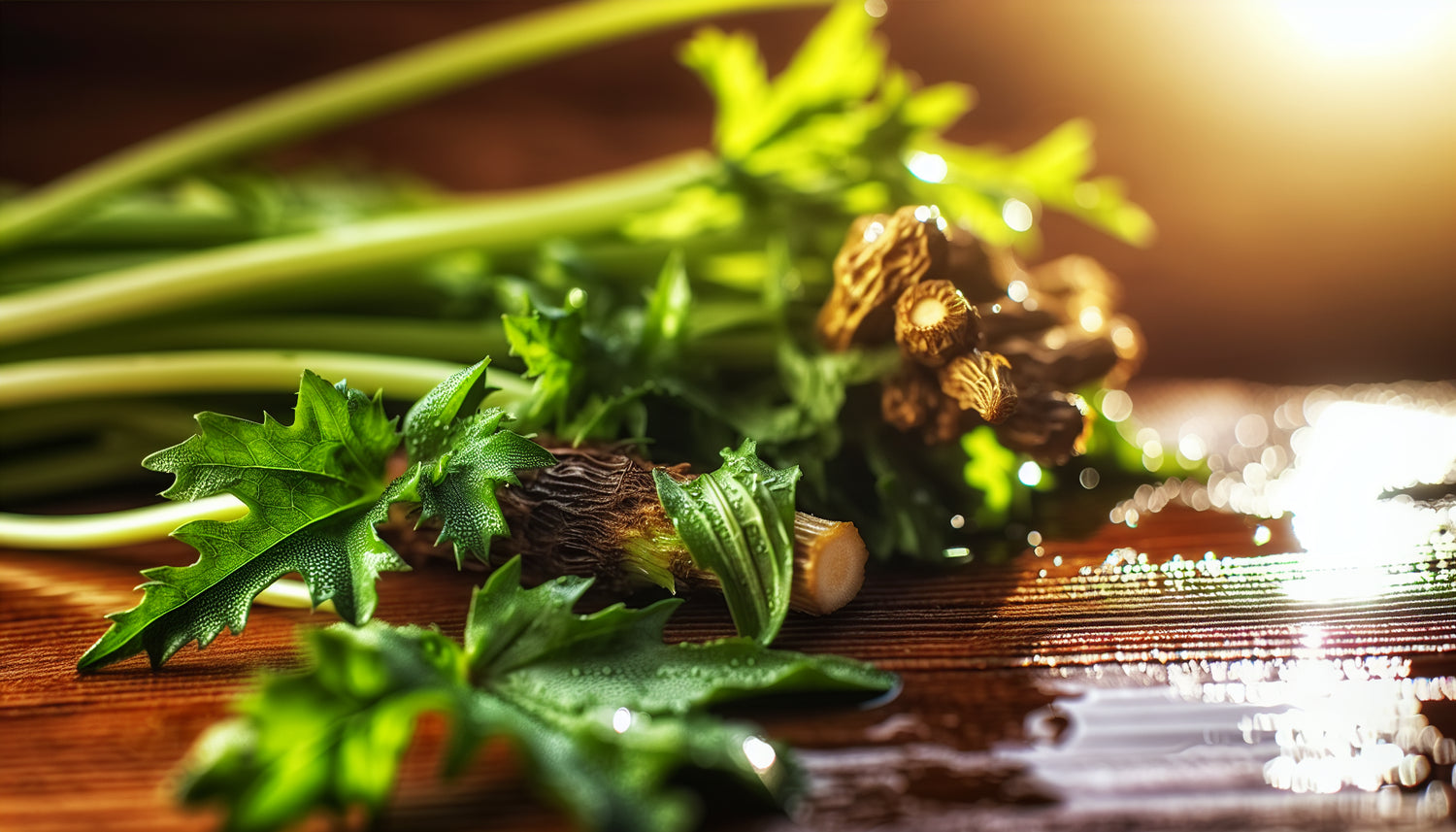
Unser Geschmackssinn ist weit mehr als nur eine einfache Sinneswahrnehmung – er ist ein komplexes neurologisches System, das direkt mit unserem Belohnungssystem und unserer Sättigung verknüpft ist. Besonders faszinierend ist dabei die Rolle des Neurotransmitters Dopamin und sein Zusammenspiel mit bitteren Geschmackserlebnissen. Bereits Hildegard von Bingen erkannte die besondere Bedeutung BitterKraft Original für unser Wohlbefinden und beschrieb in ihren Schriften, wie diese speziellen Pflanzenstoffe das natürliche Gleichgewicht im Körper unterstützen können.
📋 Inhaltsverzeichnis
Das Dopaminsystem: Unser natürlicher Belohnungsmechanismus
Dopamin fungiert als einer der wichtigsten Botenstoffe in unserem Gehirn und steuert maßgeblich unser Belohnungs- und Motivationssystem. Wenn wir Nahrung zu uns nehmen, wird normalerweise Dopamin ausgeschüttet, um uns ein Gefühl der Zufriedenheit zu vermitteln. Dieser evolutionär entwickelte Mechanismus sollte ursprünglich sicherstellen, dass wir ausreichend Nährstoffe aufnehmen und gleichzeitig erkennen, wann wir genug haben.
In unserer modernen Welt jedoch wird dieses fein abgestimmte System häufig durcheinandergebracht. Industriell verarbeitete Lebensmittel mit hohen Zucker- und Fettanteilen können zu einer übermäßigen Dopaminausschüttung führen, wodurch unser natürliches Sättigungsgefühl gestört wird. Dies erklärt, warum viele Menschen Schwierigkeiten haben, bei verarbeiteten Snacks und süßen Leckereien das richtige Maß zu finden.
Bittere Pflanzenstoffe hingegen werden seit Jahrhunderten in der traditionellen Kräuterkunde geschätzt und sind bekannt für ihre Rolle bei der Geschmacksvielfalt unserer Ernährung. Diese subtilen Geschmacksnuancen können dazu beitragen, dass wir wieder mehr Aufmerksamkeit für die Signale unseres Körpers entwickeln und bewusster genießen.
Bittere Geschmacksrezeptoren: Mehr als nur Warnsystem
Lange Zeit galt der bittere Geschmack hauptsächlich als Warnsignal vor potenziell giftigen Substanzen. Neuere Forschungen zeigen jedoch, dass bittere Geschmacksrezeptoren weit komplexere Funktionen erfüllen. Sie befinden sich nicht nur auf der Zunge, sondern im gesamten Verdauungstrakt und sogar in anderen Organen. Diese Rezeptoren fungieren als wichtige Kommunikatoren zwischen Nahrungsaufnahme und hormoneller Regulation.
Wissenschaftliche Untersuchungen haben gezeigt, dass beim Kontakt mit bitteren Pflanzenstoffen eine Kaskade von Signalen in Gang gesetzt werden kann, die weit über den reinen Geschmackseindruck hinausgeht. Studien beschreiben die Ausschüttung von Sättigungshormonen wie GLP-1 und Cholecystokinin, die dem Gehirn signalisieren können, dass ausreichend Nahrung aufgenommen wurde. Gleichzeitig kann die Produktion von Verdauungssekreten stimuliert werden.
Hildegard von Bingen beschrieb diese Zusammenhänge bereits vor über 800 Jahren in ihrer eigenen Sprache. Sie betonte, wie Hildegard von Bingen Produkte traditionell zur Harmonisierung verwendet wurden und seit jeher für ihr besonderes Geschmackserlebnis geschätzt werden. Ihre Beobachtungen decken sich erstaunlich mit den heutigen wissenschaftlichen Erkenntnissen über die neurobiologischen Prozesse.
Die Hildegard'sche Perspektive auf Bitterstoffe und Verdauung
In Hildegards ganzheitlichem Verständnis waren bittere Pflanzen keine isolierten Wirkstoffe, sondern integraler Bestandteil einer ausgewogenen Ernährung. Sie erkannte, dass diese Pflanzen traditionell nicht nur für ihre geschmacklichen Eigenschaften geschätzt wurden, sondern auch für ihr Potenzial, das emotionale und geistige Wohlbefinden zu beeinflussen. Diese Sichtweise entspricht verblüffend den heutigen Erkenntnissen über die Darm-Hirn-Achse und den Einfluss der Verdauung auf unser Nervensystem.
Besonders bemerkenswert ist Hildegards Betonung des rechten Maßes beim Essen. Sie beschrieb, wie bestimmte Darm- und Verdauungsprodukte traditionell verwendet wurden, um die Aufmerksamkeit für natürliche Körpersignale zu schärfen. Diese historische Weisheit gewinnt heute neue Relevanz, da wir verstehen, wie bittere Geschmacksrezeptoren tatsächlich an verschiedenen Körperprozessen beteiligt sein können.
Die von Hildegard häufig erwähnten Pflanzen wie Wermut, Enzian oder Löwenzahn enthalten komplexe Bitterstoffprofile, die seit Jahrhunderten für ihre charakteristischen Geschmackseigenschaften bekannt sind. Diese Vielfalt an bioaktiven Verbindungen wird traditionell geschätzt und kann zu einem bewussteren Geschmackserlebnis beitragen.
Praktische Integration: Bitterstoffe für ein natürliches Sättigungsgefühl
Die Integration von Bitterstoffen in den Alltag muss nicht kompliziert sein. Bereits kleine Mengen vor oder nach den Mahlzeiten werden traditionell verwendet, um das Geschmackserlebnis zu bereichern. Historisch werden bittere Kräuter als Tee, Tinktur oder in Form von Kräutermischungen geschätzt. Wichtig ist dabei die Regelmäßigkeit, da sich unser Geschmackssinn erst an die bitteren Signale gewöhnen muss.
Ein besonderer Vorteil liegt darin, dass BitterKraft Original traditionell nicht nur für das charakteristische Geschmackserlebnis geschätzt wird, sondern auch als Begleitung zu den Mahlzeiten verwendet werden kann. Dies kann zu einer bewussteren Wahrnehmung der Nahrungsaufnahme und einem stabileren Energielevel führen, was sich positiv auf das allgemeine Wohlbefinden auswirken kann.
Die moderne Neurowissenschaft bestätigt damit viele der traditionellen Anwendungen, die Hildegard und andere Naturheilkundige über Jahrhunderte praktizierten. Indem wir diese alten Weisheiten mit heutigem Wissen verbinden, können wir ein tieferes Verständnis für die komplexen Zusammenhänge zwischen Geschmack, Neurobiologie und Wohlbefinden entwickeln. So wird deutlich, dass bittere Pflanzen weit mehr sind als nur Geschmacksträger – sie sind seit jeher geschätzte Begleiter für ein bewusstes Genusserlebnis.
🤖 Das Beitragsbild dieses Artikels wurde mit DALL·E 3 (OpenAI) mithilfe von Künstlicher Intelligenz generiert (gemäß EU AI Act Art. 50 gekennzeichnet).



Hinterlasse einen Kommentar
Diese Website ist durch hCaptcha geschützt und es gelten die allgemeinen Geschäftsbedingungen und Datenschutzbestimmungen von hCaptcha.