

Blähungen nach ballaststoffreicher Kost: Traditionelle Verwendung ätherischer Öle bei ballaststoffreicher Kost
Eine ballaststoffreiche Ernährung gilt als Grundstein für eine gesunde Verdauung und wird von Ernährungsexperten weltweit empfohlen. Doch gerade beim Umstieg auf eine faserreiche Kost können unangenehme Blähungen entstehen, die das Wohlbefinden erheblich beeinträchtigen. Die Ursache liegt oft in der ungewohnten Belastung des Verdauungssystems, das sich erst an die erhöhte Menge an Ballaststoffen anpassen muss. Bereits Hildegard von Bingen erkannte die Bedeutung ätherischer Öle für die Verdauung und nutzte die Kraft der Bitterstoffe zur traditionellen Verwendung im Magen-Darm-Bereich.
📋 Inhaltsverzeichnis
Warum Ballaststoffe zu Blähungen führen können
Ballaststoffe sind unverdauliche Pflanzenbestandteile, die erst im Dickdarm von den dort ansässigen Bakterien fermentiert werden. Dieser natürliche Prozess ist grundsätzlich erwünscht, da er zur Bildung wertvoller kurzkettiger Fettsäuren führt. Bei einer plötzlichen Erhöhung der Ballaststoffzufuhr kann jedoch eine verstärkte Gasbildung auftreten, da die Darmflora Zeit benötigt, um sich an die veränderte Nahrungszusammensetzung anzupassen.
Besonders problematisch sind oft Hülsenfrüchte, Kohlgemüse und Vollkornprodukte, die reich an komplexen Kohlenhydraten sind. Diese werden von bestimmten Darmbakterien besonders intensiv fermentiert, was zu einer erhöhten Produktion von Gasen wie Wasserstoff, Methan und Kohlendioxid führt. Das Ergebnis sind die typischen Beschwerden wie Völlegefühl, Bauchkrämpfe und unangenehme Blähungen.
Die traditionelle Heilkunde zeigt, was bereits seit Jahrhunderten bekannt ist: Eine langsame Gewöhnung des Darm- und Verdauungsprodukte an ballaststoffreiche Kost ist der Schlüssel zu einer beschwerdefreien Verdauung. Dabei spielen verdauungsfördernde Substanzen eine wichtige Rolle, um den Anpassungsprozess zu begleiten.
Die Kraft der ätherischen Bitter-Öle nach Hildegard
Hildegard von Bingen, die große Universalgelehrte des Mittelalters, schätzte ätherische Öle mit bitteren Eigenschaften besonders für ihre traditionell geschätzten Qualitäten im Verdauungsbereich. Sie erkannte, dass bestimmte Pflanzenöle traditionell für das Wohlbefinden verwendet werden und seit Jahrhunderten zur Begleitung der Nahrungsaufnahme geschätzt werden.
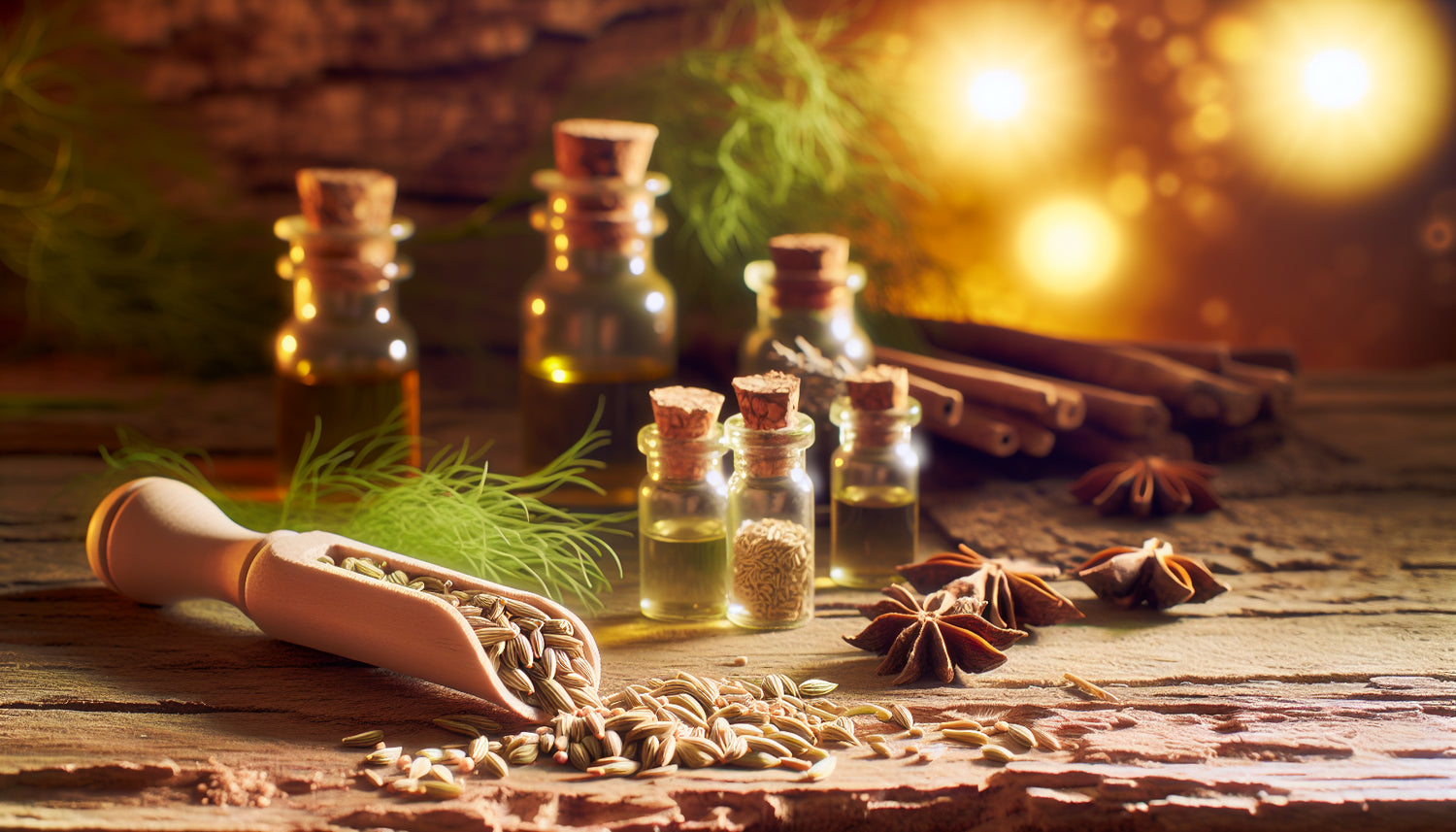
Zu den von Hildegard von Bingen Produkte besonders geschätzten ätherischen Ölen gehören Fenchel, Kümmel und Anis. Diese Öle enthalten Verbindungen wie Anethol und Carvon, die seit Jahrhunderten für ihre traditionell geschätzten Eigenschaften bekannt sind. Die Bitter-Öle werden traditionell für das Wohlbefinden verwendet und sind seit Jahrhunderten zur Förderung des allgemeinen Wohlbefindens geschätzt.
Traditionell betrachtet werden diese ätherischen Öle auf verschiedenen Ebenen verwendet: Sie sind bekannt für ihre sanften Eigenschaften und werden traditionell zur Begleitung der natürlichen Verdauungsprozesse verwendet. Dabei ist ihre traditionell geschätzte Milde besonders wertvoll, da sie seit Jahrhunderten zur Förderung des Wohlbefindens eingesetzt werden.
Praktische Anwendung ätherischer Bitter-Öle
Die traditionelle Anwendung ätherischer BitterKraft Original erfolgt meist in Form von Tees, wobei die getrockneten Samen oder Früchte mit heißem Wasser übergossen werden. Ein klassischer Verdauungstee aus Fenchel, Kümmel und Anis wird traditionell nach ballaststoffreichen Mahlzeiten für das Wohlbefinden verwendet. Die ätherischen Öle lösen sich dabei im heißen Wasser und können so ihre traditionell geschätzten Eigenschaften entfalten.
Eine weitere bewährte Methode ist die Anwendung als Bauchmassage mit verdünnten ätherischen Ölen. Dabei werden wenige Tropfen des ätherischen Öls mit einem Trägeröl wie Mandelöl vermischt und in kreisenden Bewegungen im Uhrzeigersinn auf den Bauch aufgetragen. Diese Technik kombiniert die traditionell geschätzten Eigenschaften der ätherischen Öle mit der entspannenden Massage der Bauchregion.
Wichtig ist dabei stets die richtige Dosierung und Verdünnung, da ätherische Öle hochkonzentrierte Pflanzenauszüge sind. Bei empfindlichen Personen sollte zunächst mit geringen Mengen begonnen werden, um die individuelle Verträglichkeit zu testen. Die regelmäßige Anwendung nach den Mahlzeiten wird traditionell bei der Gewöhnung an eine ballaststoffreichere Ernährung geschätzt.
Ganzheitlicher Ansatz für eine beschwerdefreie Verdauung
Die Verwendung ätherischer Bitter-Öle wird idealerweise in einen ganzheitlichen Ansatz zur Verdauungsförderung eingebettet. Dazu gehört eine schrittweise Erhöhung der Ballaststoffzufuhr, um dem Verdauungssystem Zeit zur Anpassung zu geben. Statt von heute auf morgen große Mengen Vollkorn und Hülsenfrüchte zu konsumieren, empfiehlt sich eine behutsame Steigerung über mehrere Wochen.
Ausreichend Flüssigkeitszufuhr spielt ebenfalls eine entscheidende Rolle, da Ballaststoffe Wasser binden und für ihre optimale Wirkung darauf angewiesen sind. Mindestens zwei Liter Wasser oder ungesüßte Kräutertee täglich begleiten die Verdauung und können zur Vorbeugung von Verstopfungen beitragen, die oft mit Blähungen einhergehen.
Regelmäßige Bewegung und eine entspannte Essatmosphäre runden den ganzheitlichen Ansatz ab. Wie bereits Hildegard von Bingen erkannte, ist die Verdauung ein komplexer Prozess, der Körper, Geist und Seele gleichermaßen einbezieht. Die Kombination aus traditionellem Kräuterwissen, modernen Ernährungserkenntnissen und bewussten Lebensgewohnheiten wird seit Jahrhunderten geschätzt, um auch bei ballaststoffreicher Kost ein angenehmes Wohlbefinden zu bewahren.
🤖 Das Beitragsbild dieses Artikels wurde mit DALL·E 3 (OpenAI) mithilfe von Künstlicher Intelligenz generiert (gemäß EU AI Act Art. 50 gekennzeichnet).


Hinterlasse einen Kommentar
Diese Website ist durch hCaptcha geschützt und es gelten die allgemeinen Geschäftsbedingungen und Datenschutzbestimmungen von hCaptcha.