

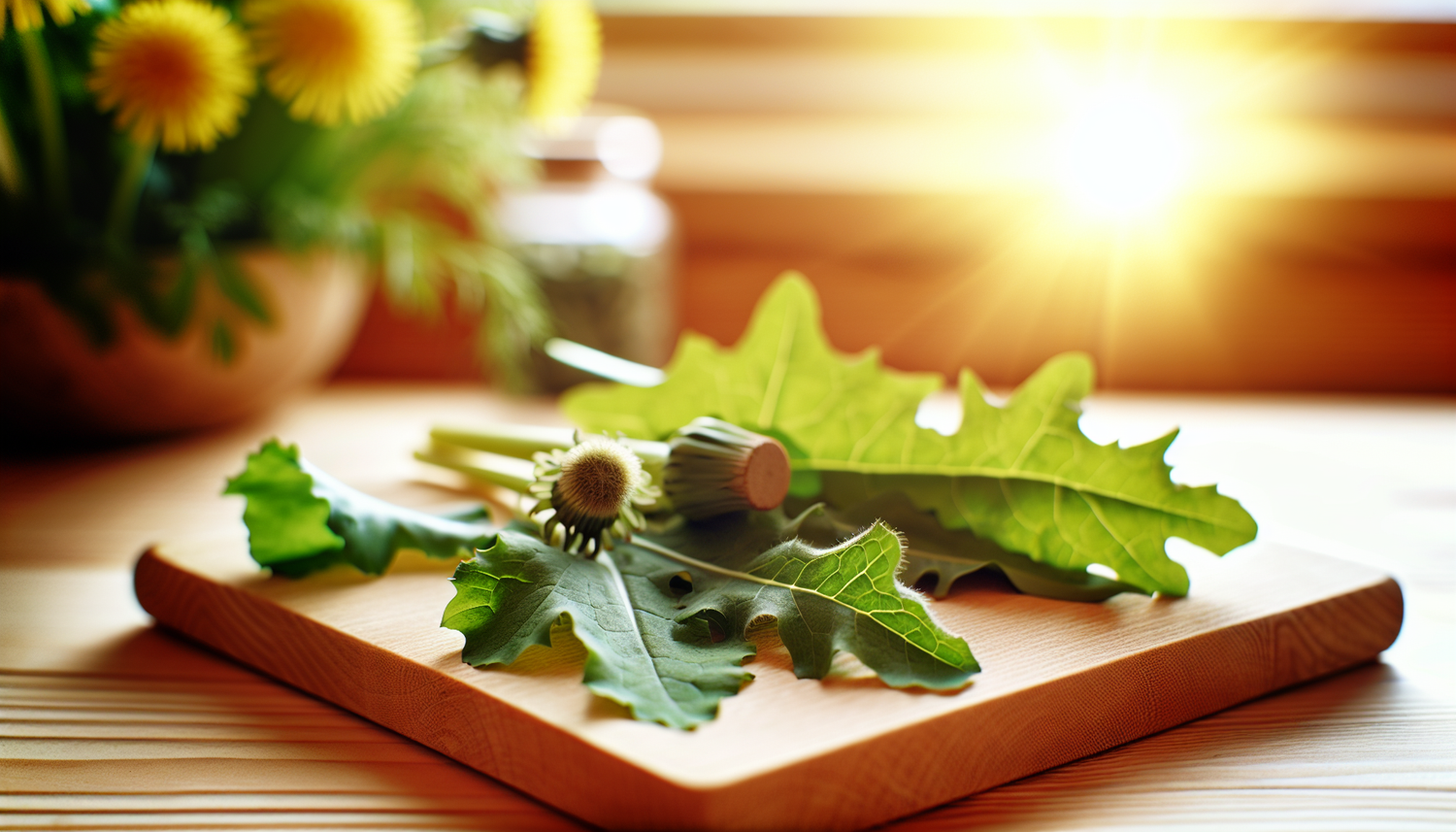
In unserer modernen Ernährung haben wir uns immer weiter von einem wichtigen Geschmack entfernt: dem Bitteren. Was früher selbstverständlicher Teil unserer Nahrung war, ist heute fast völlig aus unseren Küchen verschwunden. Dabei wussten bereits unsere Vorfahren um die besonderen Eigenschaften von BitterKraft! Original und integrierten sie bewusst in ihren Speiseplan. Schon die große Benediktinerin Hildegard von Bingen erkannte die Bedeutung der Bitterstoffe und empfahl sie als wertvolle Begleiter für das körperliche Wohlbefinden. Entdecke unsere Darm- und Verdauungsprodukte. Entdecke unsere Hildegard von Bingen Produkte.
Was sind Bitterstoffe und wo finden wir sie?
Bitterstoffe sind sekundäre Pflanzenstoffe, die von Natur aus einen charakteristisch bitteren Geschmack aufweisen. Diese Verbindungen entstehen in Pflanzen als natürlicher Schutz vor Fressfeinden und sind in zahlreichen Kräutern, Gemüsesorten und Wildpflanzen zu finden. Zu den bekanntesten Bitterstoff-Lieferanten gehören Löwenzahn, Artischocken, Chicorée, Rucola, Grapefruit und verschiedene Kräuter wie Wermut oder Enzian. Leider wurden viele dieser wertvollen Stoffe durch moderne Züchtungsmethoden aus unserem Gemüse herausgezüchtet, um den Geschmack milder und "angenehmer" zu machen.
Besonders in der Hildegard von Bingen Produkte werden Bitterstoffe hochgeschätzt. Die gelehrte Äbtissin erkannte bereits im 12. Jahrhundert, dass diese besonderen Pflanzenstoffe eine wichtige Rolle für unser Wohlbefinden spielen können. In ihren Schriften beschreibt sie detailliert, wie verschiedene bittere Kräuter und Pflanzen traditionell verwendet wurden, um die natürlichen Körperfunktionen zu unterstützen.
Die traditionelle Bedeutung der Bitterstoffe für unseren Körper
Bitterstoffe werden seit Jahrhunderten für ihre besonderen Eigenschaften geschätzt. Bereits beim ersten Kontakt mit der Zunge können sie eine Reaktionskette im Körper auslösen, die sich auf verschiedene Organsysteme auswirkt. In der traditionellen Naturheilkunde finden sich verschiedene Leber-Produkte sowie Darm- & Verdauungsprodukte, die mit bitteren Pflanzen in Verbindung gebracht werden und Teil jahrhundertealter Anwendungstraditionen sind.
Interessant ist auch der Zusammenhang zwischen Bitterstoffen und unserem allgemeinen Wohlbefinden. Viele Menschen berichten in ihren persönlichen Erfahrungen, dass sie sich nach der regelmäßigen Integration von Bitterstoffen in ihre Ernährung aus subjektiver Sicht ausgeglichener und vitaler fühlen. Dies könnte daran liegen, dass unser Körper evolutionär an den regelmäßigen Kontakt mit diesen Stoffen angepasst ist und sie als natürlichen Bestandteil einer ausgewogenen Ernährung benötigt.
Bitterstoffe wieder in den Alltag integrieren
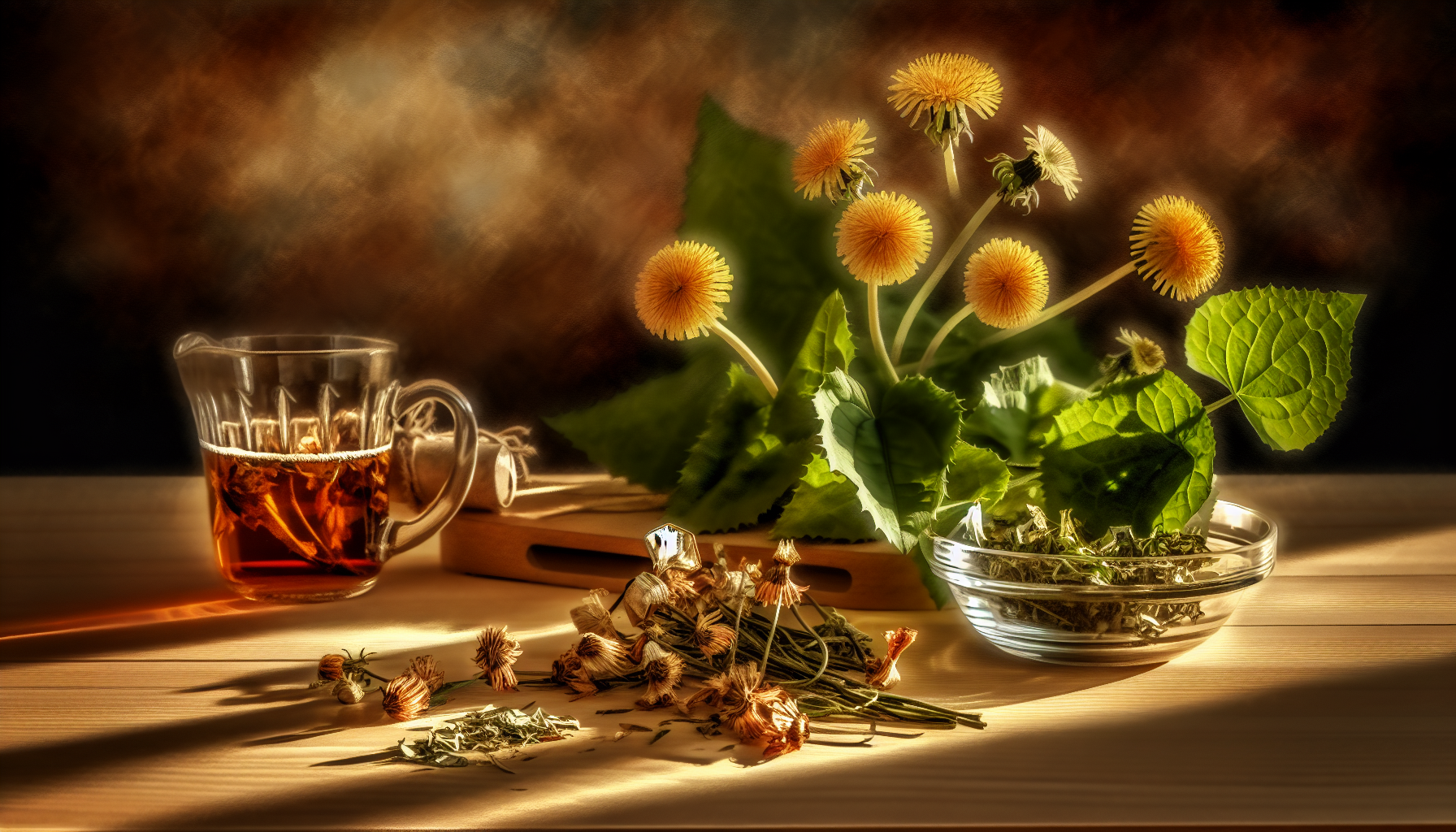
Der erste Schritt zur Wiederentdeckung der Bitterstoffe liegt in der bewussten Auswahl unserer Lebensmittel. Statt der überzüchteten, milden Salatsorten können wir öfter zu Rucola, Chicorée oder Radicchio greifen. Wildkräuter wie Löwenzahn, die oft als "Unkraut" betrachtet werden, sind wahre Schatzkammern für natürliche Bitterstoffe. Auch Kräutertees aus bitteren Pflanzen können eine wunderbare Möglichkeit sein, diese wertvollen Stoffe in unseren Tagesablauf zu integrieren.
Für diejenigen, die den Geschmack zunächst als zu intensiv empfinden, empfiehlt sich eine langsame Gewöhnung. Unser Geschmackssinn ist anpassungsfähig, und was anfangs ungewohnt schmeckt, kann mit der Zeit zu einem geschätzten Bestandteil der Ernährung werden. Besonders in Kombination mit anderen Geschmacksrichtungen lassen sich Bitterstoffe harmonisch in die tägliche Küche einbauen.
Die Renaissance der vergessenen Geschmacksrichtung
In der heutigen Zeit erleben wir eine Renaissance des Bewusstseins für natürliche Ernährung und traditionelles Wissen. Immer mehr Menschen erkennen, dass unsere Vorfahren nicht ohne Grund verschiedenste Pflanzen und Kräuter in ihre Ernährung integrierten. Die moderne Forschung bestätigt vielfach das, was die traditionelle Naturheilkunde schon lange weiß: Eine vielfältige Ernährung mit verschiedenen Geschmacksrichtungen, einschließlich des Bitteren, kann unser Wohlbefinden auf natürliche Weise unterstützen.
Bitterstoffe sind also weit mehr als nur eine vergessene Geschmacksrichtung – sie sind ein wichtiger Baustein einer bewussten, naturnahen Ernährung, die unser Wohlbefinden unterstützen kann.


Hinterlasse einen Kommentar
Diese Website ist durch hCaptcha geschützt und es gelten die allgemeinen Geschäftsbedingungen und Datenschutzbestimmungen von hCaptcha.