

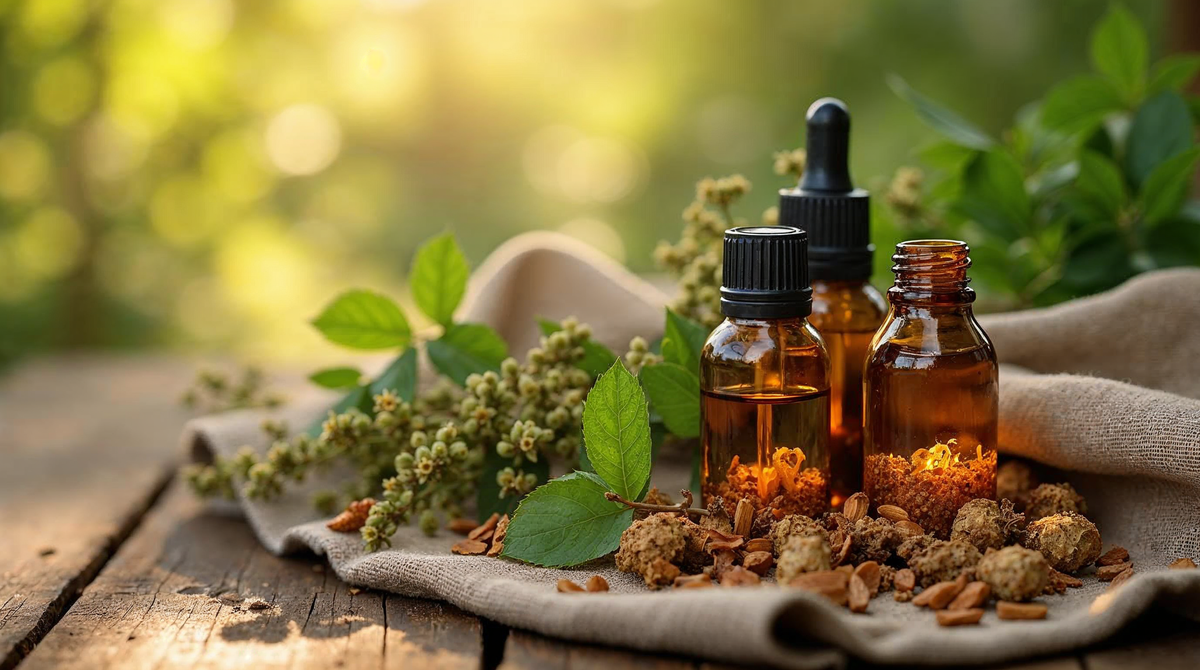
Wer einmal den charakteristischen Geschmack eines hochwertigen Bitterstoff-Tropfens auf der Zunge gespürt hat, versteht sofort, warum diese kleinen Fläschchen seit Jahrhunderten in Klosterküchen und Naturapotheken einen festen Platz hatten. Die bittere Note, die kurz aufblitzt und dann einem angenehmen Wärmegefühl weicht, ist kein Zufall – sie ist das Ergebnis sorgfältig ausgewählter Kräuter, die bereits Hildegard von Bingen in ihren überlieferten Schriften mit großer Wertschätzung beschrieb. Heute erleben selbst hergestellte Kräutertropfen eine Renaissance, und das aus gutem Grund: Man weiß genau, was drin ist, kann auf traditionelle Rezepturen zurückgreifen und verbindet sich mit einem uralten Wissen, das über Generationen weitergegeben wurde. In diesem Artikel zeigen wir dir, wie du deine eigenen Bitterstoff-Tropfen nach der Tradition der Klostermedizin herstellen kannst – mit Rezepten, Schritt-für-Schritt-Anleitungen und dem Hintergrundwissen, das dir Hildegards Kräuterphilosophie an die Hand gibt.
Hildegard von Bingen und das Wissen um die Bitterstoffe
Hildegard von Bingen (1098–1179) war eine der bedeutendsten Gelehrten des Mittelalters. Als Benediktinerin, Mystikerin und Naturforscherin hinterließ sie ein umfassendes Werk, das weit über Theologie und Musik hinausgeht. In ihren naturkundlichen Schriften Physica und Causae et Curae dokumentierte sie akribisch, welche Pflanzen, Steine und Tiere sie für wertvoll hielt – und warum. Besonders auffällig ist dabei ihre Zuneigung zu Kräutern mit bitteren Geschmacksnoten, die sie als besonders kraftvoll und belebend beschrieb. Für Hildegard war die Bitterkeit kein unangenehmes Übel, sondern ein Zeichen innerer Stärke der Pflanze.
Ihr zentrales Konzept war die sogenannte Viriditas – die „Grünkraft" der Natur, jene lebendige Kraft, die in Pflanzen, Tieren und Menschen wirkt und die Hildegard als göttliches Geschenk verstand. Diese Grünkraft war für sie besonders stark in jenen Kräutern konzentriert, die einen intensiven Geruch oder einen ausgeprägten Geschmack besaßen. Wermutkraut, Enzian, Schafgarbe und Wegwarte gehören zu den Pflanzen, die in ihren Schriften immer wieder auftauchen und die bis heute zu den klassischen Bitterpflanzen der Klostermedizin zählen. Es ist faszinierend zu sehen, wie modern Hildegards Beobachtungen wirken, wenn man sie mit dem heutigen ethnobotanischen Wissen vergleicht.
„Wer täglich ein wenig Bitteres zu sich nimmt, hält sich in guter Ordnung" – sinngemäß nach Hildegard von Bingen, Physica, 12. Jahrhundert. Diese überlieferte Haltung spiegelt das traditionelle Verständnis von Bitterpflanzen in der europäischen Kräutermedizin wider, das bis heute in der Naturheilkunde lebendig geblieben ist.
Die Klöster des Mittelalters waren die Wissenszentren ihrer Zeit. In ihren Gärten – den sogenannten Hortus-Gärten – wurden systematisch Heilpflanzen angebaut, deren Eigenschaften in Kräuterbüchern festgehalten wurden. Hildegards Kloster auf dem Rupertsberg bei Bingen war eines dieser Zentren, und ihre Rezepturen wurden von Generation zu Generation weitergegeben. Heute können wir auf dieses Erbe zurückgreifen und es in unsere moderne Lebensweise integrieren – zum Beispiel in Form von selbst angesetzten Bitterstoff-Tropfen, die ganz nach der alten Klosterüberlieferung hergestellt werden. Hildegard von Bingen Produkte
Die wichtigsten Bitterkräuter für deine selbst gemachten Tropfen
Bevor wir uns den eigentlichen Rezepten widmen, ist es wichtig, die Hauptdarsteller kennenzulernen. Nicht jedes Kraut ist für jeden Menschen und jede Situation gleich geeignet, und gerade die Kombination verschiedener Bitterpflanzen macht ein gutes Tropfen-Rezept aus. Die folgenden Kräuter gelten traditionell als die wichtigsten Vertreter der europäischen Bitterpflanzentradition und fanden teilweise bereits in Hildegards Schriften Erwähnung.
Die sogenannten „echten" Bitterkräuter zeichnen sich durch ihren Gehalt an Bitterstoffen aus – darunter Bittersäuren, Secoiridoide und Amarogentin. In der Klostermedizin wurden sie traditionell mit Alkohol oder Wasser ausgezogen, um ihre wertvollen Inhaltsstoffe zu konzentrieren und haltbar zu machen.
Diese Bitterkräuter eignen sich traditionell für Bitterstoff-Tropfen:
- Enzian (Gentiana lutea): Der Gelbe Enzian gilt als eines der stärksten Bitterkräuter Europas und ist seit der Antike in der Kräutermedizin bekannt. In der Klostermedizin wurde er traditionell als „Wurzel der Kraft" bezeichnet und in kleinen Mengen als Bestandteil von Kräuterlikören und Auszügen verwendet.
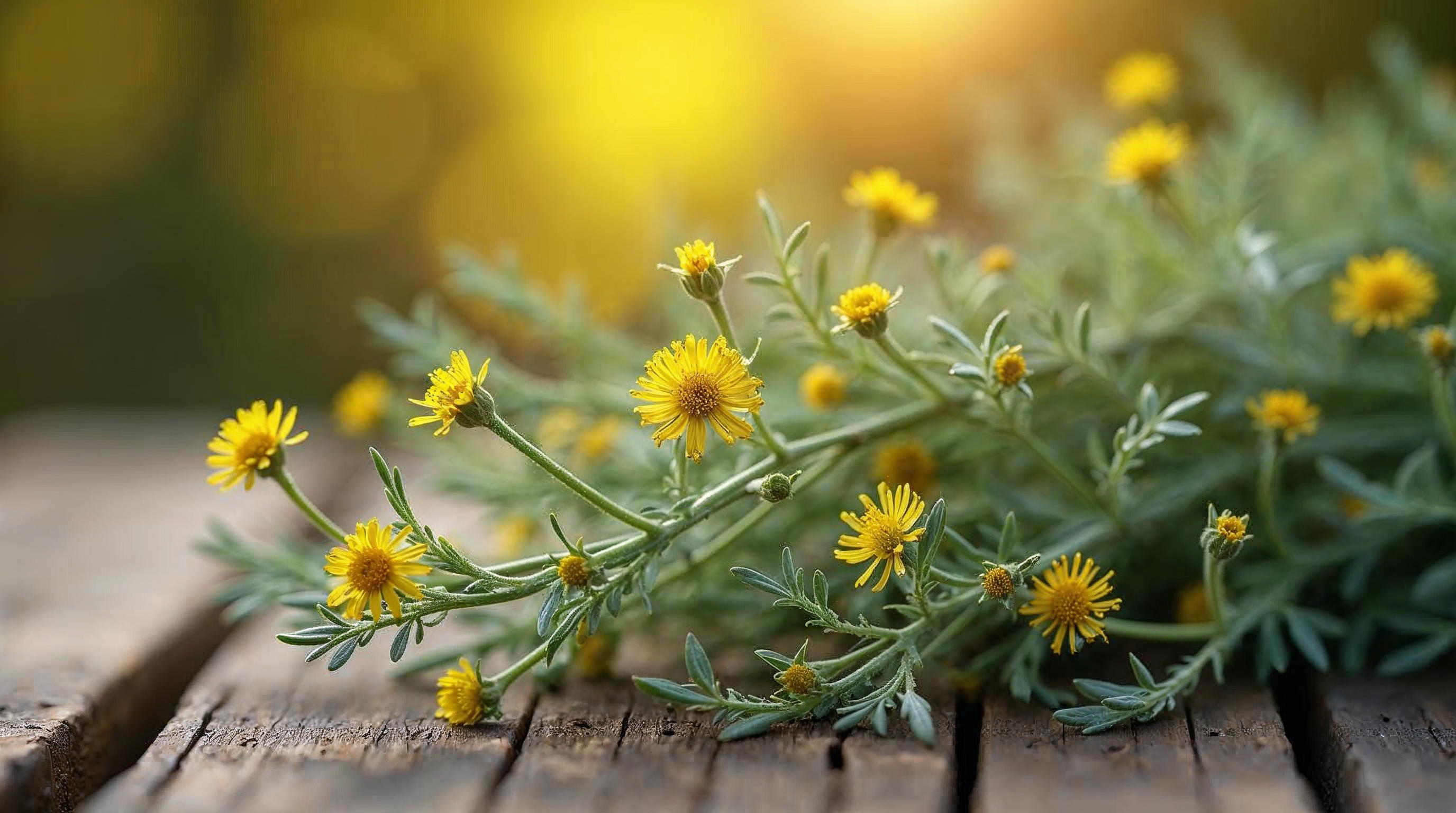
- Wermutkraut (Artemisia absinthium): Hildegard von Bingen widmete dem Wermut in ihrer Physica einen eigenen Abschnitt und schätzte ihn als besonders kraftvolles Kraut. Wermutkraut zählt zu den intensivsten Bitterkräutern und wird in der Tradition sehr sparsam dosiert verwendet.
- Schafgarbe (Achillea millefolium): Die Schafgarbe mit ihrem mild-bitteren, aromatischen Geschmack ist eines der vielseitigsten Kräuter der europäischen Volksmedizin. In Hildegards Schriften findet sie sich als „edles Kraut", das traditionell in vielerlei Kräutermischungen Verwendung fand.
- Artischocke (Cynara scolymus): Obwohl die Artischocke als Kulturpflanze zu Hildegards Zeiten in Deutschland weniger verbreitet war, gehört sie heute zu den klassischen Bitterpflanzen der europäischen Naturheilkunde. Leber-Produkte von Bitterkraft Ihr Bitterstoff Cynarin ist traditionell seit dem Mittelmeerraum bekannt.
- Wegwarte (Cichorium intybus): Die blaublühende Wegwarte war Hildegard bestens bekannt und wird in ihren Werken als kräftigendes Kraut erwähnt. Ihre Wurzel enthält Bitterstoffe, die traditionell für Kräuterauszüge genutzt werden.
- Tausendgüldenkraut (Centaurium erythraea): Schon der Name verrät die historische Wertschätzung – dieses Kraut galt als tausend Gulden wert. Es gehört zu den klassischen Bitterkräutern der europäischen Klostermedizin und wird traditionell seit Jahrhunderten als Kräuterauszug verwendet.
- Löwenzahn (Taraxacum officinale): Der allgegenwärtige Löwenzahn ist eine der zugänglichsten Bitterpflanzen und kann je nach Jahreszeit und Standort selbst gesammelt werden. Blätter, Wurzel und Blüten enthalten verschiedene Bitterstoffe und aromatische Verbindungen, die traditionell geschätzt werden.
Was steckt hinter den Bitterstoffen?
Bitterstoffe sind sekundäre Pflanzenstoffe, die Pflanzen ursprünglich als Schutz vor Fraßfeinden entwickelt haben. Chemisch gehören sie verschiedenen Stoffgruppen an: Iridoide (wie im Enzian), Sesquiterpenlactone (wie im Wermutkraut), Flavonoide und Alkaloide. In der europäischen Kräutertradition werden bittere Pflanzenteile – vor allem Wurzeln, Rinden und Blätter – seit Jahrtausenden als Kräutertees, Tinkturen und Auszüge verwendet. Besonders in der Klostermedizin des Mittelalters waren Bitterkräutermischungen ein fester Bestandteil des täglichen Rituals. BitterKraft Original
Beim Sammeln oder Kaufen der Kräuter solltest du auf Qualität achten: Biozertifizierte Kräuter oder solche aus kontrolliertem Wildsammeln sind zu bevorzugen, da Bitterstoffe empfindlich auf Anbaubedingungen reagieren können. Getrocknete Kräuter aus dem Naturkosthandel oder der Apotheke sind ebenfalls eine gute und zuverlässige Wahl, besonders für Anfänger. alle Bitterkraft Produkte
Schritt-für-Schritt-Anleitung: Bitterstoff-Tropfen nach Klosterart selbst herstellen
Die Herstellung eigener Kräutertropfen ist einfacher als viele denken. Du benötigst keine besondere Ausrüstung, sondern nur ein sauberes Schraubglas, hochprozentigen Alkohol als Auszugsmittel sowie deine ausgewählten Kräuter. Das Grundprinzip ist eine sogenannte Tinktur oder Mazeration: Die Kräuter werden in Alkohol eingelegt, ziehen für mehrere Wochen, und der fertige Auszug wird anschließend gefiltert und abgefüllt. Diese Technik war bereits in mittelalterlichen Klöstern bekannt und verbreitet.
Für die Herstellung von Kräutertropfen zu Hause wird in der Regel Lebensmittelalkohol mit 40–60 % vol. verwendet – zum Beispiel Korn, Wodka oder spezieller Ansatzalkohol aus dem Naturkosthandel. Hochprozentigerer Alkohol (60–70 % vol.) eignet sich besonders gut für holzige Wurzeln und Rinden, während 40 % für zarte Blätter und Blüten ausreichend ist.
Hier ist die Grundanleitung, die sich an traditionellen Klosterrezepturen orientiert:
Grundrezept: Klassische Bitterkräuter-Tinktur nach Klosterart
Zutaten:
• 10 g getrocknetes Wermutkraut
• 10 g getrocknete Schafgarbe
• 10 g getrocknete Löwenzahnwurzel
• 5 g getrocknetes Tausendgüldenkraut
• 5 g getrocknete Wegwartewurzel
• 500 ml Korn oder Wodka (40 % vol.)
Zubereitung:
1. Alle getrockneten Kräuter grob zerkleinern (nicht zu fein mahlen).
2. In ein sauberes, steriles Schraubglas (mind. 750 ml) geben.
3. Den Alkohol darübergießen, sodass alle Kräuter vollständig bedeckt sind.
4. Verschließen und an einem dunklen, kühlen Ort 4–6 Wochen ziehen lassen.
5. Täglich oder alle paar Tage sanft schütteln.
6. Nach der Ziehzeit durch ein feines Sieb oder Mull abseihen, gut ausdrücken.
7. In dunkle Tropfenflaschen (z. B. 30 ml oder 50 ml) abfüllen.
8. Kühl und dunkel lagern – haltbar ca. 1–2 Jahre.
Neben diesem Grundrezept gibt es eine Fülle von Variationen, die du ausprobieren kannst. Wer die Intensität der Bitternoten etwas abmildern möchte, kann Kräuter wie Fenchel, Anis oder Ingwer hinzufügen – diese bringen aromatische Wärme und runden die Mischung geschmacklich ab. In der Hildegard-Tradition spielten aromatische Gewürze wie Galant, Muskat und Ingwer ebenfalls eine wichtige Rolle, da sie als besonders belebend galten. Darm- und Verdauungsprodukte
Drei bewährte Rezepte: Von Hildegards Kräuterwissen inspiriert
Über Jahrhunderte hinweg entwickelten Klosterapotheker und Kräuterkundige unzählige Variationen von Bitterkräutertropfen. Die folgenden drei Rezepte sind von Hildegards Kräuterphilosophie inspiriert und orientieren sich an überlieferten Klosterrezepturen. Jede Mischung hat ihren eigenen Charakter und kann je nach persönlicher Vorliebe und Verfügbarkeit der Kräuter angepasst werden.
Rezept 1: „Hildegards Grünkraft-Tropfen" – Das klassische Klosterrezept
Dieses Rezept orientiert sich eng an den Kräutern, die in Hildegards Schriften besonders hervorgehoben werden. Es ist intensiv und komplex im Geschmack – ein echtes Klostererlebnis.
Zutaten für 500 ml:
• 15 g Wermutkraut (getrocknet)
• 10 g Schafgarbe (Blüten und Blätter, getrocknet)
• 8 g Enzianwurzel (getrocknet, fein geschnitten)
• 5 g Wegwartewurzel (getrocknet)
• 5 g Kalmuswurzel (getrocknet) – in Hildegards Schriften als besonderes Gewürzkraut erwähnt
• 500 ml Korn oder Ansatzalkohol 40 % vol.
Ziehzeit: 6 Wochen | Dosierung traditionell: 15–20 Tropfen in etwas Wasser vor den Mahlzeiten
Rezept 2: „Sanfte Klosterbitter" – Für Einsteiger geeignet
Wer zum ersten Mal Bitterstoff-Tropfen herstellt, ist mit dieser milderen Mischung gut beraten. Fenchel und Ingwer sorgen für eine angenehme aromatische Note, die die Bitterstoffe ausbalanciert.
Zutaten für 500 ml:
• 15 g Löwenzahnwurzel (getrocknet)
• 10 g Schafgarbe (getrocknet)
• 10 g Tausendgüldenkraut (getrocknet)
• 5 g Fenchelsamen (leicht angedrückt)
• 5 g frischer oder getrockneter Ingwer
• 500 ml Wodka 40 % vol.
Ziehzeit: 4 Wochen | Dosierung traditionell: 10–15 Tropfen in etwas Wasser
Rezept 3: „Klostergarten-Elixier" – Saisonal und regional
Dieses Rezept setzt auf heimische, leicht erhältliche Kräuter und kann je nach Saison variiert werden. Es steht ganz in der Tradition der regionalen Kräutermedizin, die Hildegard so sehr schätzte.
Zutaten für 500 ml:
• 15 g Artischockenblätter (getrocknet)
• 10 g Wegwartewurzel oder -blätter (getrocknet)
• 10 g Löwenzahnblätter und -wurzel gemischt (getrocknet)
• 8 g Mariendistelfrüchte (leicht angedrückt) Leber-Produkte von Bitterkraft
• 5 g Koriandersamen (leicht angedrückt)
• 500 ml Korn 40 % vol.
Ziehzeit: 5 Wochen | Dosierung traditionell: 15–20 Tropfen in etwas Wasser
Alle drei Rezepte können nach persönlichem Geschmack angepasst werden. Wer eine intensivere Bitterkeit wünscht, erhöht den Anteil an Enzian oder Wermutkraut leicht. Wer eine süßlichere Note bevorzugt, kann getrocknete Orangenschalen oder ein kleines Stück Zimtstange hinzugeben – auch diese Zutaten fanden in der mittelalterlichen Klosterküche Verwendung und sind historisch gut belegt. Fasten-Produkte
Wichtig beim Selberherstellen: Wermut und Enzian sind sehr intensiv bittere Kräuter – beginne mit den empfohlenen Mengen und erhöhe bei Bedarf vorsichtig. Kräutertinkturen sind konzentrierte Auszüge und werden traditionell in kleinen Mengen (Tropfendosierung) verwendet, nicht löffelweise.
Traditionelle Anwendungsrituale und Aufbewahrung deiner Bitterstoff-Tropfen
In der Klostermedizin war die regelmäßige, rituelle Einnahme von Kräuterauszügen ebenso wichtig wie die Kräuter selbst. Hildegard von Bingen betonte in ihren Schriften den Wert von Ordnung und Rhythmus im täglichen Leben – und das schließt auch die bewusste, achtsame Einnahme von Kräutern ein. Ein kleines tägliches Ritual rund um deine selbst gemachten Bitterstoff-Tropfen kann dabei helfen, diese Tradition lebendig zu halten und das allgemeine Wohlbefinden zu unterstützen.
Traditionell wurden Bitterkräutertropfen vor den Mahlzeiten eingenommen – meist morgens und/oder vor dem Mittagessen. Die übliche Dosierung in der Klosterüberlieferung lag bei 10–20 Tropfen, die in einem kleinen Schluck Wasser oder Kräutertee aufgelöst wurden. Dabei war es wichtig, die bittere Note bewusst wahrzunehmen und nicht durch Fruchtsaft oder Süßes zu überdecken – denn genau diese Wahrnehmung der Bitterkeit ist Teil der jahrhundertealten Tradition. Immunsystem-Produkte
Zur Aufbewahrung deiner selbst hergestellten Tropfen eignen sich dunkle Glasflaschen mit Tropfpipette, wie sie in Apotheken oder Naturkostläden erhältlich sind. Braun- oder Blauglasfläschchen schützen die empfindlichen Pflanzenstoffe vor Lichteinflüssen. Lagere deine Tropfen kühl, dunkel und gut verschlossen – ein Kühlschrank oder ein kühler Keller sind ideal. Richtig hergestellt und gelagert sind alkoholische Kräutertinkturen bis zu zwei Jahre haltbar, wobei frischere Tinkturen erfahrungsgemäß aromatischer und intensiver sind. Beschrifte jede Flasche mit dem Inhalt und dem Ansetzdatum – das hilft nicht nur bei der Qualitätskontrolle, sondern ist auch eine schöne Dokumentation deines wachsenden Kräuterwissens.
In einer ethnobotanischen Übersichtsarbeit zur europäischen Bitterpflanzentradition (Wichtl, Teedrogen und Phytopharmaka, 6. Aufl.) wird beschrieben, dass Kräuterauszüge aus Gentiana, Artemisia und Centaurium zu den ältesten und am weitesten verbreiteten Volksmitteln Europas zählen und in nahezu allen mitteleuropäischen Kräutertraditionen – darunter auch der benediktinischen Klostermedizin – dokumentiert sind.
Wer seine Kräuterpraxis vertiefen möchte, kann auch eine sogenannte Kräutertagebuch-Praxis einführen: Notiere, welche Kräutermischung du wann angesetzt hast, wie sie riecht und schmeckt, und wie du dich dabei fühlst. Diese Art der achtsamen Dokumentation war in Klöstern selbstverständlich und ist heute eine schöne Möglichkeit, sich dem umfangreichen Wissen der Kräuterheilkunde schrittweise zu nähern. Das Wissen um Hildegards Kräuterschätze ist unerschöpflich – und das Selberherstellen von Bitterstoff-Tropfen ist ein wunderbarer Einstieg in diese lebendige Tradition. Hildegard von Bingen Produkte

Hinterlasse einen Kommentar
Diese Website ist durch hCaptcha geschützt und es gelten die allgemeinen Geschäftsbedingungen und Datenschutzbestimmungen von hCaptcha.