


Zwei Welten, eine Weisheit: Während Hildegard von Bingen im mittelalterlichen Europa ihre Klostergärten bestellte und das Wissen der Heilpflanzen in Schriften festhielt, entwickelten indische Gelehrte vor Tausenden von Jahren das System des Ayurveda zu einer umfassenden Lebensphilosophie. Auf den ersten Blick trennen diese beiden Heiltraditionen Jahrhunderte, Kontinente und Kulturen. Doch wer genauer hinsieht, entdeckt erstaunliche Berührungspunkte – in der Grundhaltung, in der Betrachtung des Menschen und nicht zuletzt im tiefen Respekt vor der heilenden Kraft der Natur. Dieser Artikel lädt dazu ein, beide Systeme kennenzulernen und ihre verbindenden Fäden zu verfolgen.
Zwei Traditionen, ein gemeinsamer Ausgangspunkt
Ayurveda – das Sanskrit-Wort bedeutet sinngemäß „Wissen vom Leben" – gilt als eines der ältesten systematischen Heilsysteme der Menschheit. Seine Wurzeln reichen über 3.000 Jahre zurück und wurden in den vedischen Schriften, insbesondere im Charaka Samhita und Sushruta Samhita, niedergelegt. Hildegard von Bingen (1098–1179) hingegen war eine Benediktinerin, Äbtissin, Komponistin und Universalgelehrte, die ihr medizinisches Wissen in Werken wie der „Physica" und dem „Causae et Curae" festhielt. So unterschiedlich ihre Biografien auch sein mögen – beide Systeme entstanden aus einer tiefen Beobachtung der Natur und dem Wunsch, den Menschen in seiner Ganzheit zu verstehen.
Der entscheidende gemeinsame Ausgangspunkt ist die ganzheitliche Sichtweise: Weder Ayurveda noch die Hildegard-Medizin betrachten den Menschen als bloße Ansammlung von Organen und Symptomen. Stattdessen steht das Zusammenspiel von Körper, Geist und Seele im Mittelpunkt. Im Ayurveda spricht man von den drei Doshas – Vata, Pitta und Kapha – als konstitutionellen Grundprinzipien, die das Wesen eines Menschen bestimmen. Bei Hildegard findet sich ein ähnliches Konzept in den vier Säften (Humores), die in ihrem Denken die körperliche und seelische Verfassung eines Menschen prägen. Beide Systeme sind überzeugt: Ungleichgewicht ist die Wurzel von Unwohlsein – und Gleichgewicht das Ziel jeder guten Lebensführung. Hildegard von Bingen Produkte
Was beide Traditionen außerdem verbindet, ist ihre enge Verwurzelung in der Spiritualität. Hildegard verstand Gesundheit als göttliches Geschenk und sah den Menschen als Teil einer kosmischen Ordnung, die sie „viriditas" – die lebendige Grünkraft – nannte. Diese Schöpfungskraft durchdringt nach ihrer Überzeugung alle Lebewesen und Pflanzen. Im Ayurveda findet sich das Konzept des „Prana" – der universellen Lebensenergie –, das in seiner Funktion frappierend an Hildegards Viriditas erinnert. Beide Begriffe beschreiben eine belebende Kraft, die den Unterschied zwischen toter Materie und lebendigem Sein ausmacht. Diese spirituellen Fundamente machen beide Systeme zu mehr als medizinischen Lehren: Sie sind Lebensphilosophien.
Sowohl Ayurveda als auch die Hildegard-Medizin betrachten den Menschen als Einheit von Körper, Geist und Seele – und sehen im Gleichgewicht dieser Kräfte die Grundlage für Wohlbefinden und ein erfülltes Leben.
Die Kraft der Pflanzen: Kräuterwissen im Vergleich
Das Herzstück beider Heiltraditionen ist ohne Zweifel das Wissen um die Heilpflanzen. Hildegard von Bingen beschrieb in ihrer „Physica" Hunderte von Pflanzen, Bäumen, Steinen und Tieren und ordnete ihnen Eigenschaften zu, die auf dem Prinzip von Wärme und Kälte basieren. Eine Pflanze war für sie nicht einfach nur ein Kraut – sie war ein Träger von Energie, mit einer spezifischen Qualität, die auf den Menschen wirkt und ihm helfen kann, seine innere Balance wiederzufinden. Der Ayurveda entwickelte ein ähnlich differenziertes System: Hier wird jede Pflanze nach Geschmack (Rasa), Qualität (Guna), Potenz (Virya) und Wirkung nach der Verdauung (Vipaka) beschrieben. Die Systematik ist eine andere – die Grundidee ist dieselbe.
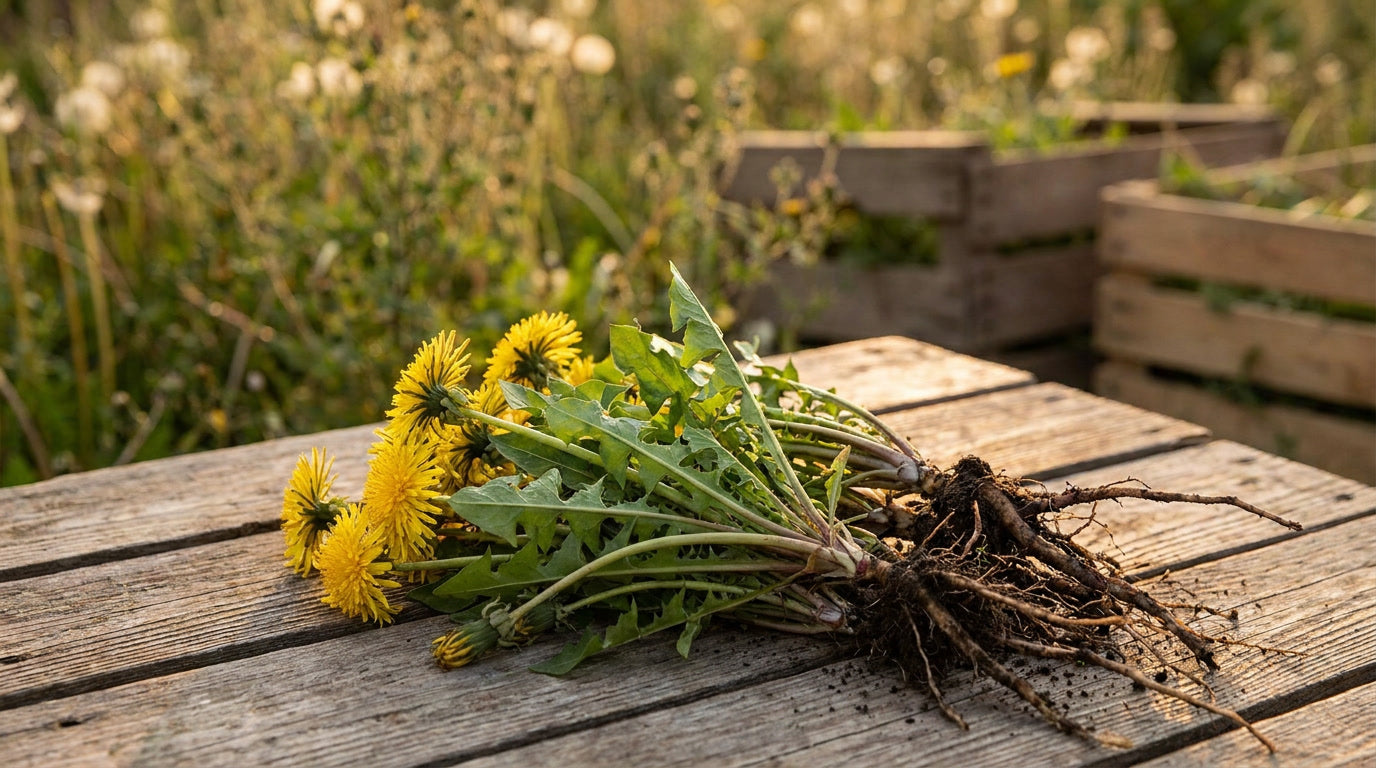
Besonders bemerkenswert ist die Überschneidung bei bestimmten Pflanzen und Konzepten. Das bittere Prinzip spielt in beiden Traditionen eine herausragende Rolle. Hildegard schätzte Bitterkräuter wie Wermut, Enzian und Schafgarbe als wertvolle Begleiter einer gesunden Lebensführung – sie galten in der Klostermedizin als traditionell bedeutsam und wurden seit Jahrhunderten in Klostergärten kultiviert. Im Ayurveda sind bittere Pflanzen wie Neem, Bittergurke (Karela) oder Chirayata seit jeher fester Bestandteil der täglichen Praxis. Der Bittergeschmack – auf Sanskrit „Tikta" – gilt als reinigend und ausgleichend für bestimmte Konstitutionstypen. Diese kulturübergreifende Wertschätzung der Bitterstoffe ist kein Zufall, sondern Ausdruck einer tiefen, intuitiven Weisheit, die unabhängig voneinander auf beiden Seiten der Welt entstanden ist. BitterKraft Original
Hildegard von Bingen schrieb in ihrer „Physica" über den Wermut: „Wermut ist sehr warm und hat eine gesunde Kraft." Sie sah in bitteren Kräutern Pflanzen von besonderer Stärke und Lebendigkeit – Träger der viriditas in konzentrierter Form. Diese historische Einschätzung spiegelt eine Wertschätzung wider, die sich auch in anderen traditionellen Heilkulturen der Welt findet.
Traditionelle Heilpflanzen, die beiden Systemen bekannt sind:
- Ingwer (Zingiber officinale): Im Ayurveda seit Jahrtausenden als „universelle Medizin" geschätzt; auch in der mittelalterlichen Klostermedizin Europas wird seit Jahrhunderten traditionell verwendet.
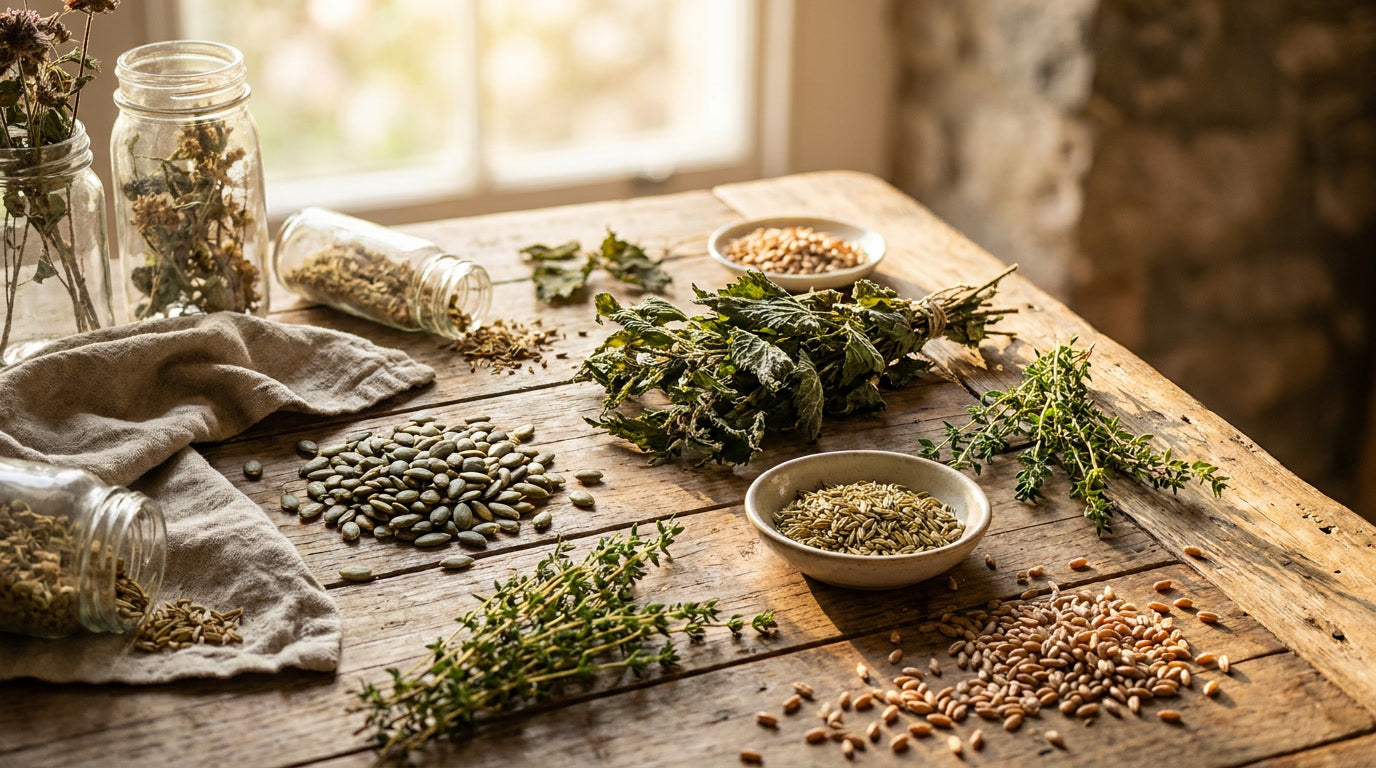
- Fenchel (Foeniculum vulgare): Hildegard beschrieb Fenchel als besonders wertvoll und „fröhlich machend"; im Ayurveda gilt er als Tridosha-ausgleichend und ist in der traditionellen indischen Küche und Heilkunde seit jeher präsent.
- Kümmel (Carum carvi): Historisch in beiden Kulturen bekannt – in der Klostermedizin als Würz- und Heilpflanze geschätzt, im Ayurveda unter ähnlichen Prinzipien als Teil von Kräutermischungen verwendet.
- Kurkuma (Curcuma longa): Im Ayurveda eine der zentralen Heilpflanzen seit Tausenden von Jahren; in Europa über die Gewürzhandelswege bekannt geworden, heute in der Naturheilkunde weltweit geschätzt.
- Kardamom (Elettaria cardamomum): Im Ayurveda hochgeschätzt; auch in der mittelhochdeutschen Klostermedizin als kostbares Gewürz und traditionelles Heilmittel bekannt und verwendet.
Was beide Traditionen bei all diesen Pflanzen verbindet, ist der Ansatz, sie nicht isoliert zu betrachten, sondern im Kontext des gesamten Menschen und seiner Lebensweise. Ein Kraut entfaltet seine Wirkung nach hildegardischer wie nach ayurvedischer Überzeugung immer im Zusammenspiel mit der Konstitution des Menschen, seiner Ernährung, den Jahreszeiten und seiner seelischen Verfassung. Das ist ein Gedanke, der in seiner Modernität überrascht – und der gleichzeitig zeigt, wie zeitlos diese alten Weisheiten sind.
Ernährung als Medizin: Rituale und Rhythmen des Essens
„Lass die Nahrung deine Medizin sein" – dieser Gedanke ist zwar dem griechischen Arzt Hippokrates zugeschrieben, doch er hätte ebenso gut von Hildegard von Bingen oder einem ayurvedischen Vaidya (traditionellen Arzt) stammen können. Beide Heiltraditionen messen der Ernährung eine zentrale Bedeutung bei – nicht nur als Energielieferant, sondern als tägliche Entscheidung für oder gegen das innere Gleichgewicht. Im Ayurveda gibt es detaillierte Empfehlungen, welche Lebensmittel für welchen Dosha-Typ geeignet sind, welche Geschmacksrichtungen zu welcher Jahreszeit passen und wie die Mahlzeiten zubereitet werden sollten. Hildegard entwickelte ein ähnlich differenziertes System, das Lebensmittel in „gute" und „schlechte" Nahrung unterteilte – wobei diese Einteilung immer im Kontext der individuellen Konstitution zu verstehen ist.
Ein besonders faszinierendes Thema, das beide Systeme verbindet, ist das Fasten. Im Ayurveda gilt periodisches Fasten oder das Reduzieren der Nahrungsmenge als traditionelle Praxis, um den Körper zu entlasten und die Verdauungskraft – das sogenannte Agni – zu erneuern. Hildegard von Bingen lebte als Benediktinerin nach einer Regel, die regelmäßige Fastenzeiten vorsah, und empfahl Fasten als Mittel zur seelischen Reinigung und körperlichen Erneuerung. Interessanterweise kennen beide Systeme auch die Idee, dass zu langes oder zu strenges Fasten dem Körper schaden kann – Maßhalten ist in beiden Traditionen eine Tugend. Fasten-Produkte
Sowohl Ayurveda als auch die Hildegard-Medizin sehen Ernährung nicht als bloße Nahrungsaufnahme, sondern als täglich gelebte Heilpraxis – angepasst an Jahreszeit, Konstitution und seelische Verfassung des Menschen.
Auch das Thema der Gewürze und ihrer Rolle in der täglichen Ernährung verdient besondere Aufmerksamkeit. Im Ayurveda ist die Verwendung von Gewürzen wie Ingwer, Kurkuma, Koriander oder schwarzem Pfeffer in der Küche gleichzeitig eine medizinische Praxis – man würzt nicht nur für den Geschmack, sondern auch für das Wohlbefinden. Bei Hildegard findet sich dieselbe Logik: Gewürze wie Fenchel, Bertram (Anacyclus pyrethrum) und Galgant – letzterer war Hildegards persönliches Lieblingsgewürz – sollten täglich in der Küche eingesetzt werden, um das innere Gleichgewicht zu unterstützen. Der Gedanke, die Küche als Apotheke zu betrachten, ist in beiden Kulturen tief verwurzelt und erlebt heute eine bemerkenswerte Renaissance. Hildegard von Bingen Produkte
Galgant – Hildegards Herzgewürz: Galgant (Alpinia officinarum) ist eine ingwerähnliche Wurzel, die Hildegard von Bingen in zahlreichen Schriften erwähnt und besonders schätzte. In der traditionellen Klostermedizin galt Galgant als wärmendes und belebendes Gewürz, das seit Jahrhunderten als Teil der täglichen Ernährung verwendet wurde. Interessanterweise ist Galgant auch in der ayurvedischen Tradition bekannt – unter dem Sanskrit-Namen „Kulanjana" – und wird dort ebenfalls als traditionelles Würz- und Heilmittel beschrieben. Ein eindrucksvolles Beispiel dafür, wie sich östliche und westliche Heiltraditionen berühren.
Das Prinzip der Konstitution: Dosha und Säftelehre
Eines der faszinierendsten Parallelkonzepte beider Heiltraditionen ist die Idee, dass Menschen von Natur aus unterschiedliche Konstitutionen besitzen – und dass eine gute Lebensführung diese individuelle Natur berücksichtigen muss. Im Ayurveda bilden die drei Doshas Vata (Wind/Luft), Pitta (Feuer/Wasser) und Kapha (Erde/Wasser) die konstitutionelle Grundlage jedes Menschen. Jeder Mensch trägt alle drei Doshas in sich, doch ihre individuelle Mischung – das sogenannte Prakriti – ist einzigartig wie ein Fingerabdruck. Daraus leiten sich persönliche Empfehlungen für Ernährung, Schlaf, Bewegung und die Wahl der Heilpflanzen ab. Schlaf- und Entspannungsprodukte
Hildegard von Bingen orientierte sich an der antiken Vier-Säfte-Lehre (Humoralpathologie), die sie jedoch in ein christlich-mystisches Weltbild einbettete und eigenständig weiterentwickelte. Die vier Säfte – Blut (Sanguis), Schleim (Phlegma), gelbe Galle (Cholera) und schwarze Galle (Melancholia) – entsprachen vier Temperamenten: dem Sanguiniker, dem Phlegmatiker, dem Choleriker und dem Melancholiker. Jedes Temperament hatte nach Hildegard seine eigenen Stärken, seine eigenen Herausforderungen und seine eigenen geeigneten Heilmittel und Lebensweisen. Auch hier gilt: Die Begriffe sind andere, die dahinterstehende Philosophie ist verblüffend ähnlich.
Der Ayurveda-Forscher und Arzt Dr. Robert Svoboda beschrieb in seinem Werk „Prakriti: Your Ayurvedic Constitution" (1998) die Dosha-Lehre als „eine der ältesten bekannten Systeme der personalisierten Medizin". Tatsächlich lässt sich diese Parallele zur mittelalterlichen Humoralpathologie – einschließlich Hildegards Interpretation – als bemerkenswert frühe Form individualisierter Gesundheitsbetrachtung verstehen, lange bevor der Begriff der Personalisierung in der Medizin geprägt wurde.
Was macht diesen Vergleich für den modernen Menschen so relevant? Die Antwort liegt in einer Sehnsucht, die viele Menschen heute umtreibt: der Wunsch nach einer Gesundheitsbetrachtung, die den Menschen als Individuum ernst nimmt. Beide Systeme lehnen den Einheitsansatz ab. Es gibt im Ayurveda keine universelle Diät, die für alle gleich gut funktioniert – und auch Hildegard empfahl kein Kraut pauschal für alle. Diese Individualisierung, die heute in der funktionellen Medizin und der Präzisionsmedizin als modern gilt, war in diesen traditionellen Systemen von Anfang an angelegt. Das macht ihre Weisheit zeitlos und für Naturheilkunde-Interessierte heute so anziehend. alle Bitterkraft Produkte
Die Dosha-Lehre des Ayurveda und Hildegards Temperamentenlehre verfolgen denselben Grundgedanken: Gesundheit ist individuell – und nur wer seine eigene Natur kennt, kann sie wirklich pflegen.
Innere Reinigung und Entgiftung: Detox in zwei Kulturen
Reinigungsrituale – sei es zu bestimmten Jahreszeiten, nach Mahlzeiten oder in besonderen Lebensphasen – gehören zu den ältesten Gesundheitspraktiken der Menschheit. Im Ayurveda ist das Konzept der Reinigung unter dem Begriff „Panchakarma" bekannt: ein mehrstufiger Prozess aus Ölmassagen, Schwitzbädern, Kräuterbehandlungen und Ernährungsumstellungen, der traditionell zur saisonalen Erneuerung eingesetzt wird. Ziel ist es, angesammelte „Ama" – unverdaute Rückstände auf körperlicher und mentaler Ebene – aufzulösen und aus dem System zu führen. Dieser Gedanke der Reinigung ist nicht auf das Körperliche beschränkt: Auch der Geist und die Seele sollen durch diesen Prozess erneuert werden. Leber-Produkte von Bitterkraft
Hildegard von Bingen kannte ebenfalls Konzepte der inneren Reinigung. In ihrer Medizin spielten Brechmittel, Aderlass und Heilfasten als traditionelle Methoden der Entlastung eine Rolle – wobei diese Praktiken heute natürlich im historischen Kontext zu betrachten sind. Was aber zeitlos Bestand hat, ist der Grundgedanke: dass der Körper regelmäßiger Momente der Erneuerung bedarf, und dass Bitterpflanzen dabei traditionell eine bedeutende Rolle spielten. Hildegards Kräuterküche kannte zahlreiche Pflanzen, die in der Klostermedizin seit Jahrhunderten im Rahmen von Reinigungszeiten – etwa in der Fastenzeit vor Ostern – traditionell verwendet wurden. Darm- und Verdauungsprodukte
Bitterkräuter als traditionelles Reinigungsritual: Sowohl in der ayurvedischen als auch in der hildegardischen Tradition nehmen bittere Kräuter in Reinigungsphasen eine besondere Stellung ein. Pflanzen wie Wermut, Schafgarbe, Enzian oder die ayurvedische Bittergurke (Karela) werden seit Jahrhunderten im Rahmen saisonaler Rituale traditionell eingesetzt. Die Bitterkeit gilt in beiden Kulturen als Qualität, die zur inneren Balance beiträgt – ein kulturübergreifendes Prinzip, das bis heute in der Naturheilkunde lebendig ist. BitterKraft Original
Gerade das Thema der Frühjahrskur verbindet beide Traditionen auf schöne Weise mit dem modernen Alltag. Im Ayurveda ist der Frühling – die Kapha-Jahreszeit – traditionell die Zeit für entlastende Maßnahmen und leichtere Kost. In der Klostermedizin nach Hildegard galt die Fastenzeit als Zeit der Besinnung und körperlichen Entlastung, begleitet von Wildkräutern und Bitterstoffen, die der Frühling bereithält. Wer heute einen Frühjahrsputz für den Körper machen möchte, kann sich von beiden Traditionen inspirieren lassen – und dabei auf Kräuter zurückgreifen, die in beiden Kulturkreisen seit Jahrhunderten geschätzt werden. Fasten-Produkte
Was wir heute von beiden Systemen lernen können
Es wäre zu einfach, Ayurveda und Hildegard-Medizin als museale Relikte zu betrachten. Ihre Relevanz zeigt sich gerade in einer Zeit, in der viele Menschen eine Ergänzung zum rein symptomorientierten Blick der modernen Medizin suchen. Beide Systeme bieten etwas, das im hektischen Alltag oft fehlt: einen ganzheitlichen Rahmen, der dem Menschen hilft, sich selbst und seinen Körper besser zu verstehen. Nicht das Weglassen von Beschwerden steht im Vordergrund, sondern das Hinzufügen von Lebensqualität – durch bewusste Ernährung, den Einsatz traditioneller Kräuter, Rituale der Ruhe und ein tiefes Gespür für die eigene Konstitution.
Die Ähnlichkeiten zwischen Ayurveda und Hildegard-Medizin sind dabei kein Zufall und kein Produkt des Zufalls der Geschichte. Sie sind Ausdruck einer universellen menschlichen Weisheit: dass der Körper ein System ist, das nach Balance strebt; dass die Natur Pflanzen bereitstellt, die diesen Prozess traditionell unterstützen können; und dass der Mensch nur dann wirklich aufblüht, wenn Körper, Geist und Seele in Einklang sind. Diese Erkenntnis musste in Indien ebenso gemacht werden wie im mittelalterlichen Klostergarten am Rhein. Immunsystem-Produkte
Für alle, die sich für Naturheilkunde interessieren, liegt ein besonderer Schatz darin, beide Traditionen nicht als Konkurrenten, sondern als sich ergänzende Perspektiven zu verstehen. Wer Hildegards Kräuterwissen schätzt, wird im Ayurveda faszinierende Parallelen entdecken. Wer von ayurvedischen Prinzipien begeistert ist, findet in der mittelalterlichen Klostermedizin eine europäische Schwester derselben Weisheit. Und wer beides zusammenbringt, entdeckt etwas Größeres als die Summe seiner Teile: eine ganzheitliche Sicht auf das Leben, die so alt ist wie die Menschheit – und so aktuell wie das heutige Interesse an bewusstem Wohlbefinden. Hildegard von Bingen Produkte
Die Ethnobotanikerin Dr. Monika Krüger fasste es in ihrem Werk über vergleichende Heiltraditionen treffend zusammen: „Wer die Heilkunde verschiedener Kulturen vergleicht, stößt immer wieder auf dieselben Grundprinzipien – als hätte die Menschheit unabhängig voneinander dieselbe Sprache der Natur gelernt." Diese Beobachtung trifft auf kaum ein Paar traditioneller Heilsysteme so präzise zu wie auf Ayurveda und die Hildegard-Medizin.

Hinterlasse einen Kommentar
Diese Website ist durch hCaptcha geschützt und es gelten die allgemeinen Geschäftsbedingungen und Datenschutzbestimmungen von hCaptcha.