
Die Autophagie, ein faszinierender Prozess der zellulären Selbstreinigung, rückt immer mehr in den Fokus der modernen Gesundheitsforschung. Bereits die große Äbtissin Hildegard von Bingen erkannte vor fast 900 Jahren die Bedeutung von Bitterstoffen für die körperliche Reinigung und das Wohlbefinden. Heute verstehen wir, dass BitterKraft Original traditionell während des Fastens verwendet werden können.
📋 Inhaltsverzeichnis
Was ist Autophagie und warum ist sie so wichtig?
Autophagie bedeutet wörtlich "sich selbst essen" und beschreibt einen lebenswichtigen Prozess, bei dem Zellen beschädigte oder überflüssige Bestandteile abbauen und recyceln. Dieser zelluläre Hausputz wird traditionell als einer der Schlüsselmechanismen für gesundes Altern und die Erhaltung der Zellvitalität betrachtet. Während dieses Prozesses werden defekte Proteine, beschädigte Organellen und andere zelluläre Abfälle systematisch entfernt und ihre Bausteine wiederverwendet.
Die Aktivierung der Autophagie erfolgt natürlicherweise bei Nährstoffmangel oder Stress – Zustände, die beim Fasten gezielt herbeigeführt werden. In diesen Phasen schalten die Zellen auf Sparflamme und beginnen, ihre internen Ressourcen effizienter zu nutzen. Besonders interessant ist dabei, dass nicht nur beschädigte, sondern auch überflüssige Zellbestandteile abgebaut werden, was zu einer Art Verjüngung auf zellulärer Ebene führen kann.
Hildegard von Bingen beschrieb bereits im 12. Jahrhundert ähnliche Reinigungsprozesse, auch wenn sie noch nicht die molekularen Grundlagen kannte. Sie erkannte jedoch intuitiv, dass Phasen des Verzichts und bestimmte Pflanzeninhaltsstoffe die körperliche Erneuerung fördern können. Ihre Lehren über die "Subtilität" der Pflanzen und deren Einfluss auf die körperliche Reinigung zeigen erstaunliche Parallelen zu unserem heutigen Verständnis der Autophagie.
Bitterstoffe beim Fasten - Traditionelle Anwendung
Bitterstoffe, die charakteristischen Inhaltsstoffe vieler Kräuter, werden traditionell beim Fasten geschätzt. Diese sekundären Pflanzenstoffe aktivieren spezielle Bitterrezeptoren, die nicht nur im Mundraum, sondern überraschenderweise auch in vielen anderen Organen zu finden sind. Über diese Rezeptoren können Bitterstoffe komplexe Signalkaskaden auslösen, die den zellulären Stoffwechsel beeinflussen.
Besonders während des Fastens, wenn der Körper bereits in einem besonderen Zustand ist, werden Hildegard von Bingen Produkte traditionell angewendet. Sie sind seit Jahrhunderten dafür bekannt, das Wohlbefinden während Fastenkuren zu unterstützen und die Verdauungsorgane zu aktivieren. Diese Organe spielen eine zentrale Rolle bei der Verarbeitung und Ausscheidung verschiedener Stoffwechselprodukte.
Wissenschaftliche Untersuchungen zeigen interessante Zusammenhänge zwischen bestimmten Bitterstoffen und der Aktivität von AMPK (AMP-aktivierte Proteinkinase) – einem Enzym, das als zentraler Regulator des Energiestoffwechsels gilt. Diese Forschungsergebnisse geben Einblicke in mögliche molekulare Mechanismen, ohne dass daraus direkte Produktwirkungen abgeleitet werden können.
Hildegards Kräuterwissen und moderne Autophagie-Forschung
Hildegard von Bingen empfahl bereits vor Jahrhunderten bittere Kräuter wie Wermut, Enzian und Tausendgüldenkraut für die körperliche Reinigung und Erneuerung. Aus heutiger Sicht erscheinen diese Empfehlungen bemerkenswert weitsichtig, da genau diese Pflanzen reich an Bitterstoffen sind, die in der modernen Forschung untersucht werden. Ihre Lehre von der "Grünkraft" (Viriditas) beschreibt eine Lebensenergie, die durch die richtige Anwendung von Heilpflanzen gefördert werden kann.
Die "Vier-Säfte-Lehre" Hildegards, nach der Körpersäfte im Gleichgewicht gehalten werden müssen, zeigt erstaunliche Parallelen zu unserem heutigen Verständnis von Autophagie und zellulärer Homöostase. Wenn Zellen durch Autophagie ihre "Säfte" reinigen und erneuern, entspricht dies in gewisser Weise Hildegards Vorstellung von der Wiederherstellung des körperlichen Gleichgewichts durch gezielte Reinigungsprozesse.
Besonders interessant ist Hildegards Konzept der zeitlichen Anwendung von Heilkräutern. Sie erkannte, dass bestimmte Substanzen zu verschiedenen Zeiten unterschiedlich wirken – eine Erkenntnis, die heute durch die Chronobiologie bestätigt wird. Auch die Autophagie folgt zirkadianen Rhythmen, und die Kombination von Fasten mit der gezielten Anwendung von Bitterstoffen zur richtigen Zeit wird traditionell geschätzt.
Praktische Anwendung: Bitterstoffe optimal beim Fasten einsetzen
Für die traditionelle Anwendung von Bitterstoffen während des Fastens ist das richtige Timing von Bedeutung. Traditionell werden bittere Kräutertees oder -tinkturen etwa 30 Minuten vor den geplanten Mahlzeiten eingenommen. Während des Fastens kann diese Einnahme beibehalten werden, um das allgemeine Wohlbefinden zu unterstützen, auch wenn keine Nahrung folgt.
Eine bewährte Methode ist die Einnahme von Bitterstoffen am Morgen auf nüchternen Magen, um den Tag zu beginnen. Auch am Abend können Fasten-Produkte sinnvoll sein, um einen erholsamen Schlaf zu fördern. Wichtig ist dabei, die individuelle Verträglichkeit zu beachten und mit niedrigen Dosierungen zu beginnen.
Die Qualität der verwendeten Bitterstoffe spielt eine entscheidende Rolle für ihre traditionelle Anwendung. Frische oder schonend getrocknete Kräuter enthalten das vollständige Spektrum der natürlichen Inhaltsstoffe. Während längerer Fastenperioden ist es ratsam, die Anwendung mit einem erfahrenen Therapeuten abzustimmen, um die individuell beste Kombination aus Fasten und Bitterstoff-Anwendung zu finden und das allgemeine Wohlbefinden zu unterstützen.
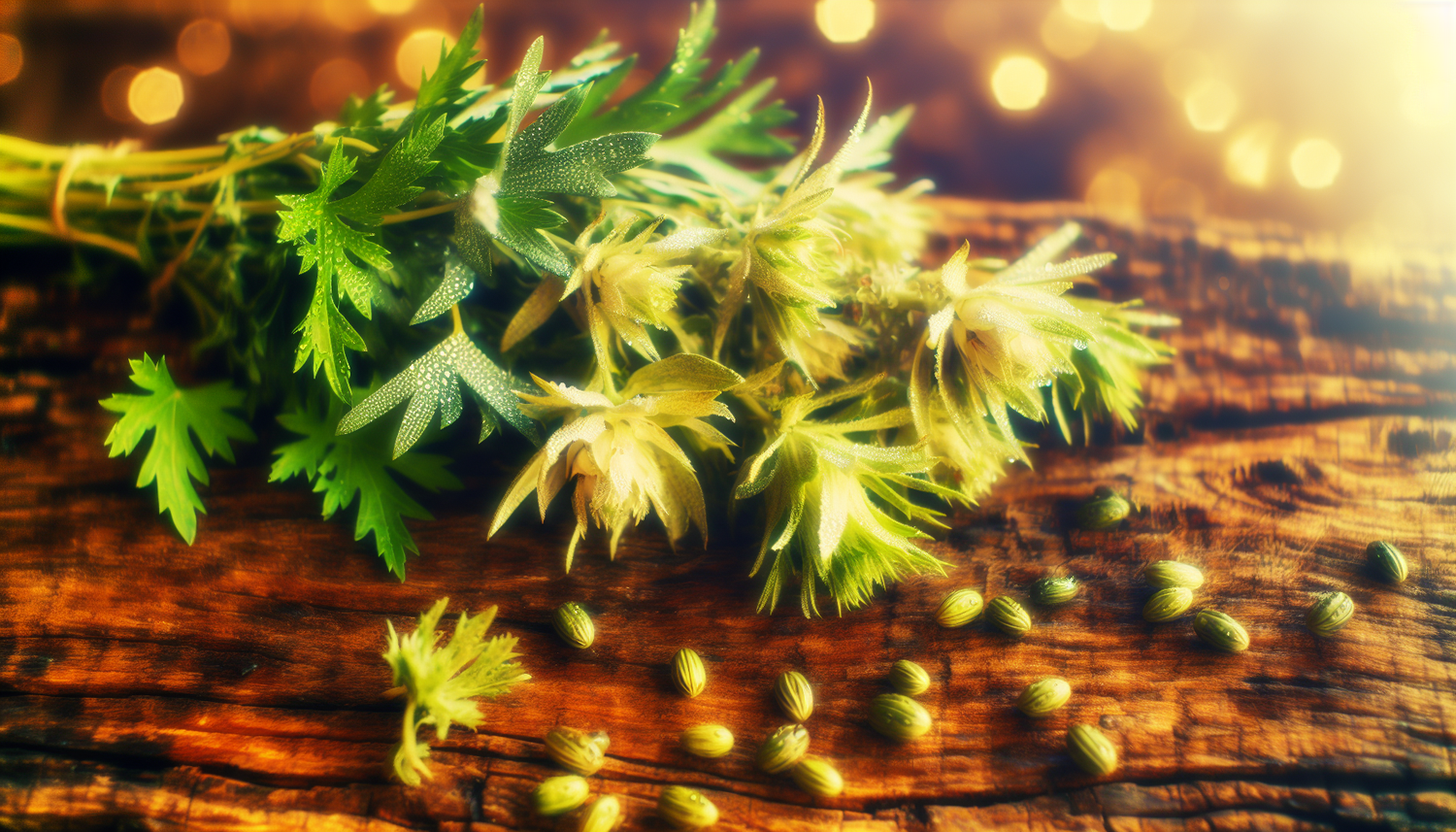
🤖 Das Beitragsbild dieses Artikels wurde mit DALL·E 3 (OpenAI) mithilfe von Künstlicher Intelligenz generiert (gemäß EU AI Act Art. 50 gekennzeichnet).

Hinterlasse einen Kommentar
Diese Website ist durch hCaptcha geschützt und es gelten die allgemeinen Geschäftsbedingungen und Datenschutzbestimmungen von hCaptcha.